


Brass Maritime Instrument
A brass maritime instrument is a dependable navigational or observational tool built for service at sea, offering enduring craftsmanship and functional history.
Brass Maritime Instrument
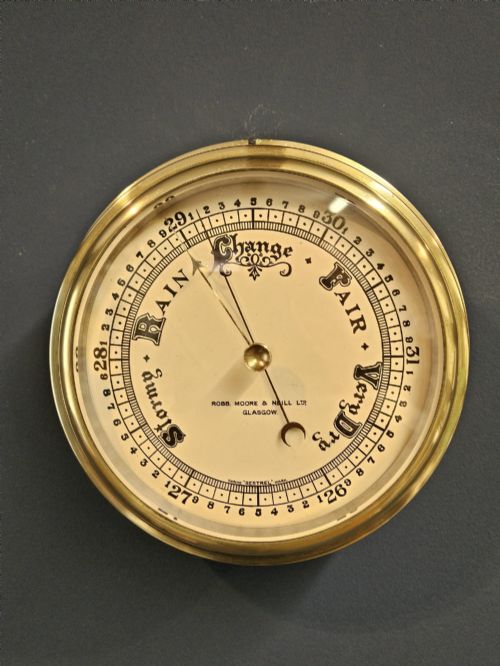
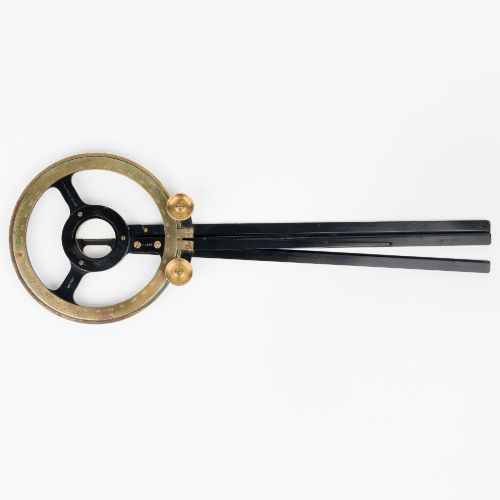
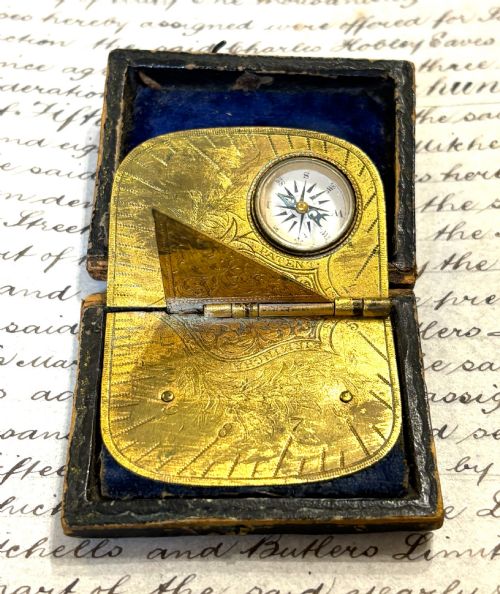
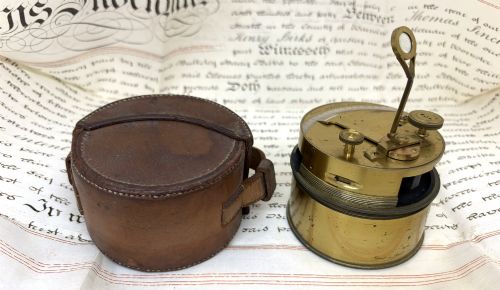
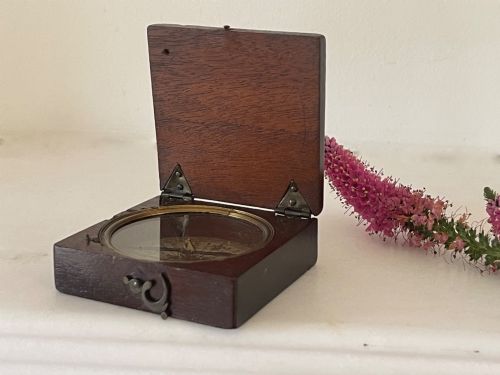
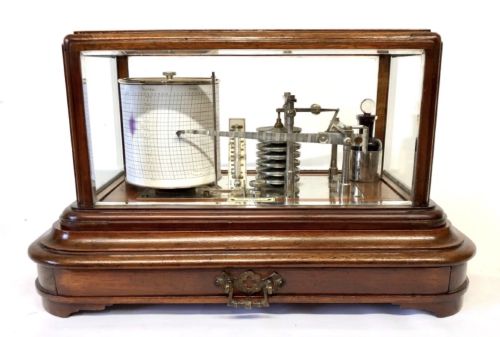
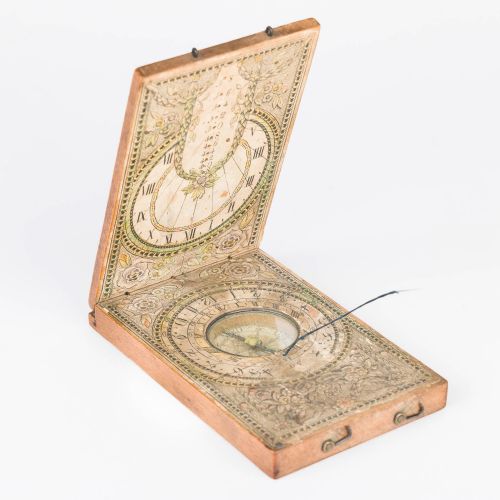
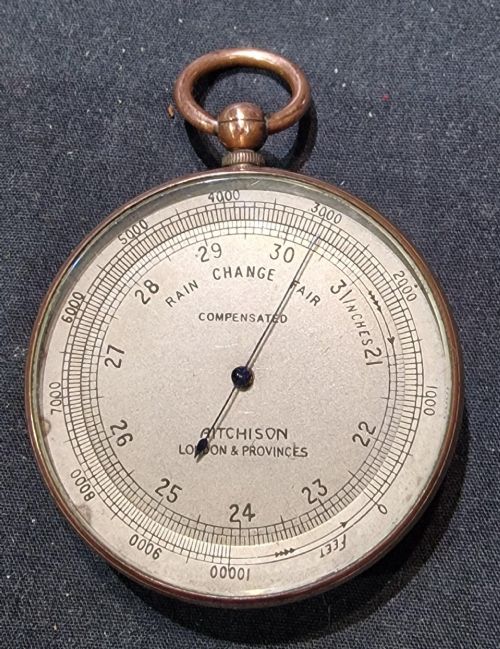
A brass maritime instrument bridges the gap between scientific utility and historical artefact, originating primarily from the nineteenth and early twentieth centuries. Buyers seeking these pieces encounter an array of functional apparatuses including barometers, telescopes, compasses, and chronometers.
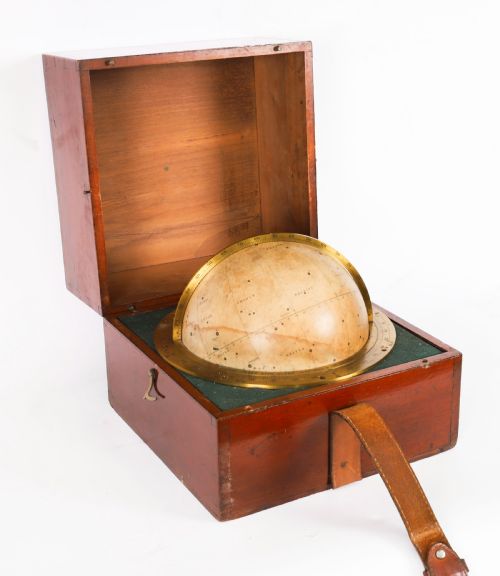
The objects stem from distinct periods such as the Victorian era and the Georgian period, reflecting the technological demands of global exploration and naval trade. Most examples meet the eye in brass paired with fitted wooden cases of mahogany or oak.
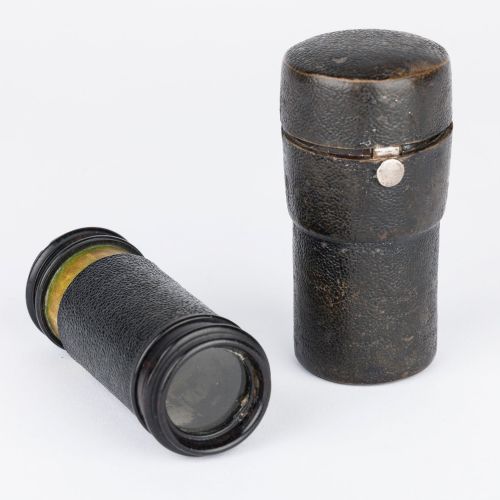
Form follows function closely in these categories, moving from pocket-sized spyglasses to heavy bulkhead barometers and marine chronometers. Each piece represents a specific tool once relied upon by officers and explorers for navigation and weather observation.
How They Were Made
Makers utilised polished brass as the principal structural metal because of its durability in marine environments and its capacity for precise machining. Components were cast, turned, and hand-fitted to ensure tight tolerances in optical and measuring devices.
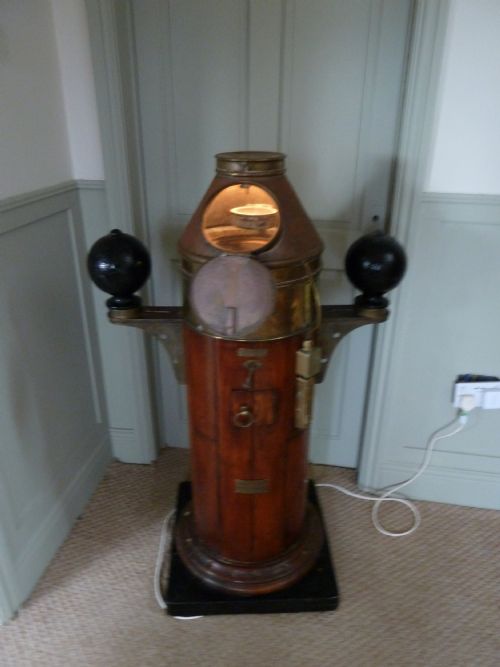
Woodwork played a crucial structural and protective role, with dense timbers like mahogany, oak, and rosewood shaped into fitted boxes, binnacles, and barometer mounts. Leather dressing was frequently applied to telescope barrels to provide a secure grip for users on deck.
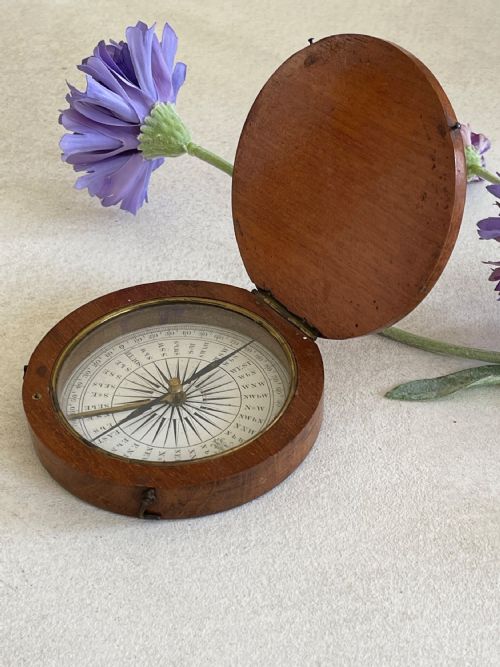
Graduations and inscriptions were meticulously engraved onto silvered metal dials and paper cards to maintain legibility under variable light conditions at sea. Glass protected delicate compass needles and barometer faces while exposing the functional mechanics to view.
Materials recorded across the selection include brass, glass, mahogany, leather, oak, paper, and silvered metal.
What Varies in Quality
Quality rests upon the precision of the mechanical and optical execution, distinguishing utilitarian commercial production from workshop pieces built for scientific or naval service. Finer instruments exhibit crisp engraving, smooth draw actions in telescopes, and robust housing materials.
The integrity of the original components heavily influences the standing of a piece, particularly whether lenses, dials, and needles remain intact and unaltered. Maker attribution to established opticians and instrument makers elevates the standing of an item within its category.
Negretti & Zambra·Thomas Mercer·Litherland Davies Of Liverpool·Voigtländer & Sohn AG·W. & T. Gilbert·Newton & Co·A Hurlimann Paris·Stanley London·L. Casella London
The Brass Maritime Instrument Glossary
- Binnacle
- A stand on the deck of a ship that holds the ship's compass. It protected the compass from weather and iron interference.
- Chronometer
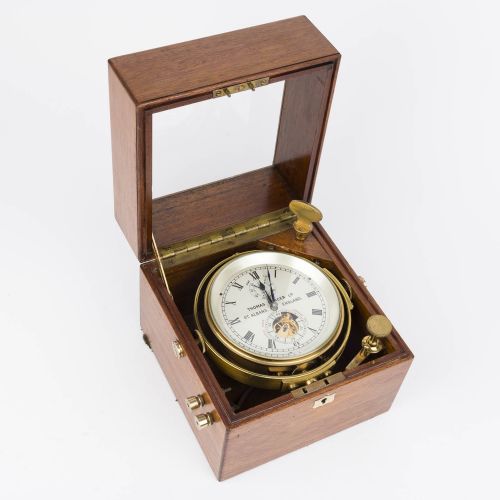
- A highly accurate timekeeper used to determine longitude at sea. These marine clocks were suspended in gimbals to keep them level.
- Sextant
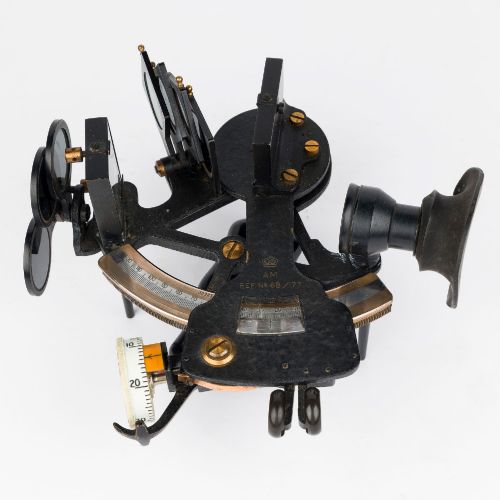
- An instrument used to measure the angle between an astronomical object and the horizon for celestial navigation. It relies on mirrors and a graduated arc.
- Spyglass
- A small, handheld refracting telescope popular with travellers and naval officers. They typically feature multiple sliding brass draws.
- Barometer
- An instrument measuring atmospheric pressure to forecast weather changes. Marine versions utilised mercury or aneroid mechanisms housed in brass and wood.
Brass Maritime Instrument: Frequently Asked Questions
How do I use a brass telescope?
Extend the sliding draws fully until the instrument locks into position and focus by adjusting the final eyepiece barrel against a distant target. Keep the lenses clean using soft optical cloths to maintain clarity.
Store the telescope in its fitted wooden case when not in use to protect the brass finish and prevent dust accumulation on the glass elements.
Can I mount a ships barometer on a wall?
Many barometer forms are designed for vertical bulkhead mounting using integrated wooden brackets or brass hanging rings provided by the original maker. Ensure the chosen wall supports the weight of the dense brass and timber housing.
Position the barometer away from direct heat sources and heavy vibrations to preserve the accuracy of the internal aneroid or mercury mechanism.
How do I identify the date of a marine instrument?
Examine the engraved maker signature and address on the metal dial or draw tubes, as these details often correspond to known operational periods of the firm. Style elements such as the shape of the brass mounts and the choice of case wood also provide chronological clues.
Consult historical trade directories and maker records to match serial numbers or signatures to specific decades of production.