



Brass Lighting Decor
Brass lighting decor brings together metal candlesticks, oil lamps and lanterns spanning Georgian to Edwardian periods for practical illumination and interior display.
Brass Lighting Decor
Brass lighting decor encompasses functional metalwork designed for candles, oil and early electrical conversion across multiple centuries. Buyers searching this phrase encounter candlesticks, oil lamps, wall and desk lighting, and lanterns.
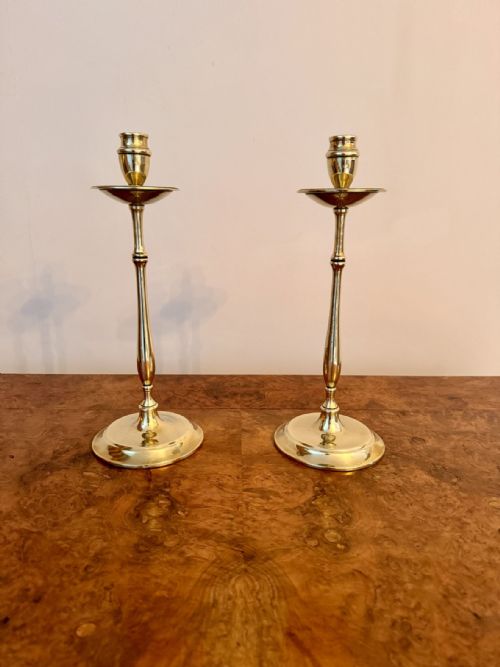
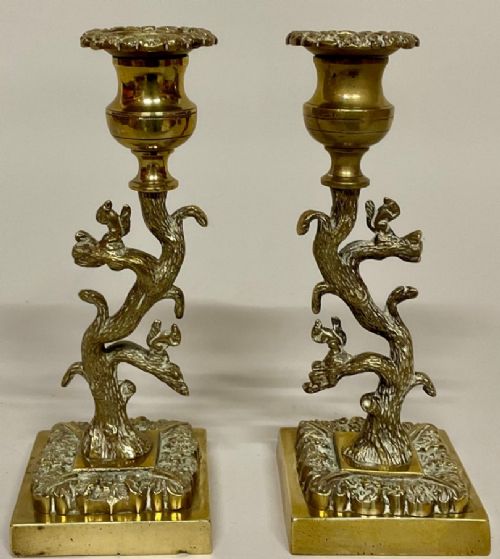
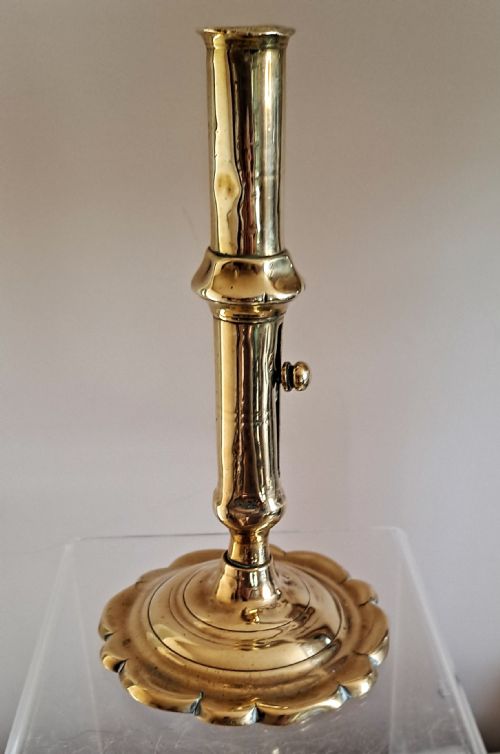
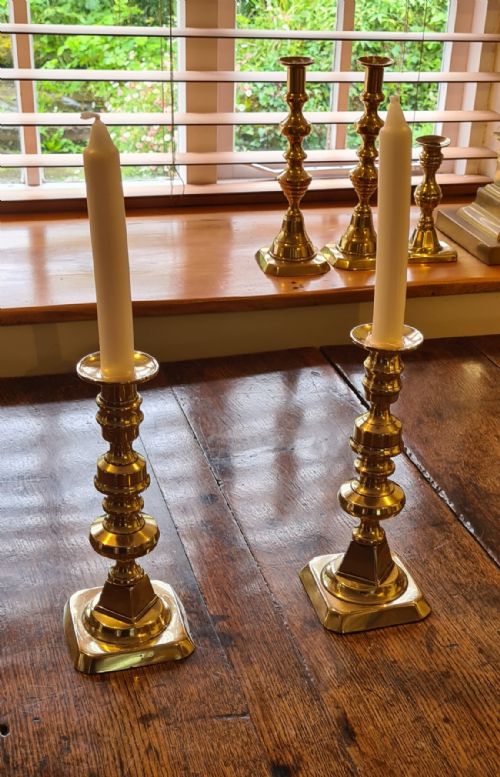
The selection on this page relies heavily on nineteenth-century Victorian pieces and eighteenth-century Georgian examples, alongside Edwardian and later twentieth-century productions. Candlesticks dominate the forms, running from slender turned shafts to heavy church pieces and ejector mechanisms.
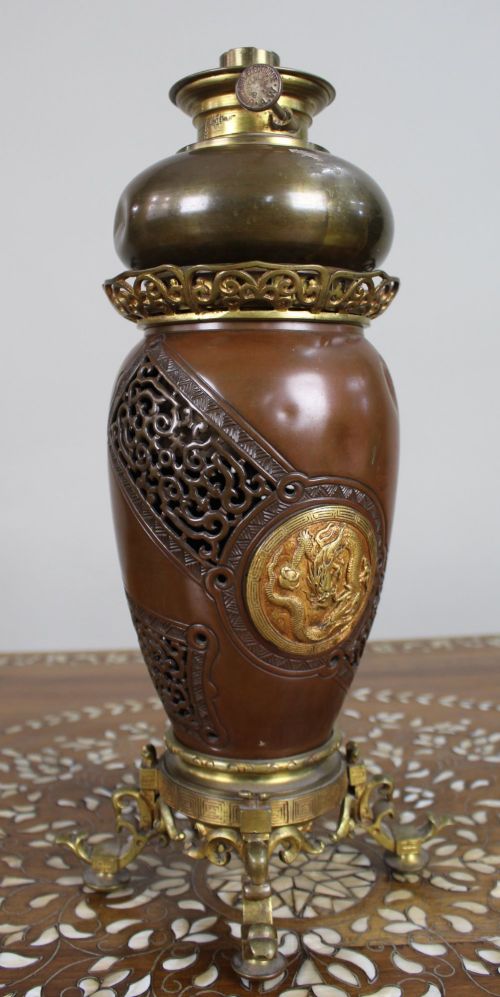
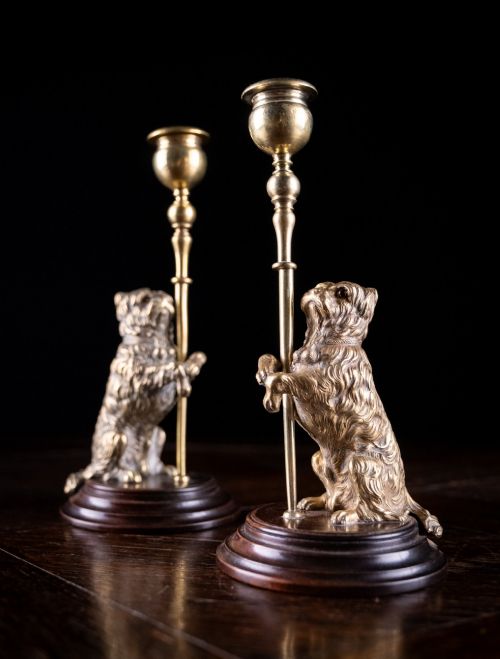
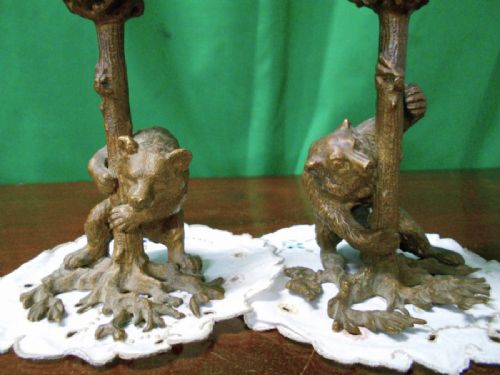
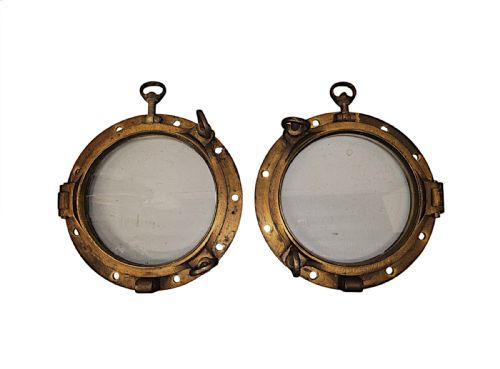
Beyond standard domestic candlesticks, the category stretches to maritime port holes, ship lanterns, architectural salvage and figural animal casts involving bronze and gilt metal. Form follows utility, yet decorative expression dictates whether an item serves a grand hall or a modest parlour.
Materials and methods of construction
Production methods rely on casting, turning and seaming metals such as brass, bronze, gilt bronze, ormolu, copper and paktong. Candlestick components are frequently cast in sections and joined, or turned on a lathe to create ridged profiles like beehive or barley twist patterns.
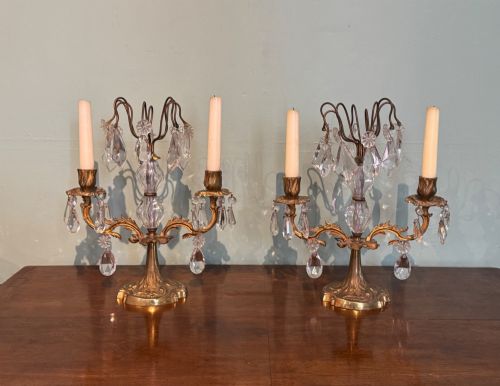
Secondary materials such as oak, mahogany, glass and porcelain integrate directly into the metalwork, seen in wood-stemmed candlesticks, glass spirit barrels, opaque oil vessels and ceramic lamp bases. Surface finishes range from polished yellow metal to patinated dark bronze and applied gilding.
Brass Lighting Decor Retail Price Guide 2026
Typical asking prices for brass lighting decor among the pieces listed under this phrase on Sellingantiques today, from the lower quarter to the upper quarter. They describe what is for sale here now, not the wider market.
Distinctions in quality and finish
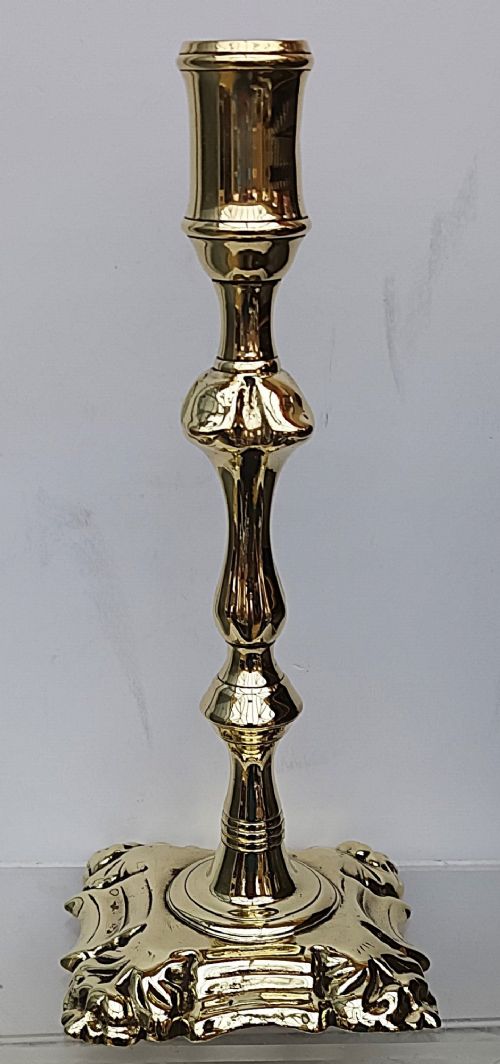
Quality rests in the crispness of the casting detail, the weight of the metal, and the integrity of the proportions. Heavy, well-balanced bases and sharply defined mouldings on petal sockets or heraldic shields denote superior production.
Subtleties in assembly matter profoundly, such as seamless joins on turned columns, clean threading on mechanical ejector stems, and the harmonious integration of secondary materials like wood or cut glass. Pieces that retain their original component parts without heavy replacement display greater structural integrity.
Samuel Alcock·J.T. & Co·Royal Doulton
The Brass Lighting Decor Glossary
- Paktong
- A copper-nickel-zinc alloy resembling silver, used in eighteenth-century metalwork for its bright appearance and durability. It provides a distinctive pale tone distinct from standard yellow brass.
- Ejector candlestick
- A nineteenth-century mechanical design containing an internal spring or sliding button to push out the remaining candle stump. This innovation made clearing spent wax cleaner and simpler.
- Ormolu
- Finely ground high-carat gold applied to a bronze base using a mercury amalgamation process, popular in French decorative arts. It yields a rich, warm golden surface finish.
- Port hole
- A heavy round maritime window frame cast in brass or bronze, repurposed for interior decoration. These structural salvage items bring a distinct nautical character to rooms.
- Campana sconce
- An inverted bell-shaped cup at the top of a candlestick designed to catch dripping wax and hold the candle secure. The profile draws directly from classical urn architecture.
Brass Lighting Decor: Frequently Asked Questions
How do I date antique brass candlesticks?
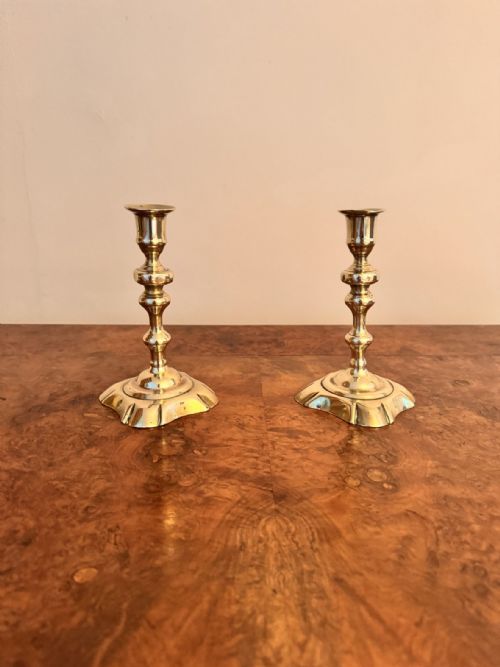
Dating relies on examining manufacturing techniques, base shapes, and joinery methods. Eighteenth-century examples often feature petal bases or multi-component cast stems with distinct parting lines.
Nineteenth-century items introduce innovations like ejector mechanisms and heavier Victorian casting styles. Comparing base weights and turning profiles against documented periods clarifies the age.
Were oil lamps converted to electricity?
Many period oil lamps and lanterns undergo conversion to house electrical wiring for modern domestic use. This allows historical vessels and glass fonts to function safely as table lamps.
Original burners and collars are frequently retained alongside wired components to preserve the antique character.
What is the difference between brass and bronze?
Brass is an alloy composed primarily of copper and zinc, yielding a bright yellow metallic appearance. Bronze primarily combines copper with tin, resulting in a darker, heavier material with high durability.
Gilt bronze applies a gold layer over the bronze base, whereas brass is typically polished directly.
How should I clean antique brass lighting?
Cleaning should be minimal to preserve the accumulated patina and aged surface character that collectors value. Gentle dusting with a soft cloth removes everyday debris without disturbing the metal.
Avoid harsh chemical polishes that strip away historical depth and leave the metal unnaturally bright.