


Brass Lantern Sconces
These brass lantern sconces bring historic street lighting indoors, combining sturdy metal frames with glass panels to cast a warm, directional glow along your hallway or porch.
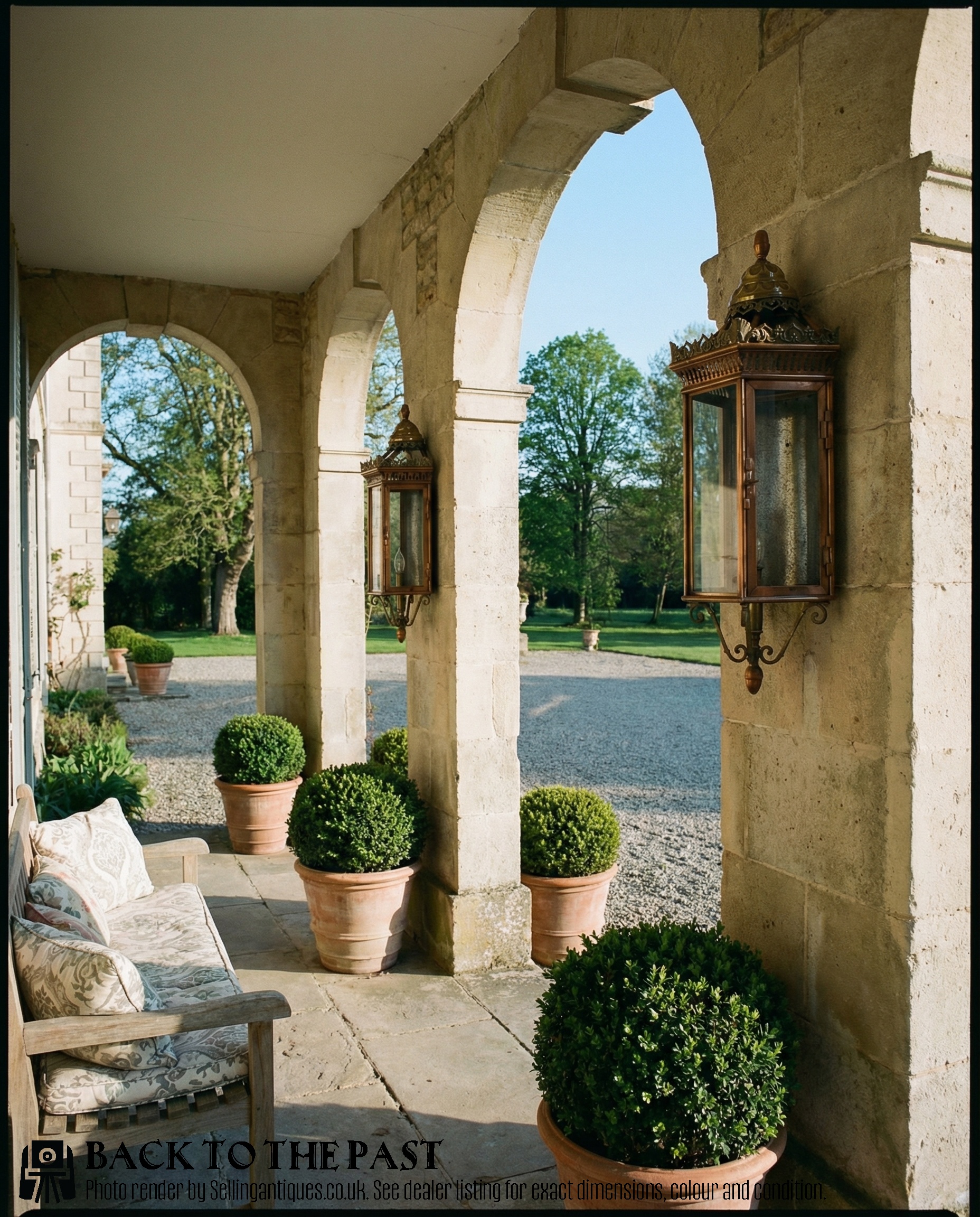
Brass Lantern Sconces
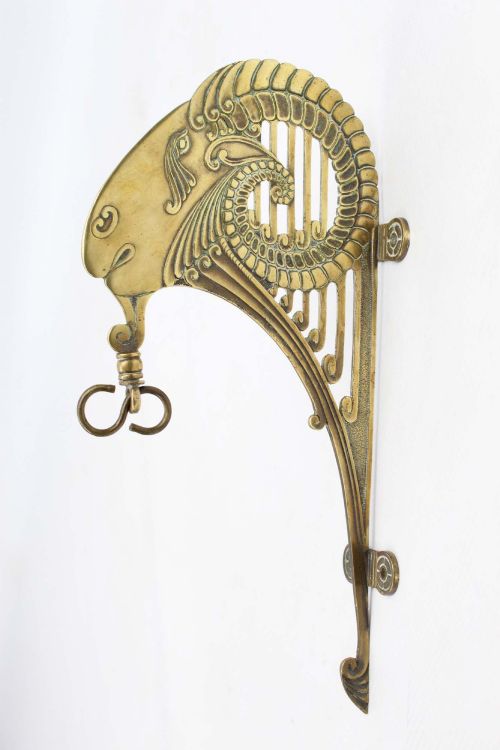
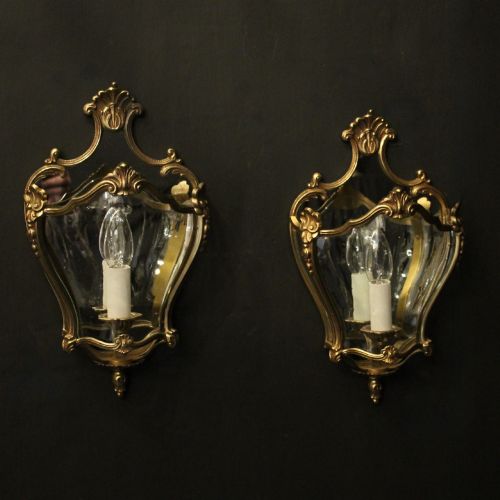
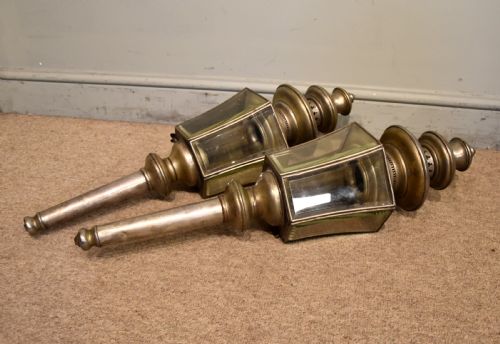
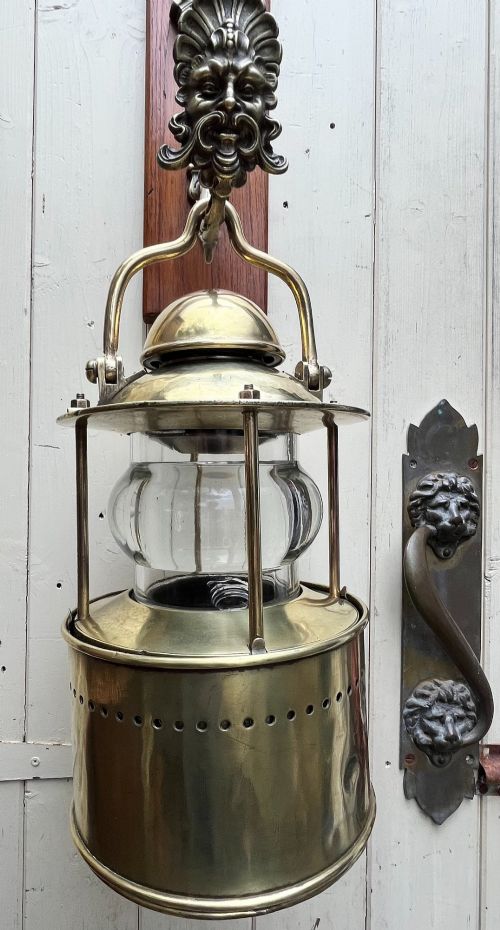
When you search for brass lantern sconces, you encounter wall-mounted light fixtures derived from historic street lamps, carriage lights, and coaching lamps. The selection spans the Victorian and Edwardian eras alongside pieces from the 1900s, 1920s, and 1930s.
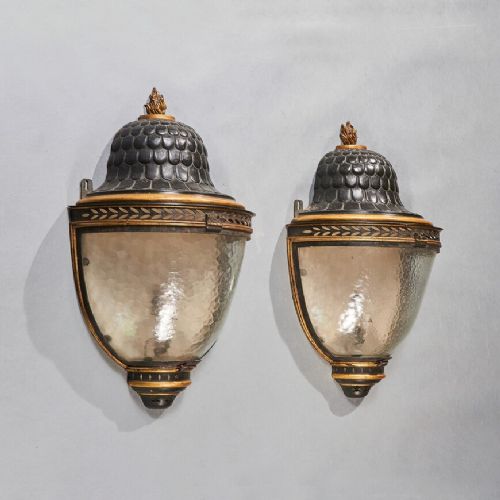
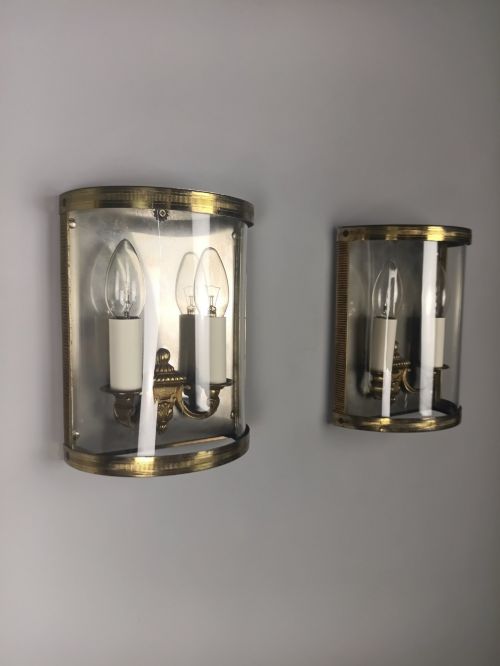
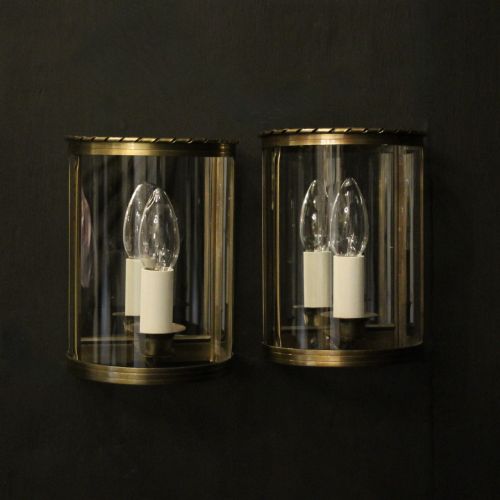
You will frequently find French half lanterns and carriage styles designed to mount flat against a wall. Materials stretch beyond plain brass to include copper, iron, tole, parcel gilt metal, and frosted glass.
The objects serve as functional wall lights and wall lanterns, adopting styles from French Empire and French Neoclassical to Arts and Crafts and French Chateau. Many survive as matched pairs suited for flanking a doorway or fireplace.
How they were made
The construction of these lanterns relies on sheet brass and copper formed around rigid iron or cast iron backplates and frames. Metalworkers joined these structural components using rivets, solder, and screws to support the weight of protruding glass panels.
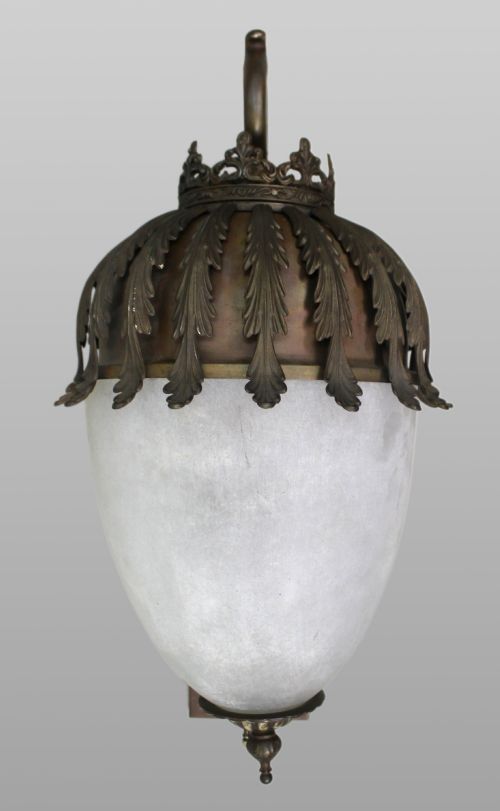
Glazing typically involves clear, convex, or frosted glass panes held securely within metal channels or brass bezels. Decorative surfaces often receive parcel gilt accents, applied bronze patination, or painted toleware finishes to mimic richer materials.
Listings feature brass, copper, iron, and tole materials spanning Victorian and Edwardian periods alongside 1930s French half lanterns.
What varies in quality
Quality rests primarily on the substance of the metalwork and the crispness of the casting. Heavier gauge brass, substantial bronze, and robust cast iron frames distinguish superior examples from lighter commercial production.
The sophistication of the stylistic details also dictates worth, from elaborate French Empire ornamentation to simple Arts and Crafts utilitarian forms. Original glass panels, particularly heavy convex or bevelled panes, elevate the integrity of the piece.
Daris·Hinks
The Brass Lantern Sconces Glossary
- Half lantern
- A wall light shaped like a complete lantern cut vertically down the middle so it sits flat against a vertical surface. This configuration preserves the visual depth of a hanging lantern while occupying minimal corridor space.
- Carriage lamp
- A sturdy outdoor wall light adapted from the lighting fixtures once mounted on horse-drawn carriages. These pieces typically feature robust brass and iron construction designed to withstand exposure to the elements.
- Toleware
- Painted tin or metalware finished with pigmented varnishes and lacquers. It offers colourful decorative surfaces on lighting bodies.
- Parcel gilt
- A treatment where selective areas of a metal object receive a gold leaf or gilt finish while the underlying brass or bronze remains exposed. This technique highlights raised mouldings and decorative motifs.
- Frosted glass
- Glass treated by acid-etching or sandblasting to create a textured, opaque surface that diffuses light. It softens the glare from early oil burners or modern electric bulbs.
Brass Lantern Sconces: Frequently Asked Questions
How do I hang a heavy carriage lamp?
Mount these heavy fixtures directly into wall studs or use appropriate masonry anchors to support the combined weight of the metal frame and glass.
Ensure the electrical junction box behind the backplate can bear the load securely before attaching the sconce.
Were these originally for oil or gas?
Many older examples began life fitted with oil fonts or gas burners before conversion to electricity during later interior updates.
Components like internal brackets and burners often reveal this utilitarian heritage beneath the decorative metal housing.
Can I use these lanterns outdoors?
While historic carriage lamps and porch lanterns originated for exterior use, surviving antiques require careful assessment of their current weatherproofing.
Consult an electrician to ensure the internal wiring meets modern safety standards for damp or exposed locations.
How do I clean brass and copper sconces?
Dust the metal surfaces gently with a soft, dry cloth to preserve the accumulated historic patina rather than scrubbing them to a bright shine.
Avoid abrasive polishes that can strip away original surface treatments and aged finishes on tole or parcel gilt components.