

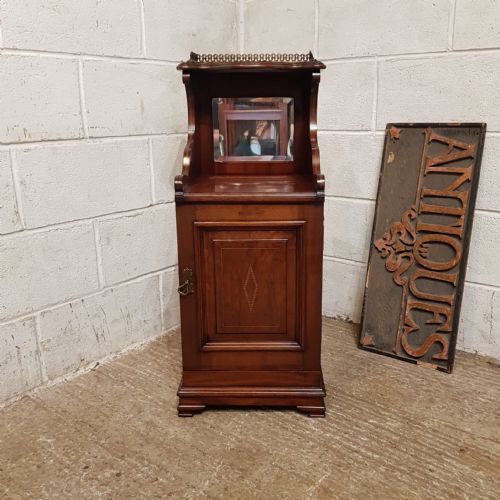


Brass Inlaid Wood Mirror
A brass inlaid wood mirror brings rich metallic warmth and intricate detail into a room, catching the light with enduring appeal.
Brass Inlaid Wood Mirror
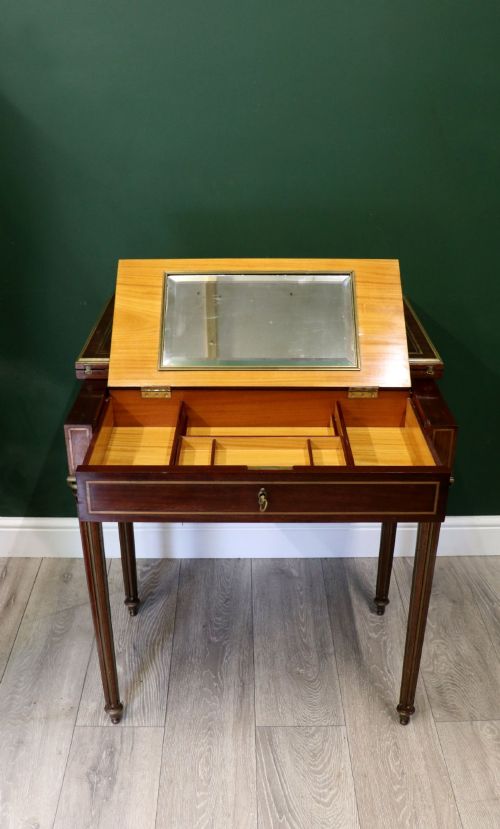
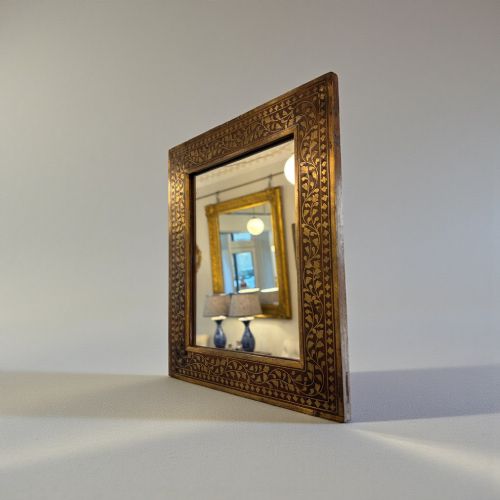
A brass inlaid wood mirror combines warm timber with gleaming metallic wire or sheet, creating striking contrast across the frame. When buyers search for a brass inlaid wood mirror, they encounter wall mirrors and mirror frames originating from various periods and distant workshops.
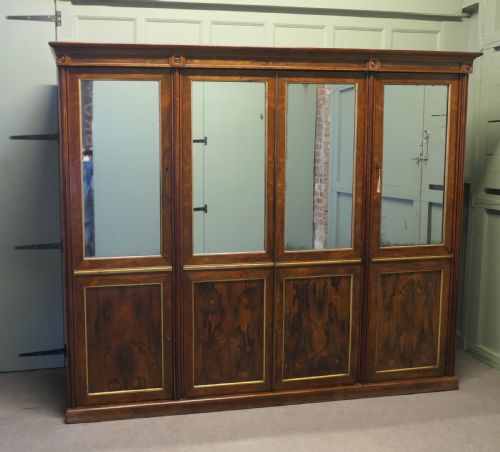
The selections on this page most frequently include Kashmiri and Hoshiarpur pieces alongside 19th-century British examples. These items span wall mirrors, mirror frames, and overmantel formats executed in rosewood, hardwood, and walnut.
Makers utilised distinct regional aesthetics, ranging from intricate pierced edge woodwork to precise geometric metalwork. Each piece demonstrates the intersection of traditional woodworking and skilled metal inlay techniques.
Materials and construction
Craftsmen shaped dense timbers such as rosewood, mahogany, and walnut to form the structural foundation of the frame. These hardwoods provided the stable base necessary for housing delicate mirror glass.
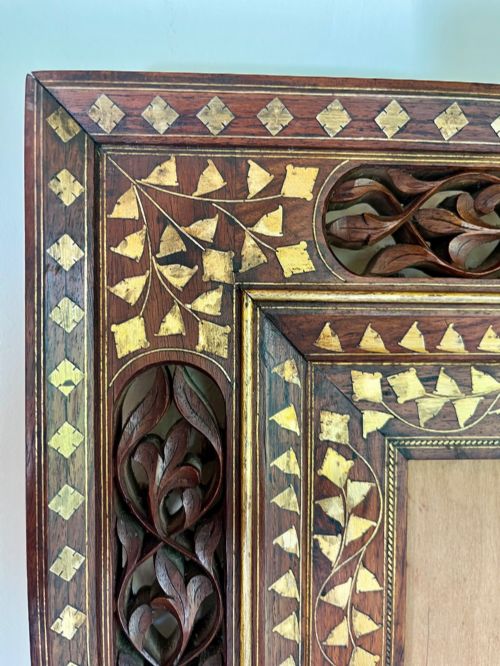
Artisans carved channels into the wooden surface to embed fine brass wire or shaped sheet metal. The brass components were meticulously fitted by hand, often creating floral or geometric patterns that complemented the grain of the timber.
Brass Inlaid Wood Mirror Retail Price Guide 2026
Typical asking prices for brass inlaid wood mirror among the pieces listed under this phrase on Sellingantiques today, from the lower quarter to the upper quarter. They describe what is for sale here now, not the wider market.
Intricate brass wire patterns in antique frames occasionally reveal tiny hand-cut irregularities, proving that perfection took second place to human skill.
Assessing quality and execution
The distinction between ordinary and superior pieces rests entirely upon the precision of the inlay work and the depth of the carving. Tighter alignment of the brass within the wood grain indicates a higher standard of hand craftsmanship.
The choice of timber significantly affects the overall character, with dense rosewood and well-figured walnut commanding greater visual presence than plain hardwoods. Original mirror glass with authentic foxing also adds to the integrity of the piece.
The Brass Inlaid Wood Mirror Glossary
- Inlay
- A decorative technique where small pieces of materials like brass are inserted into depressed portions of a base material. This method creates a flush, ornamented surface across the wooden frame.
- Rosewood
- A dense, heavily figured timber prized for its dark grain and durability. It served as a favoured base material for high-status 19th-century furniture and frames.
- Overmantel mirror
- A large mirror designed to hang directly above a fireplace mantelpiece. These pieces often incorporated brass detailing to reflect candlelight and brighten period rooms.
- Pierced work
- Woodcarving that goes all the way through the material to create openwork patterns. This technique appears frequently on Kashmiri and Hoshiarpur frames.
- Foxing
- Age-related spots and discoloration that develop within the silvering of antique mirror glass. This natural oxidation process confirms the genuine age of the looking glass.
Brass Inlaid Wood Mirror: Frequently Asked Questions
How do I clean a brass inlaid wood mirror?
Dust the timber frame gently with a dry, soft cloth to prevent buildup in the intricate carved recesses. Avoid harsh chemical polishes that might discolour the exposed brass wire or damage the surrounding wood grain.
Clean the mirror glass itself using a minimal amount of glass cleaner applied directly to a cloth rather than the surface. This prevents liquid from seeping beneath the frame edge and harming the antique backing.
Where should I hang an overmantel mirror?
An overmantel mirror traditionally rests or hangs centrally above a fireplace opening to anchor the room's main focal point. Ensure the wall fixings match the substantial weight of the hardwood frame and glass.
Position the mirror at a height that captures natural light from nearby windows to brighten the surrounding space. This placement also allows the brass details to reflect ambient room lighting effectively.
What periods do these mirrors come from?
The available pieces primarily date from the 19th and early 20th centuries, encompassing Victorian, Edwardian, and Regency eras. Regional export pieces from Hoshiarpur and Kashmir also emerge from this broad timeframe.
Stylistic influences range from British revival designs to traditional South Asian craftsmanship. Each era brings distinct carving depths and metalwork patterns to the finished frame.
Are the mirror plates original?
Many pieces retain their original mirror glass, which often exhibits characteristic signs of age such as minor foxing and surface speckling. Original plates contribute significantly to the historical integrity of the piece.
Some items may feature replaced glass if the original mirror deteriorated beyond preservation. Inspecting the silvering and edges helps determine whether the glass matches the period of the frame.