




Brass Inlaid Plant Stand
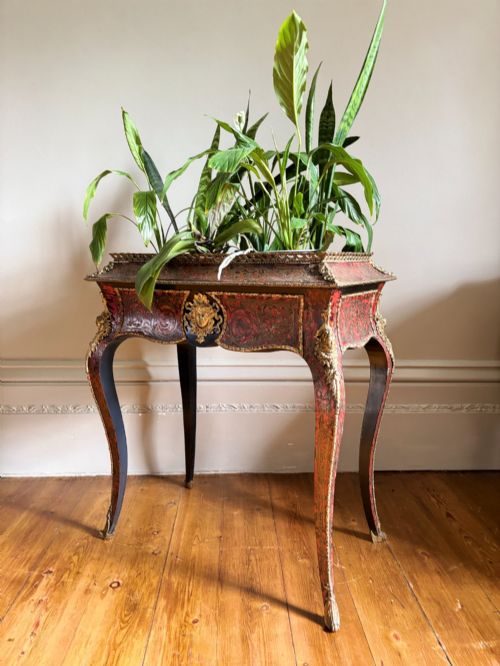
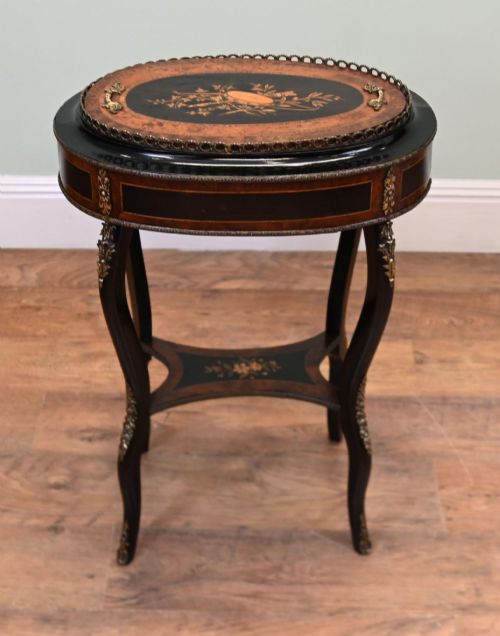
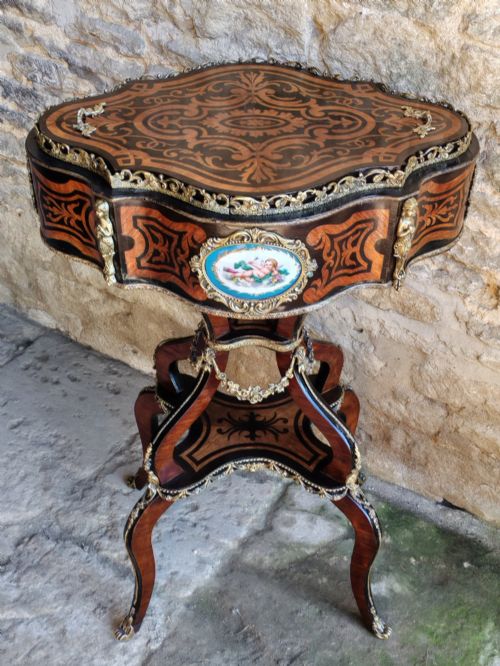
These brass inlaid plant stand pieces are ornate planters and occasional tables designed to display flora inside the home.
Brass Inlaid Plant Stand
A brass inlaid plant stand encompasses a range of functional display surfaces, from dedicated jardiniere tables with metal liners to occasional and side tables adapted for greenery. When searching for a brass inlaid plant stand, buyers encounter pieces spanning the Regency and Victorian eras alongside early twentieth-century examples.
The forms vary considerably across the selection, including multi-tiered etageres, octagonal shapes, and circular tables fitted with galleries or drawers. French Napoleon III and Anglo-Indian designs dominate the aesthetic, frequently incorporating elaborate floral and geometric brass work into the wooden top.
Many items double as wine coolers or cellarettes, reflecting nineteenth-century domestic habits where decorative stands served multiple social functions in reception rooms. Walnut, rosewood, and ebonised wood provide the primary structures, often enriched with marquetry or parquetry alongside the metallic inlay.
How they were made
Cabinetmakers utilised dense hardwoods such as walnut, rosewood, mahogany, kingwood, and satinwood as the structural base for these tables, frequently applying burr veneers to create rich surface patterns. Ebonised wood and teak also appear, providing darker contrasts to the metallic elements.
Craftsmen embedded brass wire and sheet metal directly into the wooden surfaces using meticulous marquetry and inlay techniques, often combining the metal with bone or contrasting exotic timbers. Gilt metal mounts, ormolu, and raised galleries were then secured around the edges to complete the upper display areas.
Brass Inlaid Plant Stand Retail Price Guide 2026
Typical asking prices for brass inlaid plant stand among the pieces listed under this phrase on Sellingantiques today, from the lower quarter to the upper quarter. They describe what is for sale here now, not the wider market.
Some tables double as wine coolers, proving that nineteenth-century hosts liked their flora and their refreshments within arm's reach at all times.
What varies in quality
The sophistication of the timber veneers and the precision of the brass inlay distinguish finer examples from standard production. Dense burr walnut and intricately cut marquetry indicate superior workshop standards, whereas simpler mahogany or basic geometric lines represent more utilitarian manufacturing.
The integration of secondary materials such as bone work, cast ormolu mounts, and tiered shelving elevates the complexity of a piece. The crispness of the metalwork and the structural stability of the joints ultimately determine the standing of each individual table.
The Brass Inlaid Plant Stand Glossary
- Jardiniere
- A decorative pot or stand designed to hold plants and flowers indoors. These often feature removable metal liners to catch water.
- Marquetry
- Decorative woodwork where pieces of veneer are fitted into a ground material to form intricate patterns. This technique frequently incorporates brass and exotic timbers.
- Ormolu
- Gilded bronze or brass applied as mounts, feet, or gallery rails on nineteenth-century furniture. It provides a bright metallic contrast to dark woods.
- Etagere
- A set of open shelves for displaying small objects or plants across multiple tiers. They appear frequently in French nineteenth-century designs.
- Hoshiarpur
- A North Indian centre known for intricate wood carving and inlay work using brass and bone. Pieces from this region utilise teak or shisham wood bases.
Brass Inlaid Plant Stand: Frequently Asked Questions
What is a jardiniere table?
A jardiniere table is a specialised piece of furniture featuring a sunken well or waterproof liner designed to hold potted plants inside a living space.
These tables combine the utilitarian function of plant display with the decorative finish of fine woodwork and brass inlay, serving as central ornaments in nineteenth-century drawing rooms.
How do I care for brass inlaid wood?
Maintaining brass inlaid furniture requires keeping the wood conditioned with appropriate waxes while avoiding excessive moisture that could loosen the metal elements.
Gentle dusting preserves the contrast between the polished brass and the surrounding walnut, rosewood, or ebonised timber surfaces.
Are these stands suitable for real plants?
Many of these stands were originally constructed with metal liners specifically to accommodate live greenery and watering.
Using protective saucers inside the well ensures that moisture does not damage the underlying wood veneers or historical brass inlay.
How can I tell Victorian pieces apart?
Victorian examples often display rich burr walnut or kingwood veneers paired with elaborate marquetry and gilt metal mounts.
Earlier Regency pieces tend toward restraint with rosewood and simpler brass lines, while later twentieth-century items incorporate distinct regional styles such as Anglo-Indian bone and brass work.