


Brass Indoor Plant Pot
These brass indoor plant pot pieces bring period charm to foliage, offering solid metal vessels shaped in Victorian and Edwardian workshops.
Brass Indoor Plant Pot
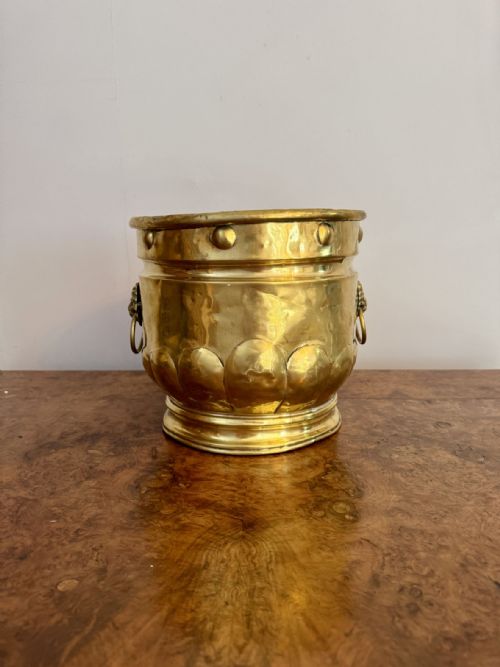
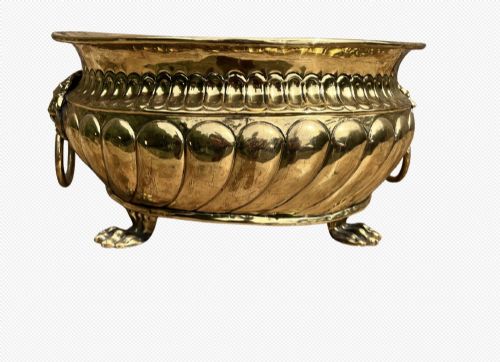
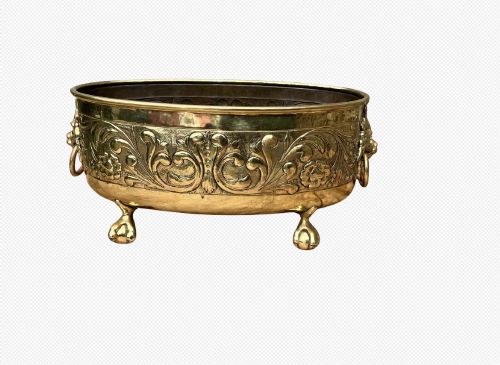
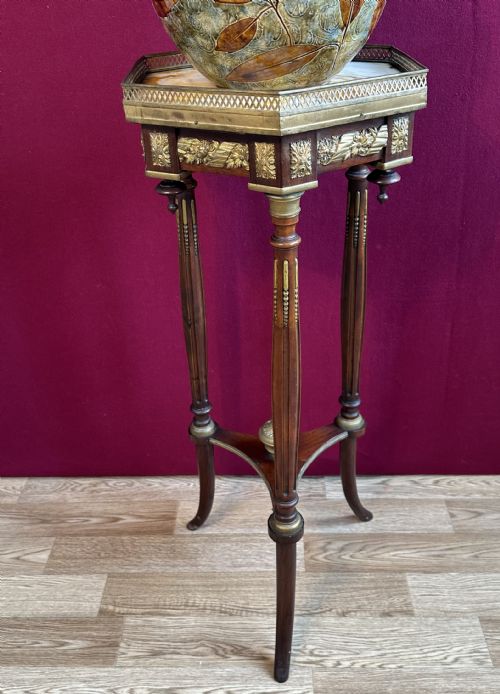
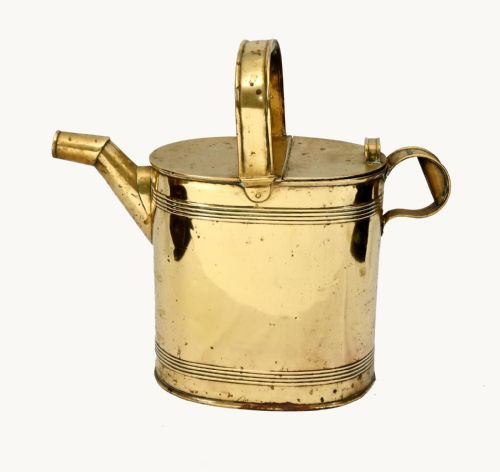
A brass indoor plant pot takes the form of jardiniere vessels, cachepots, and plant stands designed to hold greenery within nineteenth and early twentieth century domestic interiors. You will frequently encounter Victorian and Edwardian examples shaped from heavy sheet metal, alongside occasional watering cans and paired cachepots.
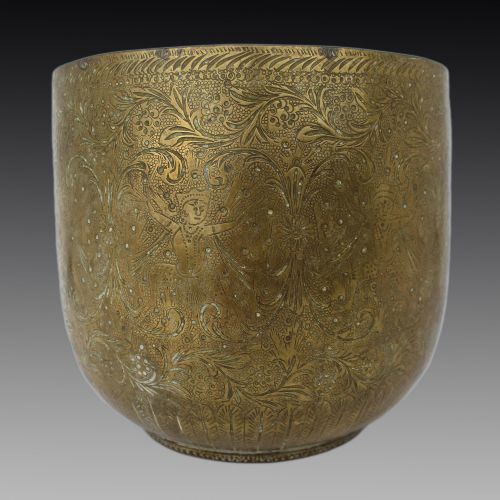
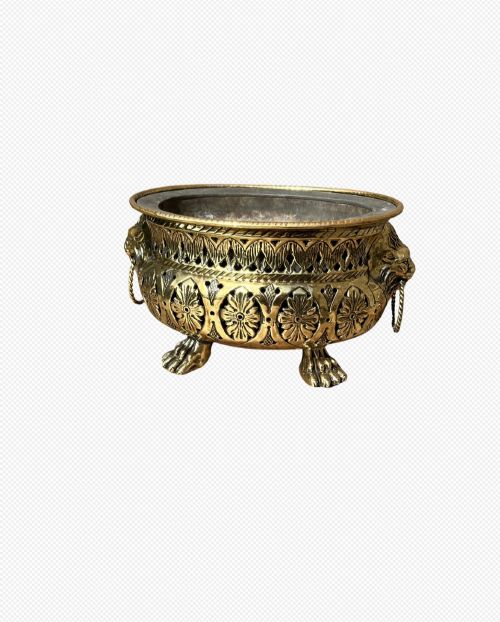
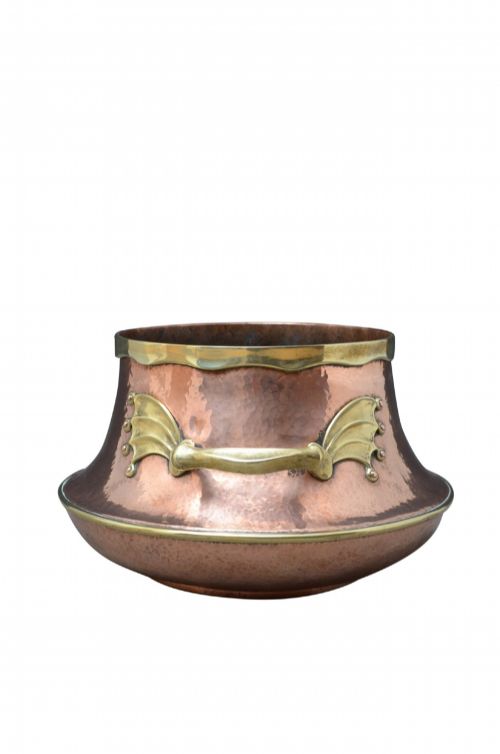
The styles span traditional Victorian and Edwardian forms to Arts and Crafts, Art Nouveau, and Anglo-Indian designs. These pieces range from simple cylindrical planters to decorative vessels featuring lion mask handles and geometric piercing.
Materials and construction methods
Makers utilised brass and copper sheets, often combining solid brass bodies with iron or combining copper with brass elements. Oak and mahogany timbers appear in coopered barrel stands, while marble provides contrasting surfaces for specific plant stands.
Techniques relied on hand-hammering, embossing, hand-engraving, and piercing to decorate the metal surfaces. Dinanderie work and riveted seams show the manual construction methods used by period metalworkers.
Some heavy brass vessels spent their later years repurposed as waste bins in country house studies.
Judging quality in metal plant vessels
Quality rests upon the weight of the metal and the crispness of the hand-chased or embossed detail. Heavy gauge brass and deep, clean piercing separate superior vessels from lighter, pressed alternatives.
The integrity of construction, such as secure joints on handles and well-fitted timber staves on coopered items, determines the durability and finished presence of the piece.
The Brass Indoor Plant Pot Glossary
- Jardiniere
- An ornamental pot or stand for holding plants or flowers. These vessels form the majority of the metal plant holders.
- Cachepot
- An ornamental pot used to conceal an ordinary flowerpot. The term translates from French as hiding pot.
- Dinanderie
- The medieval and later art of working in brass and other non-ferrous metals. Items show surface engraving and embossing.
- Coopered
- Made from staves of wood held together by metal hoops, similar to barrel construction. Oak planters often utilise this technique.
- Pierced
- Perforated with a pattern or design by cutting through the metal sheet. This technique allows light and air to reach plant containers.
Brass Indoor Plant Pot: Frequently Asked Questions
How were these brass vessels used?
Period homes used these vessels to house potted palms, ferns, and flowering plants directly in living rooms and parlours. They protected tabletops and floors while displaying indoor greenery.
Watering cans served practical gardening needs within the house and conservatory. Plant stands elevated foliage to catch window light.
How do I date a brass planter?
Dating relies on stylistic clues such as Art Nouveau whiplash curves, Aesthetic Movement motifs, or Victorian proportions and lion mask handles. Construction marks like hand-hammering versus machine-pressing also help.
Period references in titles span from the 1860s through the Edwardian era. Material combinations like oak and brass point toward specific decades.
Can I plant directly into the metal?
Many period pieces lack drainage holes and were designed to hold a separate terracotta flowerpot inside. Placing a plastic or ceramic liner prevents moisture from sitting against the antique metal.
Lining the vessel preserves the interior surface and prevents corrosion from damp soil and fertilizers.
How do I clean antique brass?
Dusting with a soft dry cloth maintains the surface without removing the dark patination accumulated over decades. Avoid harsh chemical polishes that strip historical character from the metal.
Gentle wiping preserves the hand-hammered and engraved details on Victorian and Edwardian surfaces.