

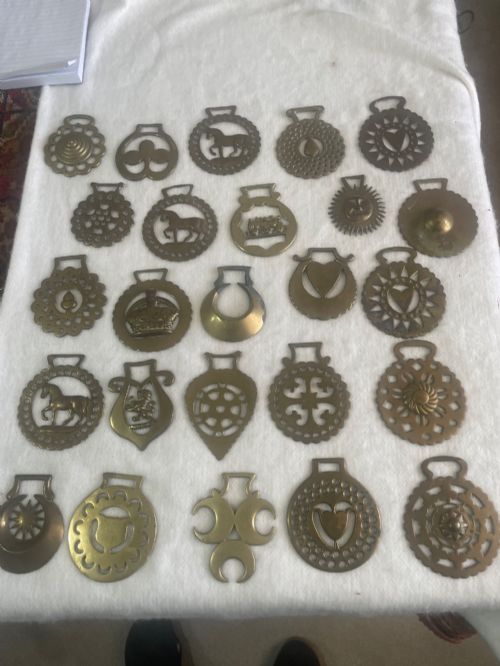
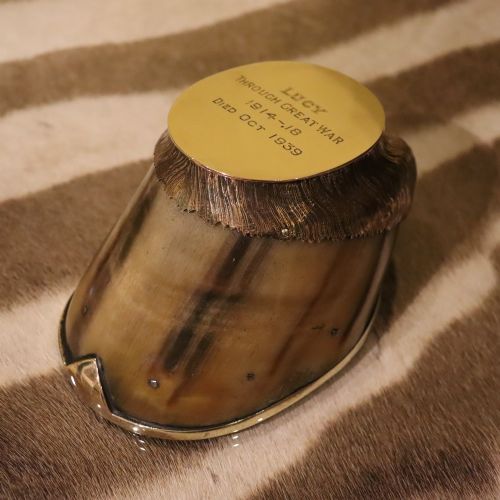
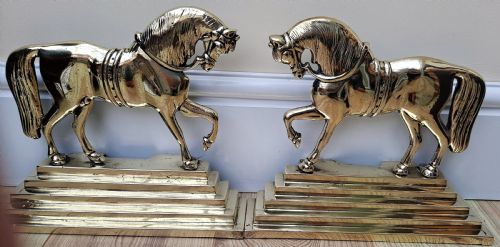


Brass Horse Ornament
These brass horse ornament pieces are substantial equine figures and functional hearth wares that anchor a traditional room with solid character.
Brass Horse Ornament
A brass horse ornament covers heavy hearth accessories, doorstops, and sculptural figures shaped like equines. You encounter door porters and chimney horses most frequently on this page, alongside small desk bronzes and decorative boxes.
The objects span the nineteenth century into the early twentieth century, taking inspiration from Victorian, Georgian, and Grand Tour aesthetics. English examples sit alongside French Palais Royal novelties and Chinese bronze pieces.
Makers fashioned these pieces to serve practical roles as door keepers or purely decorative statues for the mantelpiece. The heavier specimens function reliably as doorstops while smaller gilt and ormolu items sit on desks or side tables.
Materials and construction
Foundries produced these items using cast brass, cast iron, and bronze, often adding gilt bronze or ormolu finishes to highlight the surface detail. Some specialty items combine cast metal with opaline glass or marble bases.
Brass Horse Ornament Retail Price Guide 2026
Typical asking prices for brass horse ornament among the pieces listed under this phrase on Sellingantiques today, from the lower quarter to the upper quarter. They describe what is for sale here now, not the wider market.
Some carriage ornaments hide secret trinket boxes inside opaline eggs, proving that nineteenth-century travellers packed their riding gear with unexpected flair.
Assessing quality and finish
Quality rests in the crispness of the metal casting and the depth of the subsequent hand finishing. Superior pieces retain sharp definition in the horse's mane, tack, and musculature without losing detail to worn moulds.
Weight distinguishes utilitarian doorstops from lighter decorative castings, with proper hearth pieces offering substantial mass. The richness of the original gilding or the warmth of the polished brass surface further separates standard production from finer examples.
The Brass Horse Ornament Glossary
- Door porter
- A heavy weight designed to hold interior doors open, frequently cast as a standing horse or chimney ornament. These items combine utility with sculptural presence.
- Ormolu
- Finely ground high-carat gold applied to a bronze or brass object using a mercury amalgam technique. This finish provides a warm, enduring golden lustre.
- Grand Tour
- A cultural itinerary undertaken by nineteenth-century travellers who collected small bronzes and classical antiquities as souvenirs. These pieces reflect classical and neoclassical sculptural traditions.
- Palais Royal
- A Parisian shopping district known during the nineteenth century for luxury novelty items, small boxes, and desk accessories. Pieces from this origin often incorporate glass and gilt brass.
Brass Horse Ornament: Frequently Asked Questions
How heavy are these doorstops?
Most brass horse doorstops possess significant weight due to their solid cast metal construction, allowing them to hold heavy interior doors securely in place.
Lighter decorative figures use hollow casting and are intended strictly for mantel or desk display rather than utility.
Where should I place a chimney horse?
Chimney horses traditionally stood on either side of the hearth or served as door porters in grand hallways.
Today they function effectively as freestanding floor sculptures near heavy doors or as focal points on deep mantelpieces.
How do I distinguish Victorian from Georgian pieces?
Victorian examples often display heavier ornamentation and bolder casting techniques typical of nineteenth-century production.
Georgian pieces tend toward restrained neoclassical proportions and earlier English foundry traditions.
What is a Grand Tour bronze?
Grand Tour pieces are nineteenth-century bronze or gilded metal sculptures collected by travellers visiting classical European sites.
They replicate famous classical monuments or equine statues on a smaller scale for domestic display.