



Brass Hanger Frame
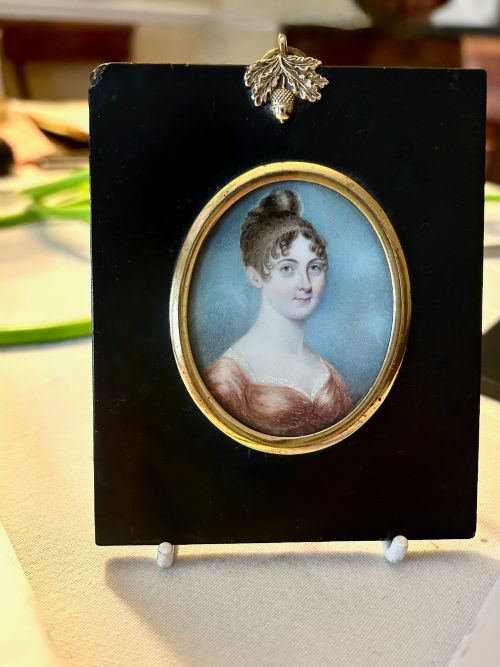
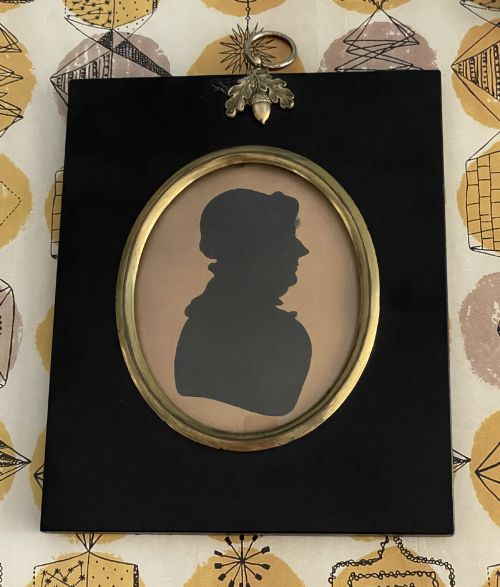
A brass hanger frame holds silhouette portraits and miniatures securely against the wall with unmistakable period character.
Brass Hanger Frame
A brass hanger frame is a specialised housing designed to display silhouette portraits, miniature watercolours, and profile art from the Georgian, Regency, and nineteenth-century periods. These pieces frequently contain hand-painted profiles or cut paper silhouettes mounted behind protective glass.
Buyers seeking a brass hanger frame will predominantly encounter nineteenth-century examples alongside Regency and Georgian pieces. The listings on this page showcase framed art, wall art, and portrait miniatures housed in brass fittings.
The objects preserved within these frames range from gilded silhouettes of Regency ladies to ebonised wood frames with distinctive brass suspension loops. Each piece offers a direct visual link to domestic portraiture of the past.
Materials and construction
The physical construction relies on durable brass combined with glass, paper, and occasionally ebonised wood or papier-mache. Artisans mounted delicate cut paper silhouettes or watercolour portraits on card directly behind glass to protect the pigment and paper from environmental wear.
Metalwork involved shaping brass into slender bezels and attaching integral suspension hangers for wall mounting. Frames frequently incorporate contrasting ebonised wood surrounds to accentuate the metallic gleam of the brass hanger and the stark monochrome of the silhouette.
Brass Hanger Frame Retail Price Guide 2026
Typical asking prices for brass hanger frame among the pieces listed under this phrase on Sellingantiques today, from the lower quarter to the upper quarter. They describe what is for sale here now, not the wider market.
Listings feature 19th Century, Regency, and Georgian periods utilising brass, glass, paper, ebonised wood, and watercolour materials.
Measures of quality
Quality in these pieces is dictated by the fineness of the portrait work and the crispness of the silhouette cutting. Fine brushwork in watercolour portraits or precise detail in painted silhouettes elevates an item above standard production.
The integrity of the brass frame and the clarity of the glass contribute significantly to the overall merit of the object. Surviving provenance also distinguishes exceptional pieces from anonymous domestic items.
James Gillespie·George Atkinson
The Brass Hanger Frame Glossary
- Silhouette
- A portrait profile filled in with a solid dark colour, usually cut from paper or painted on card or plaster. This technique became popular in the eighteenth and nineteenth centuries for capturing likenesses quickly and economically.
- Portrait miniature
- A small, highly detailed painting executed on card, vellum, or ivory. These portable artworks required immense skill and fine brushes to achieve intricate detail on a reduced scale.
- Ebonised wood
- Timber treated with a finish to imitate expensive ebony wood. This dark, polished material provides a stark visual contrast against brass mounts and light-coloured silhouette paper.
- Provenance
- The documented history and ownership lineage of an antique object. Good provenance establishes the authenticity and past context of portrait miniatures.
Brass Hanger Frame: Frequently Asked Questions
What is a brass hanger frame?
A brass hanger frame is a specialised wall-hanging display fixture designed to hold small portrait miniatures and paper silhouettes.
The metal loop at the top allowed these compact artworks to be suspended securely from picture nails in period interiors.
How were silhouettes created?
Silhouettes were typically produced by cutting profile likenesses from black paper or by painting portraits directly onto card or plaster.
Artists captured the subject in strict profile to emphasise the distinctive contours of the face and head.
What periods do these pieces date from?
The pieces span the Georgian, Regency, and nineteenth-century eras.
Most examples seen here belong to the nineteenth century, reflecting the peak of popularity for profile portraiture before the widespread adoption of photography.
How should I display them at home?
These framed portraits look best hung in small groupings on a wall where their delicate scale can be appreciated up close.
Avoid placing them in direct sunlight to protect the fragile paper, watercolours, and pigments inside the glass.