
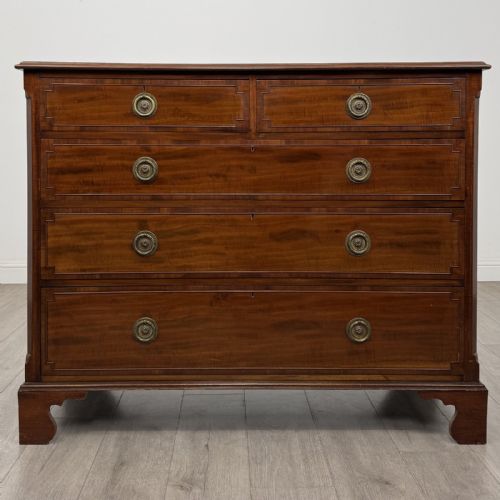
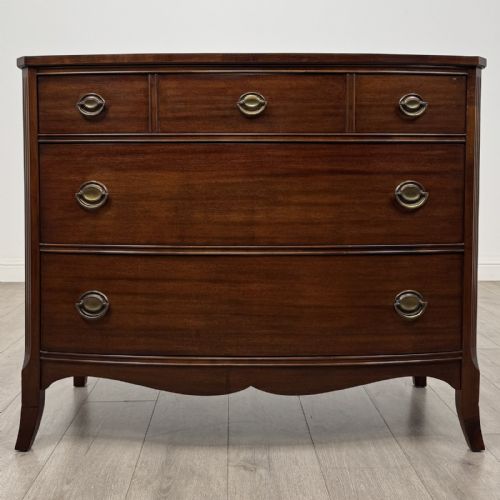
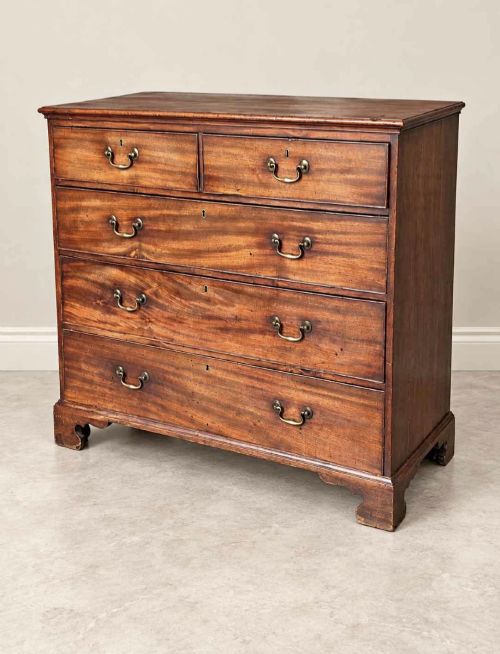
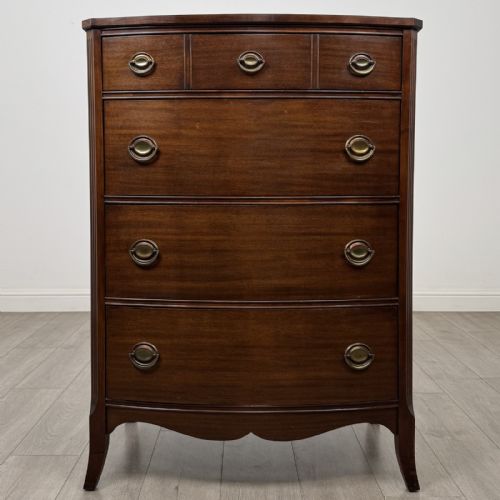
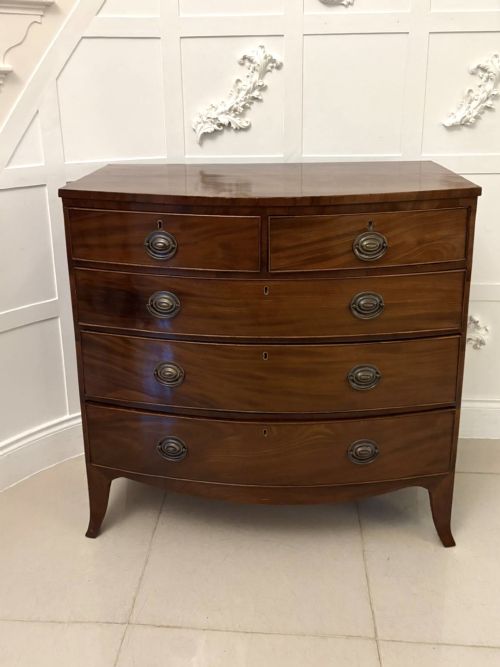
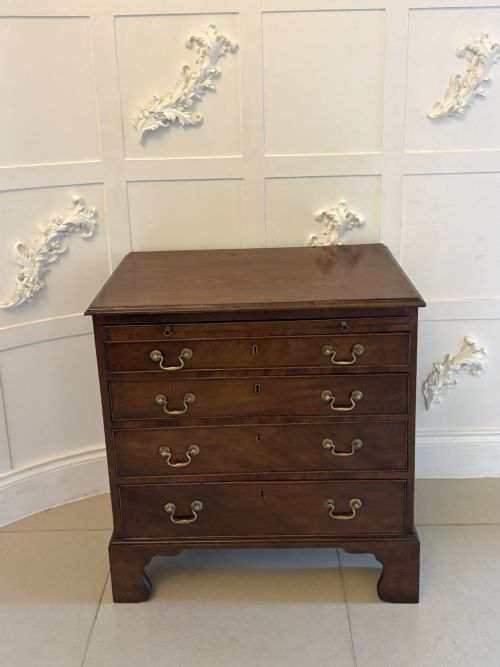
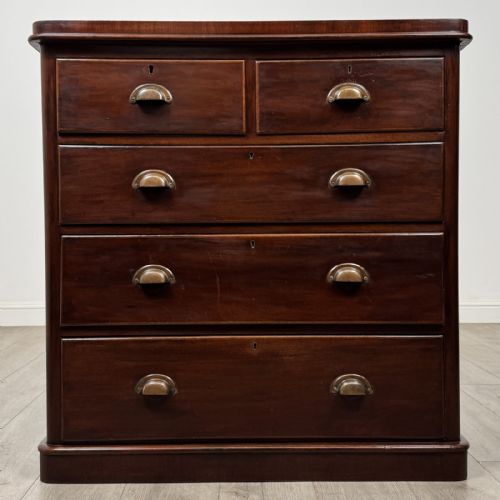
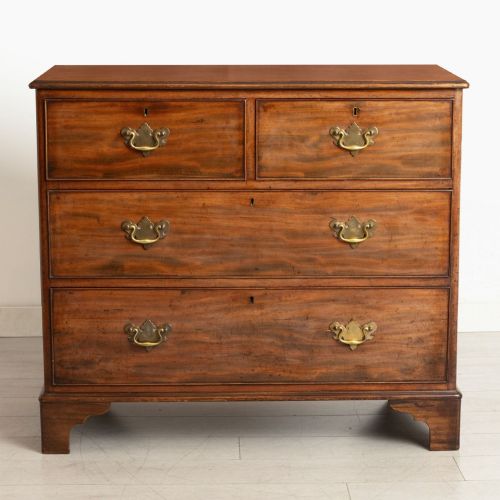
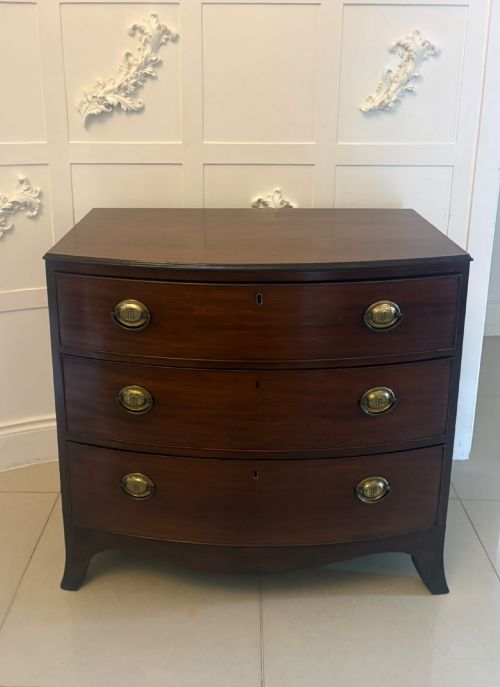
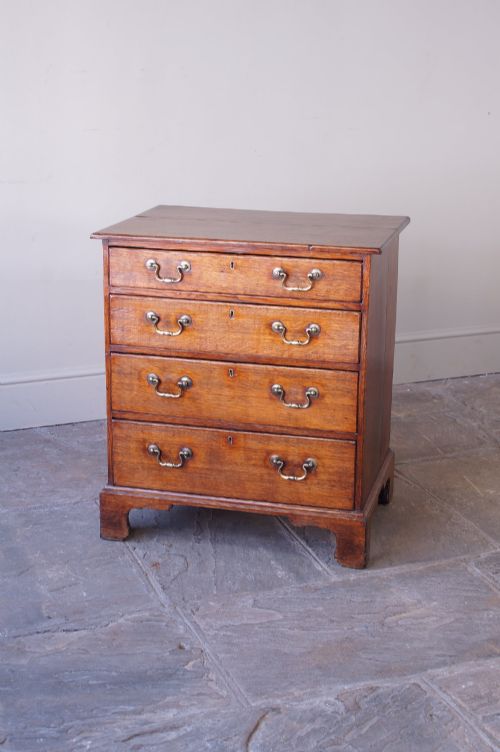
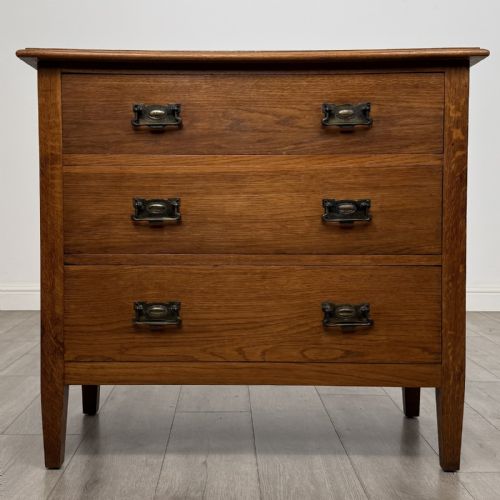
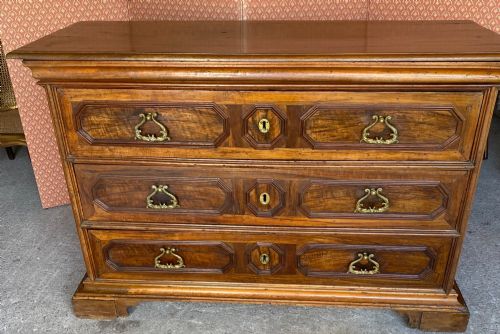
Brass Handled Commode
A brass handled commode is a sturdy storage chest built from rich timber, prized for enduring utility and warm metallic detail.
Brass Handled Commode
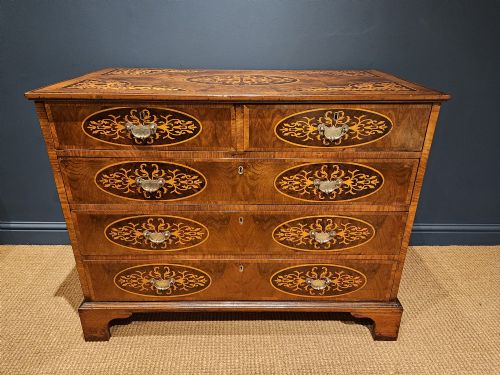
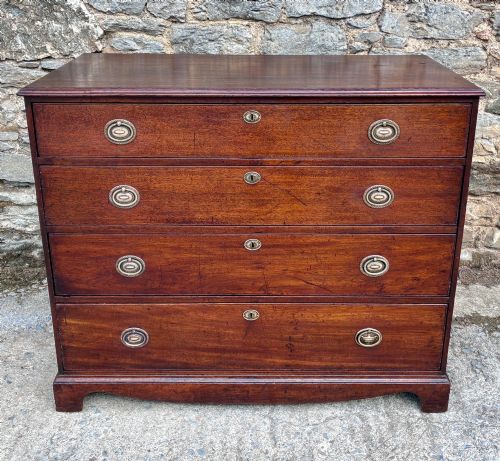
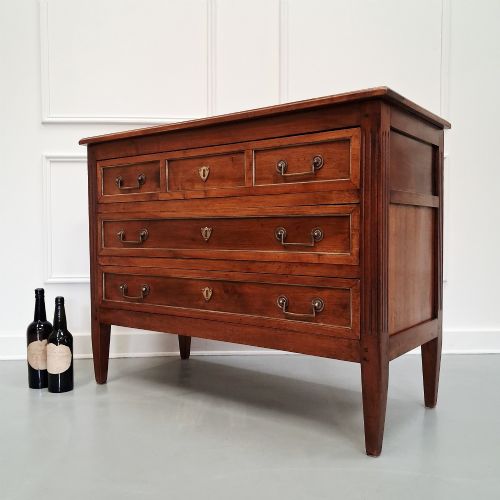
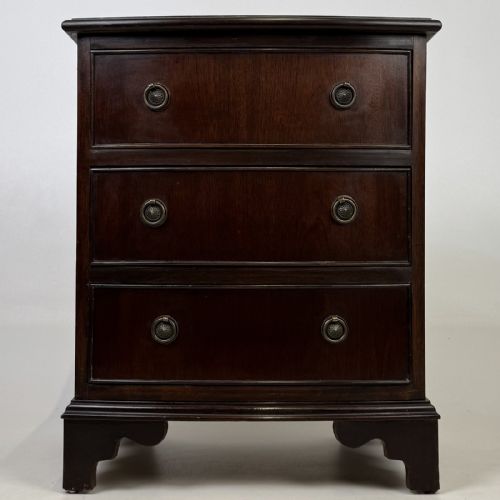
A brass handled commode typically takes the form of a chest of drawers, serving as practical bedroom or hallway furniture from earlier centuries. When searching for a brass handled commode, buyers encounter robust timber drawer units spanning the Georgian, Victorian and Edwardian periods.
The materials span solid mahogany, oak, walnut and occasional satinwood, often shaped into bow front profiles or straight lines. Many pieces originate from Georgian workshops, alongside later 19th-century interpretations and Edwardian variations.
Standard formats include four-drawer configurations, smaller bedside proportions, and larger chest designs equipped with brushing slides or secret compartments. These utilitarian items combine deep storage capacity with classic proportions.
How they were made
Makers utilised dense timbers such as mahogany, oak and walnut, frequently applying flame mahogany veneer or burr walnut across primary surfaces to create striking grain patterns. Carcases relied on solid secondary woods for internal framing and drawer linings.
Hardware consists primarily of cast or stamped brass handles, secured through drawer fronts to complement the dark tones of the polished timber. Construction methods involved traditional joinery, dovetail drawer joints and bracket or plinth feet.
Some chests hide sliding shelves or secret drawers intended for keeping private letters safe from prying eyes.
What varies in quality
Distinctions in quality rest on the selection of timber figure, such as highly figured walnut or premium Cuban mahogany, paired with crispness in the cabinetmaker's joinery. Superior examples display balanced proportions, undisturbed patination, and original brass hardware that matches the period of the carcase.
Lesser pieces may exhibit replacement handles, heavy timber repairs, or plain secondary veneers that lack the depth and warmth found in top-tier workshop productions.
The Brass Handled Commode Glossary
- Bow front
- A cabinet front that curves outward in a convex shape, common in Georgian and Regency chest designs. This profile adds visual movement to heavy timber furniture.
- Brushing slide
- A pull-out shelf integrated above the top drawer of a chest, historically used for folding garments or grooming. It slides flush into the frame when not in use.
- Bracket feet
- Small, architectural feet supporting the bottom corners of a chest, often shaped with simple curves or mitred joints. They lift the carcase slightly off the floor.
- Figured mahogany
- Timber sawn to highlight swirling, mottled or flame-like grain patterns beneath the polished surface. This decorative veneer elevates the visual appeal of standard drawer fronts.
- Dovetail
- An interlocking joint used at the corners of drawers, prized for tensile strength and durability. Fine, closely spaced pins indicate skilled hand-cut construction.
Brass Handled Commode: Frequently Asked Questions
What is a brass handled commode?
A brass handled commode is a traditional chest of drawers constructed from timbers like mahogany, oak or walnut, outfitted with metal pulls.
These pieces function primarily as storage furniture, offering deep drawers for clothing and household items while serving as decorative focal points.
How do I date an old chest of drawers?
Dating relies on examining the construction methods, secondary woods, timber grain, and hardware style present on the carcase.
Georgian and 18th-century pieces often display hand-cut dovetails and bracket feet, whereas Victorian and Edwardian examples utilise machine-sawn elements and different handle designs.
Where should I place a commode at home?
These chests fit well in bedrooms as primary storage units or in hallways and living rooms as decorative surface tables.
The sturdy timber top provides ample space for lamps, mirrors or ornaments while keeping stored belongings concealed below.
Are these chests suitable for daily use?
Solid timber chests of drawers are built to withstand regular handling, with robust joinery and durable drawer construction.
Routine maintenance involves gentle polishing to preserve the timber finish and checking that drawer runners remain clear of obstructions.