


Brass Handle Stove
A brass handle stove brings domestic warmth and folk craftsmanship into a room, offering tactile metalwork and traditional timber construction.
Brass Handle Stove
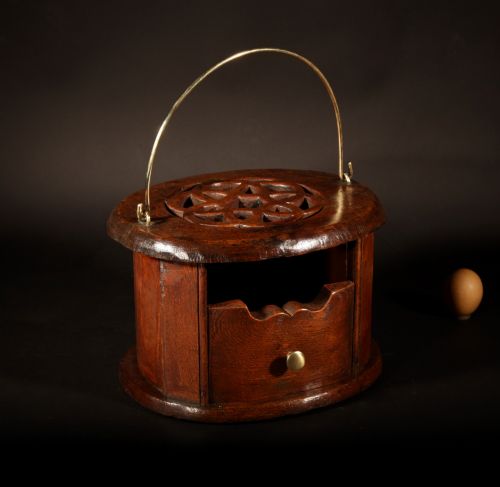
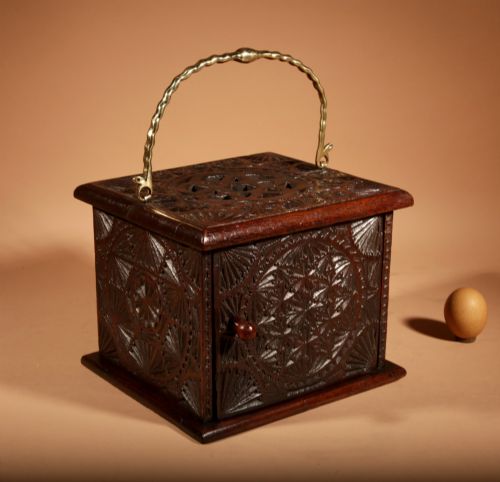
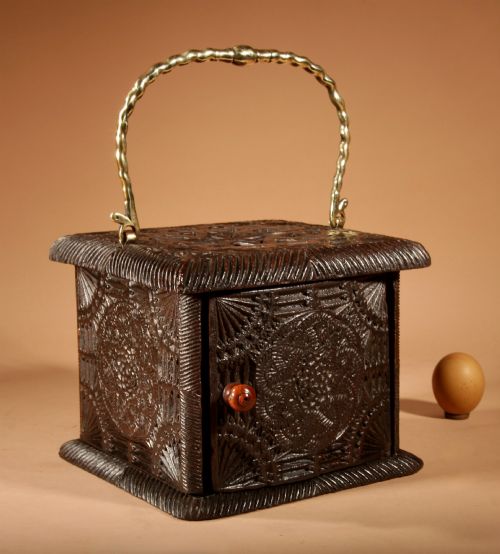
A brass handle stove generally refers to domestic heating vessels and foot warmers originating from the eighteenth and nineteenth centuries, often rendered in oak or copper. Buyers seeking a brass handle stove encounter regional Dutch and Frisian folk art examples alongside Georgian and Victorian pieces.
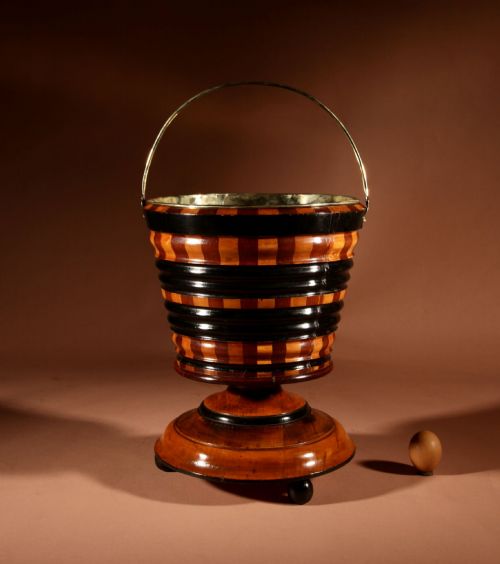
The selection ranges from chip-carved wooden foot stoves featuring geometric motifs to coopered tea buckets and classical metal kettles. These objects represent domestic hearth life across various European traditions.
Materials and construction methods
Carpenters constructed wooden foot stoves using solid oak or walnut, frequently applying intricate chip carving or carving top panels with traditional patterns such as the Turkish Knot. Coopered vessels utilised staves of wood bound together to form miniature buckets and jardinières.
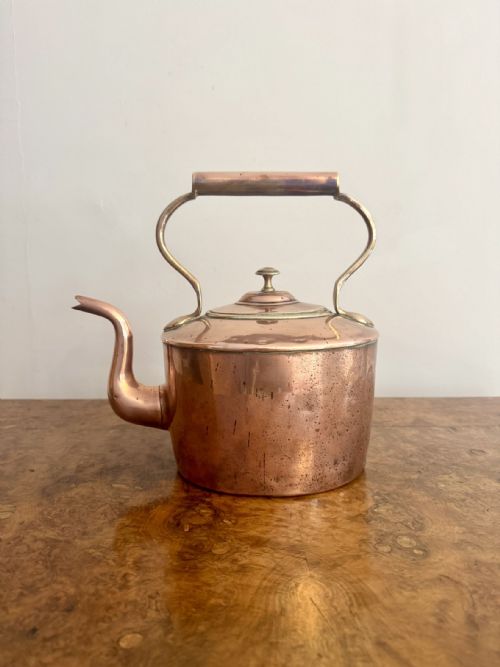
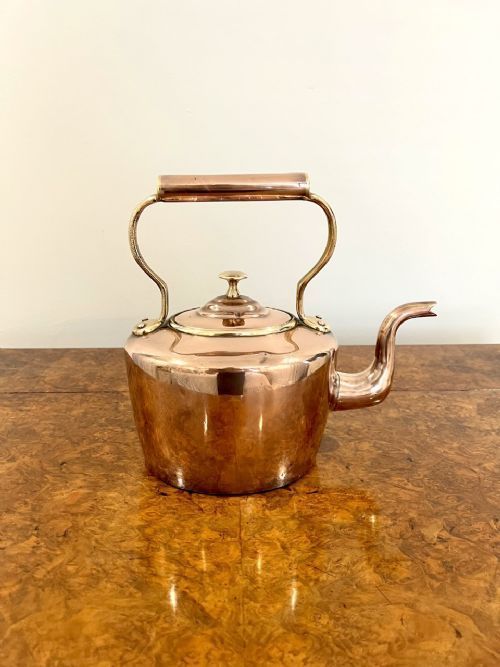
Metal items combined hammered copper bodies with sturdy brass handles and attachments. Makers shaped sheets of copper by hand, joining seams securely to hold hot water or embers.
The listings span from the eighteenth century through the Victorian era, combining oak, walnut, copper, and brass.
Evaluating the craftsmanship
Quality depends upon the crispness of the hand-carved decoration on wooden panels and the integrity of the coopered staves. Superior examples display deep, deliberate chisel work rather than shallow or hasty incisions.
Metalwork quality shows in the weight of the copper and the secure mounting of the brass fittings. Items with intact original handles and well-formed spouts or rims represent the higher standard of surviving pieces.
The Brass Handle Stove Glossary
- Foot stove
- A small portable wooden box containing an earthen pan for hot embers, used to warm the feet in cold buildings. These items often feature pierced wooden covers to let heat escape.
- Coopered
- Constructed using narrow wooden staves bound together with hoops, similar to barrel-making. This technique shaped tea buckets and jardinières.
- Chip carving
- A style of relief carving where small chips are removed from a wooden surface with a knife or chisel to create geometric patterns. Frisian pieces frequently display this technique.
- Jardinière
- An ornamental pot or receptacle for holding plants or flowers. In this selection, coopered wooden buckets sometimes served this dual purpose.
- Turkish Knot
- A traditional geometric motif carved onto wooden surfaces. It appears in the decorative carving on certain nineteenth-century foot stoves.
Brass Handle Stove: Frequently Asked Questions
What is a foot stove?
A foot stove is a small wooden box designed to hold a pan of hot embers or coals inside a home or church. People placed their feet on top of the pierced wooden lid to stay warm during winter.
Over time, these pieces shifted from utility objects into decorative items collected for their folk carving and metal mounts.
How were copper kettles used?
Copper kettles sat directly on hearths or near coal fires to heat water for tea and household washing. Their brass handles allowed safe lifting while full of boiling water.
In many interiors, these kettles now serve as decorative metal accents beside fireplaces.
What is a coopered tea bucket?
A coopered tea bucket is a small wooden vessel built with curved staves and metal bands by a cooper. They stored peat or served as decorative containers near the tea table.
These pieces combine wood and brass materials in a compact, barrel-like form.
How do I date an oak foot stove?
Dating relies on the style of chip carving, the type of timber used, and construction methods like hand-cut nails or joinery. Eighteenth-century pieces often show distinct regional folk motifs.
Comparing the wear patterns and wood patination against known period examples helps narrow the decade of origin.