
Brass Handle Credenza
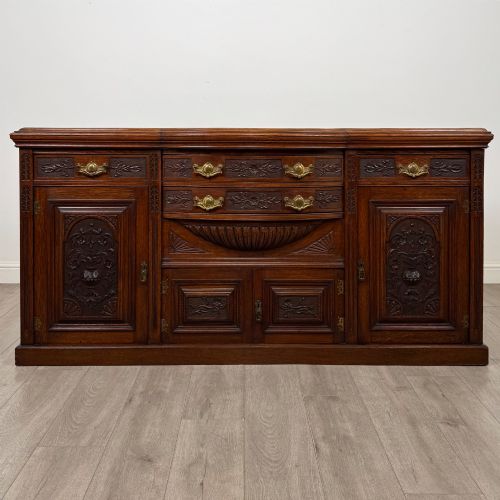
A brass handle credenza brings together solid timbers and functional storage, offering a traditional centrepiece for dining rooms and hallways.
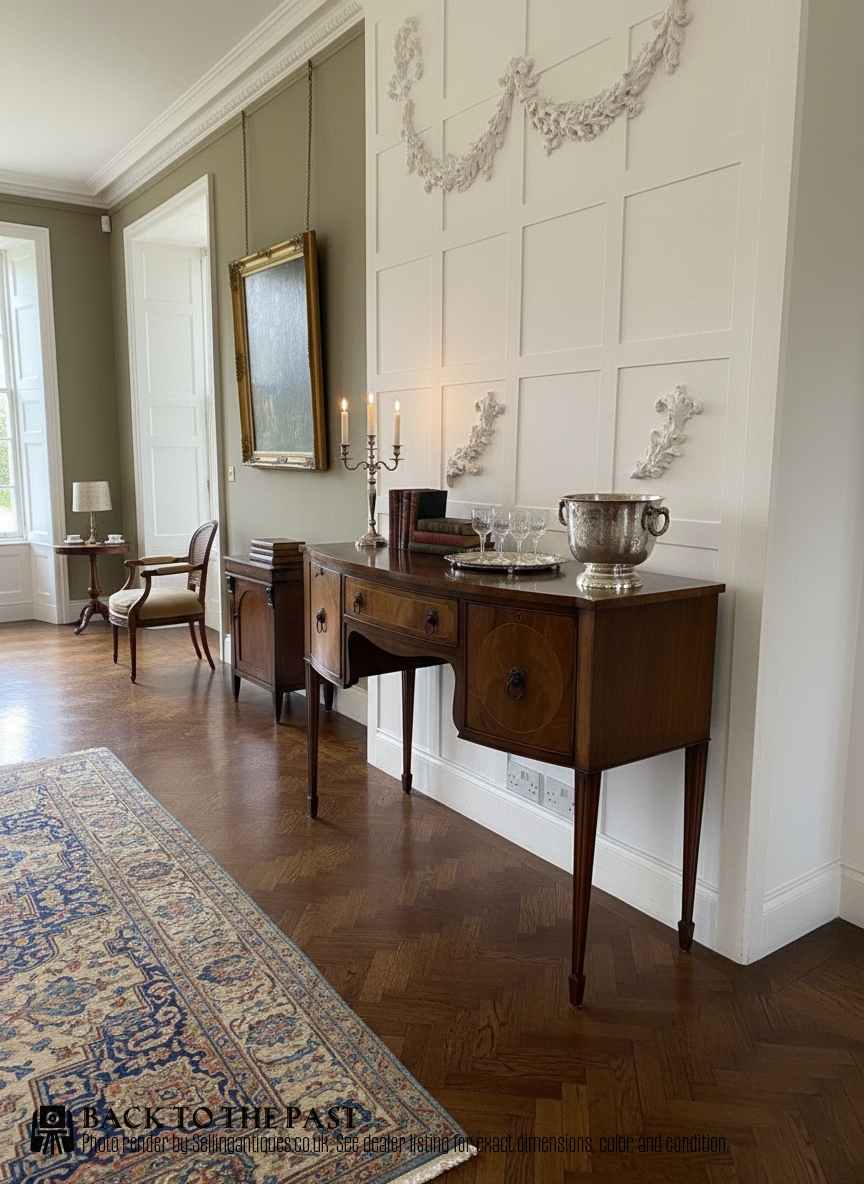
Brass Handle Credenza
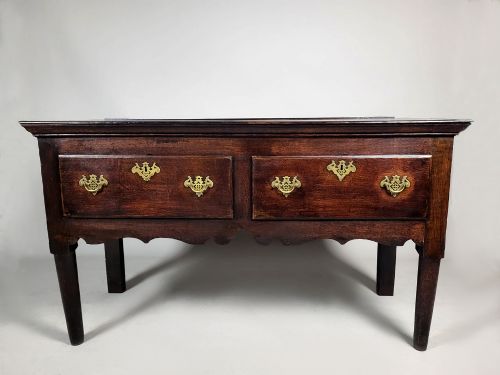
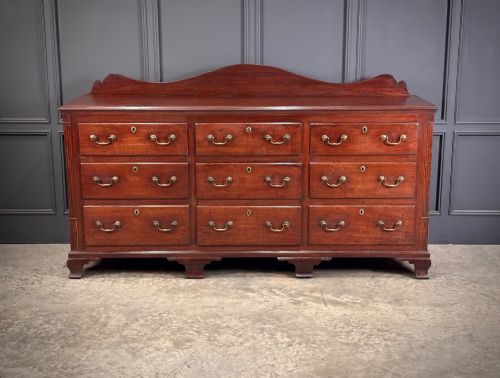
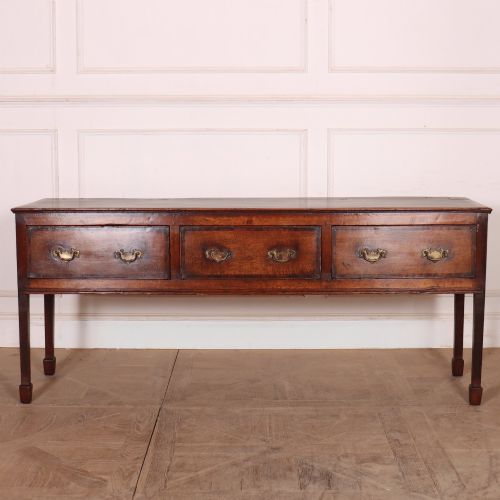
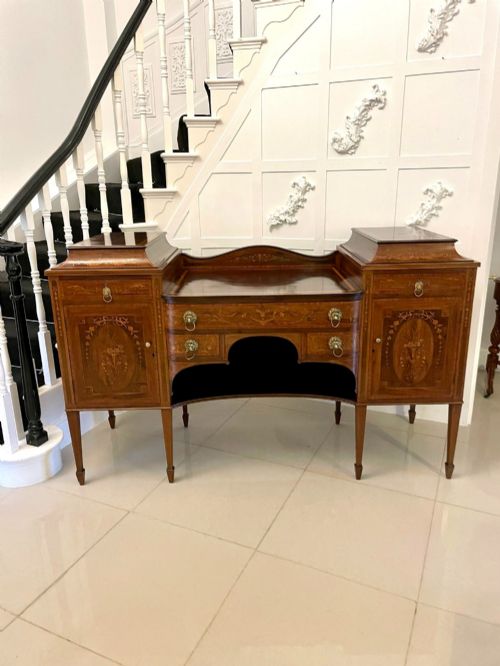
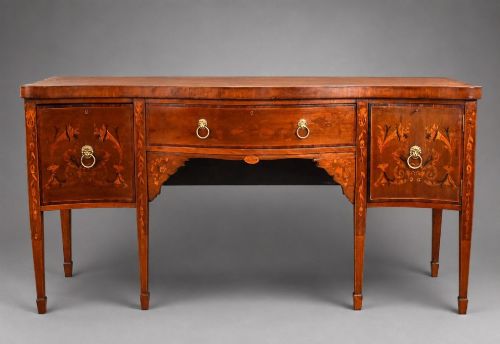
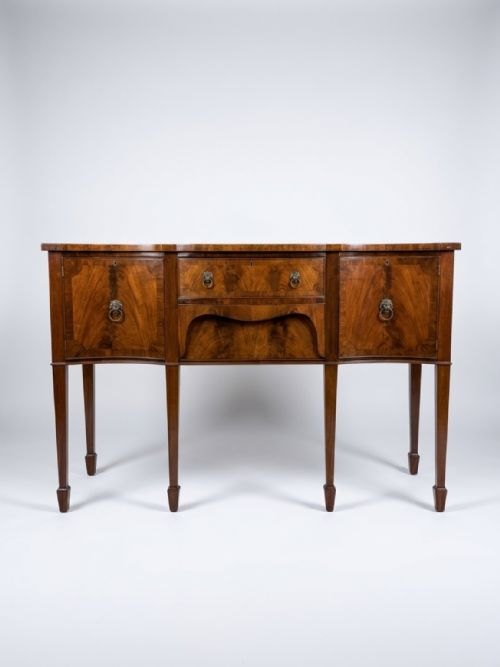
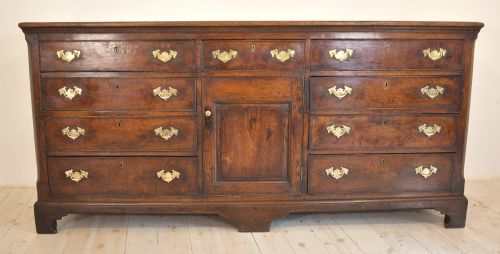
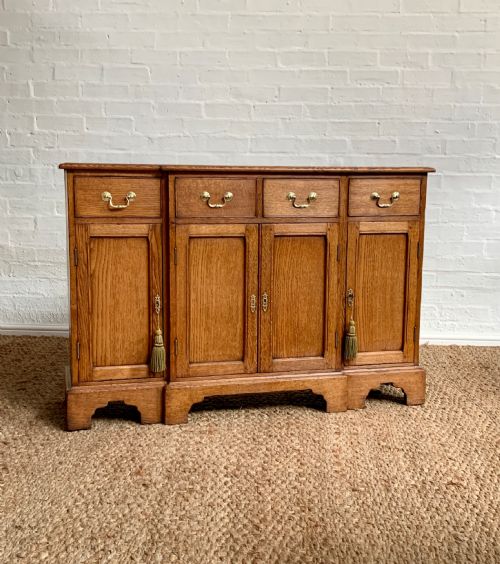
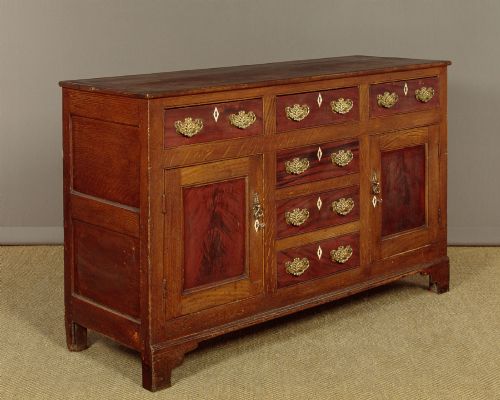
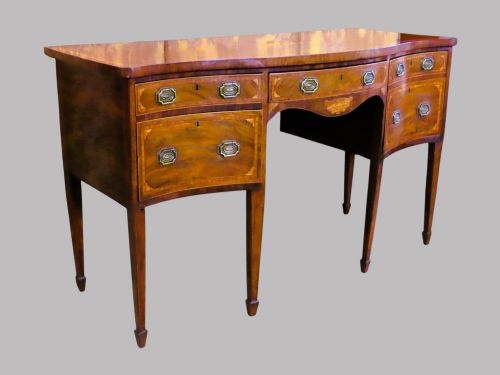
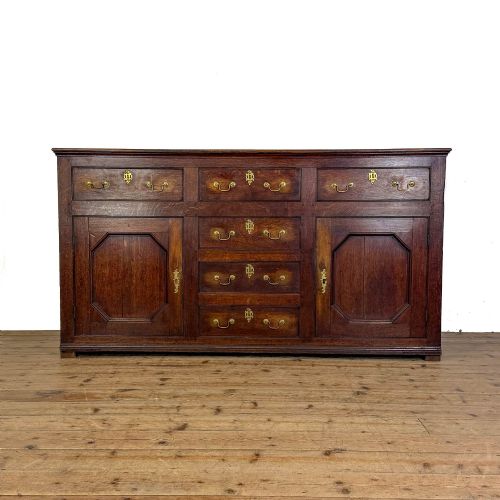
The assortment on this page draws heavily from the Georgian, Regency, and Victorian eras, alongside robust 18th-century country pieces. You will find forms ranging from simple oak dresser bases to serpentine-fronted mahogany sideboards and inlaid servers fitted with metal handles and mounts.
Makers and workshops of the 18th and 19th centuries built these items for domestic utility, providing deep drawers and cupboards for dining ware and household linen. Today, buyers select them to anchor a room with period character and dependable storage capacity.
Materials and construction methods
Cabinet makers relied primarily on dense hardwoods such as mahogany and oak, supplemented by walnut, pine, and exotic veneers. Surfaces frequently feature decorative boxwood inlay and marquetry work, contrasting light wood against dark ground timbers.
Construction involved sturdy joinery techniques, using solid timber carcases, panelled doors, and dovetailed drawer boxes built to withstand heavy daily use. Metal hardware, including brass handles, backplates, and occasional galleries, was cast and fitted to secure the doors and pull open the drawers.
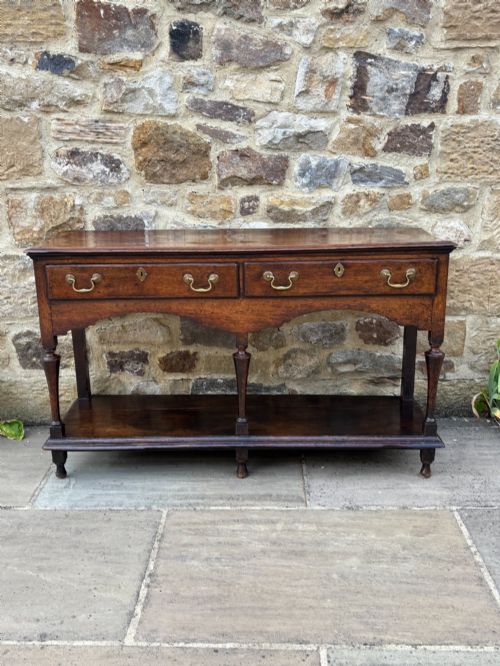
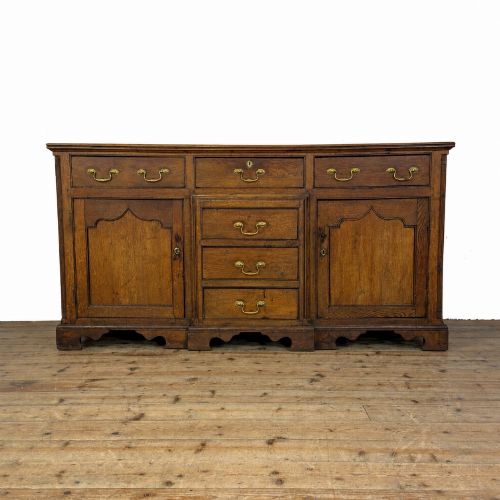
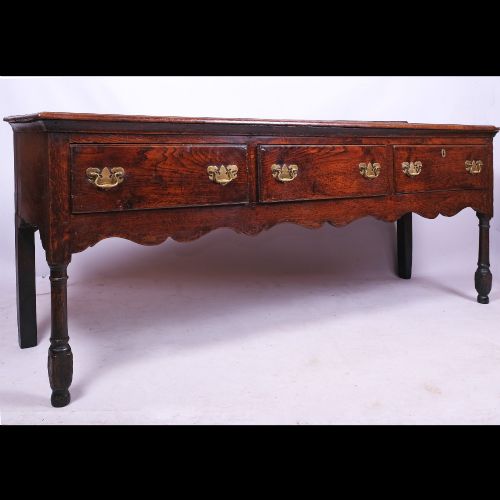
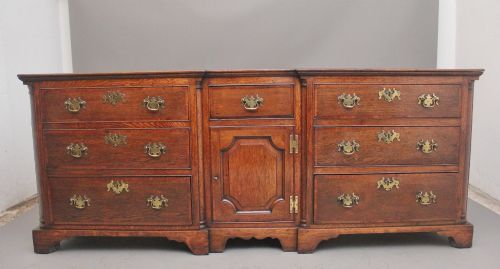
Several pieces preserve their original brass drop handles, having opened countless drawers since the Georgian era.
Factors determining quality
The calibre of a piece rests on the selection of the timber and the crispness of its hand-carved or inlaid details. Finer examples display carefully chosen grain patterns, such as figured mahogany or quarter-sawn oak, matched symmetrically across the front drawers and doors.
Construction standards also set the finer items apart, evident in the tightness of the dovetails and the retention of original brass handles and backplates. Pieces that maintain their structural integrity without heavy timber replacement command greater appreciation among collectors.
Hewetsons London·Collinson and Lock London·Gillows
The Brass Handle Credenza Glossary
- Dresser base
- A low wooden storage cabinet featuring drawers and cupboards, traditionally used in the kitchen or dining room for tableware. These pieces lack the upper plate rack of a full kitchen dresser.
- Serpentine sideboard
- A dining room storage unit with a gently undulating front profile that curves outward at the centre and inward at the ends. This sophisticated shape gained popularity during the Georgian period.
- Bow front
- A convex curved cabinet front that projects outward in a smooth arc. It frequently appears on Regency and Georgian mahogany sideboards.
- Inlay
- A decorative technique where thin pieces of contrasting timber, such as boxwood or satinwood, are set into recesses flush with the main wood surface. It creates geometric borders and pictorial motifs.
- Marquetry
- An elaborate form of inlay that assembles complex veneers to form pictorial designs across cabinet doors and drawer fronts. It requires high skill from the cabinet maker.
Brass Handle Credenza: Frequently Asked Questions
What is a dresser base?
A dresser base is a heavy wooden cabinet equipped with multiple drawers and lower cupboards designed for household storage. Unlike tall kitchen dressers, these low units served as sideboards in traditional homes.
They provide a flat top surface and ample internal space, making them practical for modern living rooms and dining areas.
Where were these cabinets used?
These storage pieces originated in grand dining rooms, kitchens, and parlours to house heavy silver, linens, and serving dishes. Their sturdy construction allowed them to function as serving tables during large meals.
Today, they transition easily into hallways, living rooms, and open-plan kitchens as media consoles or side cabinets.
How do I care for antique timber?
Protect antique wood by placing it away from direct sunlight and sudden temperature changes, which can cause the timber to split or warp. Regular dusting with a soft, dry cloth maintains the finish without needing harsh polishes.
Applying a traditional beeswax occasionally helps nourish dry hardwoods and preserves their natural lustre.