


Brass Gothic Pendant Light
A brass gothic pendant light brings medieval verticality and warm metallic reflection into high-ceilinged rooms.
Brass Gothic Pendant Light
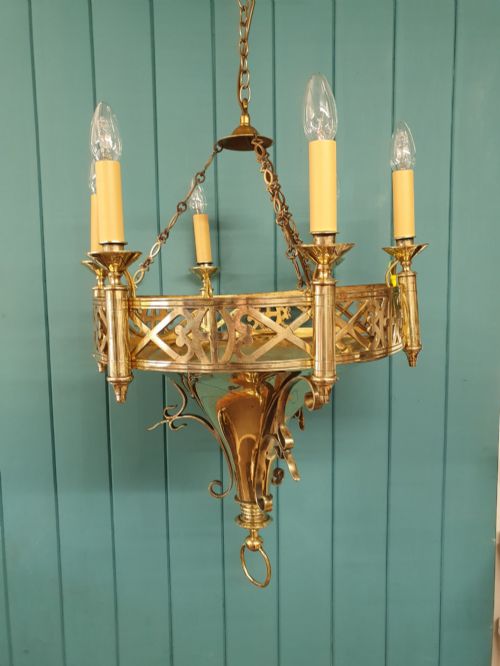
A brass gothic pendant light brings architectural weight and ecclesiastical character to domestic interiors, drawing on medieval forms adapted for nineteenth and early twentieth-century homes. When you search for this phrase, you encounter hanging lanterns, multi-branch chandeliers, and hall lights executed in styles ranging from Victorian Gothic to Arts and Crafts.
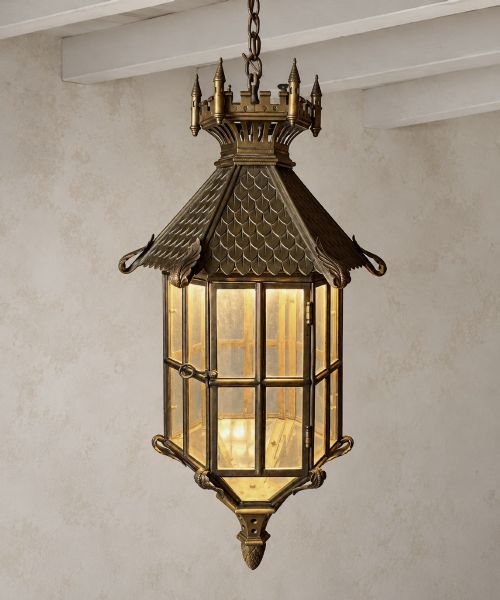
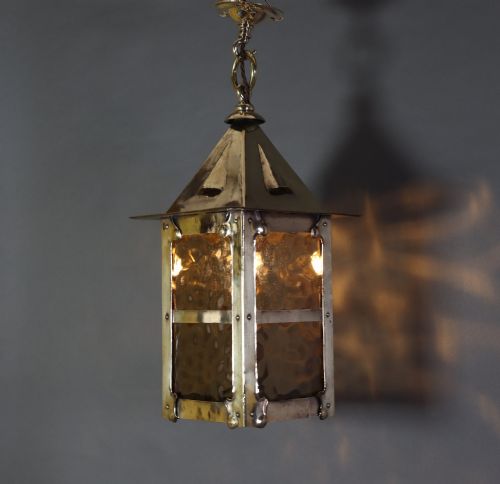
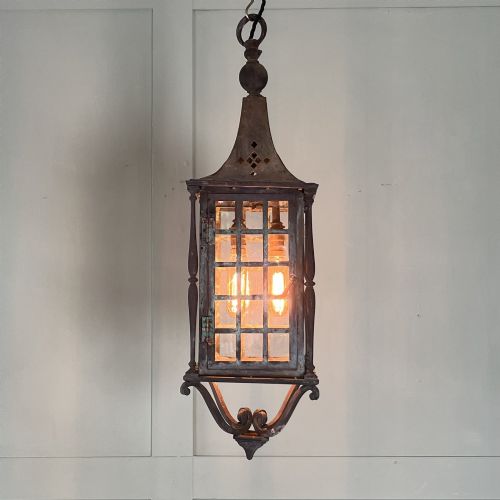
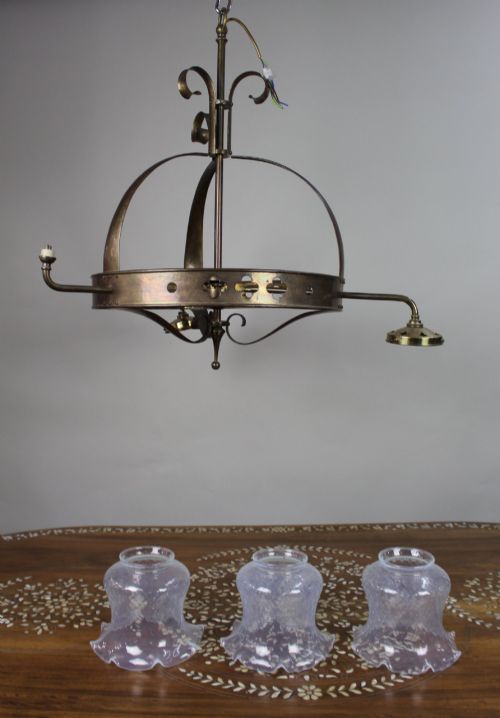
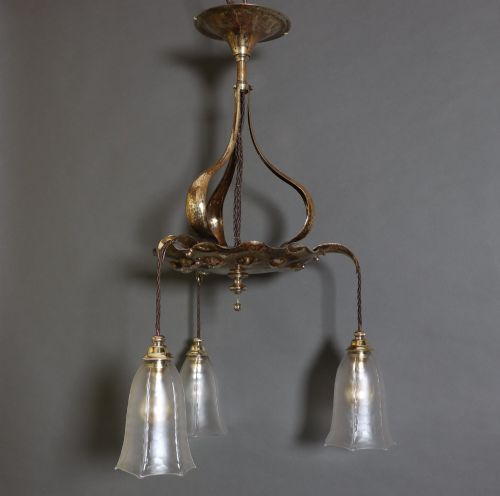
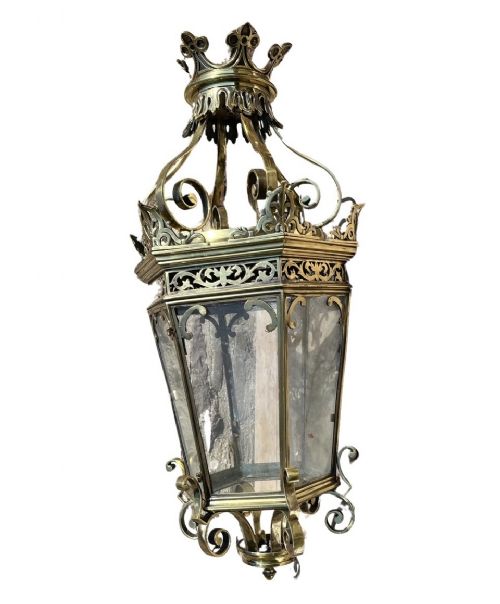
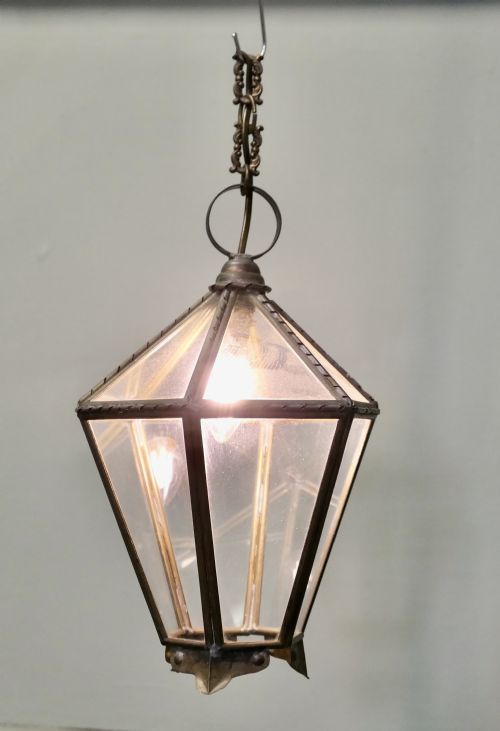
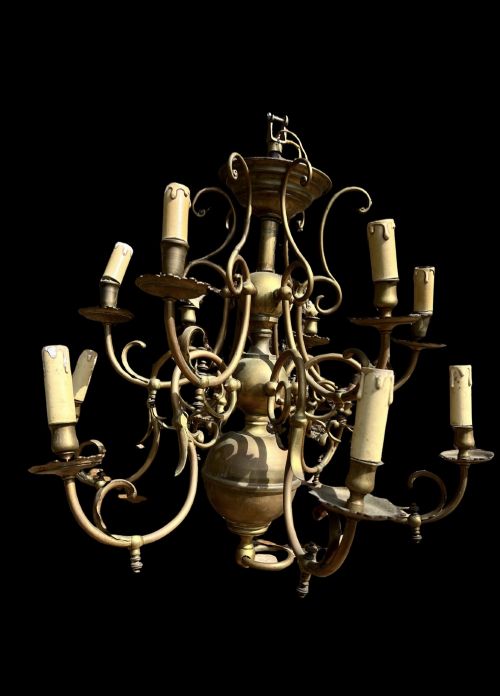
The pieces on this page span the Victorian, Edwardian, and nineteenth-century periods, alongside distinct iterations from the Arts and Crafts movement. You will find hexagonal lanterns, gasoliers converted for electricity, and multi-branch candelabra chandeliers displaying pointed arches and tracery details.
Most examples originate from British, French, and Belgian workshops, shifting from heavy ecclesiastical gasoliers to domestic hall lanterns and star-shaped glass fixtures. These ceiling lights serve as central focal points in entrance halls, stairwells, and principal reception rooms.
How they were made
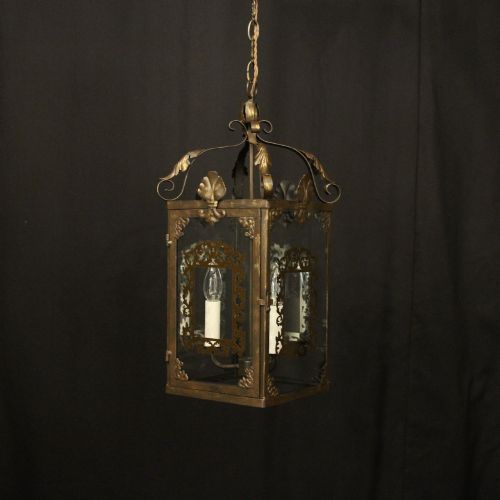
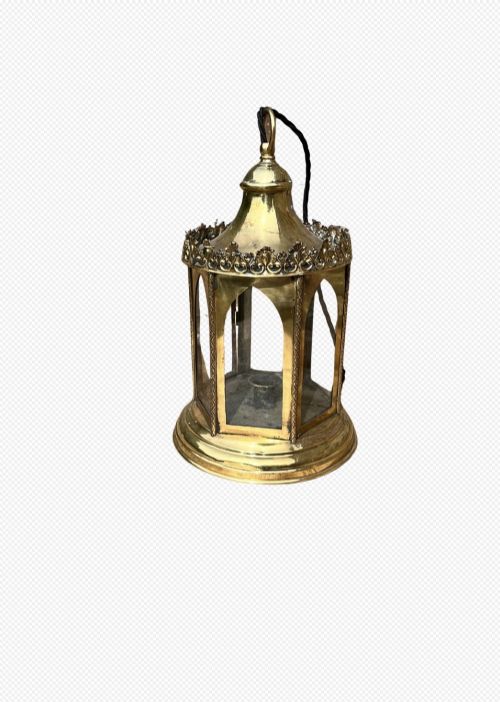
Workshops constructed these fixtures primarily from cast and sheet brass, frequently augmented by gilt brass, bronze, and wrought iron elements to provide structural contrast. Metal components were shaped through casting, spinning, and hand-soldering, creating rigid frames designed to support heavy glass panels.
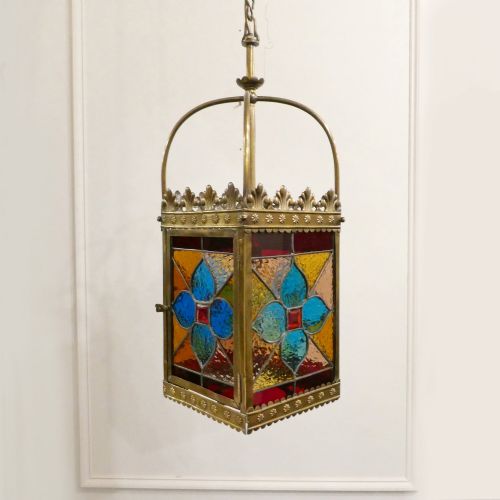
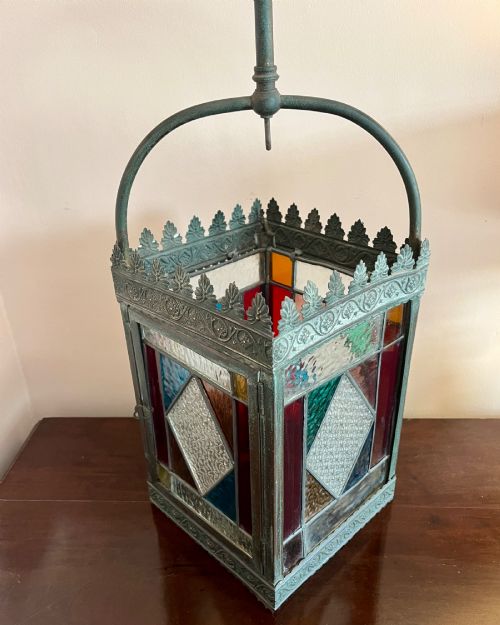
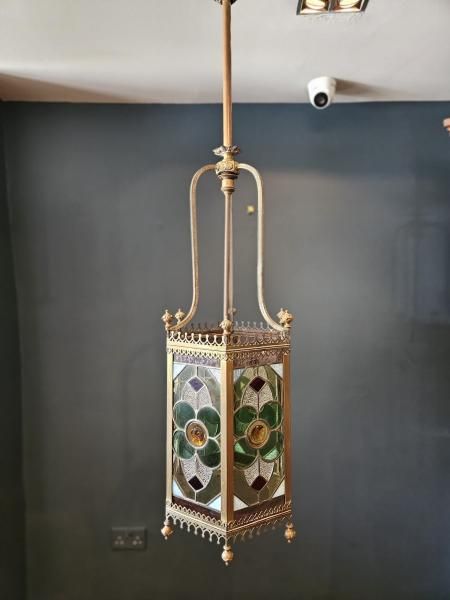
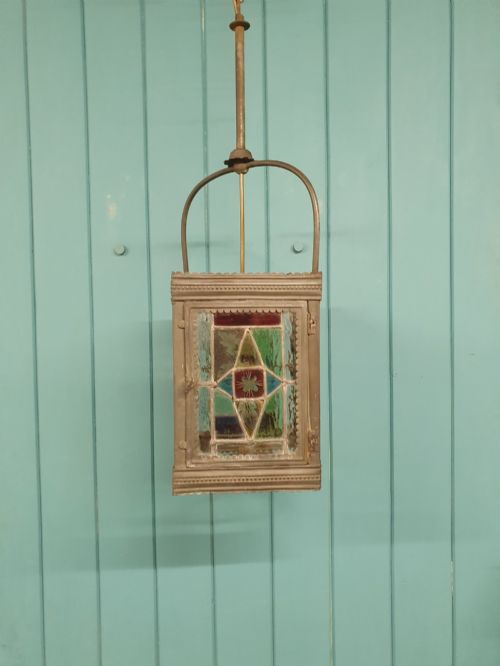
Glazing played an integral structural and decorative role, incorporating leaded glass, hand-blown bullseye panes, opalescent glass, and coloured glass segments. Artisans held these glass sections within metal cames or hinged doors, allowing access for maintenance while maintaining structural integrity.
Lighting mechanisms evolved across the periods represented, moving from early gas fittings and multi-light gasoliers to later electric conversions and dedicated bulb holders. Metalwork finishes varied from polished brass to patinated bronze and gilded surfaces, reflecting period preferences for dark metals or bright metallic lustre.
Brass Gothic Pendant Light Retail Price Guide 2026
Typical asking prices for brass gothic pendant light among the pieces listed under this phrase on Sellingantiques today, from the lower quarter to the upper quarter. They describe what is for sale here now, not the wider market.
The selection spans the nineteenth and early twentieth centuries, uniting Victorian Gothic, Edwardian, and Arts and Crafts aesthetics in brass and glass.
What varies in quality
Quality reveals itself in the crispness of the cast brass detailing and the architectural precision of the gothic tracery. Finer pieces demonstrate meticulous hand-fitting of leaded or blown glass panels within robust, well-engineered metal frames.
The integrity of the metalwork distinguishes standard production from exceptional examples, seen in substantial gauge brass, secure joints, and well-balanced proportions. Superior lanterns and chandeliers incorporate original suspension hardware, intact decorative hinges, and harmonious combinations of bronze and gilt brass.
Joseph Wilmotte
The Brass Gothic Pendant Light Glossary
- Gasolier
- A branched gas chandelier suspended from the ceiling to hold multiple burners. Many surviving examples have since been converted to electricity.
- Opalescent glass
- A milky, semi-translucent glass that diffuses light softly. It appears frequently in period shades and panels to reduce glare.
- Tracery
- Openwork ornamentation resembling stonework patterns found in gothic windows. This geometric motif defines the structural framework of many lanterns.
- Bullseye glass
- A round pane with a pronounced centre swirl produced during traditional glass blowing. It distorts light and adds texture to lantern doors.
- Came
- A slender strip of lead with a grooved channel used to hold individual glass pieces together. Leaded construction forms the body of many hanging lights.
Brass Gothic Pendant Light: Frequently Asked Questions
How do I hang a heavy brass chandelier?
These fixtures require direct anchoring to ceiling joists using a steel support box and load-bearing hardware. The weight of cast brass and glass demands professional installation to ensure structural security.
Position the pendant at a height that clears household traffic while remaining visually anchored to the room's proportions, particularly in stairwells and high halls.
Are these lights wired for modern electricity?
Many period fixtures arrive with historical wiring or previous gas conversions that require rewiring by a qualified electrician. Modern safety standards necessitate updating internal components while retaining the original exterior metalwork.
Consult a specialist to ensure the lamp holders and internal cabling comply with current regulations without altering the antique housing.
How do I clean antique brass and glass?
Dust the metal surfaces gently with a soft, dry cloth to preserve existing patination and finish. Avoid abrasive commercial cleaners that strip historical surface treatments.
Clean glass panels with a mild detergent solution applied to a cloth rather than sprayed directly onto the fixture, protecting the surrounding metal and lead cames.
How do I tell Victorian gothic from Arts and Crafts?
Victorian gothic pieces emphasise heavy architectural elements, pointed arches, and ecclesiastical formality in cast brass and bronze. They often feature intricate tracery and gasolier configurations.
Arts and Crafts examples favour simplified construction, hand-beaten surfaces, and honest materials inspired by vernacular design. They prioritize utility and straightforward joinery over ornate church-style decoration.