
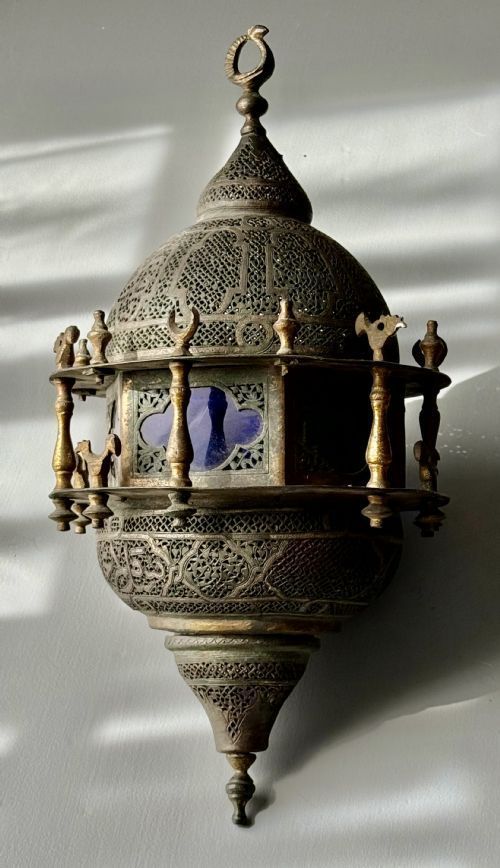
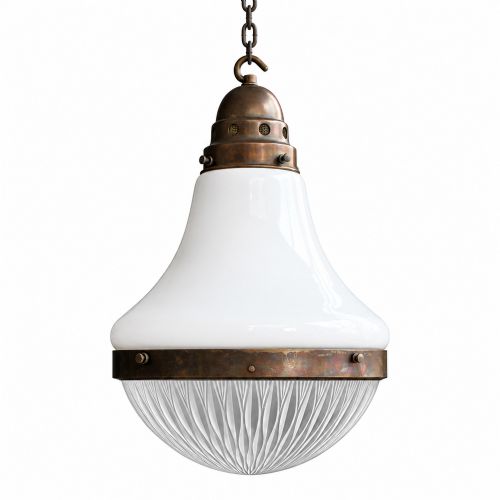
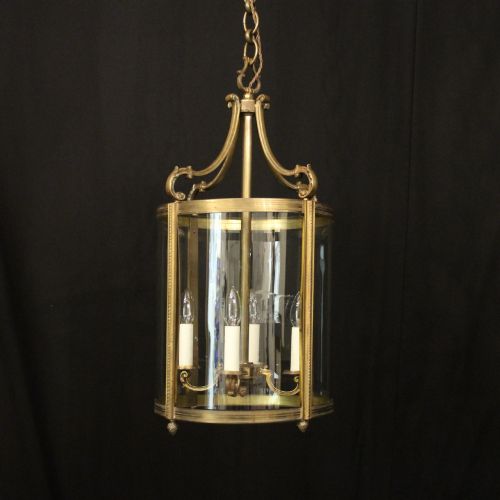

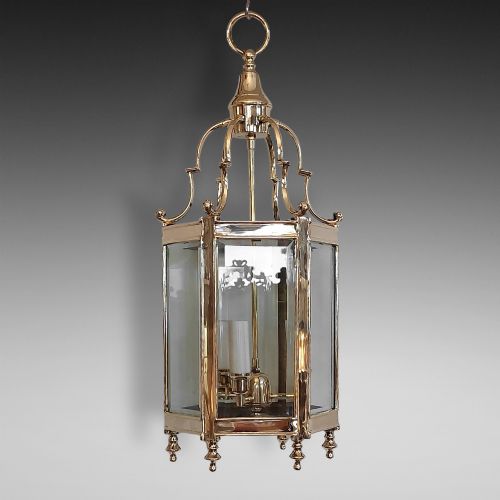
Brass Glass Ceiling Lantern
A brass glass ceiling lantern brings a focused, warm glow to an entrance hall, combining metalwork and glass from periods spanning the nineteenth century to the art deco era.
Brass Glass Ceiling Lantern
When you examine a brass glass ceiling lantern, you find hanging light fixtures designed primarily for hallways, porches, and grand entryways. The selections range from compact single-light fixtures to monumental multi-light examples suitable for high ceilings.
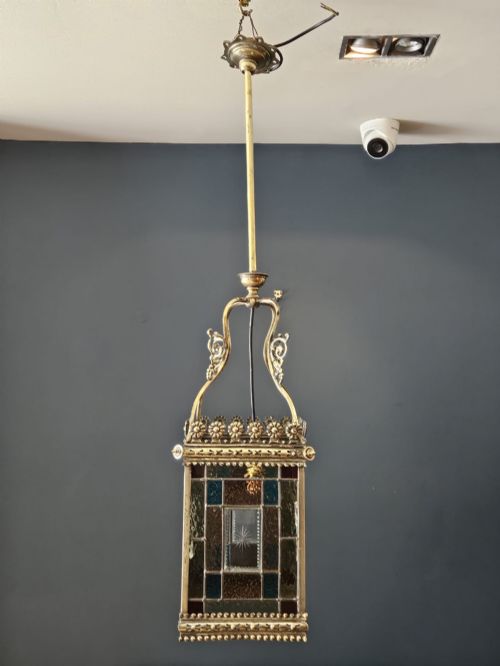
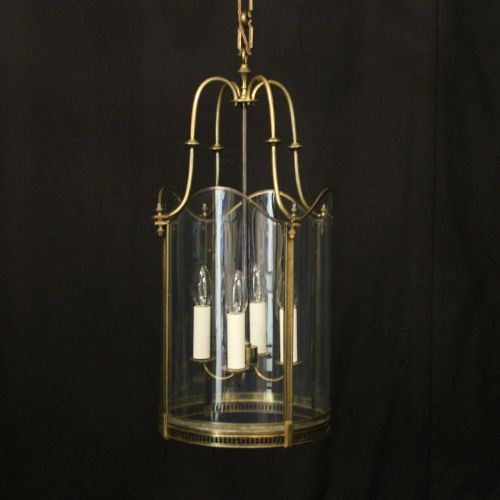
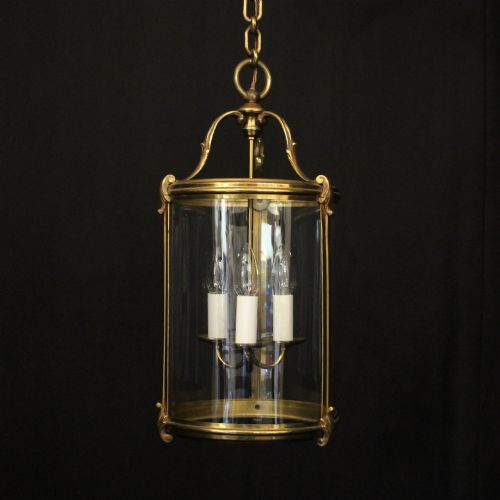
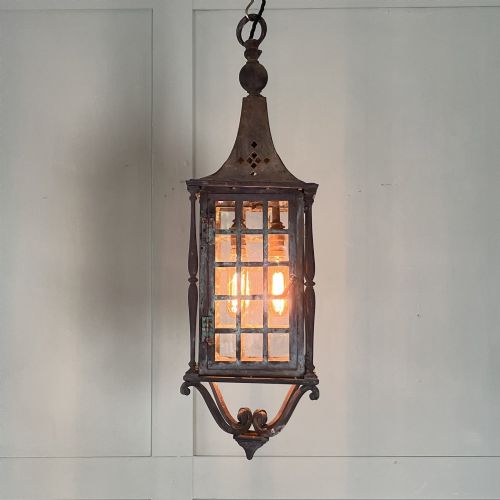
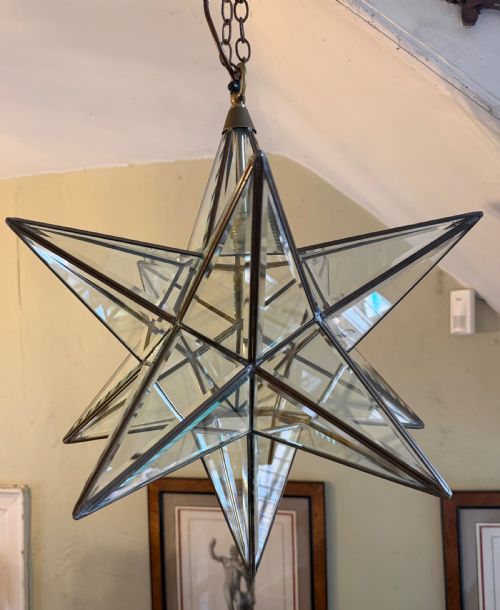
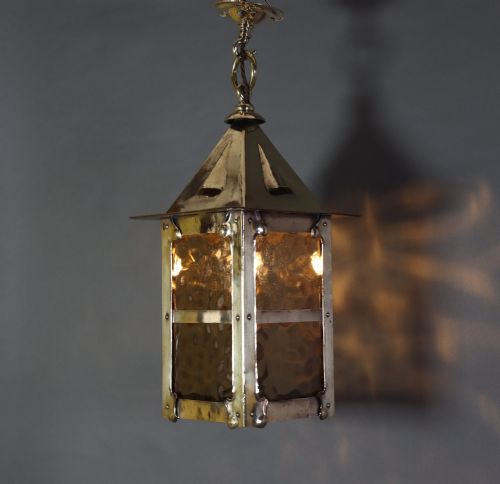
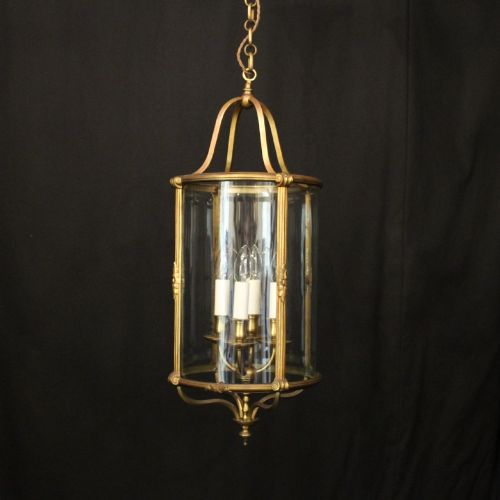
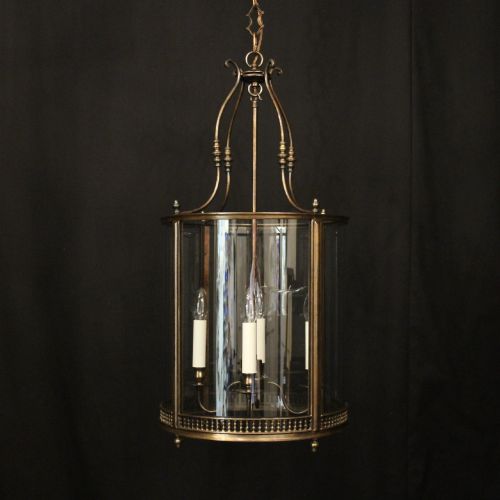
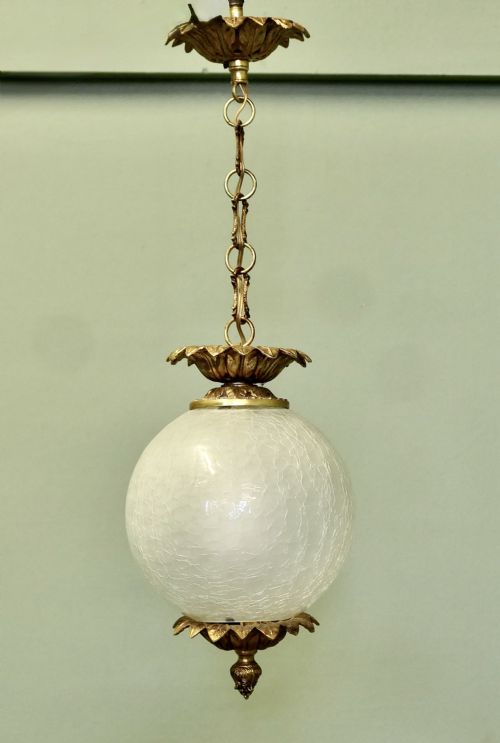
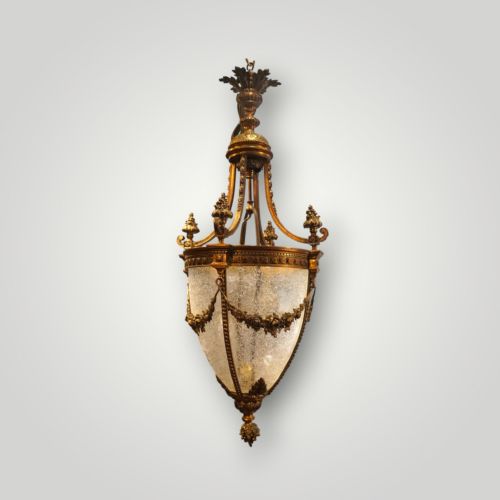
The prevailing forms on this page include hexagonal frames, convex glass globes, and faceted star shapes hanging from short chains or flush mounts. French models often display gilded bronze or brass mounts with curved panes, while English and American variants tend toward structured geometric framing.
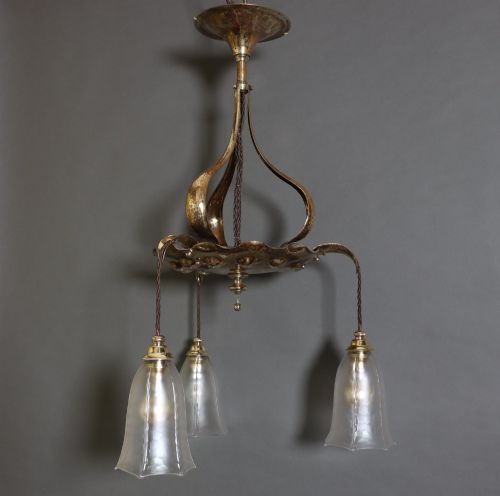
The historical span covers the Victorian and Edwardian eras through the nineteen-twenties and nineteen-thirties, incorporating Arts and Crafts simplicity alongside French Rococo and Neoclassical ornamentation.
Materials and construction methods
Makers constructed the structural framework using cast and sheet brass, gilt bronze, copper, and gilded brass, joined by soldered or screwed joints to support the weight of the glass panels.
The glazing involves leaded glass, hand-blown bullseye panes, bevelled plates, and etched or stained glass panels secured within metal channels or held by hinged doors.
Wiring and electrical components represent later adaptations, as these fixtures originated during the transition from gas lighting to electricity.
Assessing quality and craftsmanship
Quality rests in the weight of the cast metal frame, the crispness of decorative chasing or mouldings, and the thickness of the glass panels. Substantial cast brass or gilt bronze indicates a higher standard of manufacture than thin stamped sheet metal.
The treatment of the glass dictates the optical character of the piece, where bevelled edges, hand-blown imperfections, and precise leaded or stained segments elevate the visual depth of the hanging light.
Voysey
The Brass Glass Ceiling Lantern Glossary
- Convex glass
- Curved glass panels that project outward, frequently found on French hall lanterns to diffuse light across a wider angle. This technique softens the interior bulb glare.
- Bevelled glass
- Glass panes with angled edges ground and polished to create prismatic light refractions. It adds a decorative sparkle when the internal lights operate.
- Leaded glass
- Individual pieces of glass joined together by lead cames, forming geometric or pictorial patterns. This method appears frequently in Arts and Crafts and Victorian examples.
- Gilt bronze
- Bronze metal treated with a gold or gilt surface finish, also known as ormolu on French decorative objects. It provides a rich, warm metallic lustre.
- Bullseye glass
- Circular glass panes featuring a prominent raised centre left by the glassblowing pontil mark. It creates distorted, organic patterns of light.
Brass Glass Ceiling Lantern: Frequently Asked Questions
How do I hang a heavy ceiling lantern safely?
Heavy brass and bronze lanterns require direct anchorage to ceiling joists using a rated structural hook rather than relying solely on plasterboard or electrical boxes. Professional installation ensures the hanging weight is supported securely.
Adjustment of the suspension chain length allows the fixture to sit at the correct visual height within your hallway or entryway.
Were these lanterns originally electric?
Most examples from the Victorian, Edwardian, and early twentieth-century periods were adapted from gas or oil lighting during subsequent decades. Rewiring is standard practice to meet modern electrical safety standards.
Retaining the original patinated metal housing while updating internal wiring preserves the historical character of the piece.
How do I clean antique glass panels?
Remove delicate glass panels from the metal frame only if secured by easily accessible tabs, or clean them in place using a soft cloth and mild glass cleaner. Avoid harsh chemical abrasives that might damage antique lead cames or gilded surfaces.
Regular dusting keeps the glass clear and maintains the reflective quality of the brass framework.
What is the difference between an Edwardian and a Victorian lantern?
Victorian lanterns tend to feature heavier, ornate castings with stained or leaded glass and Gothic or Rococo revival motifs. Edwardian and later art deco pieces often lean toward lighter brass framing, geometric shapes, and clear bevelled or convex glass.
Examining the structural joints and glass cutting helps differentiate these overlapping historical periods.