





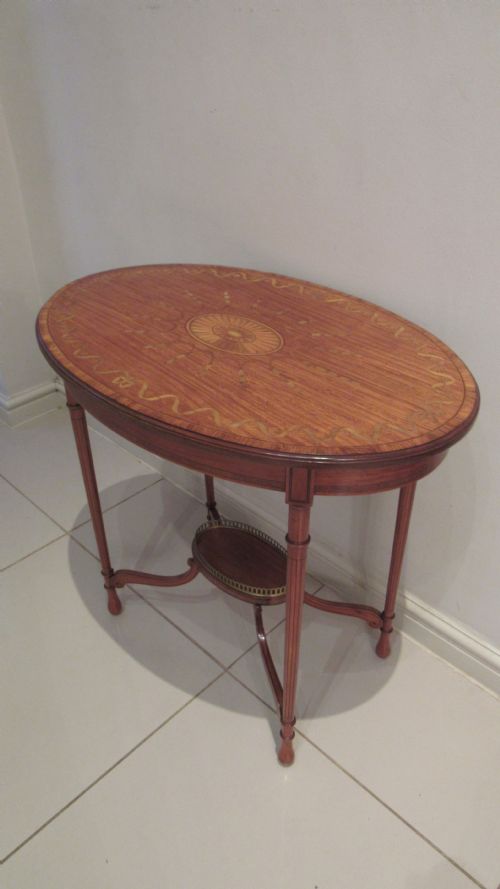


Brass Gallery Console
These brass gallery console pieces are striking tables featuring metal railings that keep objects secure, offering both functional utility and classic decorative elegance.
Brass Gallery Console
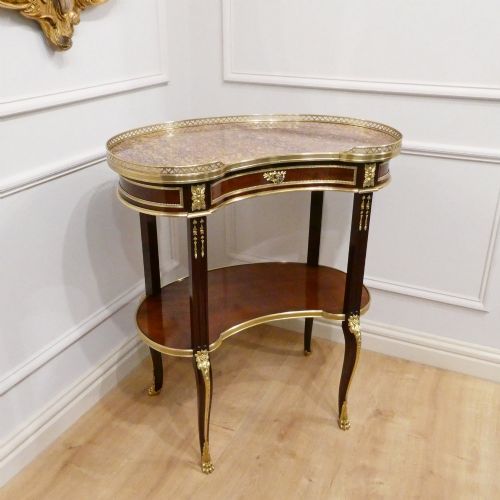
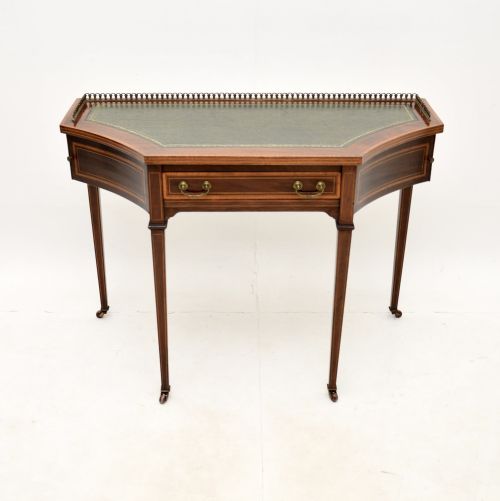
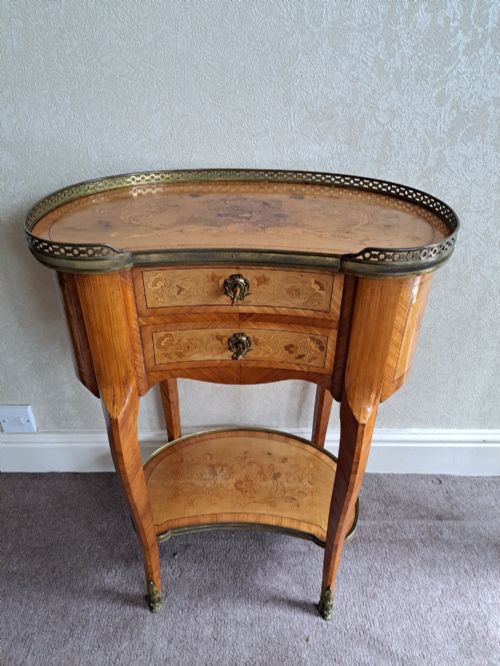
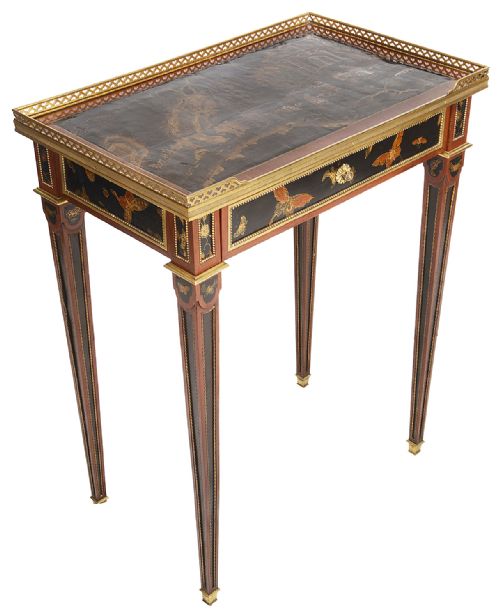
A brass gallery console combines a timber framework with a raised metal railing around the top surface, designed primarily as side tables, serving tables, and writing desks. These pieces emerge from periods such as the Regency, Georgian, and Edwardian eras, displaying considerable variety in their structural forms.
The versions most frequently met on this page include mahogany side tables and serving tables from the Regency period, often featuring the characteristic low brass rail. Occasional tables and desks in satinwood, rosewood, and walnut also appear, reflecting broader stylistic revivals from the nineteenth and early twentieth centuries.
Makers and designers from French Louis XVI styles to Irish Regency workshops produced these items, utilising decorative veneers like kingwood alongside painted finishes and gilt bronze mounts. Buyers encounter an array of forms ranging from compact occasional pieces to substantial serving tables.
Materials and construction methods
Cabinet makers constructed the foundational carcases using dense timbers such as mahogany, rosewood, and satinwood, frequently applying intricate marquetry and inlay to the primary surfaces. Walnut and kingwood also feature across the listed examples, providing durable bases for polished finishes.
The defining brass galleries and gilt bronze mounts were cast and fitted meticulously to the upper edges of the tables, serving both a practical containment function and an aesthetic role. Skilled artisans combined these metals with marble tops and leather inserts on writing surfaces to achieve a refined finish.
Brass Gallery Console Retail Price Guide 2026
Typical asking prices for brass gallery console among the pieces listed under this phrase on Sellingantiques today, from the lower quarter to the upper quarter. They describe what is for sale here now, not the wider market.
A tiny brass gallery rail kept the gin decanter firmly in place while the carriage rumbled outside.
Standards of craftsmanship and design
The distinction between tiers of quality rests upon the crispness of the brass casting in the gallery and the precision of the timber inlay. Superior pieces display harmonious timber selection and seamless integration of metalwork into the wooden structure.
Proportion and decorative restraint dictate the visual success of the piece, with finer examples avoiding excessive ornamentation in favour of balanced classical lines. The integrity of the secondary woods and the depth of the hand-applied polish further distinguish the superior items.
Maison Millet·Mack Williams And Gibton
The Brass Gallery Console Glossary
- Brass gallery
- A low metal railing fitted around the perimeter of a table top to prevent items from sliding off. This feature is characteristic of many serving and side tables.
- Console table
- A table designed to stand against a wall, frequently secured to it or supported by decorative legs at the front. These form a primary category within the available listings.
- Satinwood
- A durable, yellowish timber prized for its lustrous grain, often used for veneering and decorative inlay on tables from the Georgian and Edwardian periods.
- Regency
- An English design period spanning the early nineteenth century, known for classical motifs inspired by ancient Rome, Greece, and Egypt.
Brass Gallery Console: Frequently Asked Questions
What is a brass gallery console?
A brass gallery console is a side, serving, or writing table defined by a low metal railing fitted around the top edge. These tables date from periods including the Regency and Edwardian eras.
They combine functional wooden surfaces with decorative brasswork, making them suitable for display and daily use in various interior settings.
Where were these tables used?
These tables served primarily in formal reception rooms, dining rooms, and hallways as serving surfaces, sideboards, or writing desks. Their modest depth allowed them to sit flush against walls without obstructing pathways.
In dining spaces, the gallery rail prevented glassware and porcelain from sliding during service.
How do I care for mahogany and satinwood?
Maintain polished wooden surfaces by dusting regularly with a soft, dry cloth and avoiding excessive moisture or direct sunlight. Periodic application of traditional wax helps nourish the timber grain.
Keep brass galleries clean using appropriate metal cleaners that do not damage the surrounding wood veneer.
How can I identify a Regency piece?
Regency pieces often display classical proportions, dark mahogany or rosewood timbers, and restrained brass mounts or inlay. They reflect influences from ancient design idioms popular during the early nineteenth century.
Construction methods typical of the period, such as hand-cut dovetails and traditional timber shrinkage patterns, help confirm the date.