





Brass Footstool
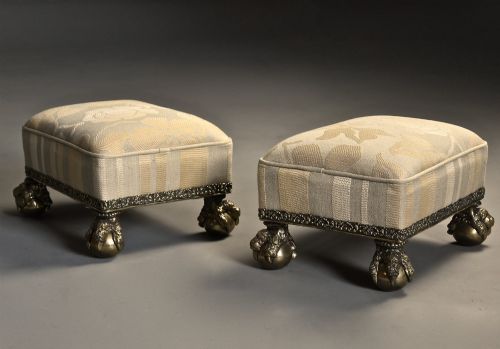
A brass footstool is a low, sturdy seat designed for repose, bringing period timber and metalwork together beside an armchair or fireplace.
Brass Footstool
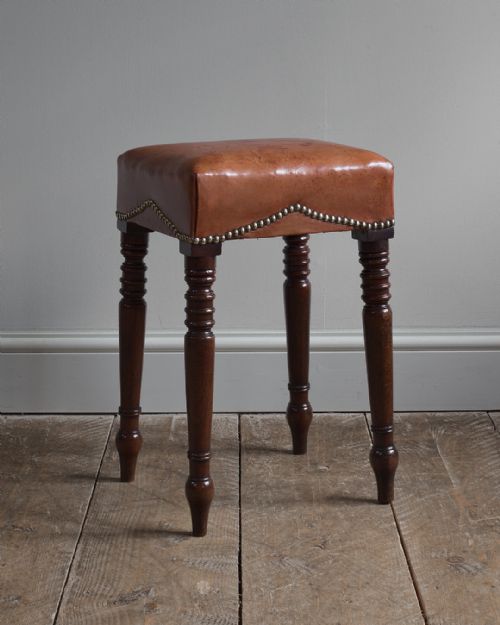
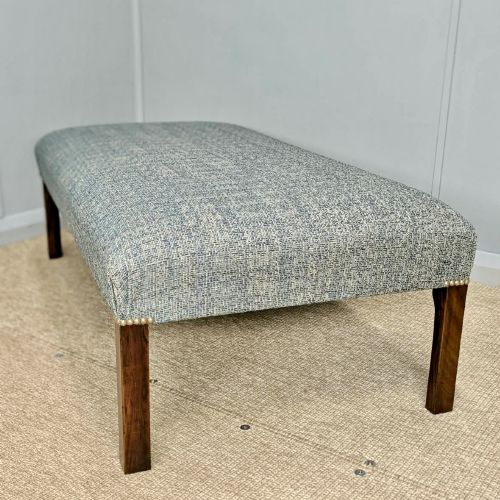
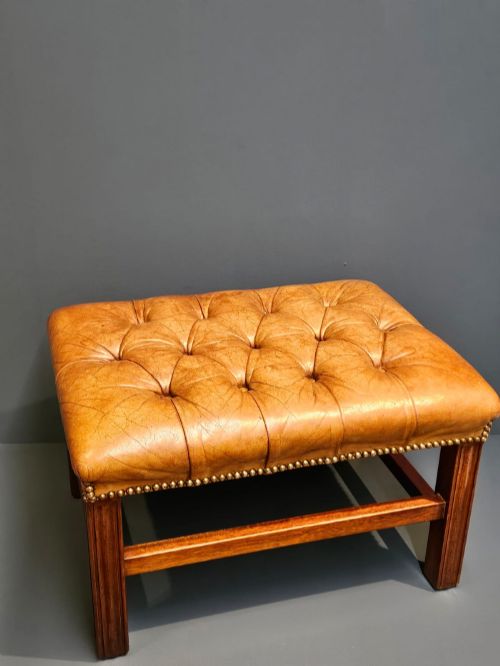
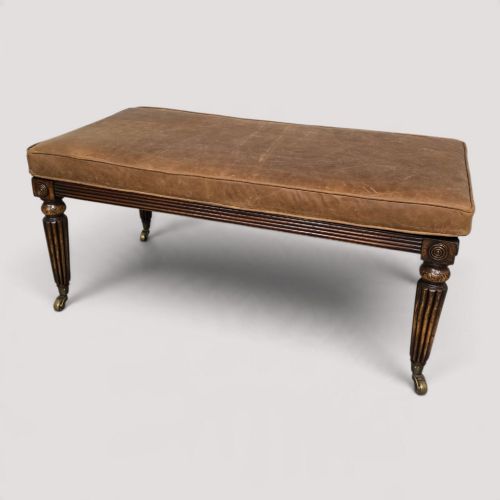
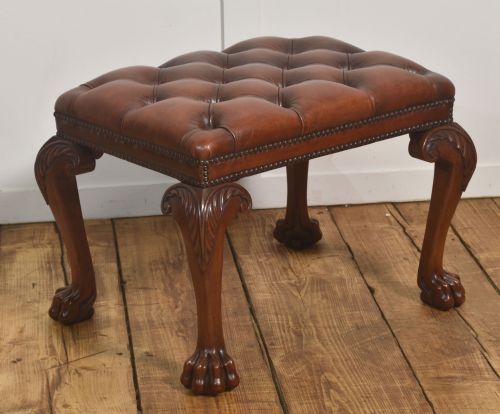
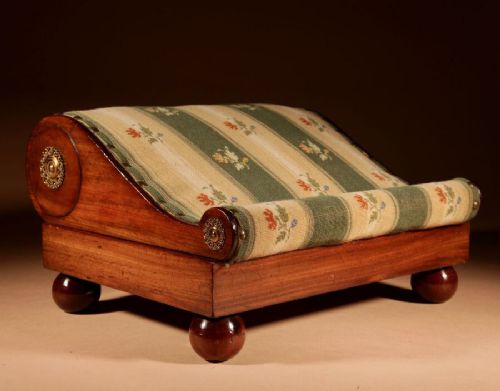
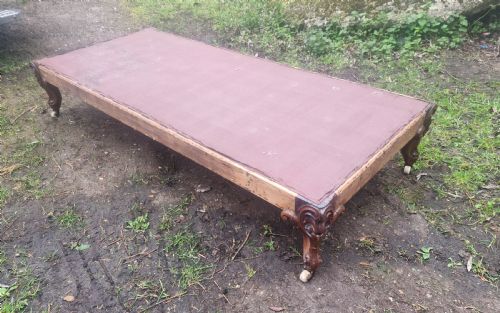
A brass footstool appears across various forms in the inventory, ranging from compact leather-topped examples to large nineteenth-century ottomans. Most pieces encountered on this page date from the Victorian, Regency, and Edwardian periods, reflecting the heavy domestic output of those eras.
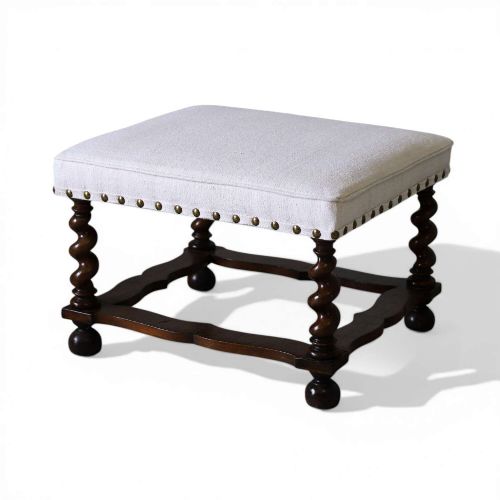
Makers utilised solid timbers such as mahogany, oak, walnut, and rosewood for the frames, mounting them upon castors or low legs. The integration of brass manifests through studwork edging the upholstery or heavy castors fitted to the feet.
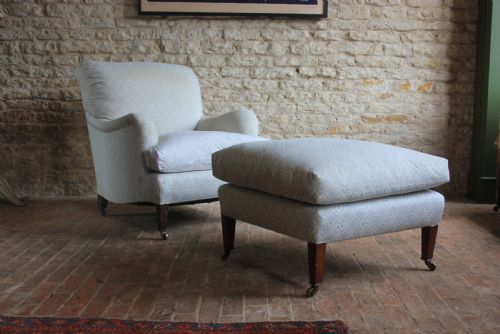
Forms span simple square stools, long ottomans, and box styles designed for storage or comfort. These pieces served both functional purposes in drawing rooms and dressing rooms and decorative roles within traditional English interiors.
Distinctions in craftsmanship
Quality reveals itself in the weight of the timber frame and the precision of the joinery beneath the upholstery. Finer examples display carefully selected mahogany or rosewood, balanced proportions, and substantial brass hardware rather than light plated alternatives.
The integrity of the original frame and the retention of period elements, such as hand-hammered brass studs or marked castors, separate standard utility pieces from high-status country house furniture.
Brass Footstool Retail Price Guide 2026
Typical asking prices for brass footstool among the pieces listed under this phrase on Sellingantiques today, from the lower quarter to the upper quarter. They describe what is for sale here now, not the wider market.
Listings for a brass footstool span multiple eras, with Victorian and Regency mahogany and leather examples appearing most frequently alongside Edwardian oak designs.
Howard and Sons·James Shoolbred
The Brass Footstool Glossary
- Ottoman
- A low, upholstered seat or box without arms or a back, frequently designed with a hinged lid for interior storage. These large pieces often feature deep buttoning and leather upholstery.
- Castor
- A small wheel fitted to the foot of a piece of furniture to allow easy rolling across the floor. Brass versions are common on nineteenth-century seating.
- Cabriole leg
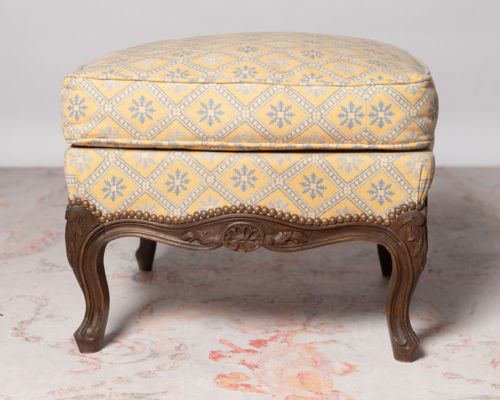
- A furniture leg that curves outward at the knee and tapers inward toward the ankle, reflecting stylistic influences seen on Victorian and Georgian seating.
- Buttoned leather
- An upholstery method where depressions are formed in the leather surface by pulling ties or threads through the stuffing to secure deep tufts. This technique provides both visual texture and structural tension.
- Box ottoman
- A dual-purpose storage chest and seat with a padded lid, utilised in reception rooms for blankets or accessories.
Brass Footstool: Frequently Asked Questions
What is a brass footstool used for?
These low seats provide ergonomic support for resting the feet when seated in an armchair or by a fireplace. Larger variations also function as central ottomans or low tables within a room.
Historical examples served practical domestic comfort in drawing rooms and dressing areas, offering sturdy construction designed for daily use.
How do I date a brass footstool?
Dating relies on observing the primary timber used in the frame, the turnings of the legs, and the style of the upholstery. Regency pieces typically show rosewood or polished mahogany with classical motifs, while Victorian examples often feature heavy cabriole legs and buttoned leather.
Hardware details like brass castors and the method of studding provide further clues to the manufacturing decade, aligning with the stylistic shifts recorded across the nineteenth and early twentieth centuries.
Are these stools comfortable to use daily?
Most antique stools retain solid wooden frames and supportive internal webbing, making them entirely suitable for regular domestic seating. Many feature firm leather or textile upholstery designed to withstand continuous pressure.
Some pieces found online may require fresh upholstery or webbing replacement to restore their original tension, depending on their state of preservation.
How do I care for leather upholstery?
Leather surfaces benefit from occasional cleaning with a soft, dry cloth and the sparing application of specialist leather balms to prevent drying out. Keeping the material away from direct heat sources preserves the natural hide.
Brass elements can be left with an aged patina or gently polished with a non-abrasive cloth, depending on personal preference for the metal's finish.