



Brass Fitted Mirror
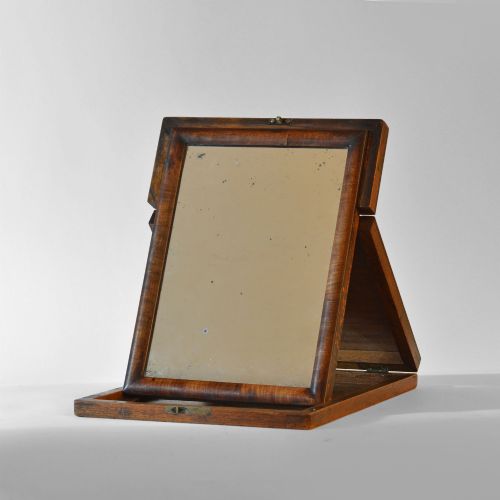
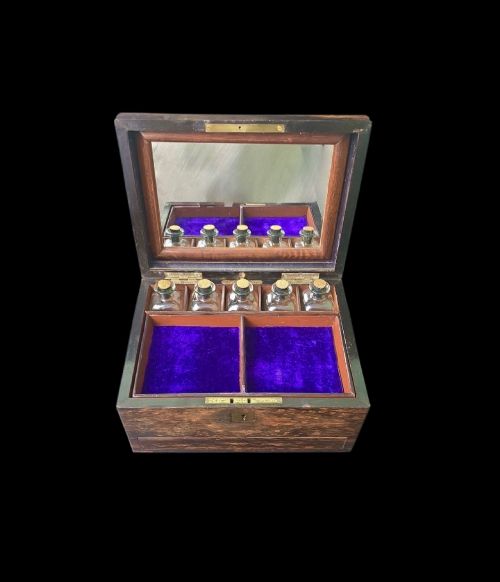
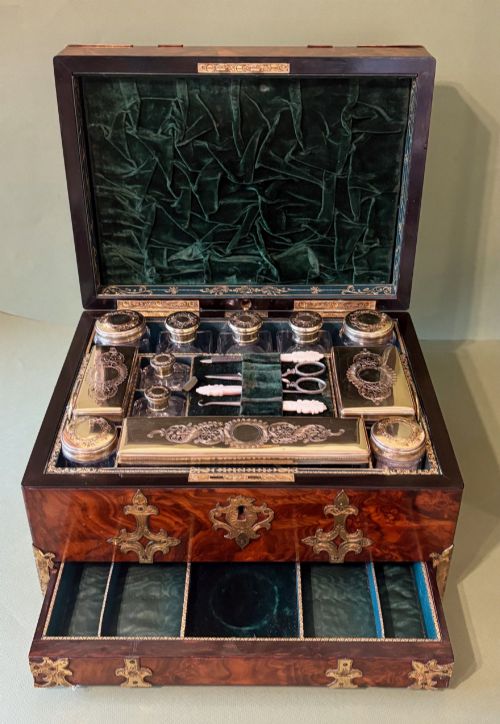
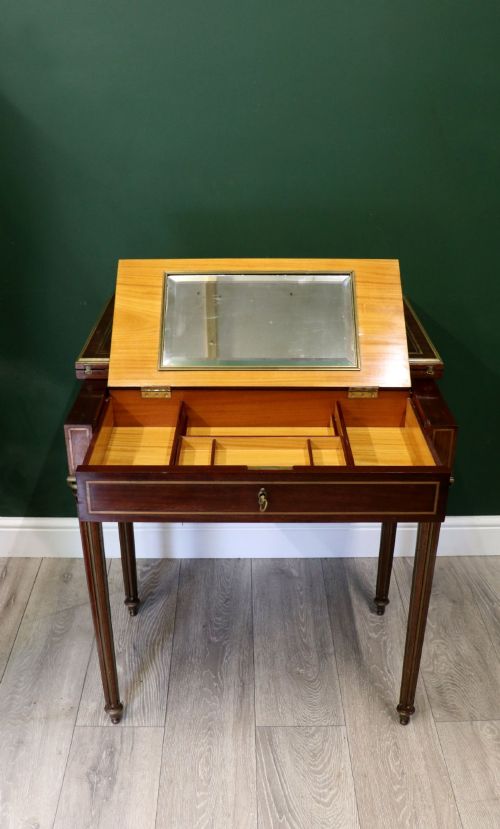
These brass fitted mirror pieces combine timber frames with reflective glass and metal hardware, offering both decorative presence and practical utility for your home.
Brass Fitted Mirror
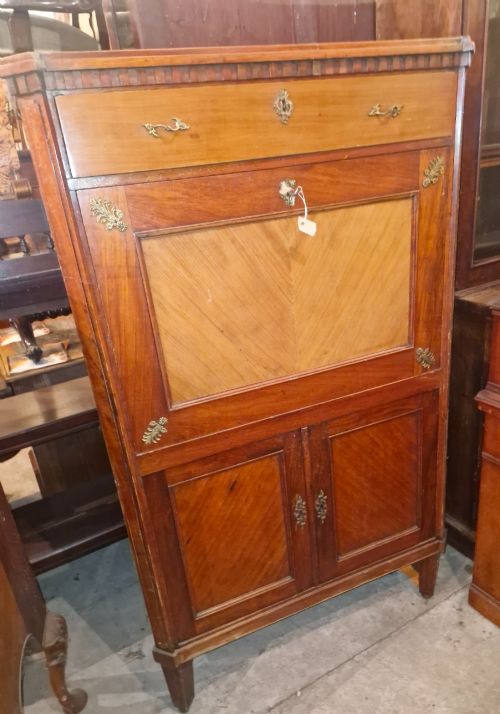
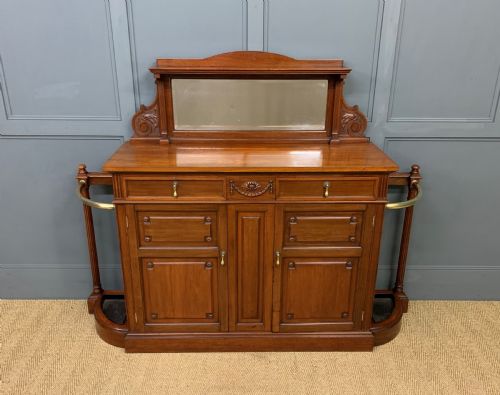
When you search for a brass fitted mirror, you encounter a diverse selection of items ranging from Victorian dressing cases and Edwardian display cabinets to Georgian campaign chests and 19th-century side cabinets. These pieces incorporate reflective glass and metallic hardware as central functional or decorative elements.
You are most likely to meet Victorian and 19th-century examples on this page, alongside Edwardian and Georgian pieces. The forms span across dressing tables, hall stands, drinks cabinets, and pendant lights.
Makers such as Shoolbred & Co. and John Lilley & Son London appear in the evidence, demonstrating the broad scope of items featuring brass fittings and mirror glass.
Materials and construction
The construction relies heavily on hardwoods such as mahogany, walnut, and satinwood, combined with structural brass fittings and mercury mirrored glass. Cabinets and cases utilise fine timber veneers and solid frames to support heavy glass components.
Metalwork details include copper and brass fittings, while interior elements occasionally incorporate velvet linings and silver components. Glass elements range from standard mirror plates to specialised artificial horizon sets and mercury mirrored pendant lights.
Brass Fitted Mirror Retail Price Guide 2026
Typical asking prices for brass fitted mirror among the pieces listed under this phrase on Sellingantiques today, from the lower quarter to the upper quarter. They describe what is for sale here now, not the wider market.
Listings feature items from the Georgian, Victorian, Edwardian, and 1920s periods, incorporating brass, mahogany, walnut, and mirrored glass.
Judging quality and execution
Quality separates through the precision of the cabinetwork and the integration of the brass fittings into the mahogany or walnut structures. Superior examples show meticulous attention to the housing of the mirror glass and the finish of the timber.
The refinement of the hardware, whether cast brass on a campaign chest or delicate mounts on a French-manufactured side cabinet, distinguishes higher-grade pieces from standard utilitarian items.
Shoolbred & Co.·John Lilley & Son London
The Brass Fitted Mirror Glossary
- Campaign chest
- A portable form of furniture made in sections with recessed brass handles and fittings, designed for easy transport by military officers.
- Mercury mirror
- A type of mirror produced using a tin-mercury amalgam behind the glass plate, creating a distinctive deep and luminous reflection.
- Satinwood
- A durable, yellowish timber often used for fine veneers and decorative stringing in late periods.
- Artificial horizon
- An optical instrument utilising a reflective liquid or glass surface to determine the horizontal plane in navigation.
Brass Fitted Mirror: Frequently Asked Questions
What periods do these pieces span?
The items originate from the Georgian era through the Victorian period, extending into Edwardian and 1920s designs. This range covers nearly two centuries of cabinetmaking and metalworking traditions.
Each period brings distinct stylistic influences, from French revival forms to utilitarian campaign furniture and early lighting.
How do I identify the wood types?
Mahogany and walnut predominate across the selection, often accompanied by lighter timbers such as satinwood for contrast. Close inspection of the grain and colour reveals the primary wood utilised in the frame.
Darker tones usually indicate mahogany or walnut, whereas satinwood offers a pale, lustrous yellow appearance.
What function do the brass fittings serve?
Brass fittings provide both structural reinforcement and decorative accentuation, particularly on portable campaign items and heavily used cabinetry. They protect vulnerable corners and secure moving parts.
In mirrors and display cases, brass components often form the hanging mechanisms or structural frames.
Are these items strictly British in origin?
While many pieces reflect British cabinetmaking traditions, the selection also includes items of French manufacture. Continental influences appear in specific side cabinets and revival styles.
Origin is typically indicated by the construction methods, timber choices, and specific maker signatures where present.