

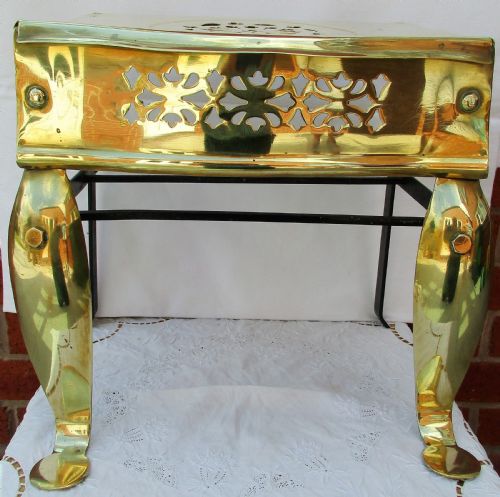
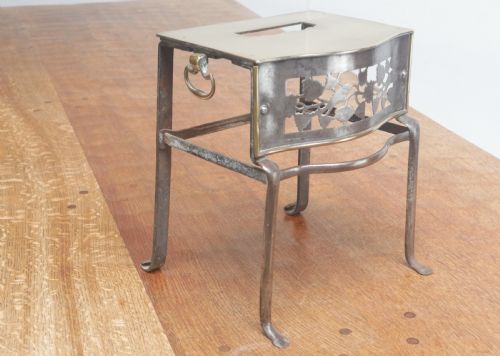

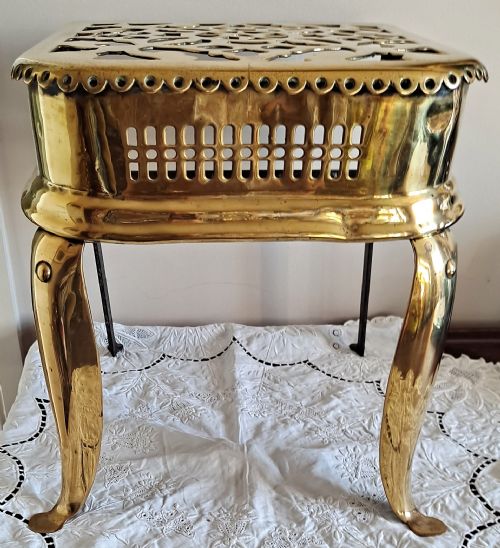


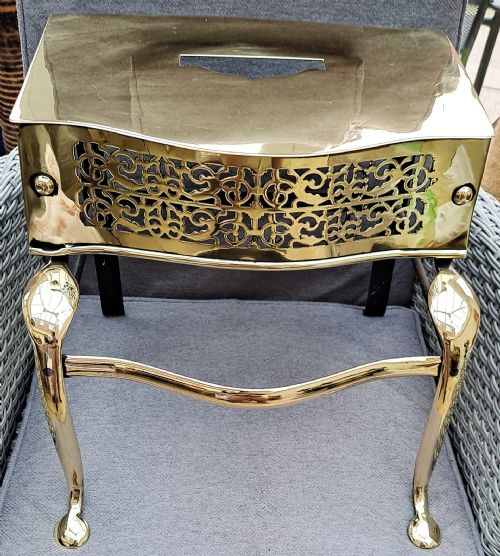


Brass Fireplace Trivet Stand
A brass fireplace trivet stand brings useful warmth and period character to a hearth.
Brass Fireplace Trivet Stand
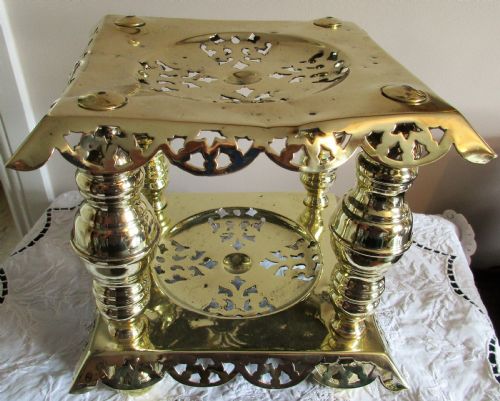
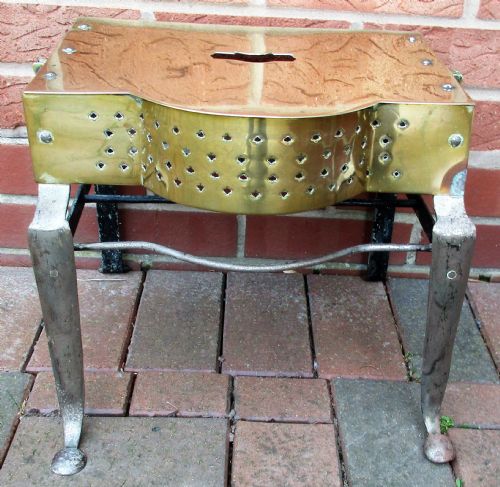
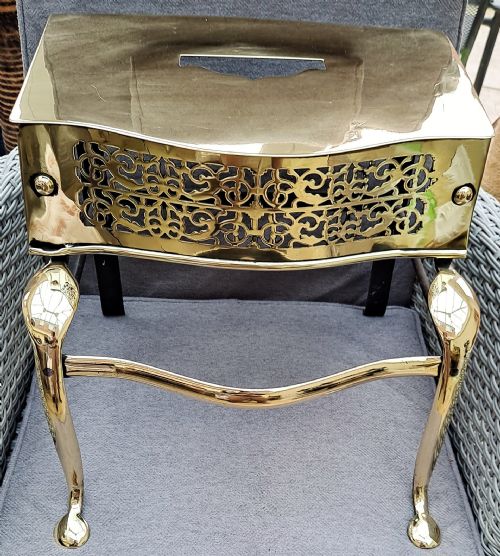
A brass fireplace trivet stand serves as a traditional hearth accessory designed for warming plates or boiling kettles near an open fire. These items encompass various forms such as footmen, two-tier stands, and plate warmers constructed for daily use by the grate.
The selection includes examples from the eighteenth and nineteenth centuries, spanning the Georgian, Regency, Victorian, and Edwardian periods. Buyers will frequently encounter sturdy footman designs alongside compact kettle stands and porter stools.
Most entries originate from English workshops, while specific examples point towards Welsh regional production. These furnishings combine utilitarian hearth functions with decorative brass and ironwork.
Materials and construction
Makers built these pieces primarily from bright brass paired with robust steel or iron components. The combination provided the necessary structural strength to support heavy kettles and hot plates close to coal or wood fires.
Many examples incorporate cast brass tops, pierced plates, and securely joined steel legs or aprons. Craftsmanship focuses on durability and heat resistance, utilising metals that withstand high temperatures.
Brass Fireplace Trivet Stand Retail Price Guide 2026
Typical asking prices for brass fireplace trivet stand among the pieces listed under this phrase on Sellingantiques today, from the lower quarter to the upper quarter. They describe what is for sale here now, not the wider market.
Listings feature items from the 18th century, Georgian, Regency, Victorian, 1880, 1900, and Edwardian periods.
Assessing quality
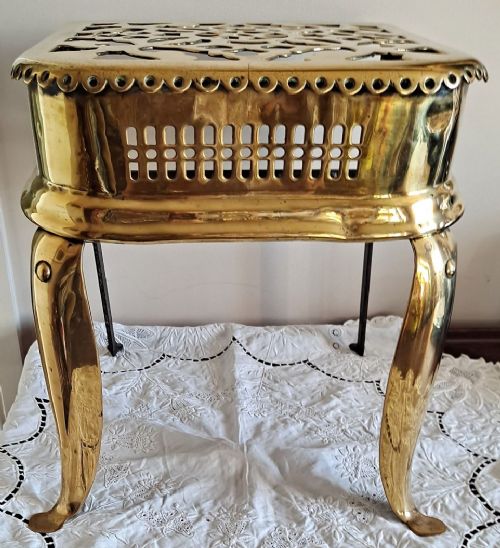
Quality rests in the weight of the metal, the precision of pierced decorative patterns on the top plates, and the integrity of the joinery between brass and steel. Better examples display crisp casting details and well-balanced proportions.
Thicker gauge brass and substantial iron frames distinguish sturdier stands from lighter utilitarian alternatives. The refinement of cabriole legs or turned supports further elevates the distinction of individual pieces.
The Brass Fireplace Trivet Stand Glossary
- Footman
- A metal stand placed by a fireplace to keep food warm or heat water. These stands typically feature four legs and a flat top plate.
- Trivet
- A small support elevated on feet used for holding kettles or dishes near a heat source. They appear in single-tier and multi-tier formats.
- Inglenook
- A large recessed space around a fireplace designed for seating or warmth. Hearth accessories sat directly within or in front of this architectural feature.
- Plate warmer
- A hearth accessory specifically configured to hold ceramic or metal plates before serving. These often take the form of footmen or tiered stands.
- Cabriole leg
- A furniture leg that curves outward and then tapers inward. Certain hearth stools utilise this shaped support style.
Brass Fireplace Trivet Stand: Frequently Asked Questions
What is a brass fireplace trivet stand?
A brass fireplace trivet stand is a metal accessory used beside an open fire to warm plates or heat water. These stands provide a stable platform close to the flames.
They appear in various historic styles from the Georgian and Victorian eras, combining functional iron frames with decorative brass tops.
How were these stands used historically?
These stands sat directly on the hearth or inside the fireplace opening to hold kettles, pots, and dinner plates. They kept food warm until serving time.
Servants moved them closer to or further from the fire to control the temperature of the items placed upon them.
Are these pieces made entirely of brass?
Most examples combine brass tops with iron or steel frames and legs. This mixed-metal construction provided the required strength for heavy use.
The brass surfaces offered a bright decorative finish while the iron components supported the weight near high heat.
How do I date a brass trivet?
Dating relies on observing stylistic details such as cabriole legs, pierced decorative patterns, and construction methods. Georgian and Regency pieces often show specific casting techniques.
Consulting the listed period categories helps identify whether an item originates from the eighteenth or nineteenth century.
Can I use these trivets by a modern fire?
These antique stands function well near modern hearths as decorative accents or plant stands. Their sturdy metal construction remains durable.
Care should be taken when exposing historical metalwork to direct modern heat sources to preserve the original finish.