




Brass Fire Surround Rail
These brass fire surround rail items anchor a hearth with period weight, offering the polished gleam and functional structure that period rooms demand.
Brass Fire Surround Rail
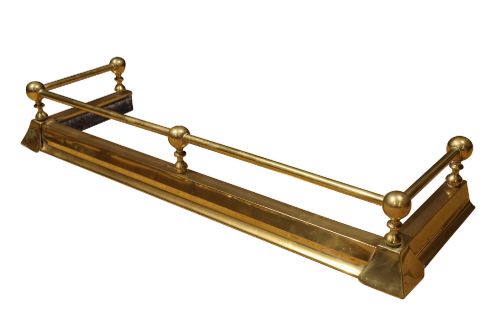
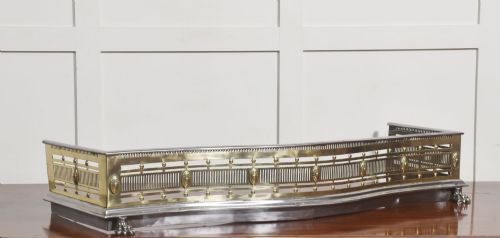
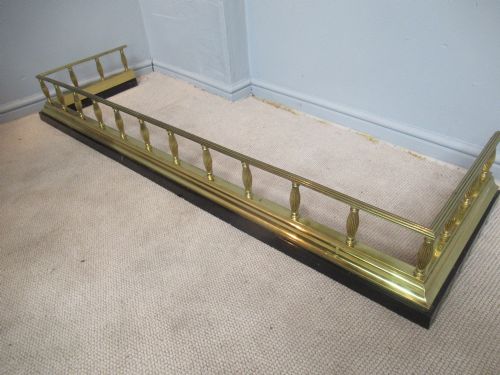
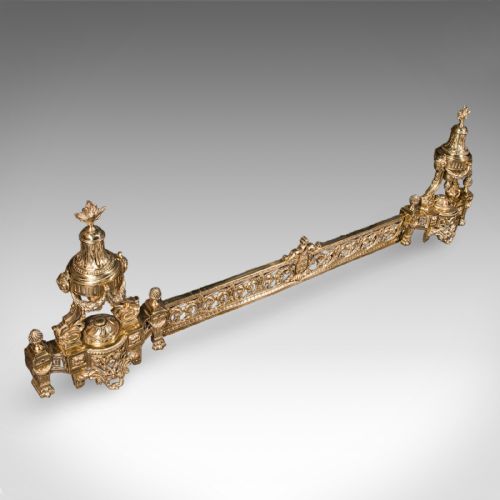
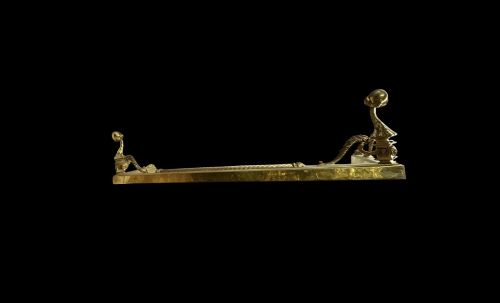
A brass fire surround rail essentially functions as a hearth fender, curb, or fire kerb, designed to contain embers and frame the fireplace opening. When searching for a brass fire surround rail, you will most frequently encounter Victorian, Edwardian, and nineteenth-century examples in various stages of adjustment.
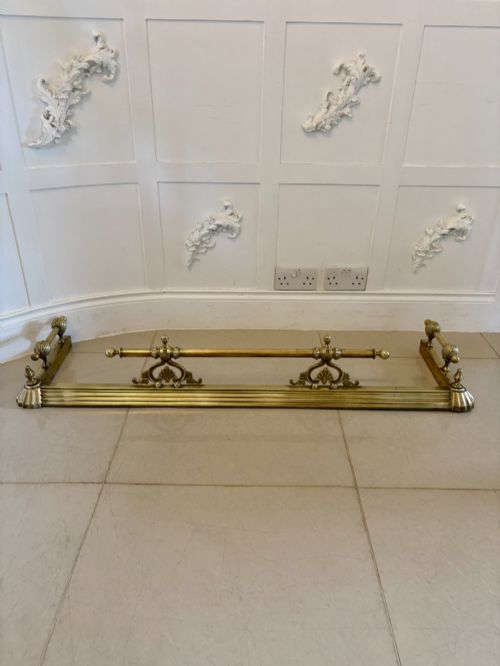
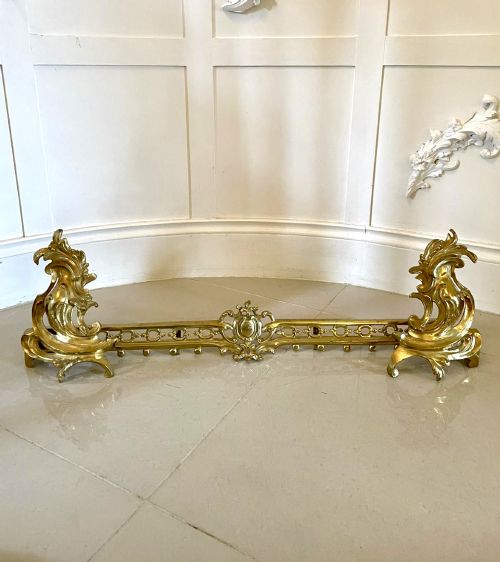
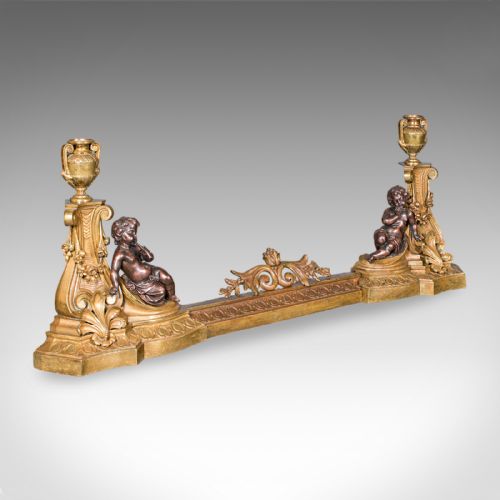
The objects span multiple stylistic influences, ranging from French Rococo and Louis XVI Neoclassical to Art Nouveau and Regency designs. Forms include extending fenders, adjustable curbs, and heavy gauge hearth barriers tailored to period proportions.
How They Were Made
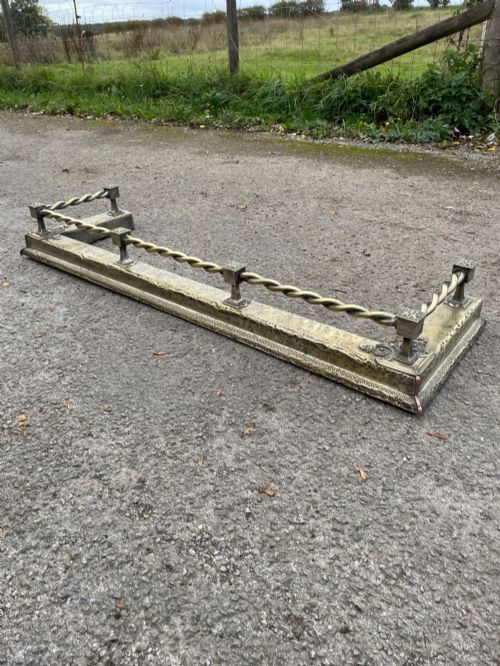
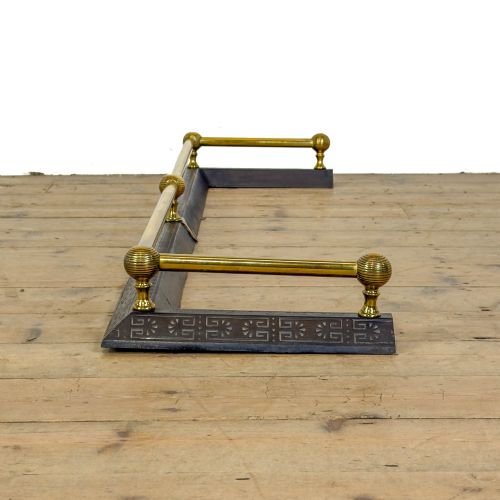
Construction relies heavily on cast brass, gilded brass, and cast iron, frequently combined with steel or bronze components to add structural weight and contrast. Makers utilised methods such as piercing, rope twist detailing, and applied finials to elevate the metalwork.
Many surviving pieces incorporate adjustable mechanisms, allowing the rails to fit varying hearth widths securely. Surface treatments range from polished brass finishes to combined black finish steel and copper accents.
Brass Fire Surround Rail Retail Price Guide 2026
Typical asking prices for brass fire surround rail among the pieces listed under this phrase on Sellingantiques today, from the lower quarter to the upper quarter. They describe what is for sale here now, not the wider market.
Keep an eye out for lions keeping watch on the steel and brass rails.
What Varies in Quality
Gauge thickness and metal weight separate standard production from finer work, with heavier components offering better substance on the hearth. The crispness of cast ornamentation, such as scrolled detailing and figural elements like lions, dictates the refinement of the piece.
Integrity of extending and adjustable mechanisms also defines the grade of the item. Fully restored examples preserve original structural rigidity while maintaining period surface character.
The Brass Fire Surround Rail Glossary
- Fender
- A low metal guard placed in front of an open fireplace to contain falling coals and sparks. Most examples in this category serve as hearth borders.
- Kerb
- An alternative term for a fireplace fender, often referring to the stone or metal barrier enclosing the hearth space. These often feature adjustable side rails.
- Gilded Brass
- Brass treated with a thin layer of gold or gold-coloured finish to enhance visual warmth and replicate solid ormolu. This finish appears frequently on mid-nineteenth-century French and English pieces.
- Pierced
- Metalwork perforated with decorative patterns, frequently seen on Victorian steel and brass fireplace fenders to create lighter visual motifs.
- Finial
- A decorative ornament fixed to the ends or corners of the fender rail, often shaped as urns, balls, or stylized points.
Brass Fire Surround Rail: Frequently Asked Questions
What is a fire surround rail used for?
These rails serve primarily as hearth fenders, creating a physical barrier around an open fireplace to keep stray embers and logs contained safely within the hearth.
Beyond safety, they frame the fireplace opening, visually anchoring the surround and hearth within the room's overall decorative scheme.
How do adjustable fenders work?
Adjustable fenders feature sliding sections or extension pieces that allow the overall width of the rail to expand or contract. This mechanism enabled nineteenth-century makers to fit the barrier precisely to different hearth dimensions.
When living with an adjustable rail, ensure the sliding joint remains stable and supports the structure evenly across the floor.
How do I tell Victorian from Edwardian pieces?
Victorian examples often display heavier casting, prominent rope twist rails, and ornate detailing influenced by Rococo or Neoclassical revivals. You may also find pierced steel combinations.
Edwardian pieces tend to exhibit cleaner lines, sometimes leaning towards early Art Nouveau forms while retaining traditional brass construction.
How should I clean a brass fender?
Maintenance depends on the preferred finish, as some collectors value a mellow, aged patina with darker recessed areas. Gentle dusting with a soft cloth preserves the surface integrity.
If polishing, use a mild brass cleaner sparingly to avoid removing historical patination or damaging applied gilt finishes and black steel contrasts.