





Brass Desk Paperweight
A brass desk paperweight brings solid weight and historical character to a workspace, offering a tactile anchor for papers that utilitarian modern items simply lack.
Brass Desk Paperweight
A brass desk paperweight is a utilitarian desk accessory designed to hold documents in place while adding decorative presence to a workspace. These objects span the nineteenth and twentieth centuries, originating from periods including the Victorian era, Edwardian period, and the interwar years.
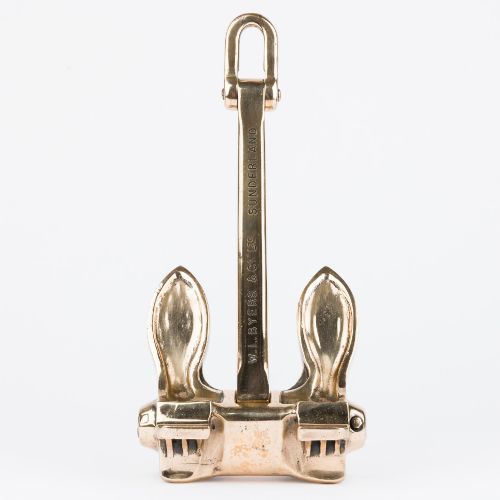
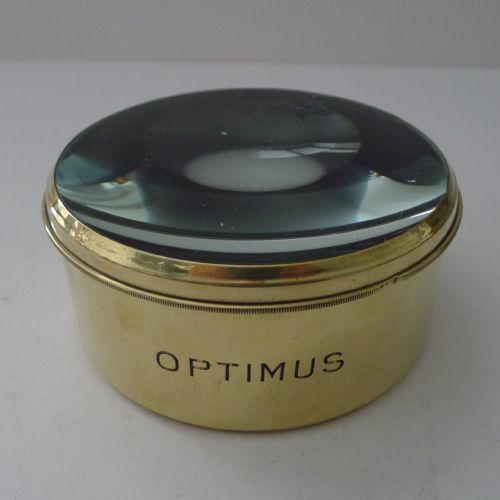
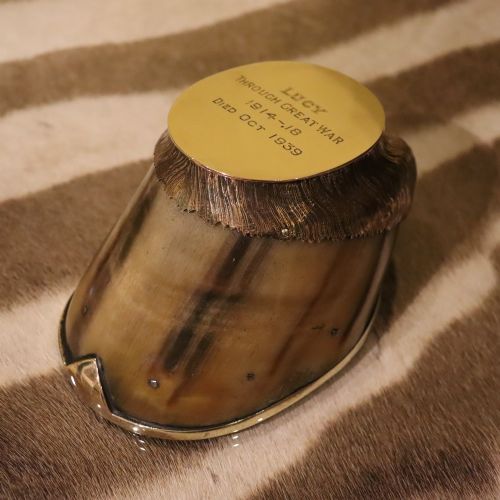
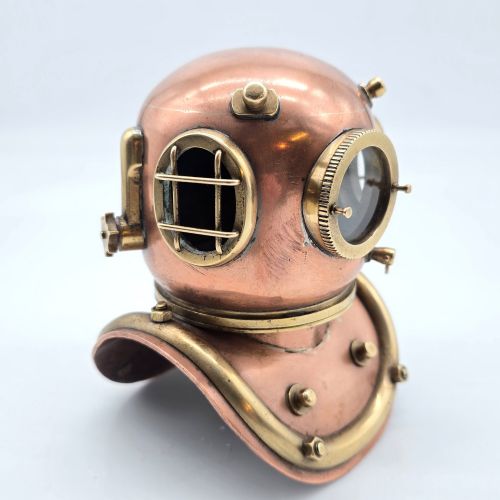
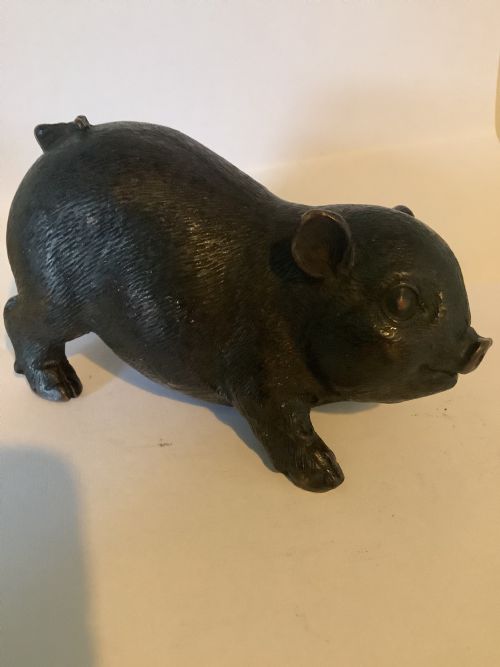
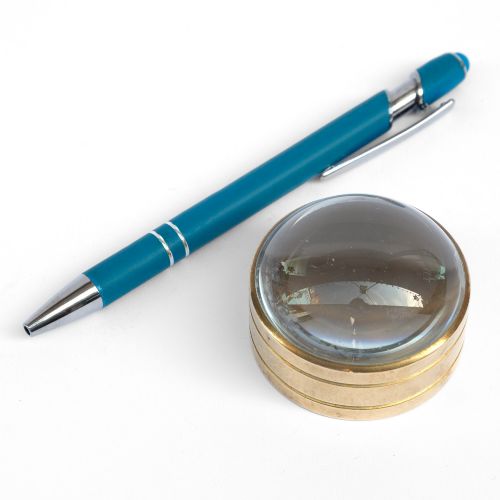
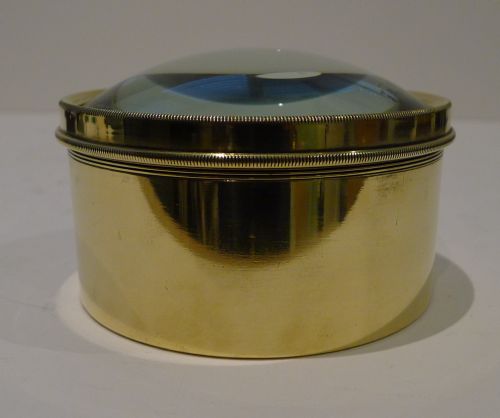
The versions most frequently met on this page include heavy magnifying glasses mounted in brass, animal figures, and miniature scale models such as anchors or cannons. Materials extend beyond brass to incorporate bronze, marble, copper, glass, cast iron, and gilt bronze.
Makers and designers produced these items for various practical tasks, resulting in forms that double as note holders, letter clips, perpetual calendars, and sculptural ornaments. Styles range from maritime industrial and Egyptian Revival to Art Deco and patriotic motifs.
How they were made
Makers utilised casting techniques to shape molten brass, bronze, and iron into detailed animal figures, scale models, and architectural obelisks. Fine surface finishing involved hand-polishing and occasionally applying gilt bronze layers to enhance visual depth.
Glass lenses were fitted directly into heavy brass mounts for combination magnifying glasses and paperweights, combining optical utility with metal weight. Other pieces integrated wood, such as mahogany desk clips, joined securely to metal hardware.
Brass Desk Paperweight Retail Price Guide 2026
Typical asking prices for brass desk paperweight among the pieces listed under this phrase on Sellingantiques today, from the lower quarter to the upper quarter. They describe what is for sale here now, not the wider market.
Listings feature brass, bronze, copper, and cast iron, reflecting diverse nineteenth and twentieth-century metalworking traditions.
What varies in quality
The distinction between tiers rests in the crispness of the casting detail and the weight of the metal utilised. Finely cast examples show sharp definition in feathers, fur, or mechanical elements, whereas lower-quality items present softer edges and shallower relief.
Weight distribution matters significantly for desk utility, with denser metals and thicker brass mounts providing a superior tactile feel and greater functional stability on a desktop.
Whitehouse And Son·Cindo Paris·Optimus Lens
The Brass Desk Paperweight Glossary
- Brass
- A copper and zinc alloy valued for its durability and warm metallic lustre. It forms the primary structural material for the majority of these desk accessories.
- Gilt bronze
- Bronze that has been coated with a thin layer of gold or gold-coloured metal. This finish provides a bright decorative sheen often seen on commemorative or sculptural pieces.
- Letter clip
- A desk device featuring a spring-loaded metal jaw designed to hold correspondence securely. Victorian examples frequently incorporate decorative brass casting on the lever.
- Magnifying lens
- An optical glass disk fitted within a metal frame. When combined with a heavy mount, it serves simultaneously as a reading glass and a paperweight.
- Scale model
- A physical representation of an object maintained in accurate proportion. Examples include maritime anchors and ordnance used as decorative desk ornaments.
Brass Desk Paperweight: Frequently Asked Questions
What is a brass desk paperweight?
A brass desk paperweight is a heavy metallic object placed on documents to prevent them from blowing away or scattering. These pieces range from simple cast metal shapes to complex magnifying lenses and miniature sculptures.
Originating mostly from the nineteenth and twentieth centuries, they reflect the functional design and decorative tastes of past office environments.
How were brass desk paperweights used?
They were kept on office desks, writing tables, and captain's quarters to secure loose papers, ledgers, and correspondence. Many doubled as magnifying glasses, note holders, or decorative ornaments.
Their substantial weight provided the necessary downward pressure to keep paperwork orderly throughout the working day.
How do I live with a brass desk paperweight?
These items integrate easily into modern workspaces or home studies, serving their original function on top of mail and notebooks. They require very little maintenance beyond occasional dusting to preserve the metal finish.
Placing them on a desk allows you to interact with genuine historical metalwork during daily tasks.
How do I tell periods apart?
Victorian and Edwardian pieces often feature ornate casting, patriotic motifs, or heavy brass frames associated with traditional office decor. Later twentieth-century items, such as those from the Art Deco or Mid-Century periods, tend to display streamlined forms or industrial influences.
Examining the manufacturing style and mounting techniques helps clarify the approximate decade of production.