
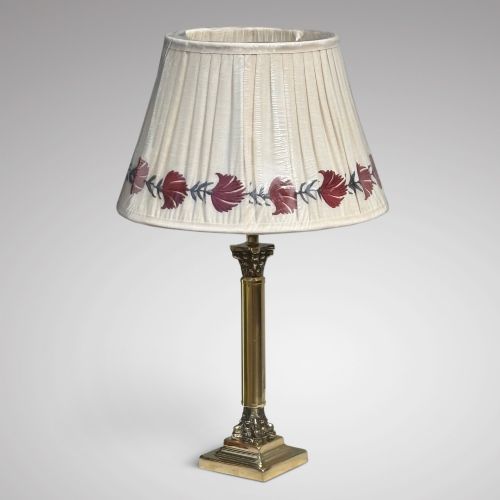
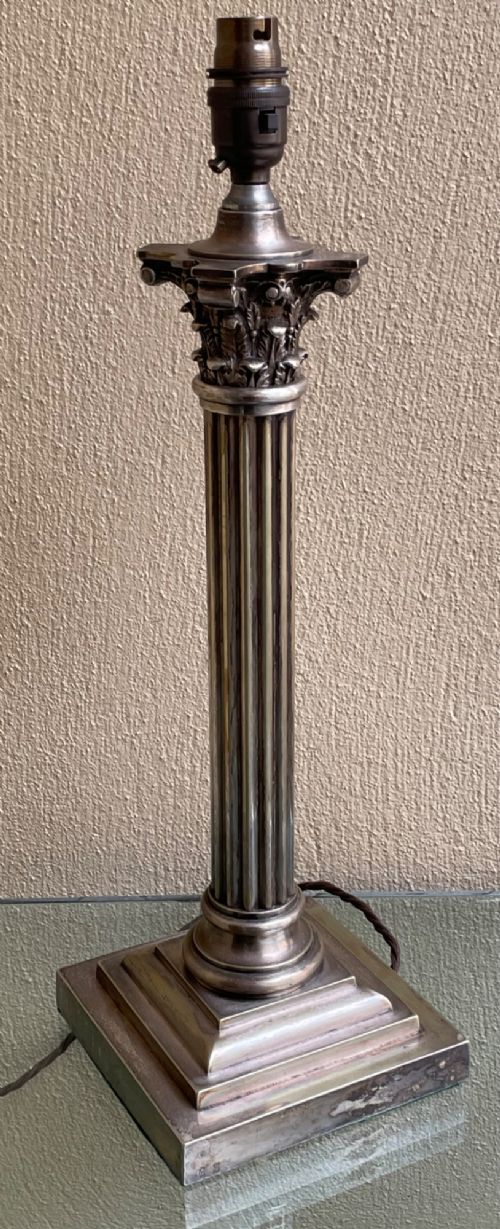
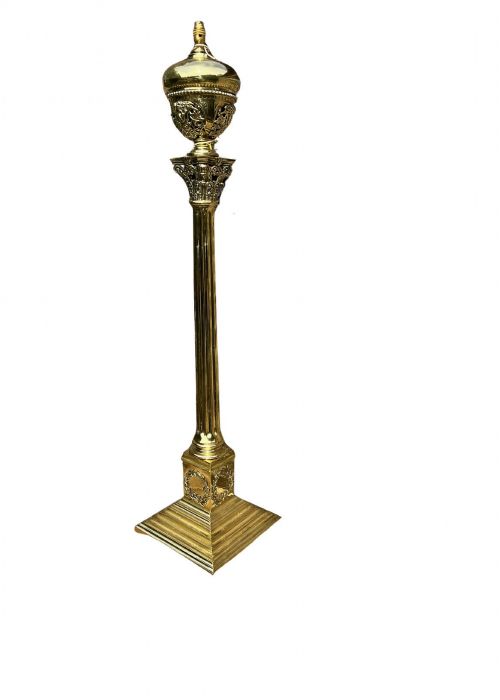

Brass Corinthian Column
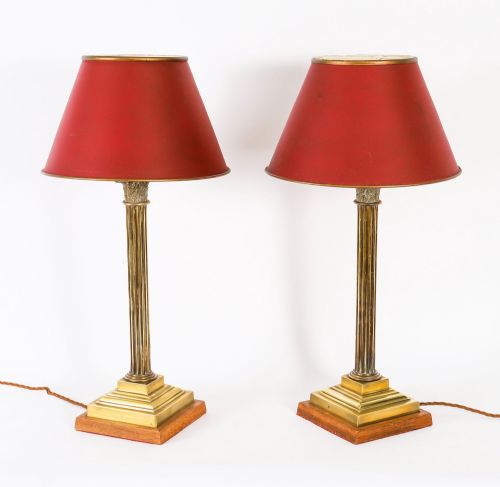
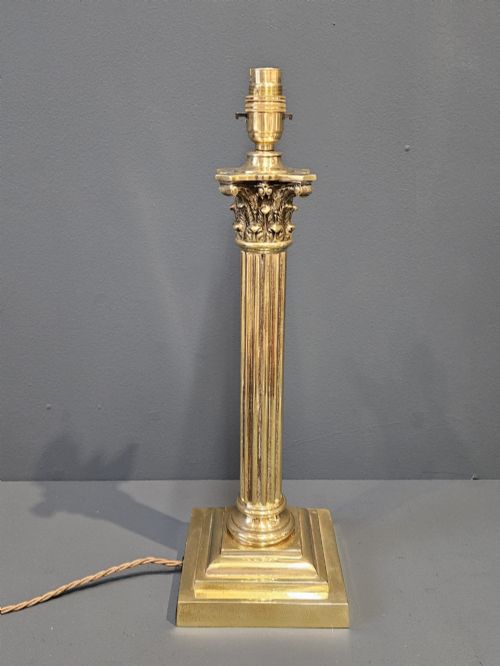
These pieces are brass corinthian column items, bringing classical architecture into period interiors as stately lighting and mantel ornaments.
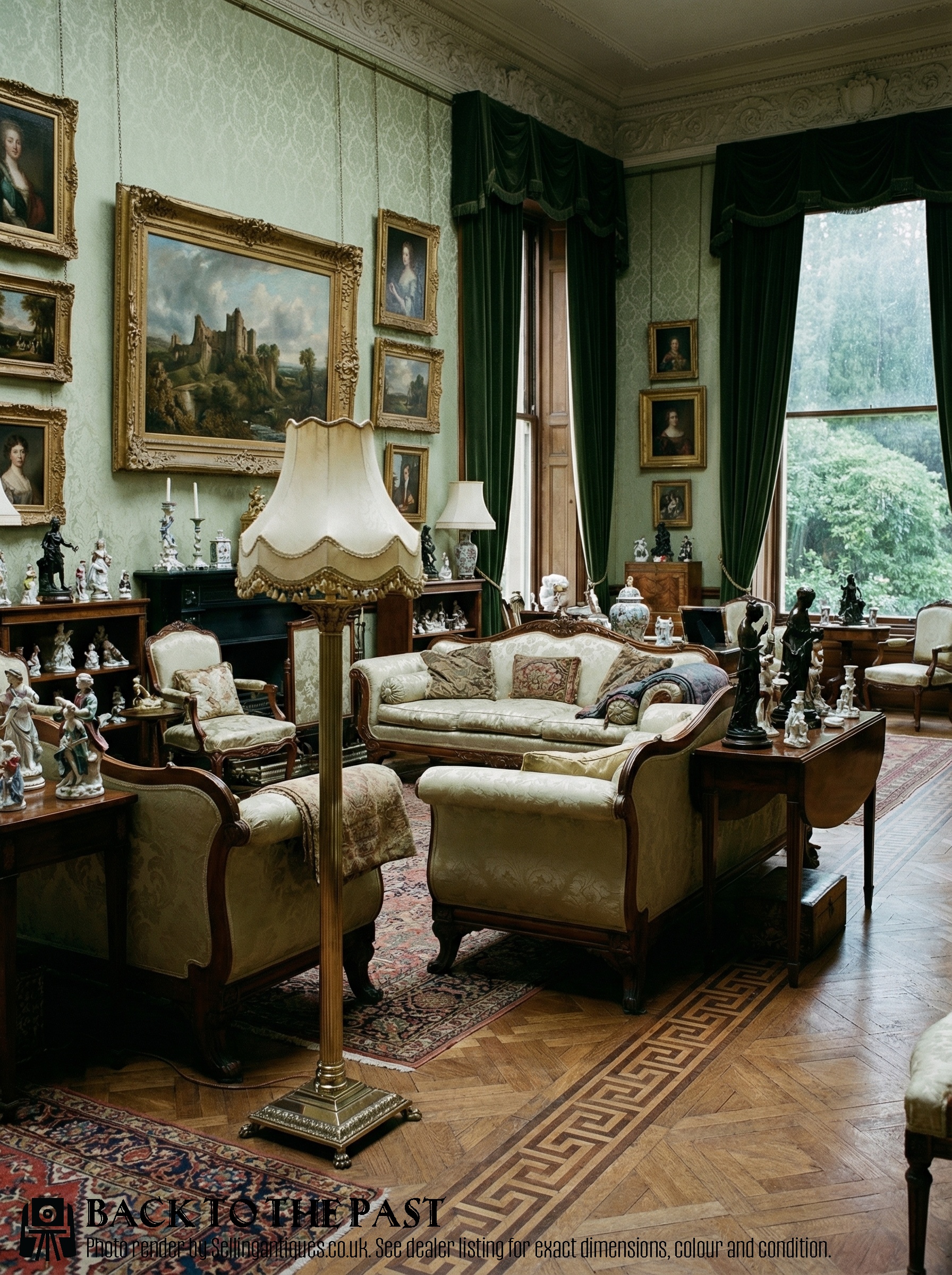
Brass Corinthian Column
When searching for a brass corinthian column, a collector encounters pieces firmly rooted in Victorian and Edwardian domestic interiors. The form adapts classical architecture into functional objects, translating stone capitals and fluted shafts into polished metal.
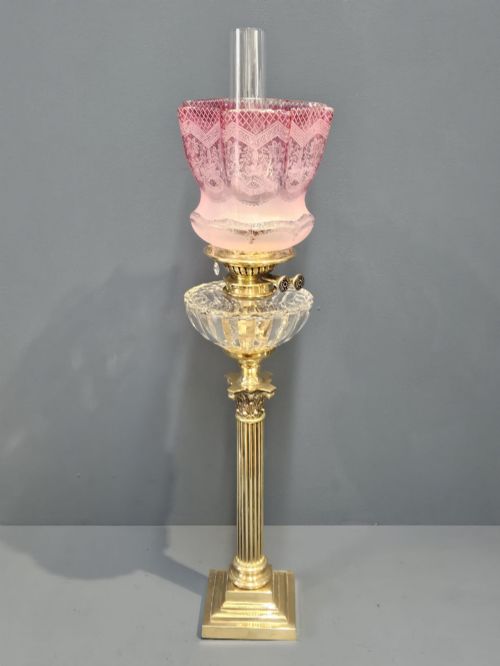
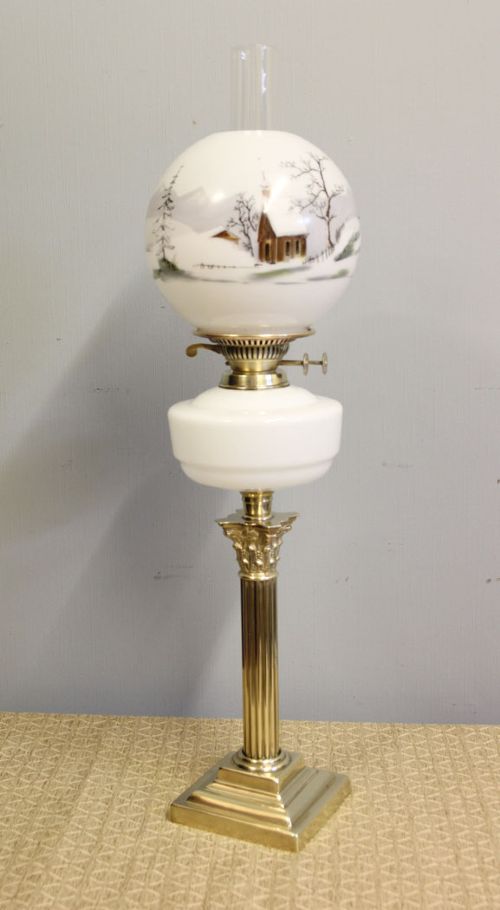
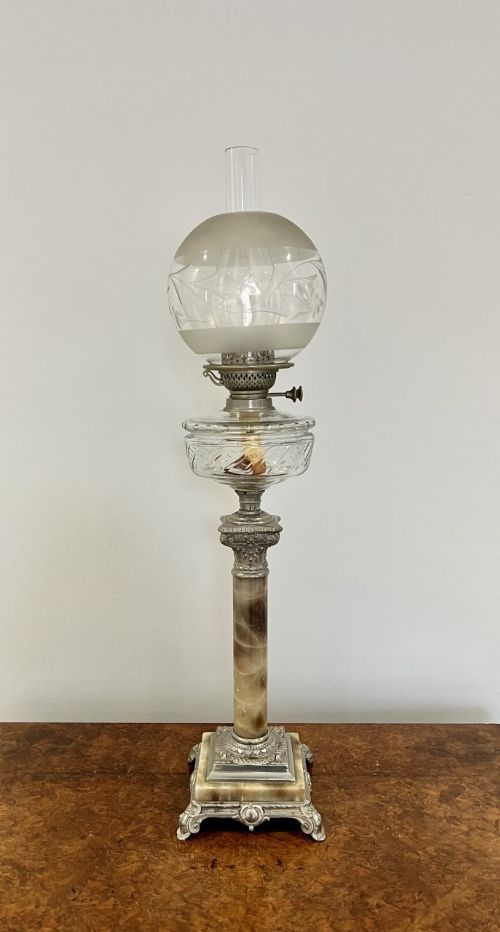
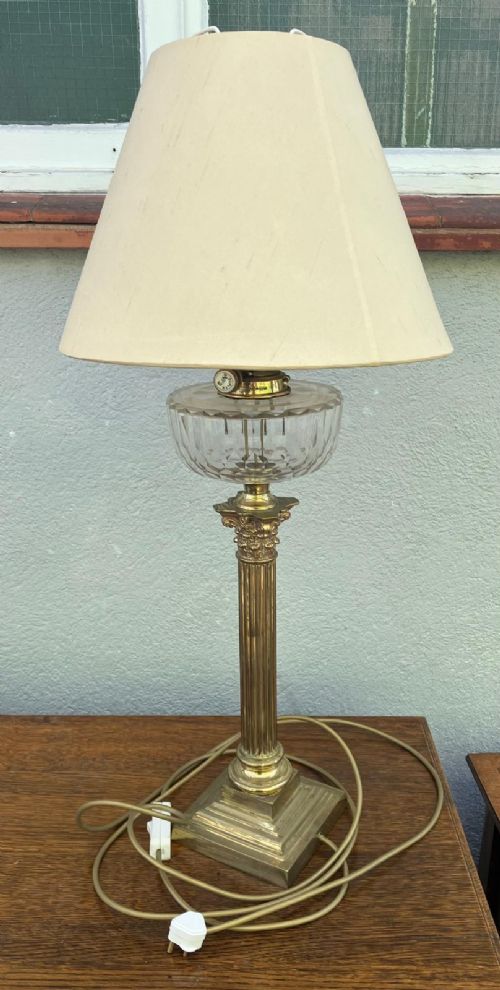
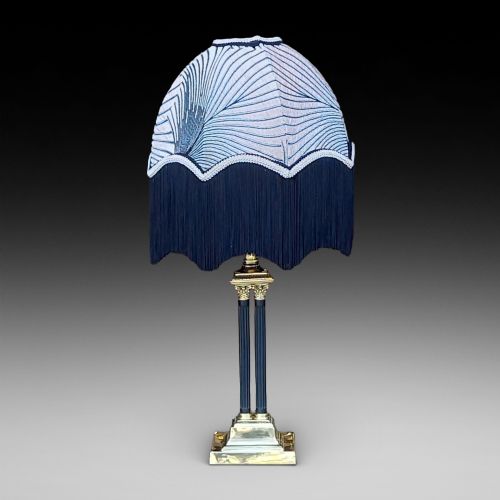
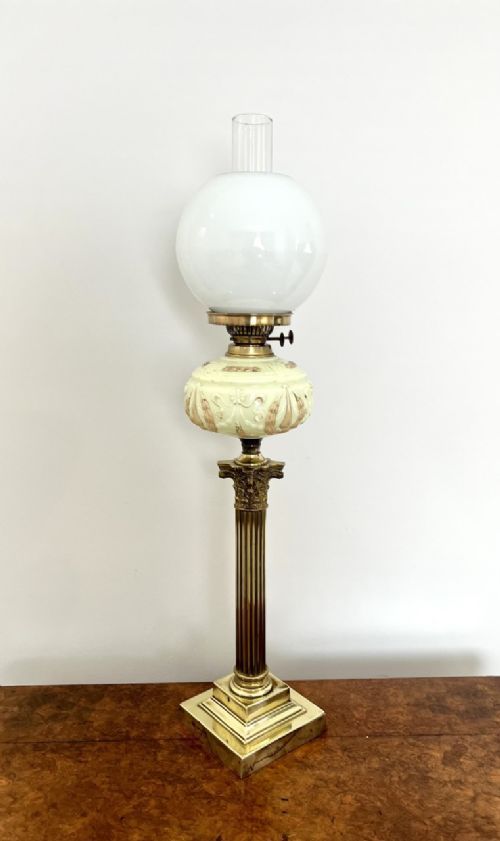
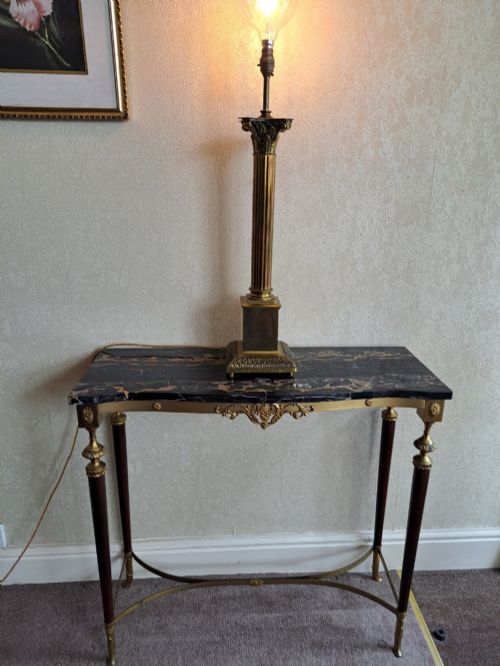
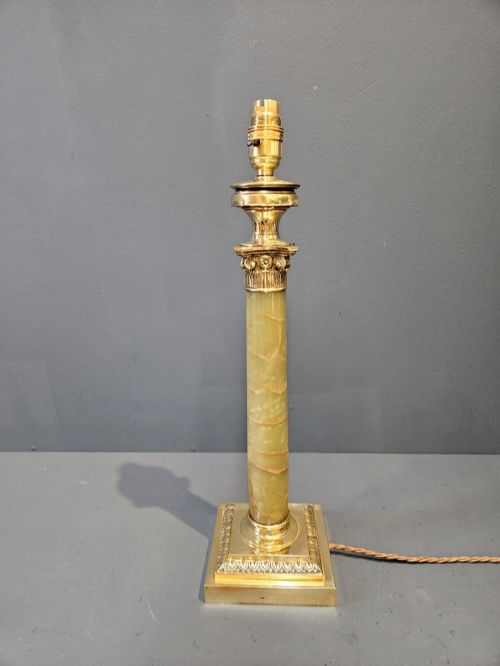
Table lamps and standard floor lamps dominate the selection, often pairing the cast brass column with glass fonts, fabric shades, or heavy marble bases. Oil lamps converted to electricity sit alongside original desk candlesticks and tall floor-standing standards.
Origins stretch across the nineteenth and early twentieth centuries, capturing the Victorian classical revival and Edwardian neoclassical tastes. Pairs frequently appear, suggesting they were made to flank grand mantelpieces or sideboards in period homes.
Materials and construction
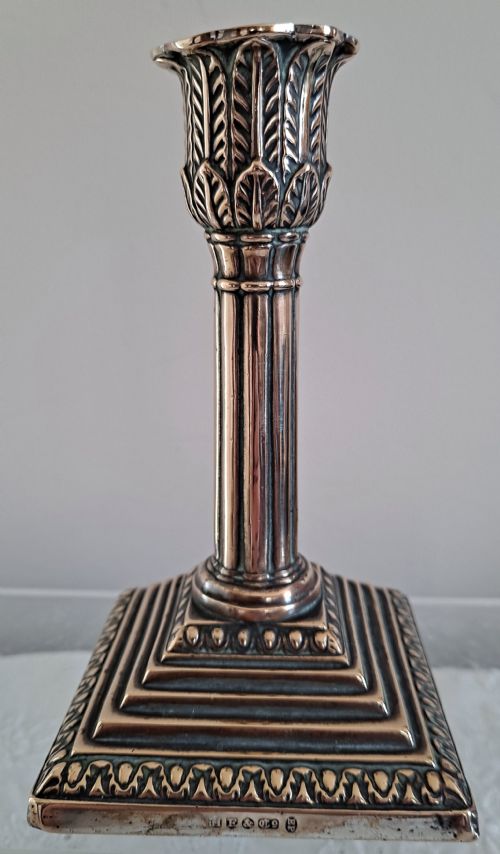
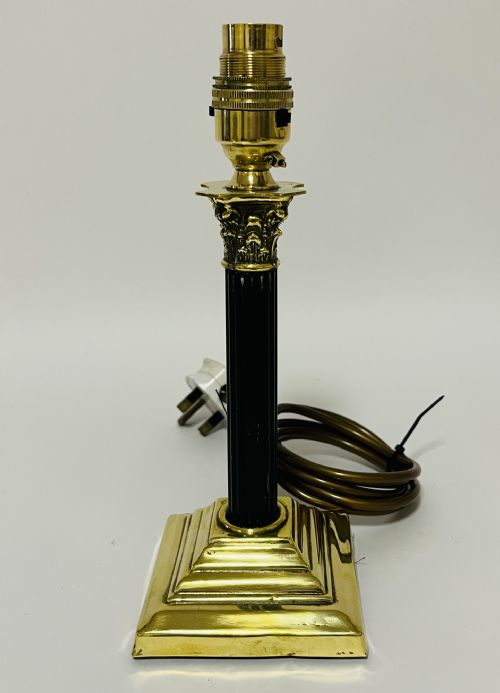
Foundries cast brass in sections, shaping the intricate acanthus leaves and volutes of the capital separately from the central fluted shaft. Heavy stepped bases provide stability for tall floor standards and table oil lamps.
Makers integrated brass with contrasting materials, mounting metal columns on black marble plinths or incorporating ceramic and cut glass fonts. Oil lamps feature glass reservoirs in plain, etched, or cranberry shades, occasionally retaining old duplex burners stamped by makers like Hinks.
Masonic lodges clearly loved ancient architecture, ordering tall painted brass columns to serve as exceptionally grand candlesticks during meetings.
Judging quality
The crispness of the casting defines the upper tier of these pieces, where acanthus leaf details on the capital remain sharp and deep rather than soft or smoothed over. Heavier gauge brass provides substantial weight and prevents the column from leaning.
Hinks of Birmingham·Philippes Paris
The Brass Corinthian Column Glossary
- Capital
- The topmost member of a column, featuring carved acanthus leaves and scrolls in these designs. It requires careful casting to achieve crisp detail.
- Duplex burner
- A double-wick mechanism found on period oil lamps, allowing brighter illumination. They often bear maker names on the thumb turns.
- Font
- The oil reservoir sitting atop the column, frequently rendered in glass or cranberry glass. Some feature etched floral motifs.
- Standard lamp
- A tall floor-standing lamp designed to illuminate a room from standing height. Many period examples include adjustable height stems.
- Neoclassical
- A revival style drawing on ancient Greek and Roman architecture. It informs the strict symmetry and fluted column forms seen here.
Brass Corinthian Column: Frequently Asked Questions
How do I convert an oil lamp?
Many buyers choose to wire period oil lamps for electricity while retaining the original burner mechanism and collar. Professional rewiring ensures the cable passes safely through the central column without damaging the brass.
Retaining the burner gallery allows a glass shade or fabric fitting to sit securely on top. The transformation keeps the historical silhouette intact while making the piece practical for daily illumination.
Are pairs difficult to find?
Matching pairs appear regularly across Victorian and Edwardian listings, originally intended to balance grand reception rooms or mantelpieces. Finding identical heights and patination requires looking for pieces cast from the same workshop.
Many survived together because they flanked larger pieces of furniture or fireplaces. Checking the base weight and capital details confirms whether two lamps belong to the same original pairing.
How should I clean the brass?
Polishing depends entirely on the existing surface patination and personal preference. Some collectors prefer a dark, undisturbed historical finish while others maintain a bright polished appearance.
Harsh chemical abrasives should be avoided to protect the fine details of the cast acanthus leaves. A soft cloth and mild cleaner preserve the crisp edges of the neoclassical ornament.
How do I date a column?
Dating relies on base construction, weight, and associated components like glass shades or burner types. Victorian examples often feature heavier cast bases and distinct neoclassical proportions.
Edwardian pieces can show slightly lighter construction or different assembly methods in the column sections. Marked components or patent stamps provide the most reliable chronological anchors.