



Brass Claw Foot Box
These brass claw foot box examples bring functional elegance to any interior through sturdy metalwork and refined period forms.
Brass Claw Foot Box
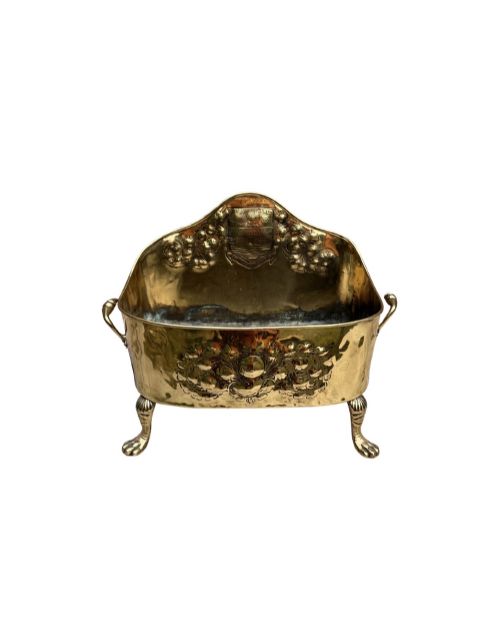
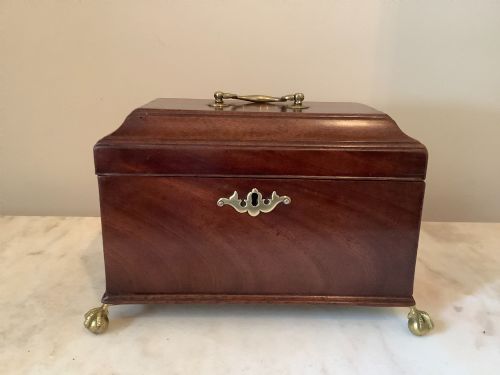
A brass claw foot box covers a diverse selection of containers resting upon distinct foot mounts, uniting utilitarian objects with decorative metalwork. Buyers searching for a brass claw foot box encounter various storage vessels and planters originating from Georgian, Regency, and Victorian periods.
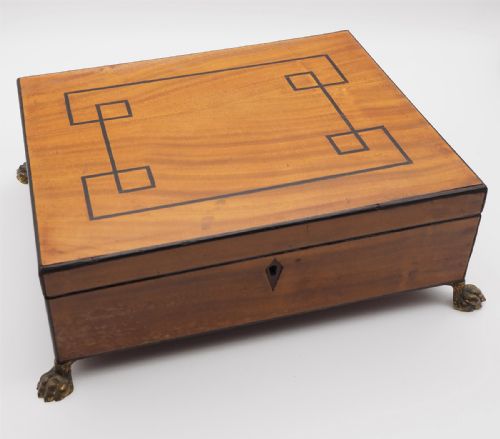
Most items combine timber bodies with prominent metal mounts, frequently pairing polished brass feet with mahogany or leather exteriors. This combination provides both structural durability and distinct visual character.
How they were made
Construction relies upon traditional cabinetmaking methods utilising woods like mahogany, satinwood, and pine as foundational carcases. Artisans applied leather bindings, ebony inlay, and repoussé decoration to enrich the external surfaces.
Metal components including brass mounts, animal heads, and claw and ball feet were cast or hand-beaten before being secured to the wooden or metal bodies. These decorative elements anchor the containers visually while elevating their status.
Brass Claw Foot Box Retail Price Guide 2026
Typical asking prices for brass claw foot box among the pieces listed under this phrase on Sellingantiques today, from the lower quarter to the upper quarter. They describe what is for sale here now, not the wider market.
Some containers feature animal head mounts alongside their signature feet, giving domestic storage a distinct menagerie charm.
What varies in quality
Quality separates objects through the precision of the cabinetwork and the crispness of the metal casting on the feet and mounts. Finer examples display meticulous inlay work and substantial brass elements rather than simple surface plating.
The integrity of secondary materials, such as leather bindings or internal secret drawers, distinguishes standard production from superior pieces. Cohesion between the period style and the decorative hardware dictates the overall success of the design.
The Brass Claw Foot Box Glossary
- Repoussé
- A metalworking technique where the metal is hammered from the reverse side to create a raised design on the front. This method appears on planters and decorative vessels.
- Casket
- A small ornamental box or chest used for holding valuables or jewellery. These often feature internal compartments and secure lids.
- Jardiniere
- An ornamental pot or stand for holding plants or flowers. These items are frequently manufactured from brass or copper.
- Tea caddy
- A box or jar used to store tea leaves safely in domestic settings. Georgian and Regency versions sometimes incorporate secret drawers.
- Pedestal work table
- A small table fitted with a box or bag for holding needlework or sewing supplies. These rest on a central pillar with supporting feet.
Brass Claw Foot Box: Frequently Asked Questions
What were these boxes used for?
These containers served various domestic functions, from securing personal valuables and jewellery to storing loose tea leaves in the home.
Larger versions operated as planters or fireside storage vessels for coal and logs.
How do I date these items?
Dating relies upon identifying the prevailing stylistic traits, such as Regency mahogany forms or Aesthetic Movement details.
Construction methods and the specific styling of the brass feet also help place pieces within the Georgian, Victorian, or Edwardian periods.
Where should I place a jardiniere?
Jardinières work effectively as freestanding planters in reception rooms or hallways to display indoor greenery.
Their metal construction allows them to safely house potted plants while adding a decorative period accent to the interior.
Are these items purely decorative?
Most pieces retain their original utility, offering practical storage compartments or functional planting vessels.
Buyers can utilise jewellery caskets for safekeeping small items while displaying the decorative metalwork.