




Brass Cheval Mirror
A brass cheval mirror stands tall to reflect the whole figure, offering elegance and functional grace to a dressing room.
Brass Cheval Mirror
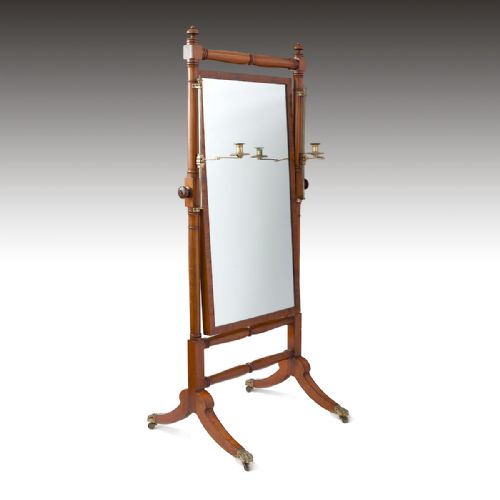
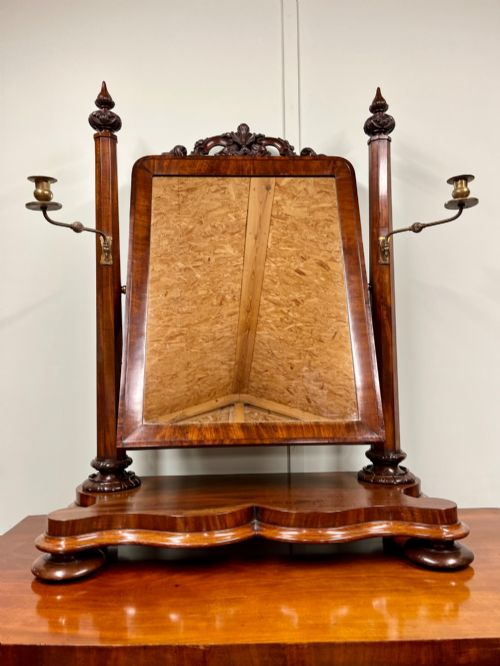
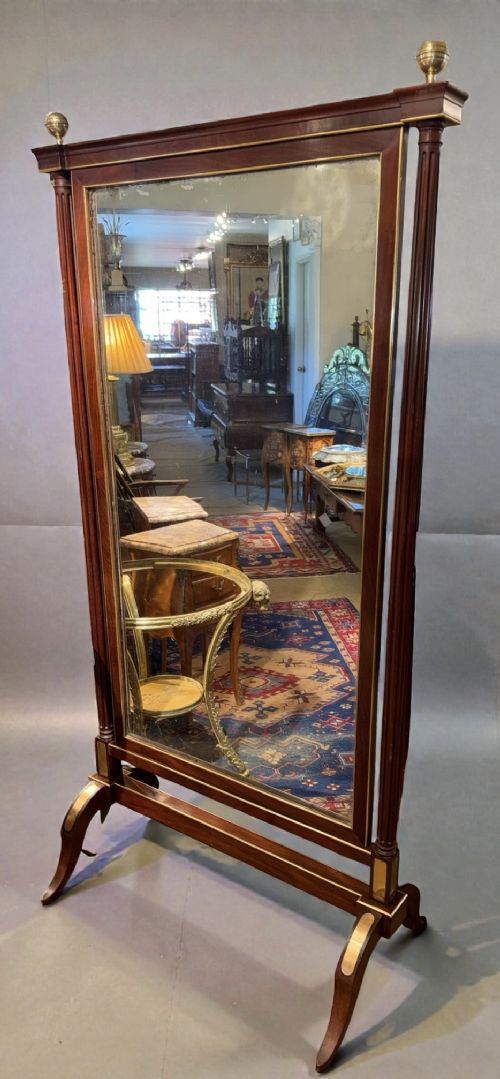
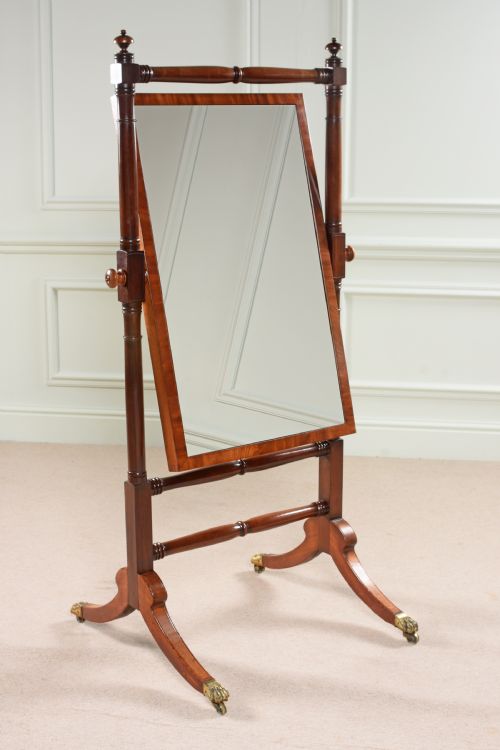
A brass cheval mirror is a freestanding, full-length glass plate held within a frame, mounted on pivots so the glass tilts freely. The evidence shows these pieces span the eighteenth century through the twentieth century, taking forms from grand Regency country house stands to Edwardian cast frames.
The most common versions met on this page combine brass framing or mounts with rich timber frames such as mahogany, flame mahogany, and burr walnut. Buyers also encounter heavier cast brass standing frames and smaller table variations designed for dressing tables.
Originating largely from British and French workshops, these pieces reflect distinct periods including Regency, Victorian, and Edwardian design. The pivoting mechanism remains central to their utility, allowing the user to adjust the angle of the glass with ease.
Materials and Construction
Construction relies upon combining cast or sheet brass with solid timbers like mahogany, oak, and walnut, often secured with brass sabots, castors, and adjustable pivots. Metal elements provide structural support and decorative contrast against polished wood grains.
Makers utilised techniques such as fire gilding, ormolu casting, and fine cabinetmaking to shape the frames and mountings. Glass plates are held securely within adjustable brackets, sometimes accompanied by articulated candle holders or inlaid brass details.
Some nineteenth-century dressing mirrors included articulated candle holders so users could check their evening attire by candlelight.
Judging Quality
Quality rests in the weight of the metal, the crispness of the cast mounts, and the depth of figure in the timber frame. Heavy cast brass components and substantial mahogany or walnut indicate superior craftsmanship compared to lighter, later alternatives.
The smoothness of the pivoting mechanism and the integrity of the original mirror plate define the excellence of a piece. Finer examples display meticulous attention to detail in brass mounts, sabots, and any integrated candle arms or inlays.
The Brass Cheval Mirror Glossary
- Cheval mirror
- A freestanding full-length mirror mounted on a frame with side pivots allowing it to tilt. The word derives from the French for horse, reflecting the four-legged support frame.
- Ormolu
- Gilt bronze mounted or applied to furniture and decorative objects. This technique creates a rich golden finish popular in French Empire and nineteenth-century pieces.
- Sabot
- A metal shoe or sleeve fitted to the foot of a furniture leg for protection and decoration. These are frequently cast in brass on Regency and Victorian pieces.
- Toilet mirror
- A smaller mirror designed to sit upon a dressing table or chest of drawers. They often feature small storage drawers within the base stand.
- Swing mirror
- A glass plate hung on pivots between upright supports enabling movement. This design allows the user to alter the viewing angle.
Brass Cheval Mirror: Frequently Asked Questions
Where should I place a cheval mirror?
Position the piece in a bedroom or dressing room where floor space permits adequate clearance for the tilting frame.
Ensure natural or artificial light complements the glass angle to maximise both room brightness and reflection utility.
How do I adjust the mirror angle?
Gently tilt the glass plate using the side pivots located on the upright supports. Most period pieces feature adjustable thumbscrews or balanced pivot pins to hold the glass firmly in position.
Take care to support the glass with one hand while loosening or tightening the mechanism to prevent sudden movement.
Are these mirrors suitable for daily use?
Sturdy construction from solid timbers and cast brass makes these frames robust enough for everyday dressing routines.
Regular checks on the pivot fixings ensure the mirror remains secure within its freestanding base during daily tilting.
How do I identify a Regency period piece?
Look for classical proportions, sabre legs, and precise brass mounts typical of early nineteenth-century cabinetmaking. Timbers like mahogany and rosewood with understated brass inlay often signal this era.
Construction details such as hand-cut joints and original mercury or early silvered glass plates further support period attribution.