

Brass Ceiling Light Shade
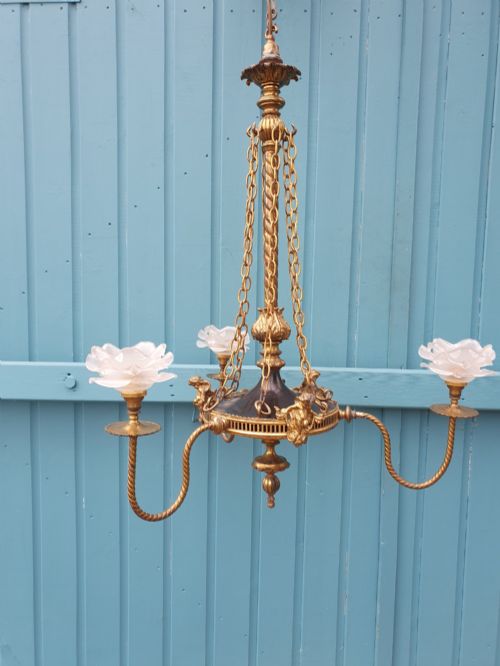
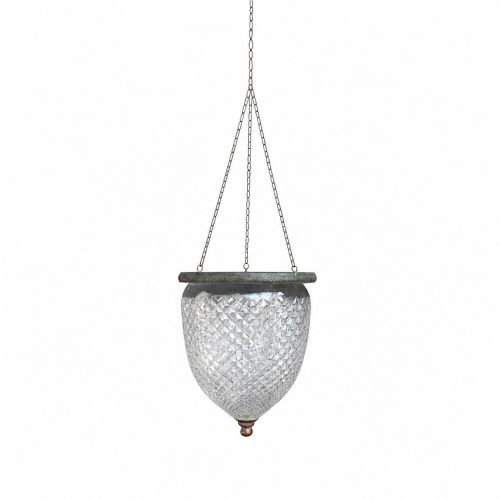
When choosing a brass ceiling light shade, you are selecting an illuminating fixture that combines period metalwork with decorative glass to transform a room.
Brass Ceiling Light Shade
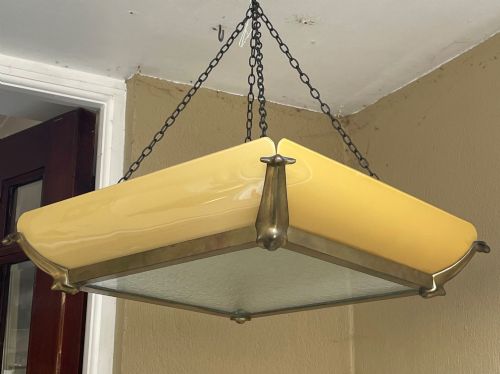
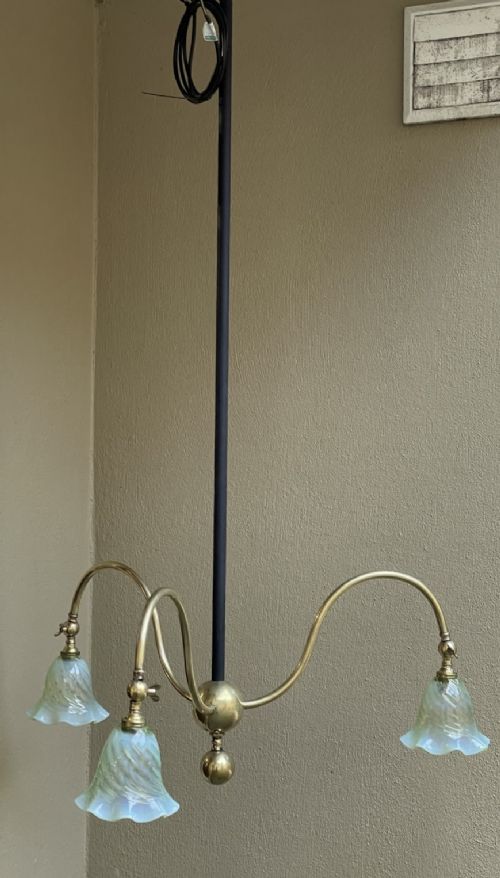
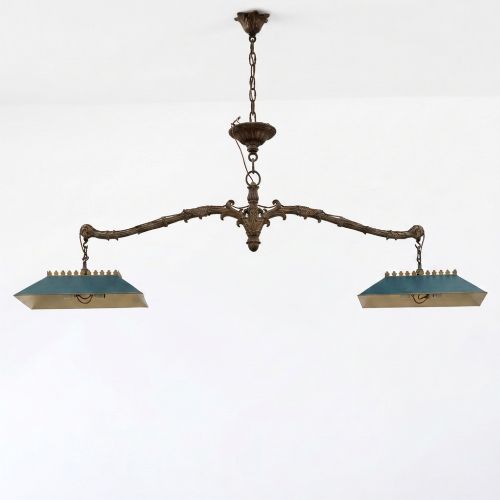
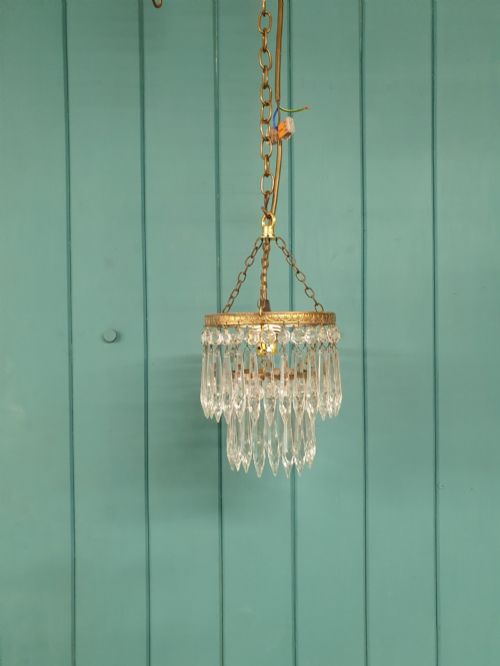
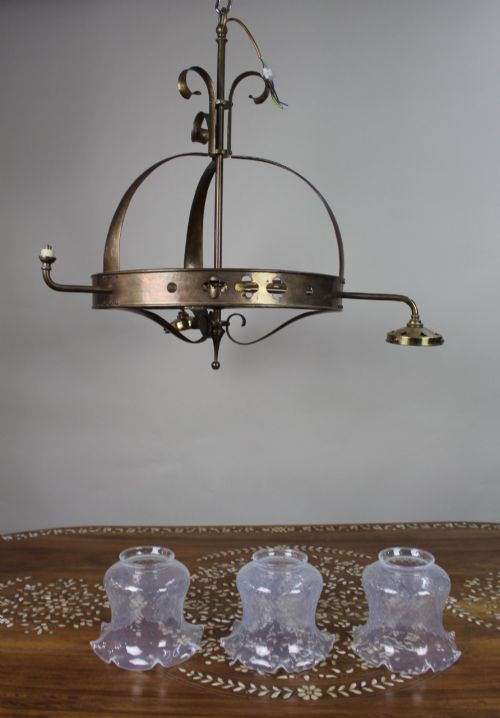
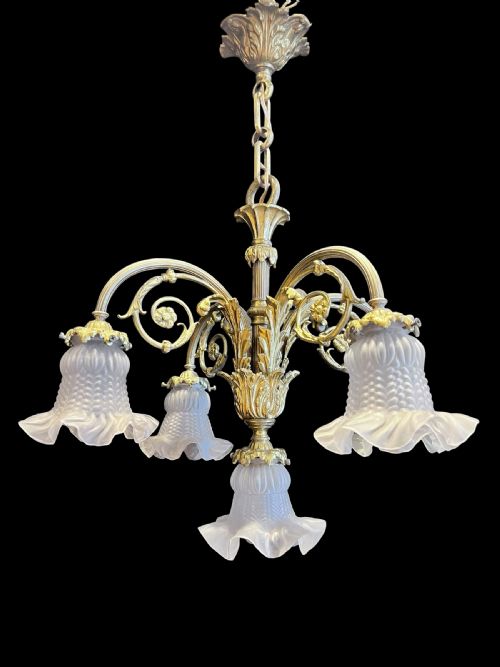
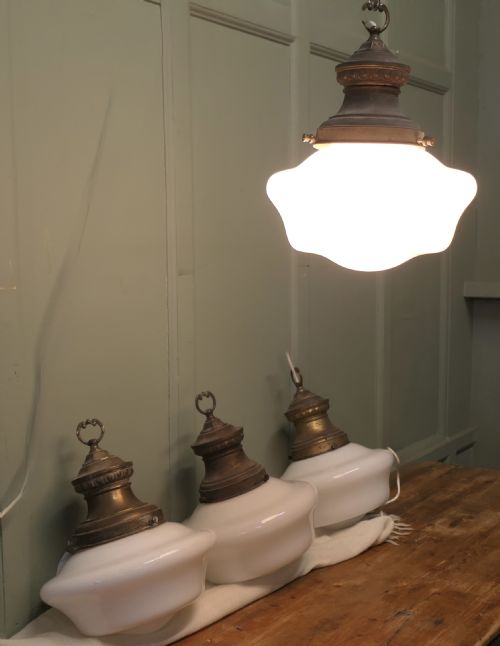
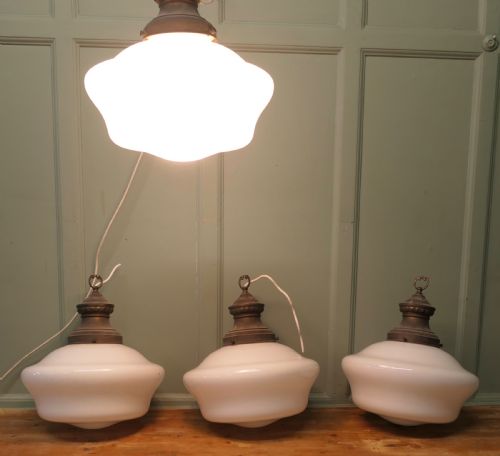
A brass ceiling light shade brings together a metal mount, often termed a gallery or frame, combined with glass components that diffuse illumination from above. When exploring this selection, buyers encounter formats spanning straightforward single pendants to multi-armed chandeliers and specialised rise and fall mechanisms.
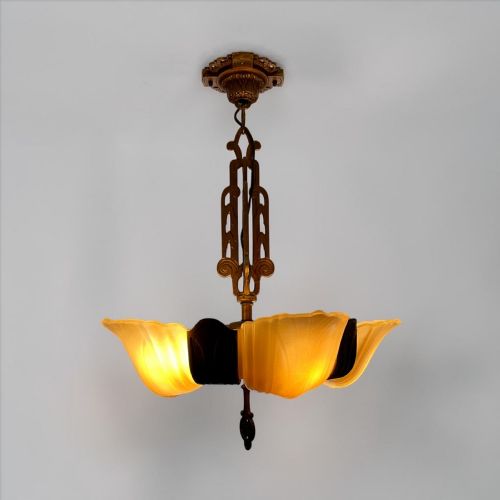
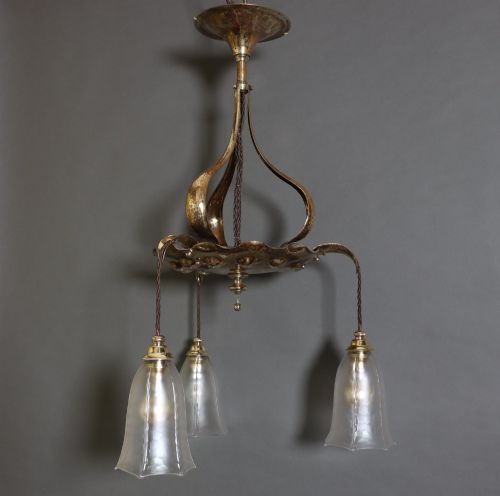
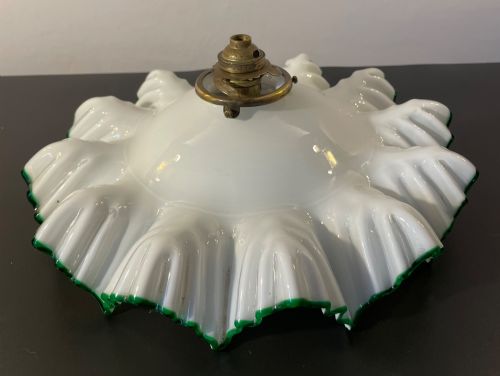
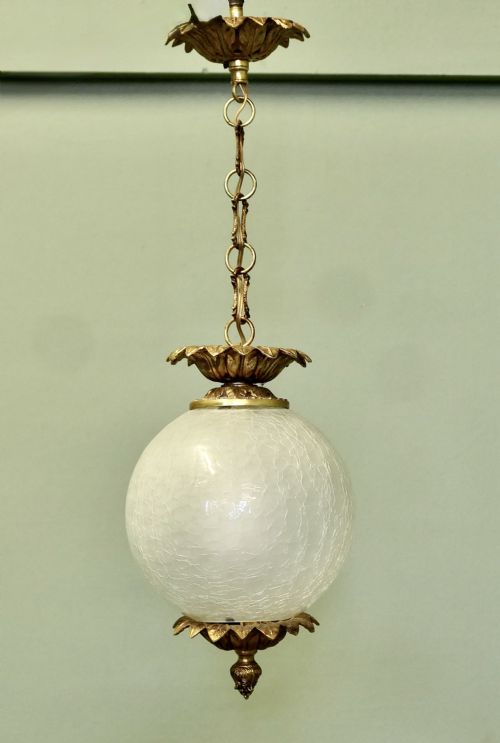
The pieces originating from the Victorian and Edwardian eras rely heavily on detailed brass castings paired with cut, frosted, or opalescent glass. Meanwhile, later designs from the nineteen-twenties and nineteen-thirties introduce geometric lines, industrial utilitarianism, and smooth opaline or crackle glass globes.
Whether applied in a domestic hallway, above a billiard table, or within a French chateau style interior, these fittings serve both functional and decorative roles. The surviving inventory bridges centuries of craftsmanship, offering authentic period lighting suited to traditional and modern rooms alike.
Materials and Construction Methods
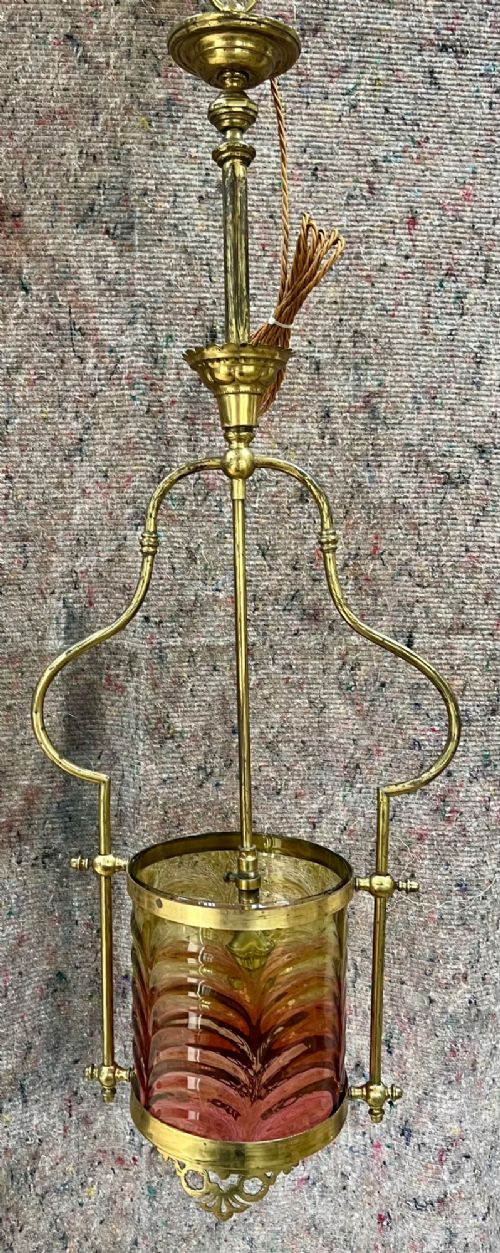
The foundation of these fixtures rests on brass, copper, and gilt metal, shaped through casting, spinning, or pressing to form robust galleries, frames, and ceiling plates. Metalwork from the nineteenth and early twentieth centuries often exhibits hand-finished patination, leaf motifs, or structural gas pole mountings.
Glass shades were produced using diverse techniques including mould-blowing, cutting, acid-etching, and staining to achieve opalescent, moonstone, cranberry, or clear crystalline effects. Artisans secured these glass elements into their brass mounts using screws, galleries, or specialised fitter rings.
Materials represented in these listings span brass, copper, and iron combined with cut, frosted, opaline, leaded, and stained glass across multiple centuries.
Distinguishing Features of Quality
Superior examples are distinguished by the weight and purity of the brass casting, where intricate details such as cherub arms, leaf designs, or maker markings remain crisp and well-defined. Heavier galleries and substantial metal components indicate robust construction designed to endure decades of use.
The quality of the associated glass is equally telling, marked by depth of colour, precision in hand-cut facets, and the absence of modern imperfections. Original matched components, such as intact frosted, opalescent, or leaded stained glass shades paired with their correct brass fixtures, elevate the integrity of the piece.
The Brass Ceiling Light Shade Glossary
- Gallery
- The metal ring or mount that holds a glass lampshade in place. It forms the structural connection between the suspension system and the glass globe or bowl.
- Plafonnier
- A ceiling-mounted light fixture where the shade sits flush or very close to the ceiling rather than hanging on a long suspension cord or chain.
- Rise and fall
- A mechanical pulley system utilising counterweights, allowing the height of the pendant light to be adjusted easily up and down.
- Opaline glass
- A milky, semi-translucent glass type popular in nineteenth and twentieth-century lighting, designed to soften and diffuse light evenly.
- Gasolier
- A historic lighting fixture originally designed for gas illumination, frequently converted to electricity while retaining its characteristic brass arms and stopcocks.
Brass Ceiling Light Shade: Frequently Asked Questions
How do I hang a heavy brass chandelier safely?
Heavy chandeliers require secure anchoring directly into ceiling joists or structural noggins using appropriate steel fixings rather than relying solely on plasterboard.
Consulting a qualified electrician ensures the wiring and suspension weight are safely supported according to current safety standards.
Can these vintage shades use modern bulbs?
Most antique and vintage fixtures accommodate modern LED or standard bulbs, provided the lamp holder dimensions and wattage limits match the original fittings.
Care should be taken with older delicate glass shades to ensure modern heat output does not exceed historical tolerances.
How do I identify a Victorian brass ceiling light?
Victorian examples frequently feature gas pole structures, heavy brass leaf ornamentation, and acid-etched or cut glass shades designed for gas burners.
They often display registration numbers or heavier patinated brass components typical of nineteenth-century metalworking techniques.