

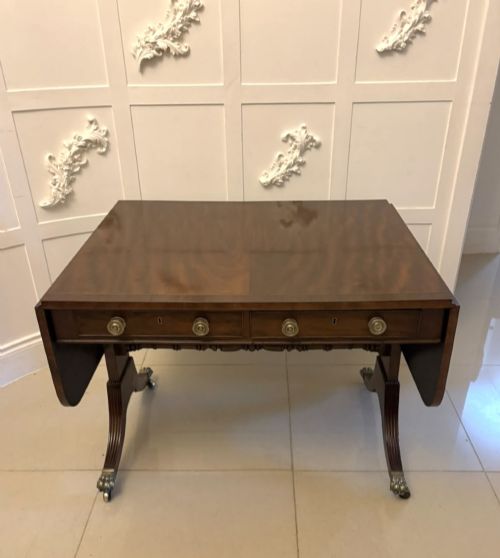
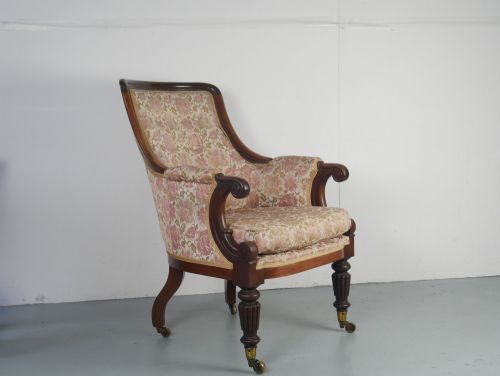
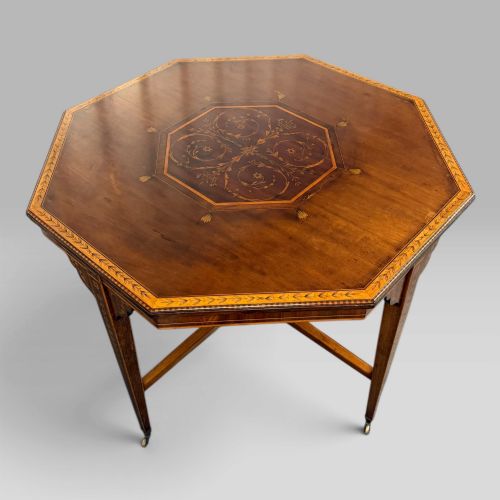
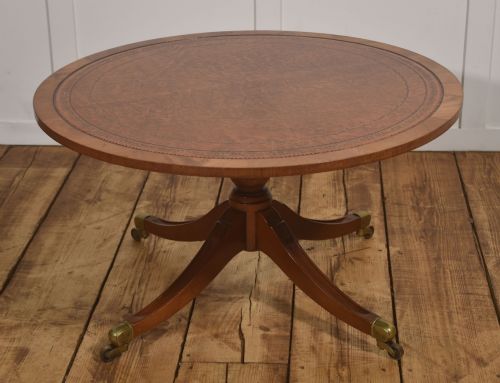

Brass Castors Furniture
Brass castors furniture brings mobility to heavy timber tables and seating, letting mahogany and rosewood roll smoothly across the floor.
Brass Castors Furniture
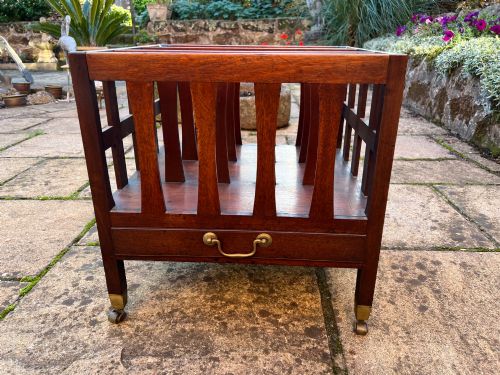
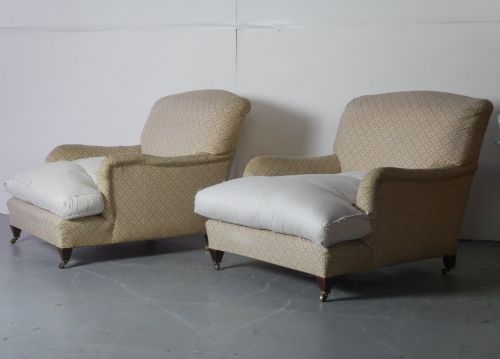
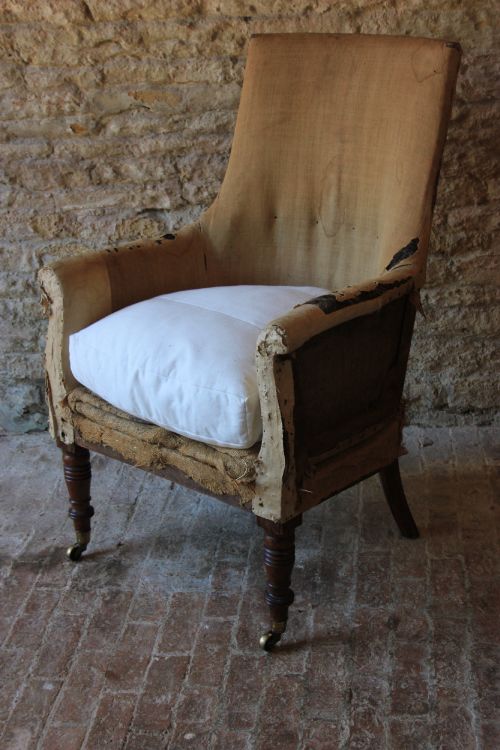
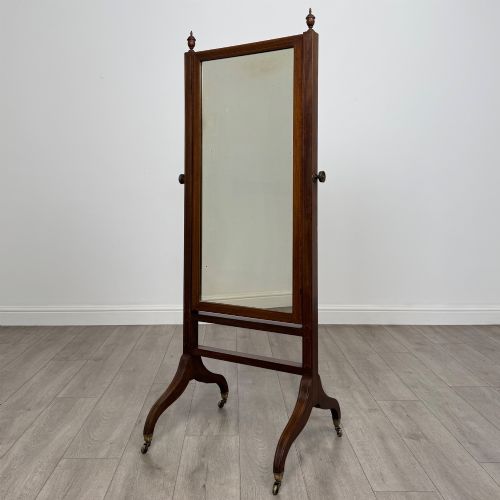
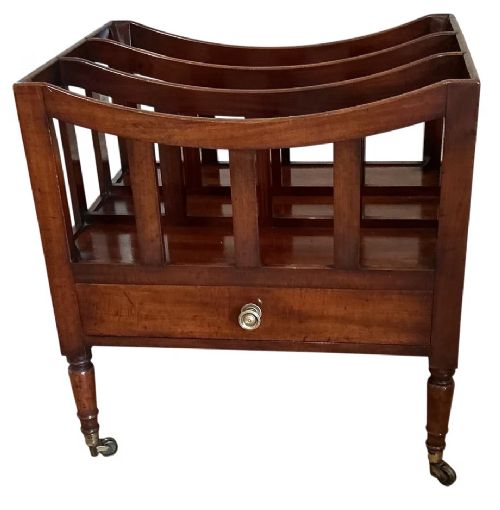
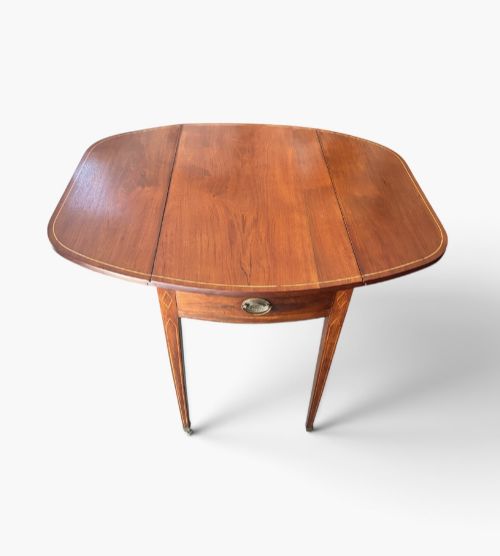
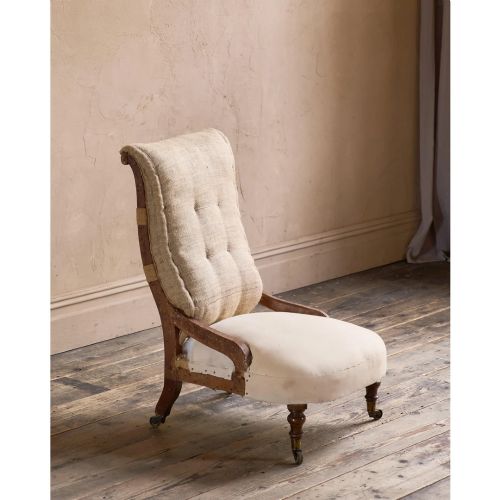
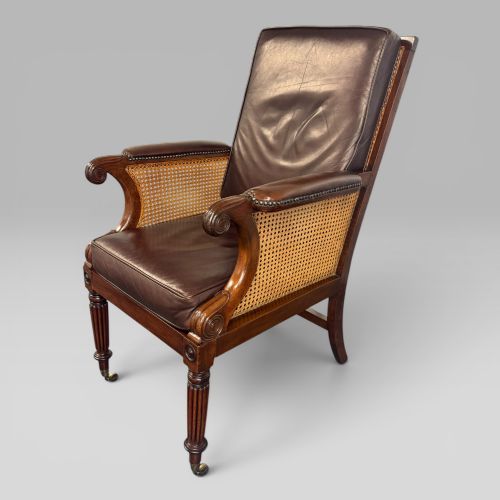
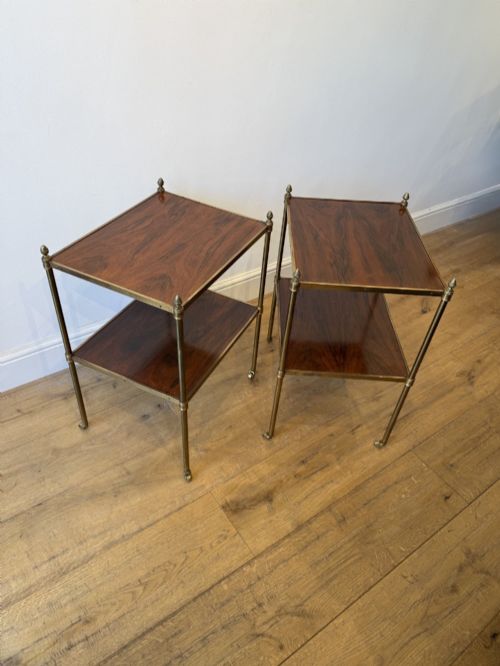
Brass castors furniture encompasses timber tables, armchairs, and storage pieces fitted with metal wheels for ease of movement. When searching for brass castors furniture, buyers encounter items dating from the eighteenth century through to the Edwardian period and the early twentieth century.
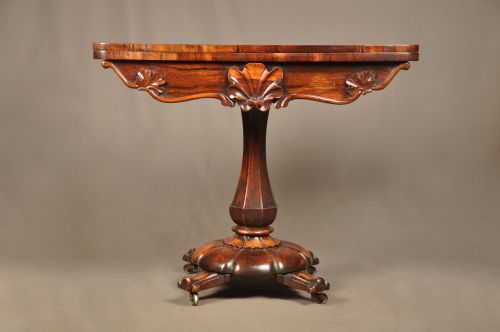
Dining tables, card tables, Pembroke tables, and library armchairs form the core of this selection. These pieces originate primarily from the Georgian, Regency, William IV, and Victorian eras, executed in timbers such as mahogany and rosewood.
How they were made
Cabinet makers constructed these pieces using solid and veneered timbers including mahogany, rosewood, and birdseye maple, often incorporating boxwood inlay for surface detail. Frames relied on traditional joinery techniques suited to large dining tables, desks, and seating.
Cast brass provided the material for the small wheels and sockets attached to table legs and chair bases. These metal mounts were screwed or pegged directly into the timber foot to bear the weight of heavy furniture.
Brass Castors Furniture Retail Price Guide 2026
Typical asking prices for brass castors furniture among the pieces listed under this phrase on Sellingantiques today, from the lower quarter to the upper quarter. They describe what is for sale here now, not the wider market.
The furniture spans multiple eras, including Georgian, Regency, William IV, Victorian, and Edwardian periods.
What varies in quality
The standard of timber selection and cabinet work dictates the grade of a piece, from simple side tables to grand triple-pillar dining tables. Crispness in inlay work and the solidity of the underlying mahogany or rosewood frame separate workshop output.
The weight and finish of the cast brass hardware itself indicate the care invested in production. Matching original metal mounts across all legs maintain the integrity of a piece far better than later replacements.
Whytock & Reid·Howard and Sons·Hindley & Sons·W Williamson & Sons·Harrods, London
The Brass Castors Furniture Glossary
- Castor
- A small wheel mounted on a swivel, fixed to the base of a piece of furniture to allow rolling. These small fittings are usually made of cast brass and attached to table legs and chair feet.
- Pembroke table
- A small rectangular table with hinged drop flaps on either side. These tables often stand on slender legs fitted with brass castors.
- Card table
- A folding table designed for gaming, typically featuring a baize-lined interior surface. Many examples from the Regency period stand on pillar bases supported by scrolled feet with brass castors.
- Whatnot
- A set of open shelves supported by small columns, used for displaying ornaments or holding books. These tiered pieces frequently include small drawers and stand upon castors.
- Bergère
- An enclosed upholstered armchair with wooden framing exposed around the sides and back. These chairs often incorporate cane panels and sit low on castors.
Brass Castors Furniture: Frequently Asked Questions
What periods do these pieces date from?
The pieces span from the eighteenth century through the Regency and Victorian eras up to the early twentieth century. Georgian and Regency examples feature alongside later revival items.
Craftsmen across these periods applied brass wheels to dining tables, desks, and seating to ease movement in large rooms.
How do I care for wooden tables with castors?
Keep the timber clean with a soft cloth and apply traditional beeswax periodically to nourish the mahogany or rosewood surface. Avoid excess moisture around the brass mounts.
Check the fixing points where the metal meets the wood to ensure the castors remain secure and roll without catching the floor.
Are the brass wheels original to the furniture?
Many items retain their original brass castors, though replacements occurred over centuries of domestic use. Examining the patina on the metal and the timber around the fixing pin helps determine age.
Matching fixings and appropriate wear patterns indicate that the hardware belongs to the period of the table or chair.
What timbers were used for this furniture?
Mahogany and rosewood dominate the selection, providing dense and durable foundations for large dining tables and library chairs. Boxwood appears frequently as fine stringing inlay.
Cabinet makers also utilised birdseye maple and fabric upholstery on specific seating and small etagere tables.