



Brass Castored Bench
A brass castored bench brings a solid, low-slung elegance and mobility to a room, combining substantial timber frames with useful wheels.
Brass Castored Bench
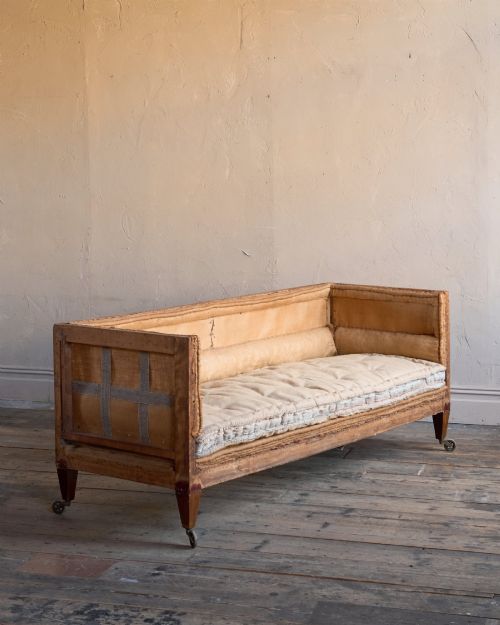
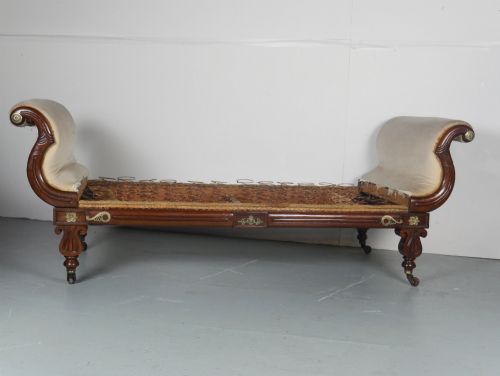
When you search for a brass castored bench, you are looking at low seating forms designed for shifting easily across a floor, encompassing large footstools, ottomans, window seats, and chaises longues. The pieces on this page span from the eighteenth century through the nineteenth century, taking in George III, William IV, and Victorian periods.
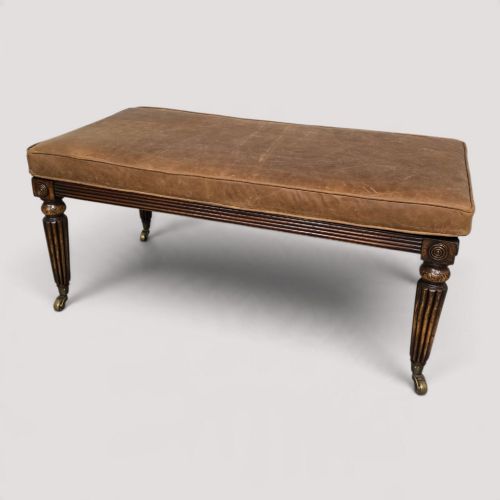
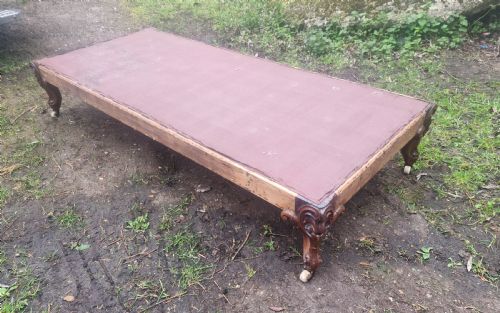
The version you are most likely to meet on this page is a Victorian stool or a nineteenth-century country house ottoman mounted on castors, often upholstered in fabrics like damask or leather. These low forms serve multiple rooms, functioning as footstools or extra seating beside a hearth or deep in a drawing room.
How they were made
Frames are built from hardwoods such as mahogany, walnut, and rosewood, offering dense structural integrity beneath heavy upholstery. Timber is turned or carved to suit prevailing styles, from Regency lines to Victorian rococo revival curves.
Metal fittings are integrated directly into the feet, pairing solid timber legs with brass wheels to handle frequent movement across carpets and floorboards. Surface textiles including leather, damask, and plain fabric are secured over internal padding to finish the piece.
Brass Castored Bench Retail Price Guide 2026
Typical asking prices for brass castored bench among the pieces listed under this phrase on Sellingantiques today, from the lower quarter to the upper quarter. They describe what is for sale here now, not the wider market.
Listings on this page span the 18th and 19th centuries, utilising materials including mahogany, rosewood, walnut, brass, leather, and damask.
What varies in quality
The distinction between ordinary and exceptional examples rests in the ambition of the timber framing and the crispness of any exposed carving. Pieces showing substantial dimensions and select timbers like rosewood or figured mahogany sit at the higher end of the range.
Upholstery condition varies considerably, as many low stools and window seats require fresh covering to match modern interiors. Original proportions and robust joinery determine whether a frame holds its historical integrity over centuries of use.
James Shoolbred
The Brass Castored Bench Glossary
- Castor
- A small wheel mounted on a swivel at the base of a leg to allow smooth rolling. These brass fittings are characteristic of heavy nineteenth-century seating.
- Chaise longue
- An upholstered long chair for reclining, combining a chair seat with an elongated footrest. Examples from the nineteenth century often feature scrolled ends.
- Window seat
- A narrow bench designed to fit within a window recess. These pieces frequently feature low arms and turned timber supports.
- Ottoman
- A low, upholstered seat without a back or arms, often built on a large scale. They function as both footstools and central room seating.
- Damask
- A reversible figured fabric woven on a jacquard loom with patterns visible on both sides. It appears frequently on formal nineteenth-century upholstery.
Brass Castored Bench: Frequently Asked Questions
What is a brass castored bench used for?
These pieces serve primarily as low seating, window benches, or expansive footstools placed in reception rooms and hallways. Their integrated wheels allow them to be repositioned easily without lifting heavy timber frames.
Historically, they provided flexible seating arrangements in large country houses where furniture was frequently moved to accommodate guests or gatherings.
How do I identify a Victorian footstool?
Victorian footstools often display deep buttoning, dark timbers such as walnut or rosewood, and robust proportions designed for heavy use. They frequently feature turned legs ending in metal wheels.
Later Victorian pieces may incorporate revival styles, borrowing heavier decorative elements from earlier Georgian and Regency periods.
Are these benches sturdy enough for daily seating?
The underlying hardwood frames of mahogany, walnut, and timber are built to withstand substantial weight and daily use. Their durability depends on the condition of the internal structure and joinery rather than the surface fabric.
Many examples survive in sound structural condition despite requiring new upholstery to suit contemporary living spaces.
How do I tell an 18th century piece apart from a 19th century one?
Eighteenth-century examples tend to reflect George III proportions and restrained joinery, showing lighter framing and distinct aesthetic restraint. Nineteenth-century pieces often favor heavier forms, buttoned upholstery, and more elaborate timber turning.
Examining the underlying timber and the method of construction helps clarify the period of origin.