
Brass Candle Pendant
A brass candle pendant brings historic illumination into a room, combining warm metalwork with multi-armed hanging frames designed for atmospheric overhead lighting.
Brass Candle Pendant
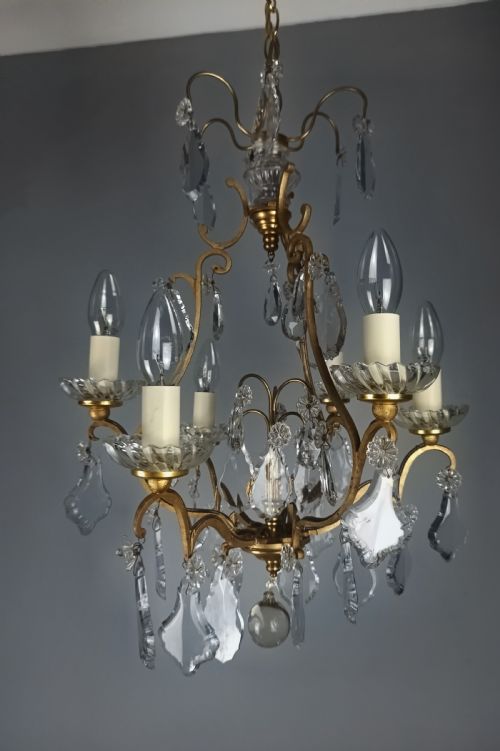
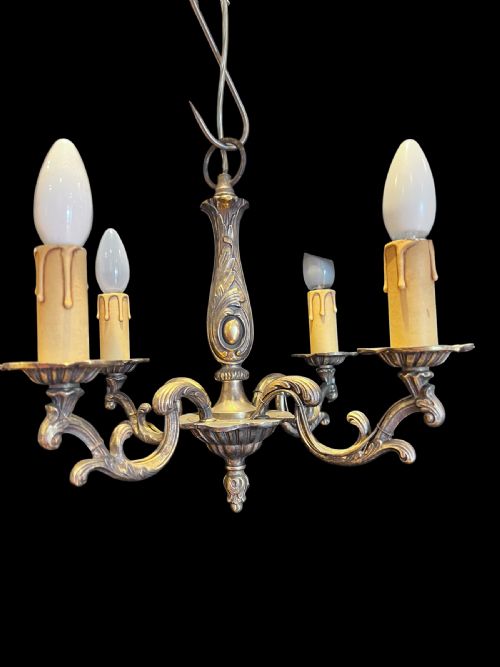
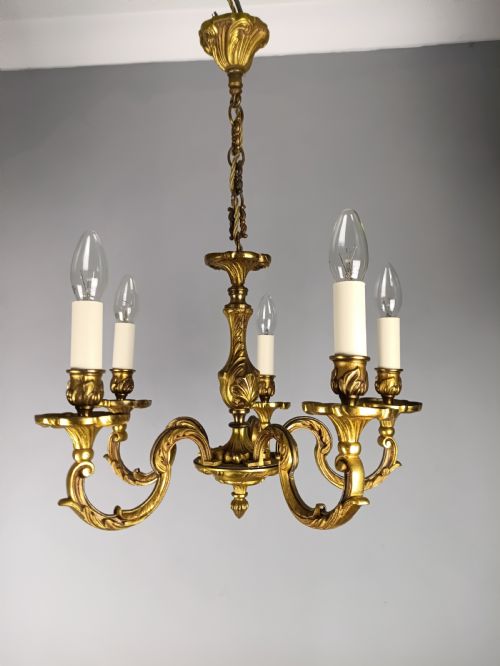
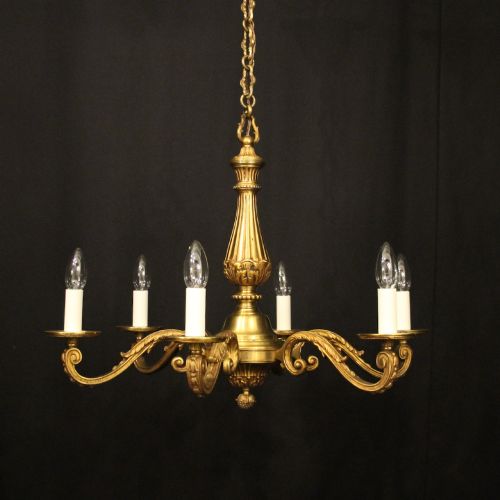
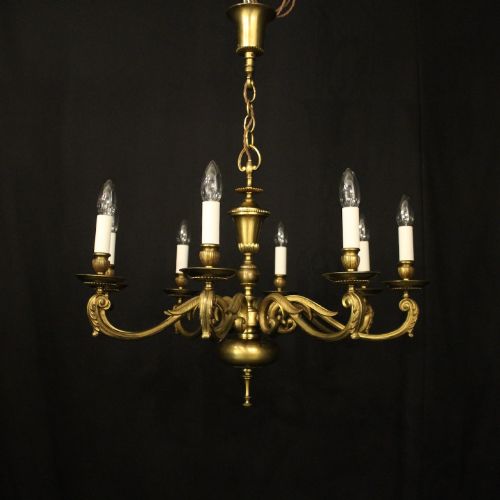
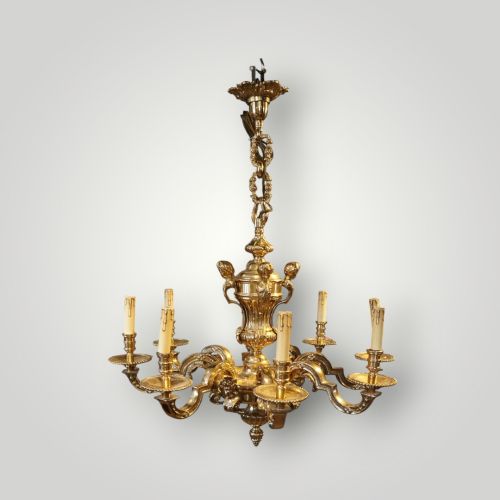
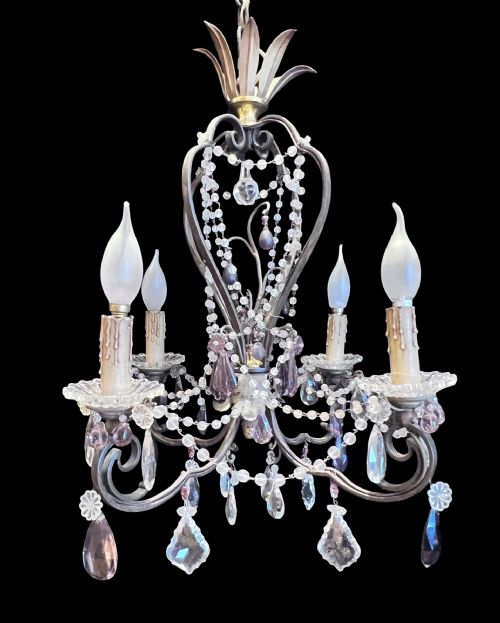
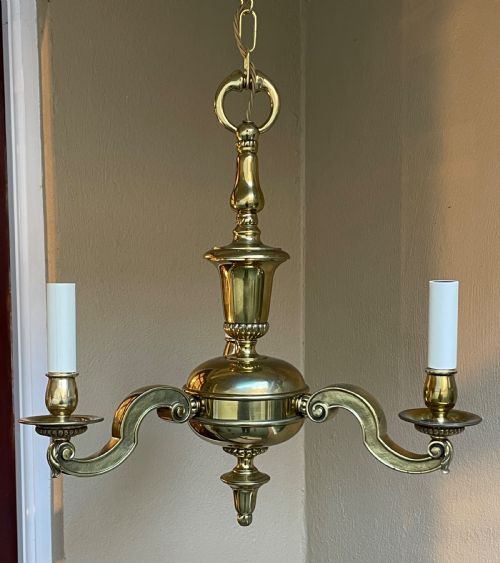
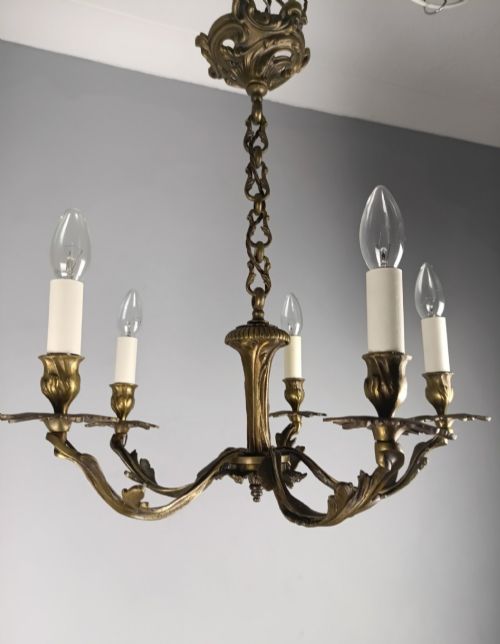
French designs dominate the selection, heavily influenced by Rococo, Neoclassical, and Baroque revival styles that incorporate decorative cast brass or gilt bronze. English and Dutch examples also appear, offering simpler lines or traditional Flemish brass work alongside glass and crystal additions.
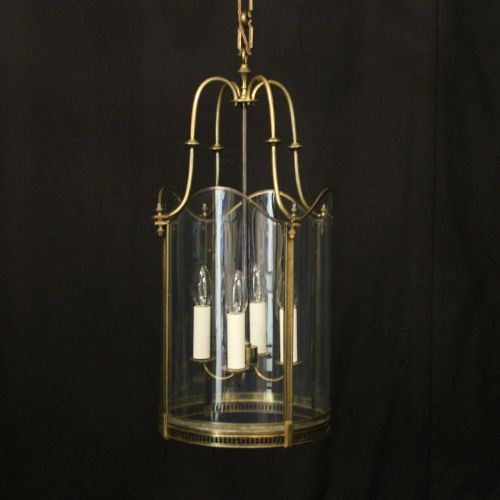
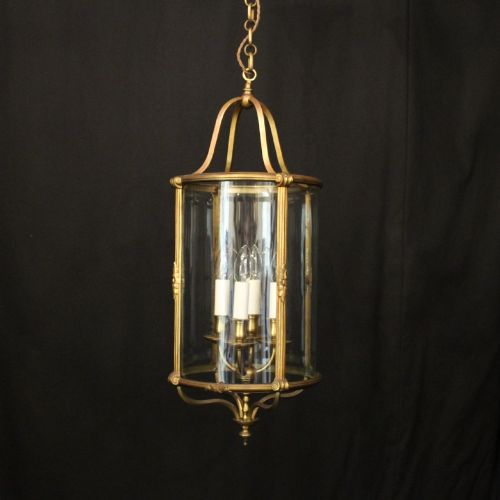
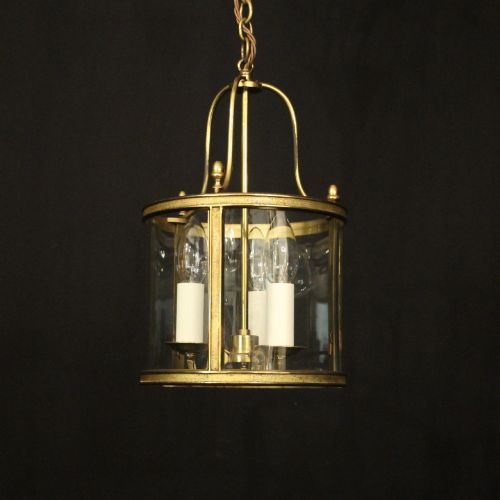
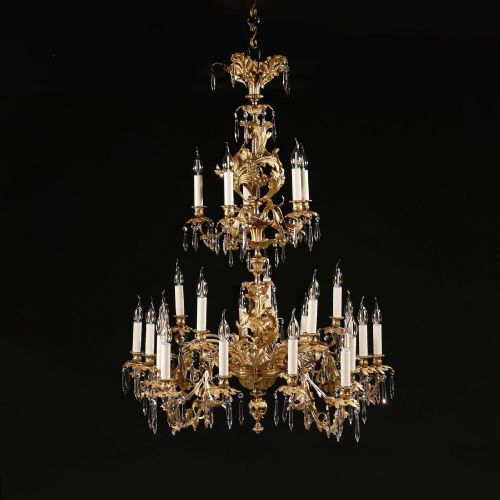
Object forms range from compact three-branch chandeliers to large twenty-five-light fixtures and convex hall lanterns. The common thread across these diverse origins is the heavy use of brass and related metal alloys configured for hanging suspension.
Materials and construction methods
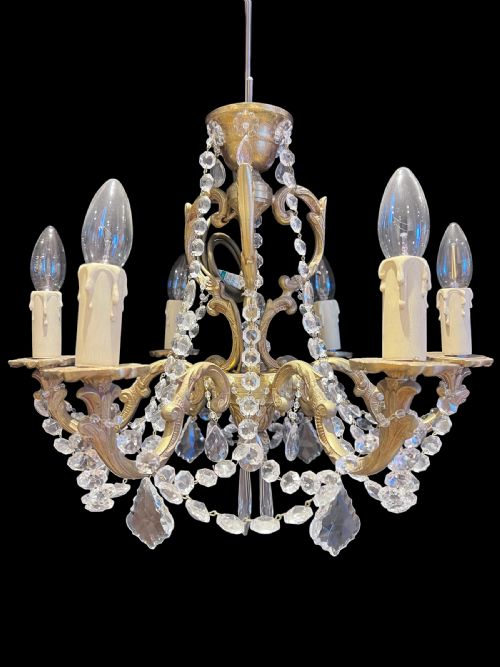
Makers utilised cast brass, gilt bronze, and gilded brass as the primary structural metals, often combining them with glass or crystal lustres to reflect light. Frames were formed through metal casting and hand-finishing, sometimes receiving a silver or gold gilt surface layer.
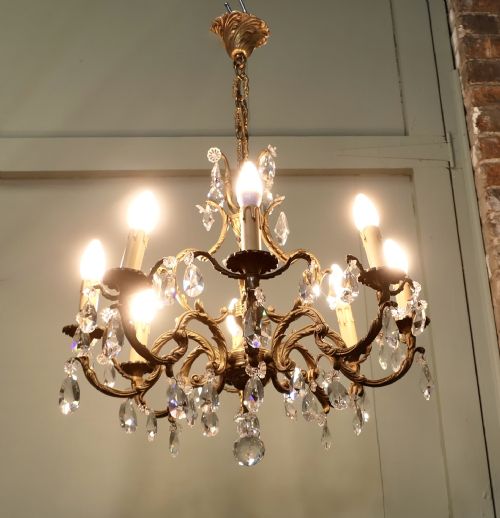
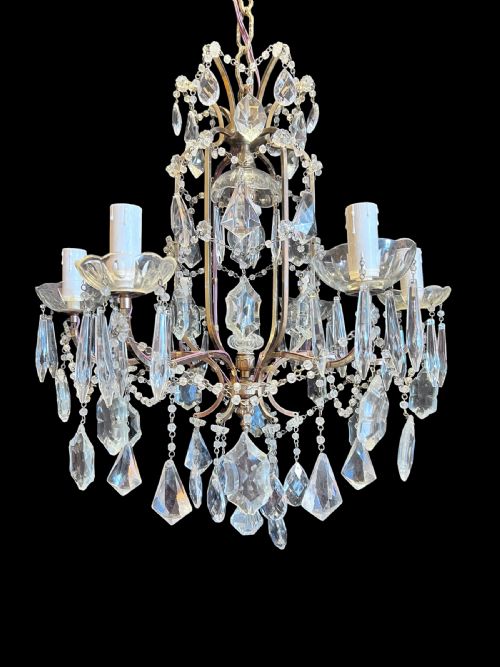
Chandeliers and lanterns incorporate threaded components, pinned joints, and detailed cast bobeches beneath candle branches. Crystal elements and amethyst glass drops are hand-wired to the metal framework using traditional brass pins.
Listings feature items spanning the 1890s to the 1930s, alongside nineteenth-century examples and Edwardian pieces.
Distinctions in manufacture and design
Quality separates simple production pieces from superior examples through the crispness of the brass casting and the depth of the hand-chased details. Heavier gauge metalwork and finely articulated decorative motifs indicate superior workshop output.
The integration of cut crystal lustres and the purity of the glass components create variance at the higher end of the range. Complete sets of matching candle branches and original fire-gilded surfaces elevate an object's decorative presence.
G.E.C
The Brass Candle Pendant Glossary
- Bobeche
- A small drip pan fitted beneath a candle nozzle to catch melting wax. This saucer-like component is frequently cast in brass to match the main chandelier frame.
- Gilt Bronze
- Bronze metal that has been coated with a thin layer of gold using mercury gilding or electroplating. This finish provides a warm, reflective surface characteristic of French decorative arts.
- Hall Lantern
- An enclosed hanging light fixture designed for entryways and corridors. These pieces often feature convex glass panels held within a brass or bronze framework.
- Crystal Lustre
- A cut glass pendant or drop hung from a chandelier to refract light. They attach via small wire loops fitted through drilled holes in the glass.
Brass Candle Pendant: Frequently Asked Questions
How do I hang a brass candle pendant?
These ceiling fixtures suspend from a central chain or ceiling loop attached to the main upper crown. Professional installation is necessary to support the combined weight of the metal frame and glass elements.
Electrical wiring must be routed safely through the hollow central stem or alongside the suspension chain during installation. Ensure the ceiling anchor is secured directly into structural timber to bear the load.
What periods do these pendants represent?
The lighting fixtures span from the late nineteenth century through the early decades of the twentieth century. Pieces from the 1890s and Edwardian era sit alongside items dated to the 1920s and 1930s.
Stylistic revivals heavily influence these dates, with makers reproducing French Baroque, Rococo, and Neoclassical designs long after their initial historical periods. Look to the casting methods and mounting hardware for clues to the actual manufacturing era.
How do I clean brass and crystal?
Dust metal surfaces gently with a dry, soft cloth to preserve patination and any remaining gilt layers. Avoid harsh chemical polishes that strip historical finish from cast bronze and brass.
Crystal lustres can be removed individually and washed in warm soapy water before drying thoroughly. Reattach them using secure brass wire to ensure nothing falls during subsequent use.
Where were these hanging lights used?
Multi-arm chandeliers typically illuminated principal reception rooms, dining spaces, and high-ceilinged parlours. Their branching candle points distributed light across wide areas.
Hall lanterns served narrower transition spaces like entrance halls, stairwells, and vestibules. Their enclosed glass sides protected the internal flames from drafts in busy corridors.