




Brass Branch Candelabra
Brass branch candelabra bring sculptural illumination to a room, combining cast metal arms with period forms from the nineteenth and early twentieth centuries.
Brass Branch Candelabra
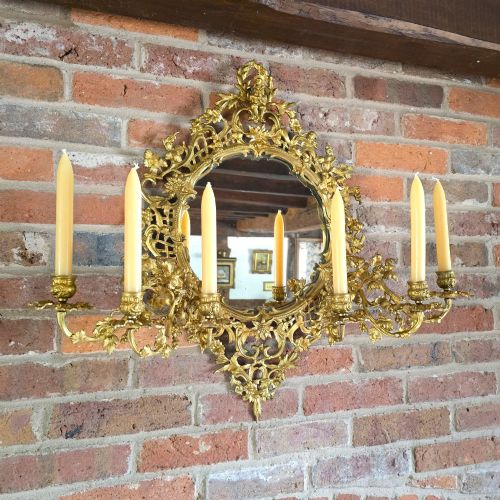
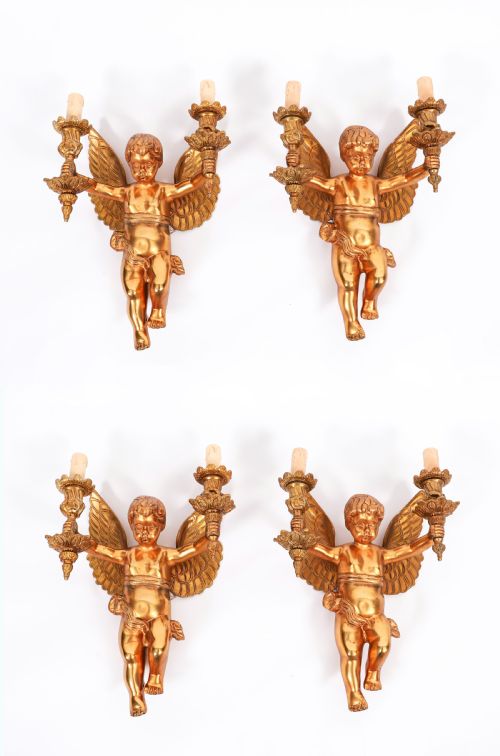
Brass branch candelabra encompass multi-armed lighting fixtures designed for tables, walls, and ceilings, drawing on forms produced across the nineteenth and early twentieth centuries. These pieces range from compact twin-arm table lights to large multi-branch chandeliers and wall-mounted girandoles.
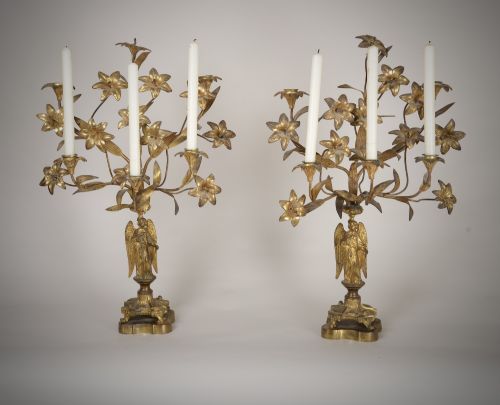
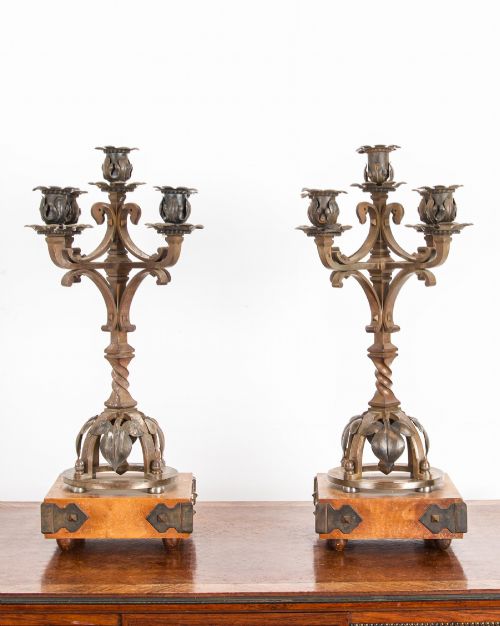
The version most commonly met on this page is the paired set of table candelabra, often carrying three to five branches. Such items frequently reflect historical revival movements, notably Gothic, Rococo, and Neoclassical styles.
Origins span British and continental workshops, with French output particularly evident in gilded ormolu and elaborate branch configurations. Materials regularly extend beyond plain brass to include patinated bronze, marble plinths, and crystal drops.
The spectrum of quality
Quality in these pieces rests upon the crispness of the metal casting and the depth of the finishing work. Superior examples display sharply rendered foliage and smooth, hand-chased surface details without the softness found in secondary casts.
The weight and gauge of the brass or ormolu dictate the structural integrity of the branching arms. Heavier, more substantial metalwork supports complex multi-arm designs securely, whereas lesser pieces rely on thin stampings and superficial plating.
Brass Branch Candelabra Retail Price Guide 2026
Typical asking prices for brass branch candelabra among the pieces listed under this phrase on Sellingantiques today, from the lower quarter to the upper quarter. They describe what is for sale here now, not the wider market.
Listings feature brass, gilt bronze, and ormolu paired with crystal, glass, and marble across nineteenth and early twentieth-century periods.
Wm. Tonks & Sons
The Brass Branch Candelabra Glossary
- Ormolu
- A gilded bronze technique utilising an amalgam of mercury and gold applied to a brass or bronze base. This process yields a distinctive matte and bright gold finish seen on nineteenth-century French lighting.
- Girandole
- A branched wall sconce or table candelabra featuring a mirrored backplate or crystal pendants. The reflective elements amplify the candlelight within a room.
- Candelabrum
- A multi-branched lighting device designed to hold more than one taper or candle. The plural form is candelabra, though single items often appear under the collective noun in trade listings.
- Pendeloque
- A cut glass or crystal drop suspended from the arms of a chandelier or candelabra. These pendants refract the light cast by the candles or bulbs.
- Patinated metal
- Metal surfaces altered by chemical treatment, age, or deliberate oxidation to produce a dark, aged finish. This contrasts with bright polished brass.
Brass Branch Candelabra: Frequently Asked Questions
How do I clean brass branch candelabra?
Dust the piece gently with a soft, dry cloth to prevent the accumulation of grime within the cast crevices. Avoid abrasive metal polishes that strip original patination or damage delicate gilt bronze and ormolu surfaces.
For stubborn residue, use warm water with a mild soap on a damp cloth, drying immediately with lint-free material. Check whether the piece has been electrified before applying any moisture near the wiring components.
Were these originally wired for electricity?
Most nineteenth and early twentieth-century examples began life holding wax candles on their branching arms. Many were converted later in the twentieth century to accept electric lamp holders and modern wiring.
When buying, inspect the bobs and nozzle cups to see if they retain their original drip pans or have been drilled for electrical cable. Unconverted pieces preserve their domestic history, while converted ones function as practical table or standard lamps.
How do I date a brass candelabra?
Examine the casting quality, assembly methods, and stylistic cues such as Gothic Revival or Rococo ornament. Nineteenth-century pieces typically feature heavy cast components joined by threaded hand-cut screws rather than modern machine fasteners.
Look for wear patterns around the base and candle sockets where repeated handling and cleaning have left traces. French examples often carry subtle foundry stamps or registration numbers on the underside of the mounting plate.
Where should I place a candelabra?
Position table candelabra as centrepieces on dining tables, sideboards, or mantelpieces where their branching form can be viewed from multiple angles. Wall-mounted girandoles suit entrance halls or living rooms at eye level to reflect natural and artificial light.
Ensure larger electric versions stand on stable, weighted surfaces that safely accommodate the reach of the arms. Keep them away from direct heat sources and strong draughts that might destabilise taller candlesticks.