
Brass Bracketed Chest
A brass bracketed chest is a sturdy wooden storage piece strengthened with metal corners, valued for its enduring utility and architectural detail.
Brass Bracketed Chest
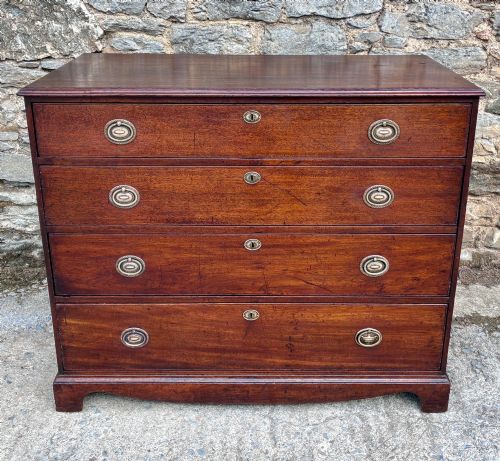
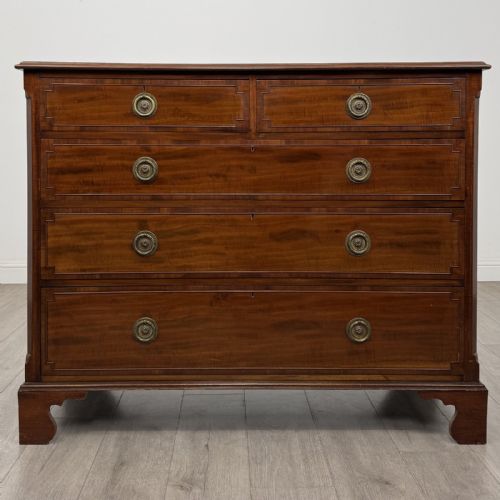
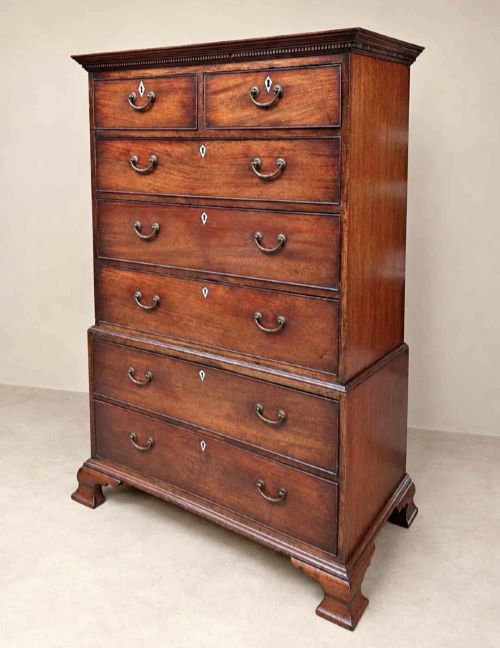
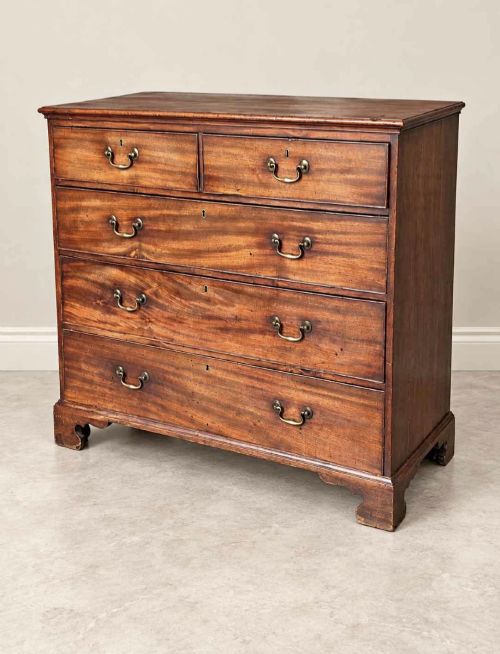
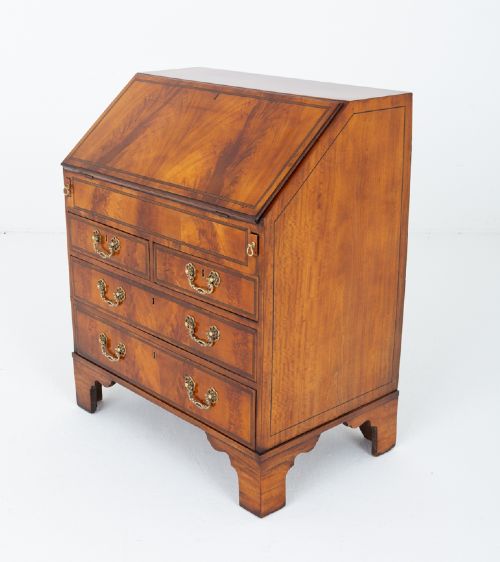
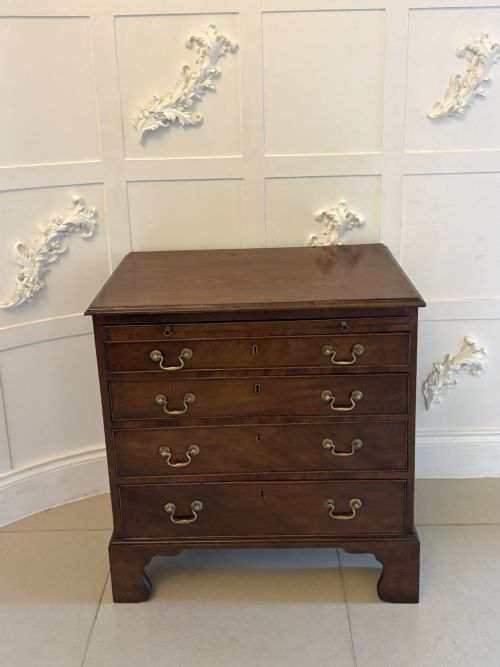
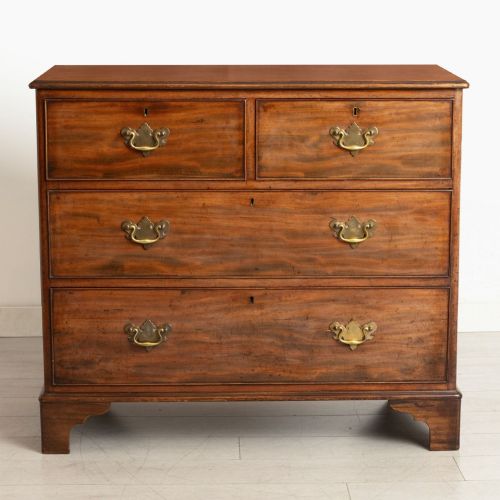
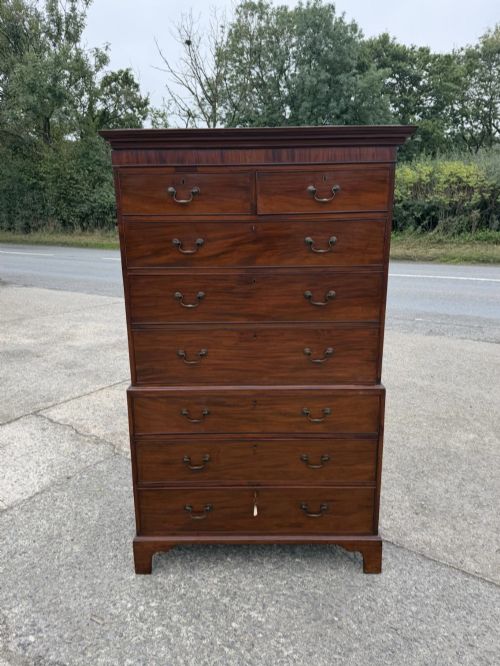
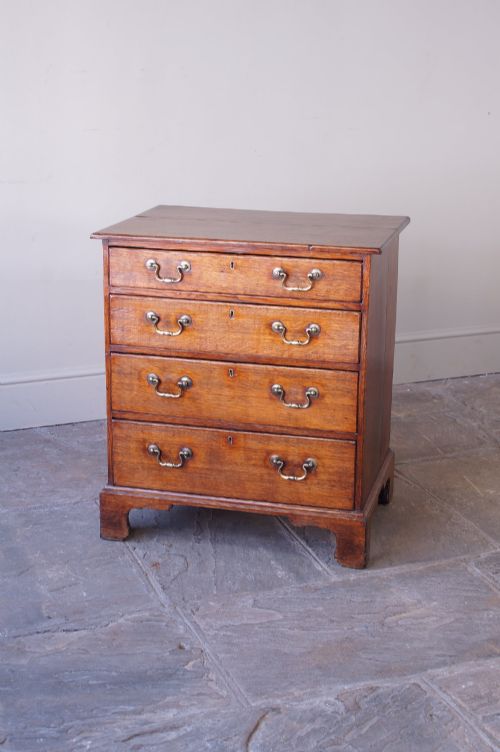
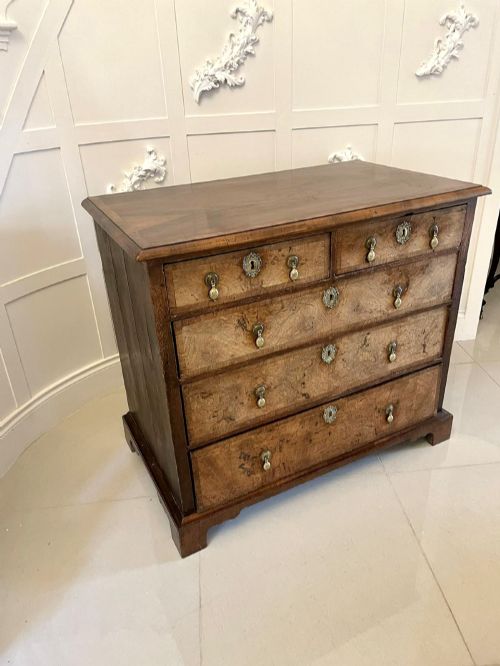
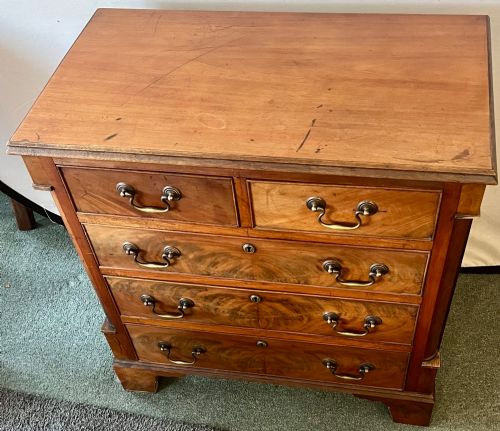
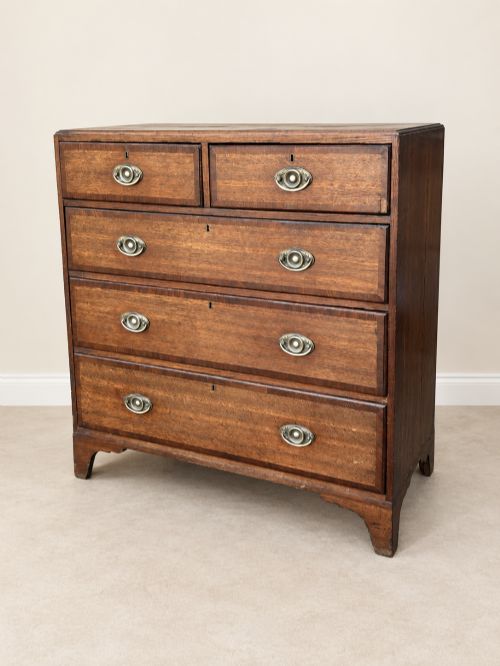
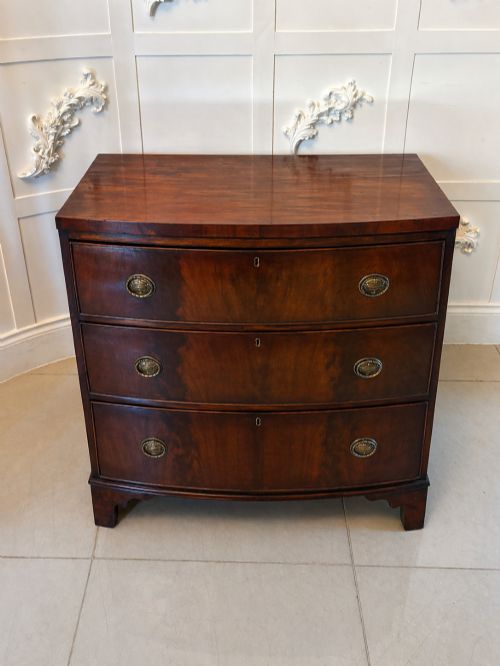
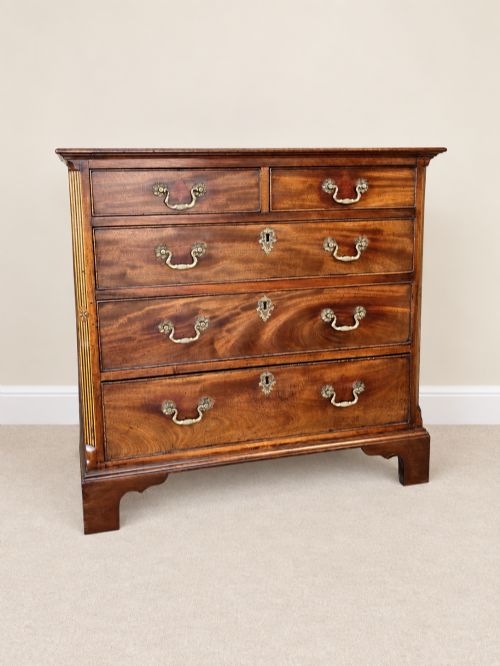
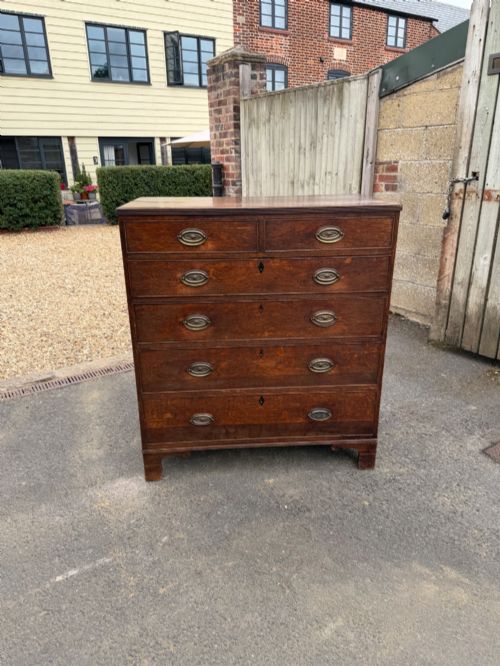
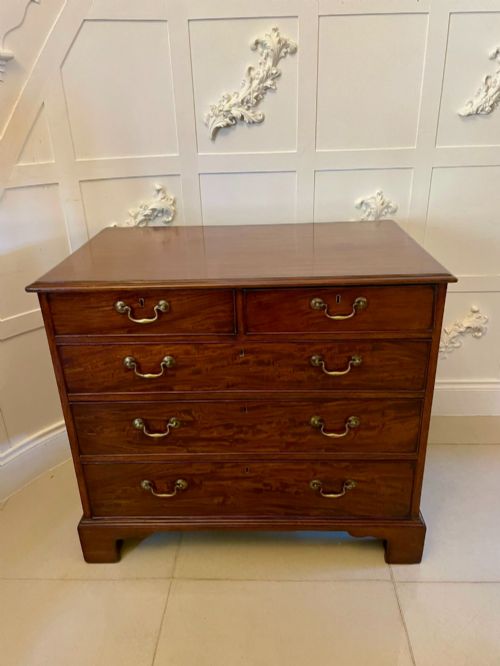
When you examine a brass bracketed chest, you are looking at substantial storage furniture designed to withstand regular domestic use. These pieces primarily take the form of chests of drawers, tallboys, and occasional bachelor chests spanning several centuries.
The versions you are most likely to meet on this page hail from the eighteenth and nineteenth centuries, including Georgian and Victorian periods. They appear in timbers such as mahogany, oak, walnut, and burr walnut, often retaining their original metal work.
How they were made
Cabinetmakers constructed these chests using dense hardwoods like Cuban mahogany, oak, and walnut, frequently selecting figured veneers for visual depth. Drawer linings often incorporate secondary timbers such as pine, whilst boxwood stringing adds fine linear detail to selected drawer fronts.
Structural reinforcement relies on brass fittings, including corner brackets, drop handles, and escutcheons secured by small traditional screws. Joinery techniques such as hand-cut dovetails anchor the drawer construction and carcass frames together securely.
What varies in quality
The distinction between ordinary and superior pieces rests largely on the choice of timber and the crispness of the cabinetmaker's joinery. Finely figured burr walnut or rich Cuban mahogany paired with well-proportioned serpentine outlines elevates a chest far above standard utilitarian examples.
Proportion and surface preservation define the upper tier of these pieces. Original patination, untouched brass brackets, and harmonious drawer arrangements demonstrate superior original craftsmanship that survives intact.
J Moorcroft
The Brass Bracketed Chest Glossary
- Brushing slide
- A pull-out shelf positioned above the top drawers, historically used for writing or brushing clothes. It provides a convenient secondary surface when fully extended.
- Serpentine outline
- A gently curving furniture front that undulates in a convex-concave-convex pattern. This sophisticated shaping requires precise woodworking skill.
- Tallboy
- A tall chest of drawers made in two stacked sections, often combining a lower chest with an upper chest or wardrobe. It maximises vertical storage space.
- Escutcheon
- A protective metal plate surrounding a keyhole. It prevents the surrounding wood from wearing away through repeated use of the key.
- Patina
- The surface sheen and mellow colour developed by wood over decades of handling and polishing. It serves as an indicator of age and consistent care.
Brass Bracketed Chest: Frequently Asked Questions
What is a brass bracketed chest?
A brass bracketed chest is a wooden storage unit strengthened with metal corner mounts and fittings. These additions provided extra durability for daily domestic use.
Such pieces range from compact bachelor chests to larger Georgian and Victorian drawer units built in mahogany, oak, and walnut.
How were these chests used?
These chests served primarily for storing garments, linens, and personal valuables within domestic bedchambers and hallways. Some variants included specialised compartments or pull-out slides for writing.
Their robust construction made them practical everyday furniture pieces for organising household goods over generations.
How do I live with one?
Living with a wooden chest involves placing it away from direct heat sources and sudden humidity changes to protect the timber. Regular dusting with a dry cloth helps preserve the natural surface sheen.
Their practical drawer space makes them suitable for bedrooms, living rooms, and hallways as functional storage.
How do I tell periods apart?
Distinguishing periods relies on observing timber choices, handle styles, and overall architectural proportions. Early eighteenth-century pieces often feature oak or walnut with simple bracket feet, whilst later Georgian examples frequently utilise mahogany and serpentine shaping.
Construction details like dovetailing methods and brass hardware designs further help narrow down the date of manufacture.