
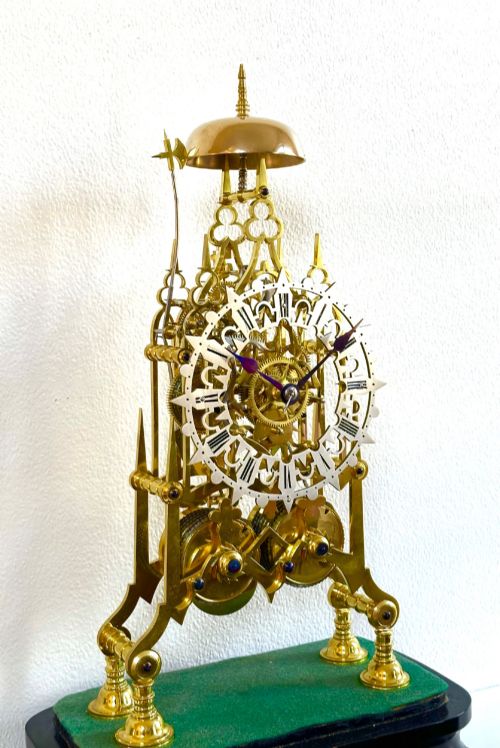
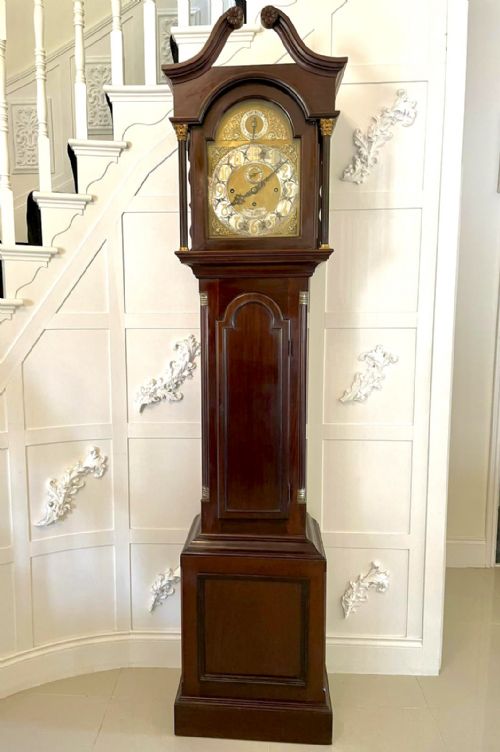
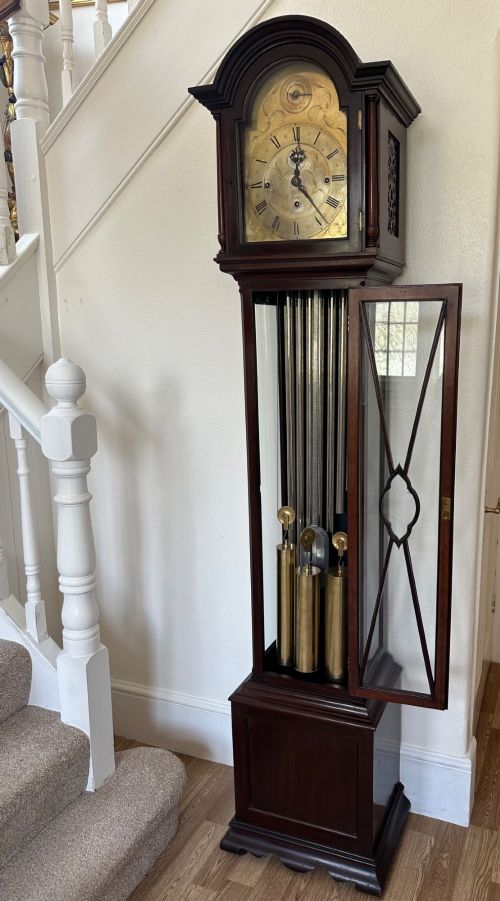

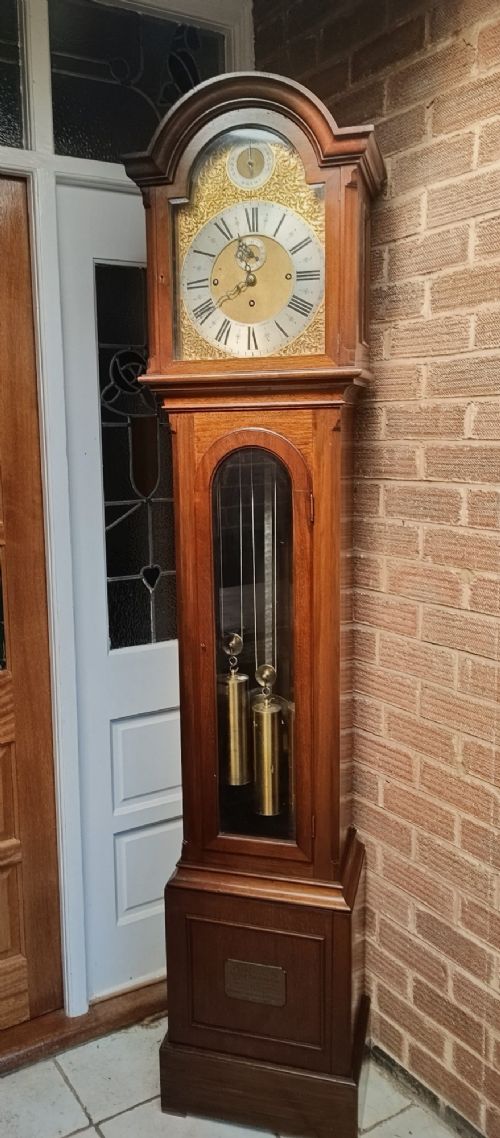


Brass Bell Clock
When you search for brass bell clock, you enter a domain of timepieces driven by audible chimes and metal resonance across centuries.
Brass Bell Clock
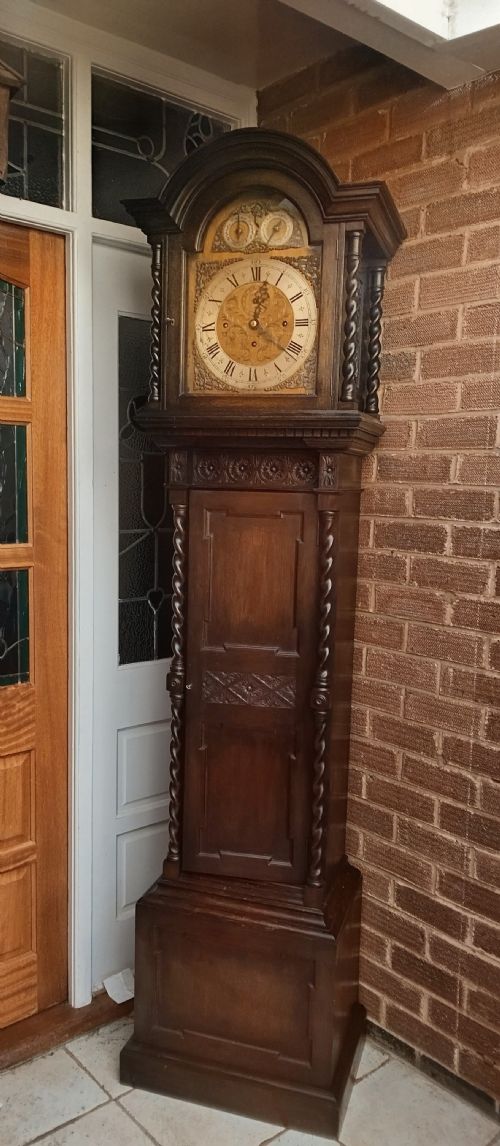
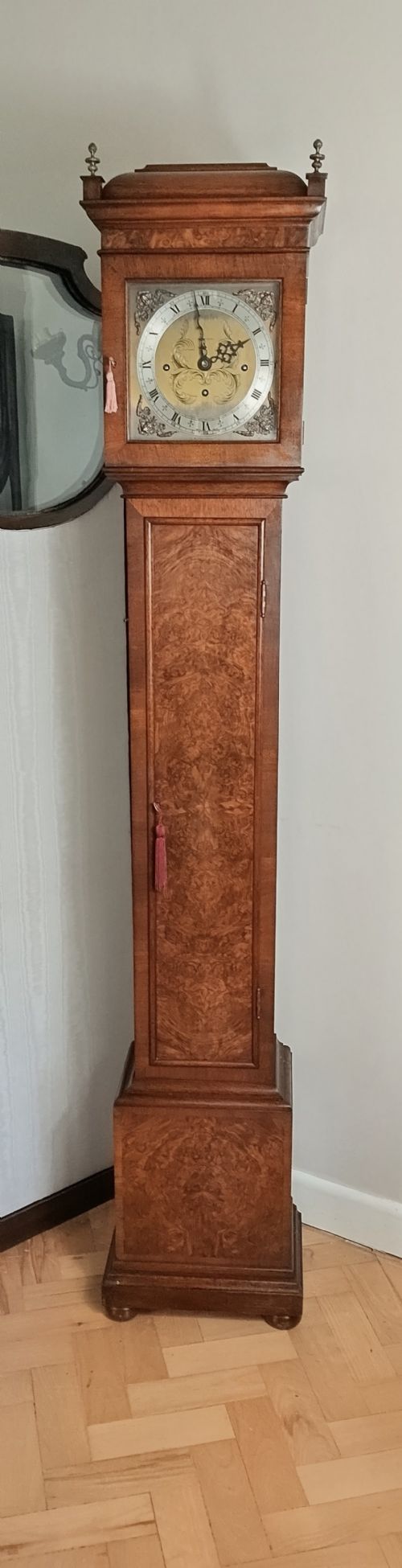
A brass bell clock encompasses diverse horological objects, ranging from early lantern clocks to later French carriage clocks and domestic longcase clocks. These timepieces rely on bells to mark the hours, quarters, or musical intervals.
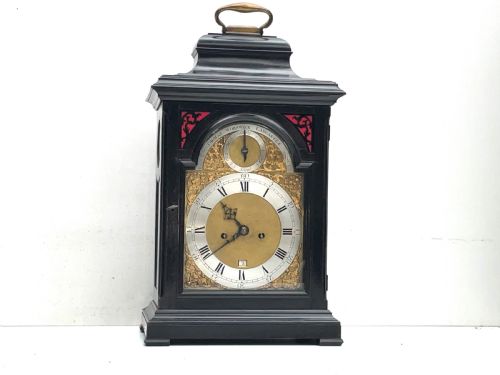
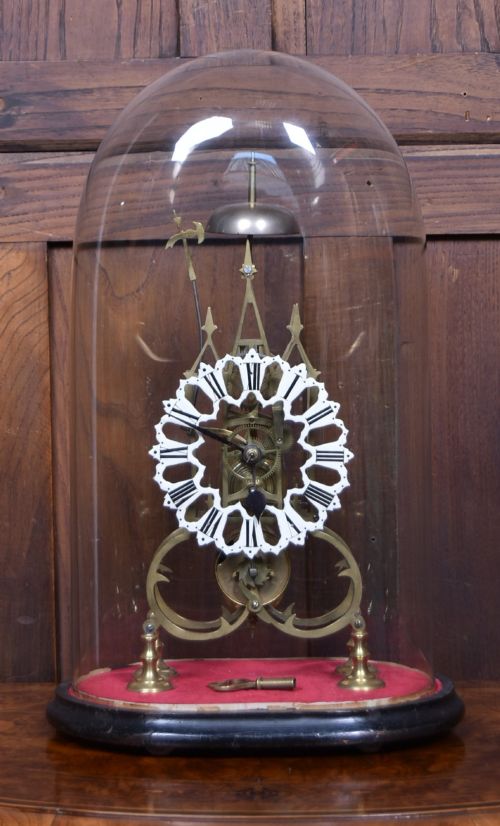
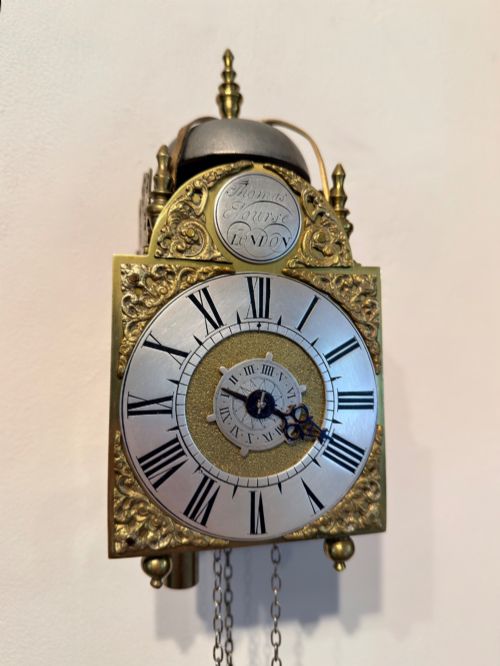
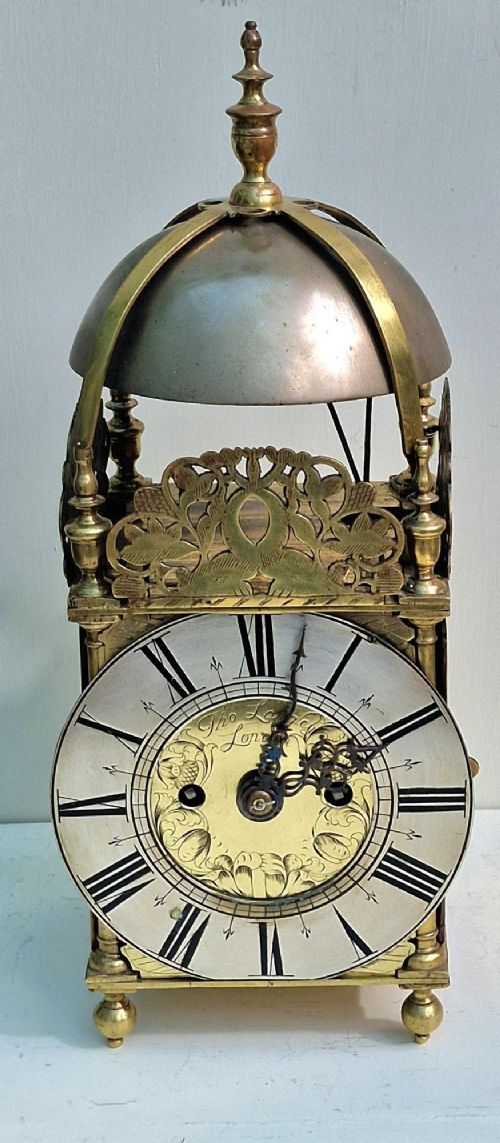
The selections available span multiple periods, from seventeenth-century English brass lantern clocks to nineteenth-century French carriage clocks and mantel clocks. Buyers encounter wall-mounted drop-dial variants alongside substantial bracket and grandfather clock formats.
Origin points diverge between English workshops utilising traditional verge escapements and continental makers producing ornate carriage or four-glass mantel designs. Each regional school brings distinct architectural proportions and bell-striking arrangements to the mechanism.
Markers of Execution
Quality differentiates through the crispness of hand-engraving on dials and backplates, the complexity of multiple bell trains, and the preservation of original escapement components. Superior examples maintain historical accuracy without unrecorded replacement parts.
The sophistication of the striking mechanism dictates tier distinctions, moving from simple hour strikes to complex quarter-chiming musical systems operating across numerous bells. Housing materials also reflect status, utilising select burr walnut, mahogany, or gilt bronze mounts.
Thomas Langley·Winsor Bishop Norwich·Windmills and Bennet·Samuel Tinham·John Waller·William Barrow·Grey of Edinburgh·Paul Garnier·Somersall London·Dwerrihouse and Bell·Camerer Cuss and Co·Schatz of Germany·Andrew Marchant·Peerless Mathias Bauerle·William Withers·John Fletcher·John Taylor·E White Of Manchester·J.T. Bell·Japy Freres·Samuel Marti·E Portelance·Winterhalder and Hoffmeier
The Brass Bell Clock Glossary
- Fusee
- A conical pulley designed to equalise the declining power of a mainspring as it unwinds. This ensures consistent force is delivered to the gear train.
- Verge escapement
- An early mechanical regulating device controlling the release of the wheel train through a pair of pallets engaging a crown wheel. It produces a distinctive ticking cadence.
- Carriage clock
- A portable spring-driven timepiece developed for travel, typically fitted with a carrying handle and glass side panels. Many incorporate repeat mechanisms to sound the time on demand.
- Lantern clock
- An early form of domestic wall clock made largely of brass with an exposed bell mounted on top. These are driven by weights suspended on cords or chains.
- Quarter chiming
- A striking complication that sounds intermediate melodies on multiple bells every fifteen minutes before ringing the full hour.
Brass Bell Clock: Frequently Asked Questions
How do these clocks sound the time?
Internal hammers strike against cast brass or bronze bells mounted within the case, producing audible acoustic tones for hours or quarters.
Simpler models ring once per hour, while complex musical movements utilise multiple bells to play melodies or repeat sequences.
Where were most of these clocks made?
Production centres were concentrated across England and France, with specific regional workshops operating in London, provincial towns, and Paris.
English examples often feature brass lantern or mahogany bracket designs, whereas French makers specialised in carriage clocks and gilt bronze mantel pieces.
How do I wind a fusee clock?
Winding requires inserting a key into the dial arbor and turning it slowly until the mainspring or chain reaches its limit.
Care must be taken not to overwind antique mechanisms, maintaining regular intervals to keep the movement under steady tension.
What is the difference between a bracket clock and a longcase clock?
Bracket clocks are compact table or shelf timepieces originally designed to sit on wall brackets, featuring portable spring-driven movements.
Longcase clocks are tall floor-standing enclosures that house weight-driven pendulum mechanisms and heavy bells.