



Brass and Wood Lights
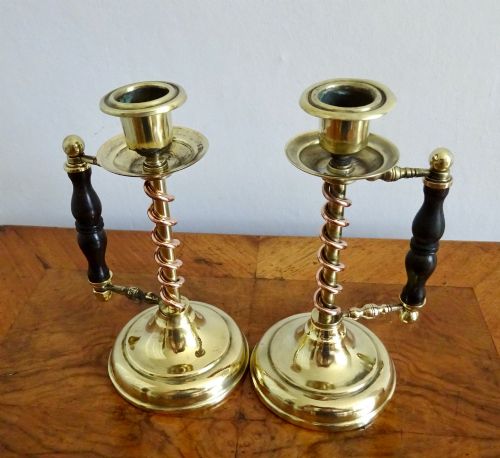
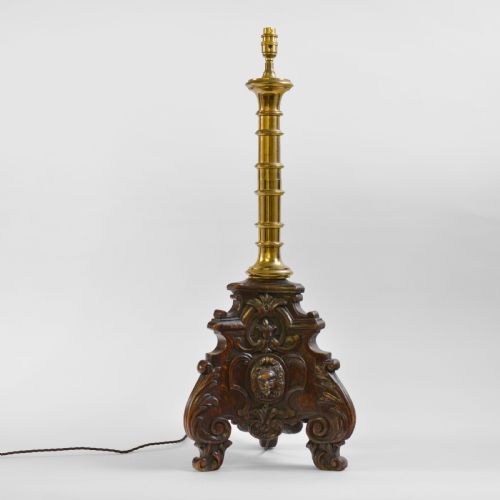
These brass and wood lights bring together heavy warm metals and turned timber to illuminate a room with tactile contrast.
Brass and Wood Lights
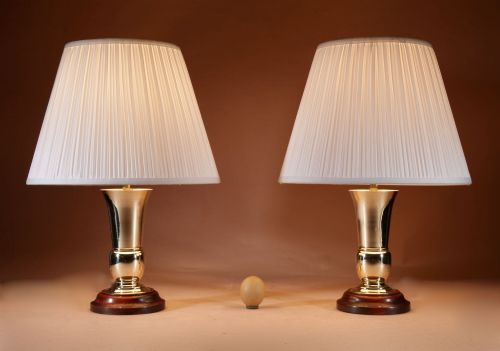
Brass and wood lights comprise a varied group of illumination pieces, drawing on forms from Georgian candlesticks through to twentieth-century floor lamps and wall sconces. Buyers seeking these items will frequently encounter paired candlesticks and table lamps utilising turned timbers alongside cast or sheet brass components.
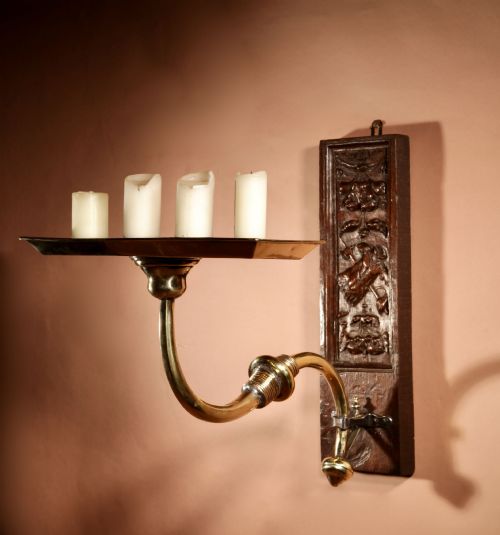
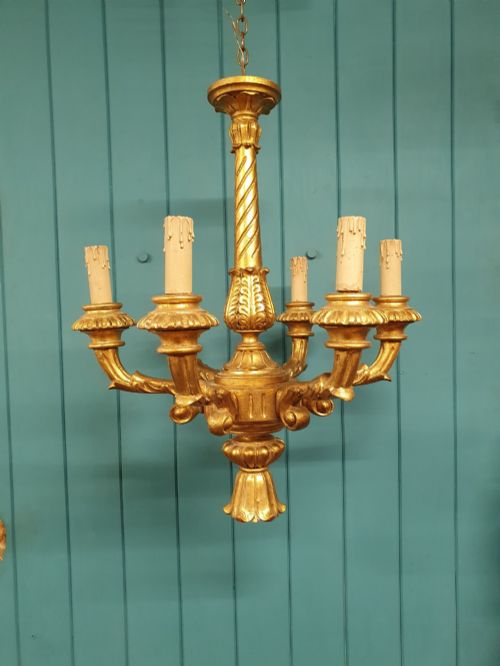
The selection ranges across multiple centuries, incorporating Victorian and Edwardian examples alongside pieces executed in Georgian styles. Alongside dedicated lamps and candlesticks, the evidence includes related lighting forms such as wall lights and chandeliers combining metal framework with wooden elements.
Origins span British workshops as well as continental and international makers, reflecting diverse stylistic influences from Flemish Baroque to Arts and Crafts ideals. This geographic and temporal breadth ensures that domestic lighting manifests in both utilitarian desk accessories and grander decorative wall fixtures.
Materials and construction
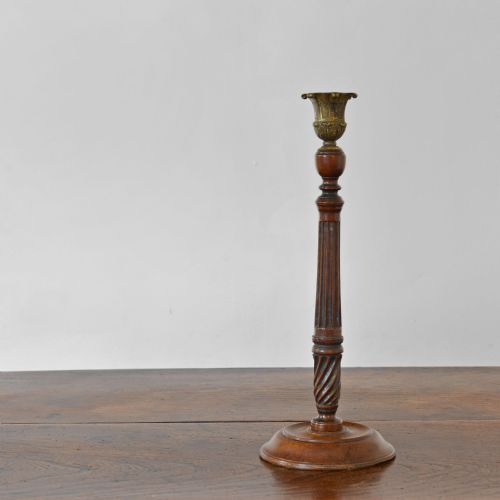
Construction relies upon the pairing of durable hardwoods such as oak, mahogany, and teak with worked brass fittings, sockets, and drip pans. Timber shafts are frequently shaped on a lathe to create barley twist, bobbin turned, or fluted profiles before being secured to weighted brass bases or fitted with metal nozzles.
Makers integrated structural elements by joining turned wooden columns directly to brass collars, screws, or stepped platforms, often incorporating secondary metals like copper or iron for stability. Surface finishes range from polished or patinated brass paired with waxed timber to painted and giltwood treatments found on more decorative wall sconces and chandeliers.
Brass and Wood Lights Retail Price Guide 2026
Typical asking prices for brass and wood lights among the pieces listed under this phrase on Sellingantiques today, from the lower quarter to the upper quarter. They describe what is for sale here now, not the wider market.
One unusual pairing records bobbin-turned teak candlesticks salvaged directly from the Royal yacht HMS Renown.
Quality and craftsmanship
Quality rests upon the crispness of the timber turning and the substantial weight of the brass components used in the construction. Superior examples exhibit tightly pitched twists or well-proportioned columns that maintain balance against heavy metal drip trays and nozzles.
Materials selection dictates the longevity of the piece, with dense heartwoods and heavy gauge brass representing a higher standard of manufacture than lighter, composite alternatives. The integration between wood and metal elements demonstrates the maker's joinery skill, where tight tolerances prevent wobble and secure the electrical or candle-holding fittings firmly.
The Brass and Wood Lights Glossary
- Barley twist
- A spiral carving resembling the stalk of barley, frequently worked onto timber lamp stems and candlestick shafts during the late nineteenth and early twentieth centuries. This decorative lathe-turned form creates diagonal movement along the vertical axis of the piece.
- Candlestick
- A portable domestic device designed to hold a single wax or tallow candle upright via a socket or spike. Many historic examples have subsequently been adapted to house electrical lamp fittings.
- Sconce
- A wall-mounted lighting fixture designed to project illumination into a room using brackets or backplates. These fixtures often employ brass arms extending from wooden or giltwood backings.
- Treen
- Small handmade wooden household objects, encompassing turned items such as chamber candlesticks and utilitarian vessels. These pieces showcase traditional woodworking techniques without necessarily involving complex joinery.
- Pricket
- A sharp metal spike set into the top of a candleholder to impound thick wax candles rather than receiving them inside a socket. This form is frequently encountered on larger altar or floor-standing lights.
Brass and Wood Lights: Frequently Asked Questions
How are these lights wired?
Historic table lamps and floor lamps generally require rewiring to meet modern electrical safety standards before regular domestic use. Professional electricians can thread modern flex through existing central channels without damaging the historic timber or brass structure.
Candlesticks and wall sconces listed as non-electrified items can either retain their original decorative function or undergo specialist conversion. Buyers should inspect the internal bore of wooden shafts to determine whether wiring can be accommodated discreetly.
What woods were commonly used?
Makers utilised dense native and imported timbers including oak, mahogany, teak, and walnut to withstand the mechanical strain of turning and mounting brass hardware. Hardwoods provided the necessary structural rigidity for tall floor standards and slender table candlesticks.
Lighter woods and decorative surfaces like giltwood and gesso appear on wall sconces and chandeliers where weight reduction was advantageous. Each timber species imparts a distinct grain pattern and colour tone that interacts differently with polished or patinated brass.
How do I date an antique light?
Dating relies upon examining the turning style, assembly methods, and the composition of the brass components relative to known stylistic periods. For instance, barley twist timbers and heavy sheet brass bases frequently point towards late Victorian or Edwardian production.
Secondary indicators include tool marks, screw types, and the presence of maker's marks or registration stamps on the metal elements. Comparing the turned profile against dated domestic furniture from the same era helps narrow the manufacturing window.
Can I use modern bulbs?
Modern low-heat LED bulbs can be fitted into converted lamps to prevent thermal damage to historic timber shafts and brittle wiring insulation. Selecting appropriately sized shades ensures the light output remains balanced for domestic placement.
Original brass sockets and fittings may require modern shade adapters to secure contemporary lampshades safely. Consulting a lighting specialist ensures the lamp holder matches the wattage and base requirements of the chosen bulb.