


Brass and Wood Lamp
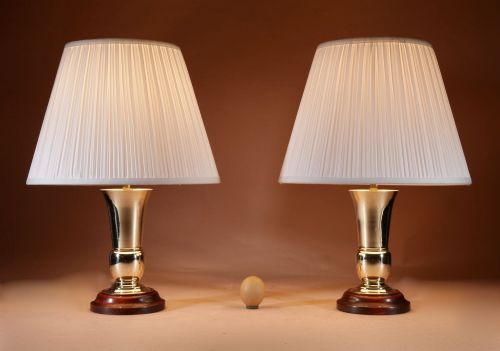
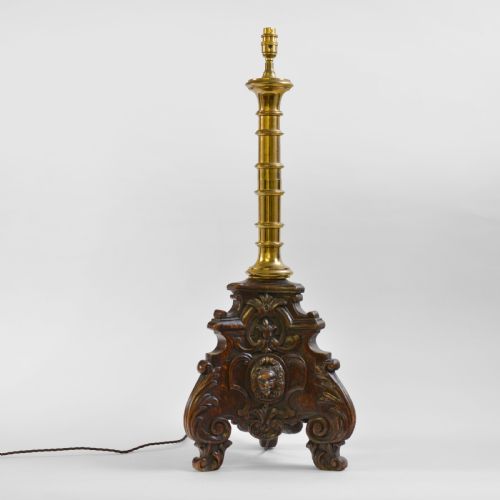
A brass and wood lamp brings together warm metal and timber to provide functional light and period character.
Brass and Wood Lamp
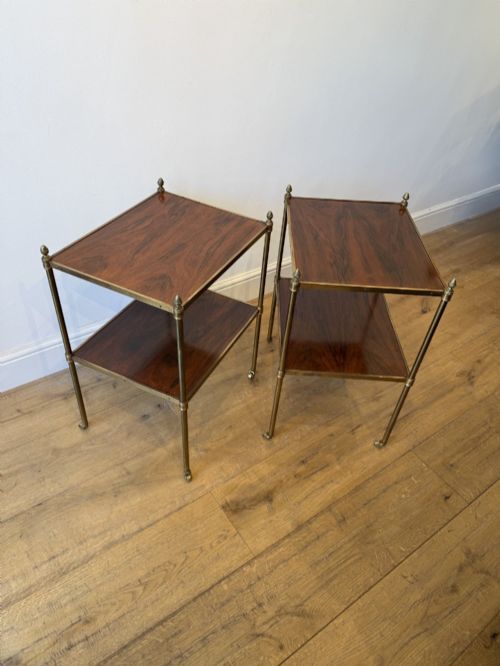
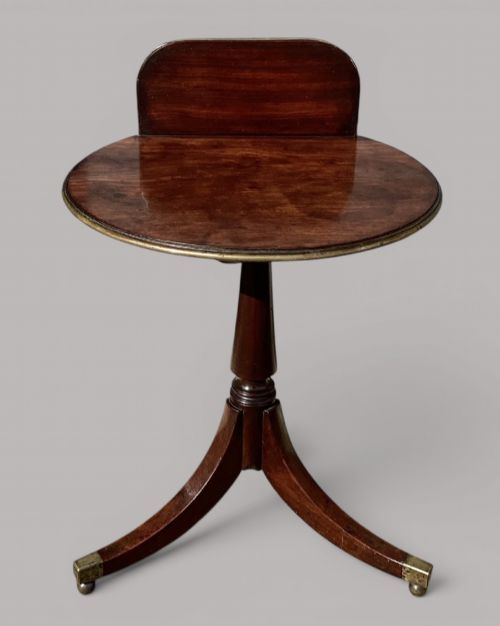
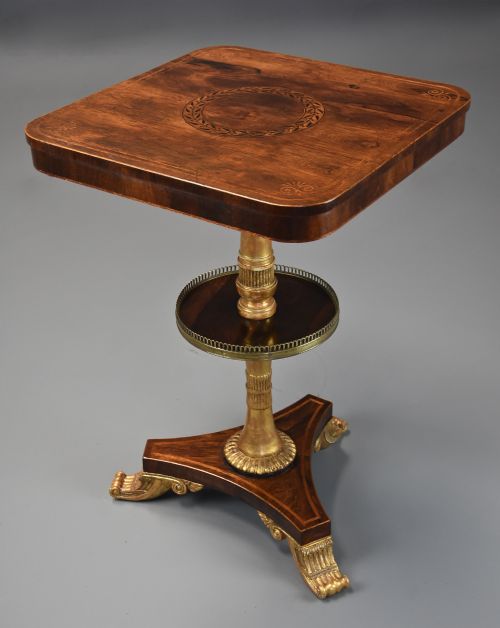
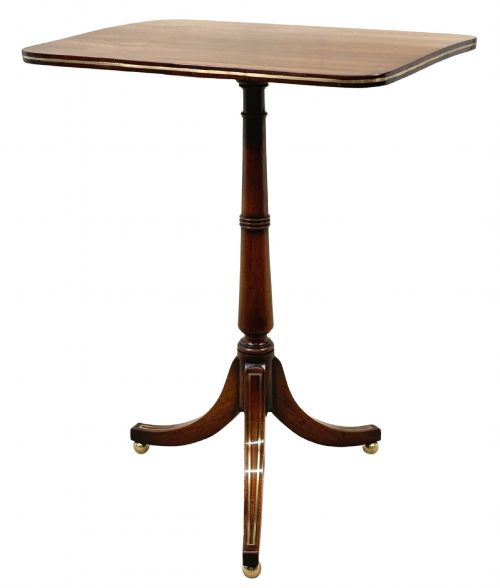
A brass and wood lamp combines structural timber bases with brass mounts, columns, or fittings, appearing across table and standard floor lighting formats. These pieces emerge from periods including the Regency, Victorian, Edwardian, and the early twentieth century.
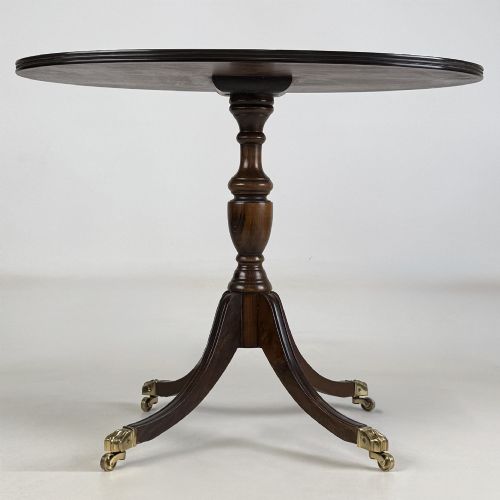
The selection ranges from standard lamps on turned wooden columns with brass Corinthian capitals to table lamps utilising polished mahogany, rosewood, satinwood, and ebonised timber mounted with brass collars and bases.
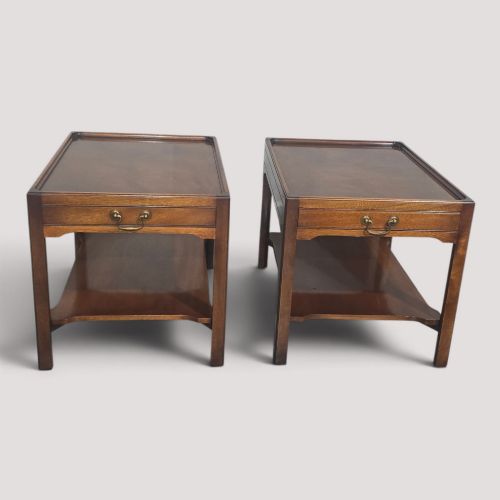
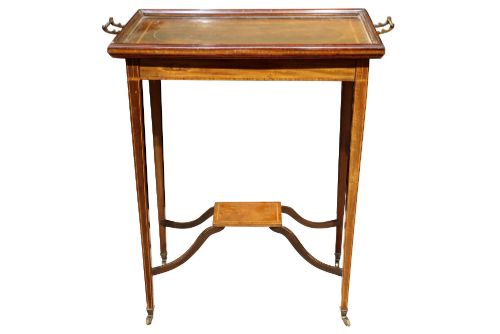
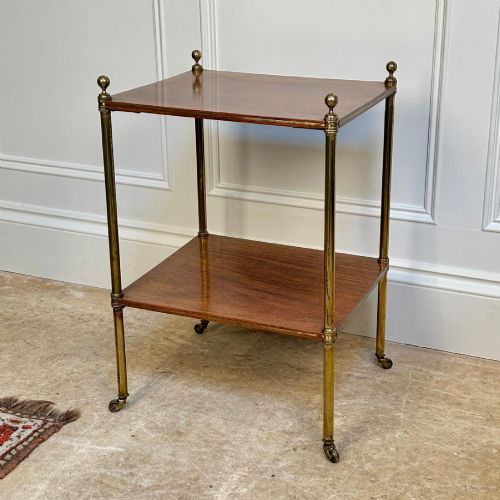
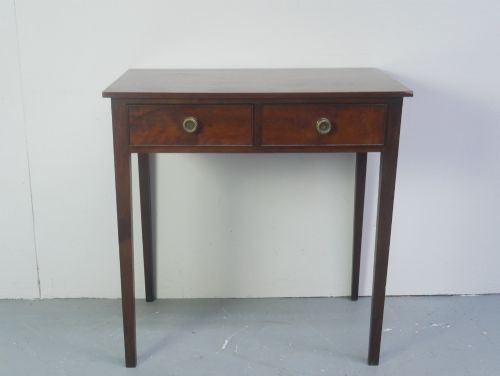
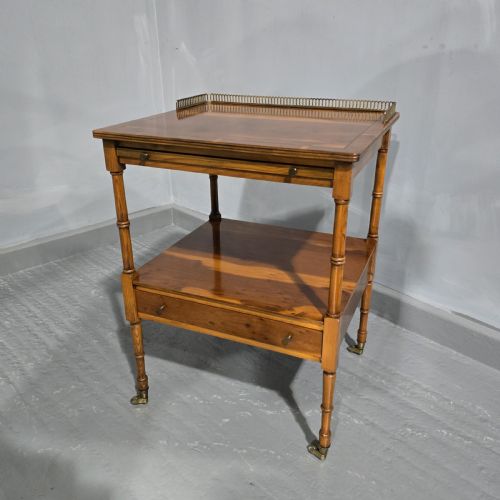
Many examples originate from standard lamp adaptations or table lamp conversions utilising period wooden stands and occasional table elements alongside vintage brass hardware and fabric shades.
How they were made
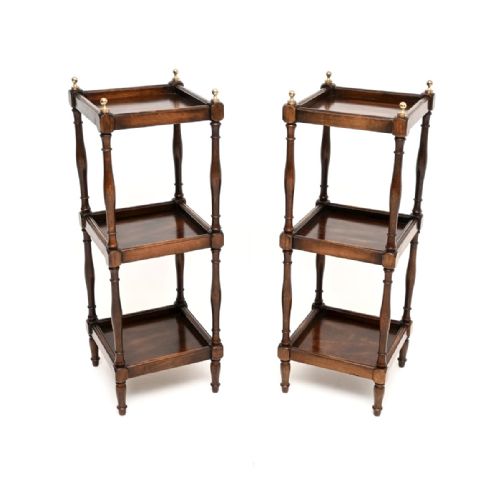
Craftsmen built these lamps using dense hardwoods such as mahogany, rosewood, satinwood, walnut, and oak, often turning the timber on a lathe into columns or standards, or constructing them as small tables and etageres.
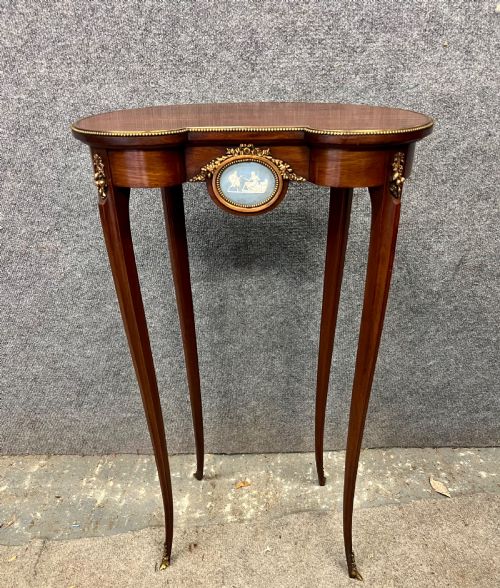
Brass elements including cast Corinthian capitals, stepped bases, stringing, or gallery rails were joined to the wooden structures using traditional fixings, while decorative pieces incorporated gilded brass and ormolu mounts.
Several floor standards disguise their electrical wiring entirely inside turned wooden shafts polished over a century ago.
What varies in quality
The distinction between tiers rests upon the choice of timber grain and the precision of the brass casting, where crisp detail in capitals and heavy gauge metal separate finer items from simpler production.
Proportion and the integrity of the combination between the wooden column and the metal mount determine the visual balance, alongside the retention of original patination on both surfaces.
The Brass and Wood Lamp Glossary
- Corinthian column
- A classical architectural column design featuring ornate acanthus leaf carving at the capital. This form was frequently cast in brass and paired with wooden shafts for standard lamps.
- Standard lamp
- A tall floor-standing lamp designed to illuminate a room from a corner or beside seating. These often utilise weighted wooden bases and turned columns.
- Ebonised
- Wood treated to imitate ebony, giving it a dense black finish. This technique frequently provides contrast against polished brass fittings.
- Stringing
- Thin inlay of contrasting wood or metal set into the surface of a panel or table edge. Regency and Edwardian pieces often combine brass stringing with rosewood or mahogany.
Brass and Wood Lamp: Frequently Asked Questions
How do I date a wooden lamp?
Dating relies upon the timber species, turning profiles, and the style of the brass mounts. Regency pieces often display rosewood with brass inlay, while Edwardian examples favour inlaid mahogany.
Examining the wiring methods and the internal fixings also provides clues to the era of manufacture or subsequent adaptation.
Are these standard lamps conversions?
Some standard lamps and table lamps began life as architectural elements, candlesticks, or small tables before receiving electrical fittings. Such adaptations are common in period lighting.
Reviewing the construction helps identify whether the brass and timber components were designed together or assembled later.
What woods were used most often?
Maker workshops predominantly utilised mahogany, rosewood, satinwood, and walnut for their rich grain and stable qualities. Ebonised wood also appears for contrasting bases.
These timbers were selected to complement polished or gilded brass details across various nineteenth and twentieth-century styles.
How should I clean the brass?
Gentle dusting with a soft cloth preserves the aged patination on both the timber and the metal components. Harsh metal polishes should be avoided to protect original finishes.
Maintaining the surface keeps the contrast between the warm wood and the polished or patinated brass intact.