

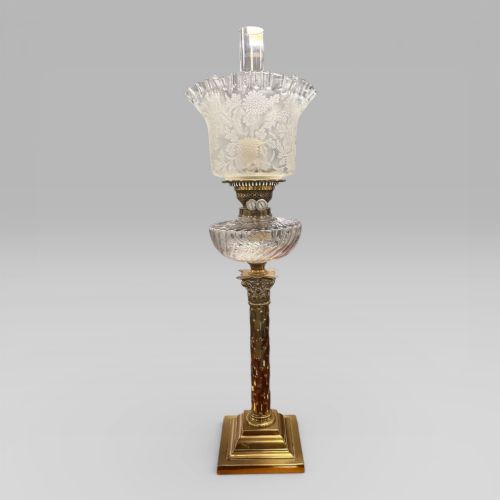
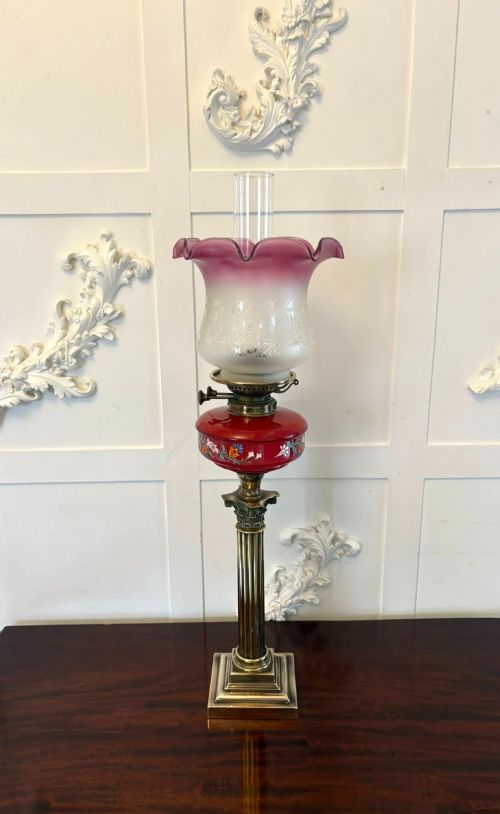
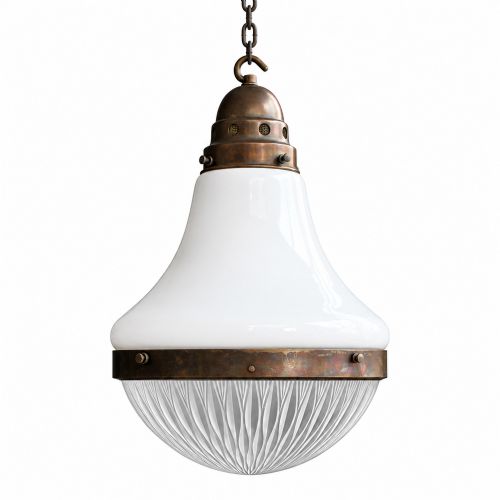
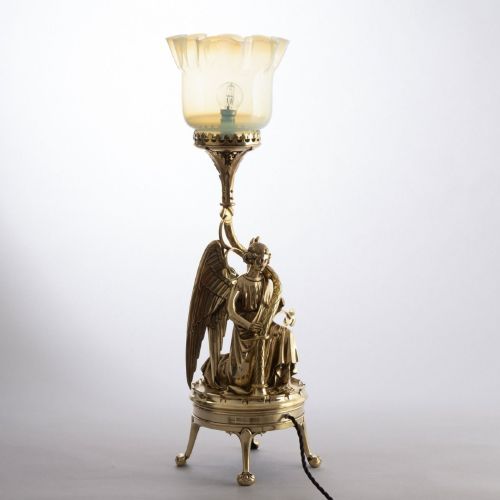
Brass and Glass Shade
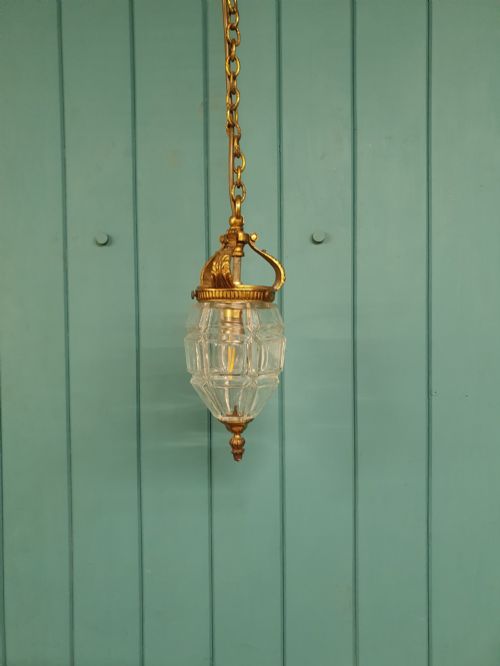
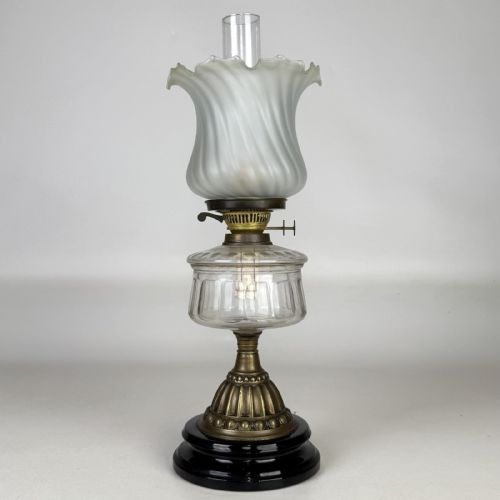
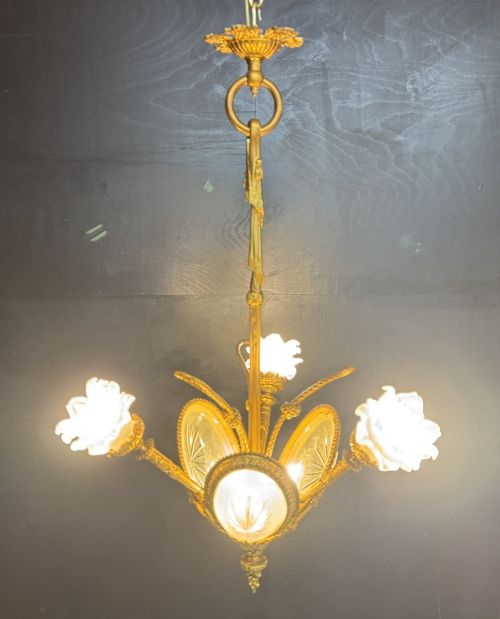
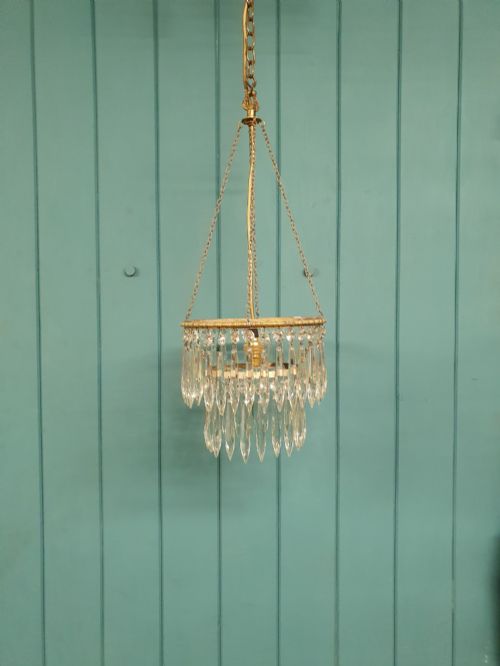
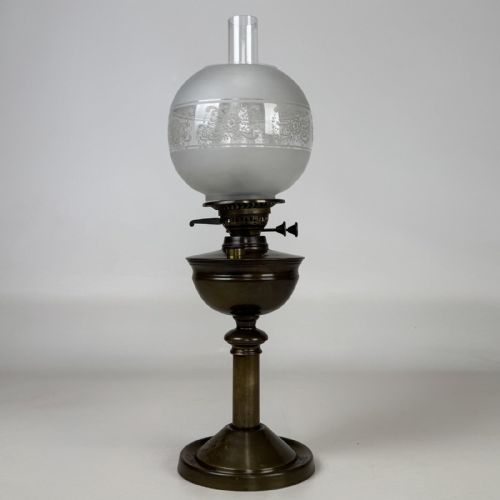
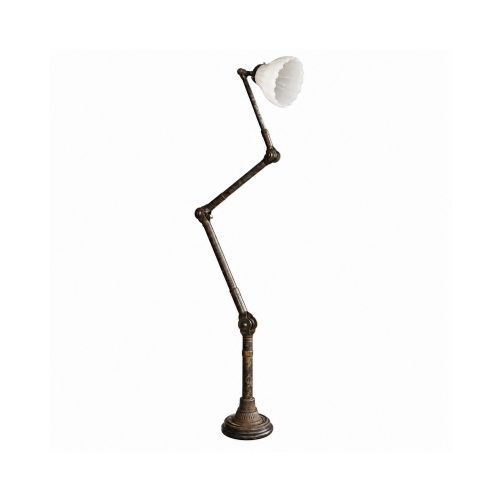
These brass and glass shade items combine metal frames with translucent or coloured bowls, giving warm illumination to rooms.
Brass and Glass Shade
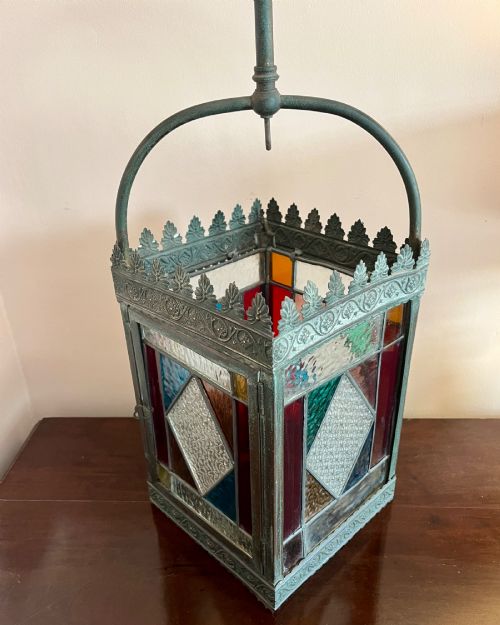
A brass and glass shade arrangement brings together metalwork and translucent components, appearing frequently across Victorian, Edwardian, and Art Deco periods. Buyers investigating this phrase encounter lighting forms that range from oil lamps and chandeliers to pendant lights and wall sconces.
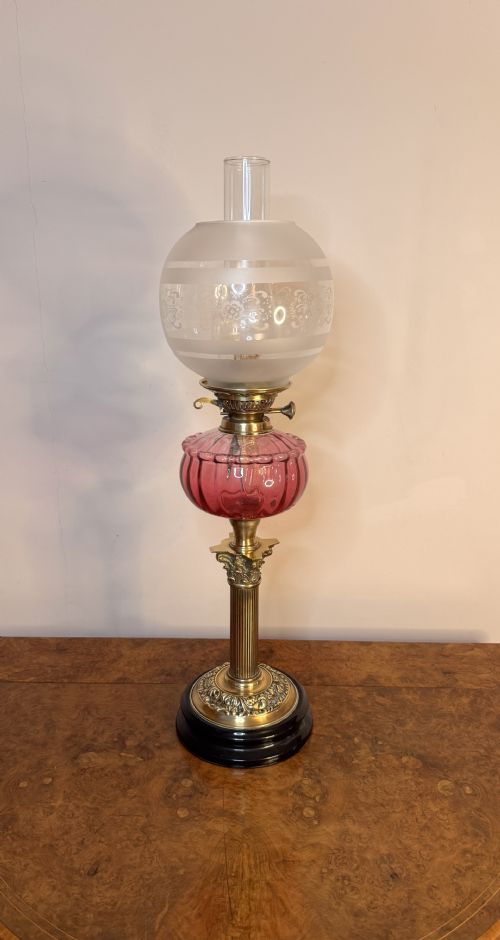
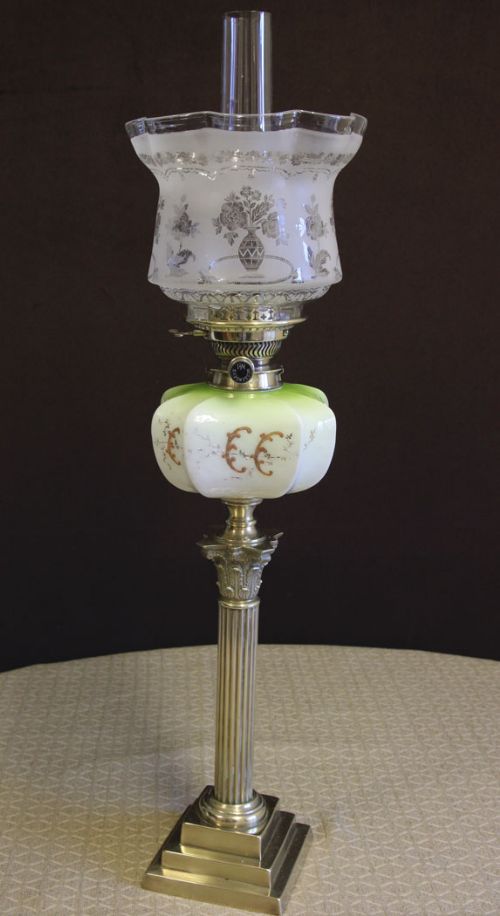
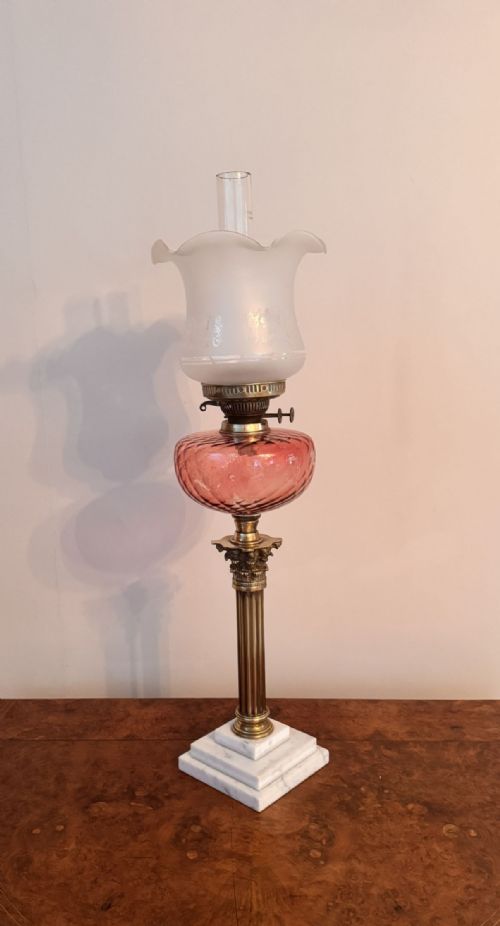
The most common versions on this page combine cast or spun brass structures with shaped glass diffusers, such as frosted, cut, cranberry, opaline, or crystal varieties. These pieces originate from domestic, commercial, and civic spaces, reflecting styles like Arts and Crafts, Gothic Revival, and Industrial design.
Materials and construction
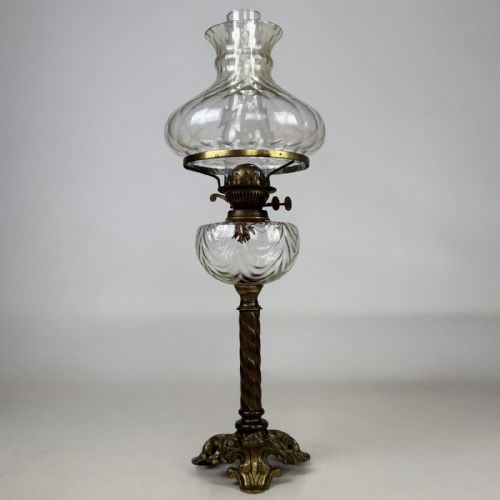
Makers utilised brass for structural elements like columns, arms, and mounts, shaping the metal through casting, turning, and spinning. Glass components were blown, moulded, or cut to create bowls, globes, and tulip shades that softened and directed the illumination from oil, gas, or early electric sources.
Assembly relied on threaded collars, galleries, and screws to secure the glass shade firmly within its brass frame. Secondary materials such as crystal, opalescent glass, and ceramic occasionally appear alongside the primary brass and glass elements.
Brass and Glass Shade Retail Price Guide 2026
Typical asking prices for brass and glass shade among the pieces listed under this phrase on Sellingantiques today, from the lower quarter to the upper quarter. They describe what is for sale here now, not the wider market.
Several lamps feature carved botanical motifs, perhaps satisfying Victorian botanists who preferred their illumination accompanied by ferns.
Judging the range
The standard of brass and glass shade examples depends upon the depth of the metal casting and the precision of the glass cutting or blowing. Finer items exhibit crisp floral or architectural detailing on the brass columns and unblemished clarity or rich saturation in the glass shades.
Execution and weight differentiate standard production lighting from bespoke civic or hotel commissions. Heavier gauge brasswork and substantial crystal spikes or hand-etched motifs indicate superior workshop output.
Dugdill Lamp
The Brass and Glass Shade Glossary
- Font
- The oil reservoir of a lamp, often rendered in coloured glass beneath a brass burner. It sits atop a column or within a frame.
- Opaline Glass
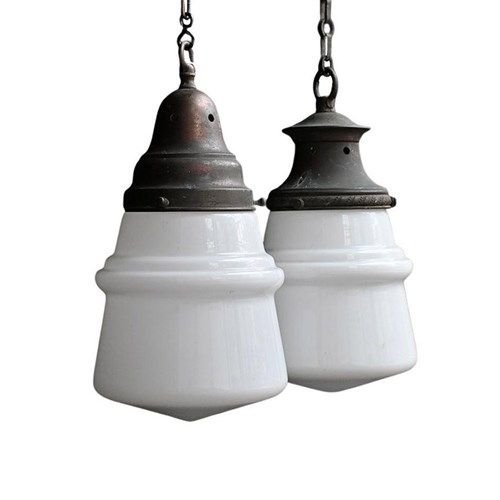
- A milky, semi-translucent glass type used for shades to diffuse light softly. It appears in various pale tones across the late nineteenth and early twentieth centuries.
- Gasolier
- A multi-branched ceiling light fixture originally designed for gas lighting before later conversion to electricity. These fixtures often pair brass frames with opalescent or frosted glass shades.
Brass and Glass Shade: Frequently Asked Questions
What is a brass and glass shade?
A brass and glass shade refers to lighting fixtures that pair metallic brass components with blown, cut, or moulded glass shades. These pieces span multiple decades and design movements.
They encompass pendant lights, chandeliers, and table lamps designed for oil, gas, or early electricity.
How were these lights used?
These fixtures served as primary illumination sources in domestic rooms, civic halls, and hotels. They provided functional task lighting or ambient glow depending on their placement.
Many started as oil or gas lamps before undergoing conversion to electric power during the twentieth century.
How do I date a brass and glass shade?
Dating relies on observing stylistic markers, manufacturing techniques, and material combinations. Victorian pieces often feature elaborate Corinthian columns and cranberry glass, while Art Deco examples display geometric lines.
Support structures, wiring channels, and glass-forming methods help narrow the period of origin.
How do I live with antique lighting?
Living with these pieces involves integrating historical brasswork and glass into contemporary interiors. Many fixtures accommodate standard modern bulbs following careful rewiring by a qualified professional.
Positioning them at correct heights ensures both safety and optimal light distribution across a room.