

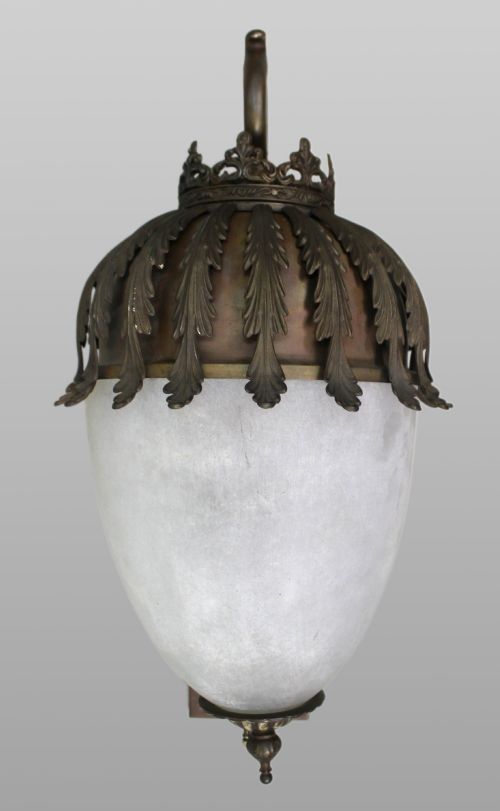
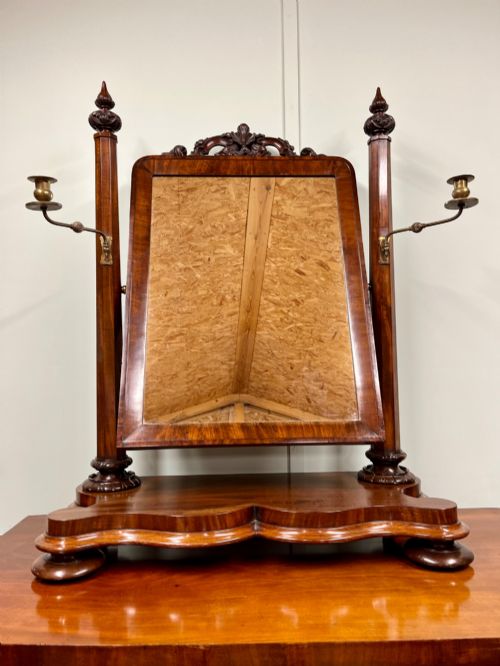
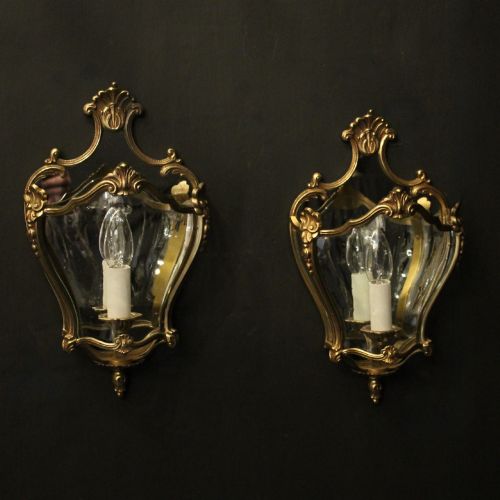
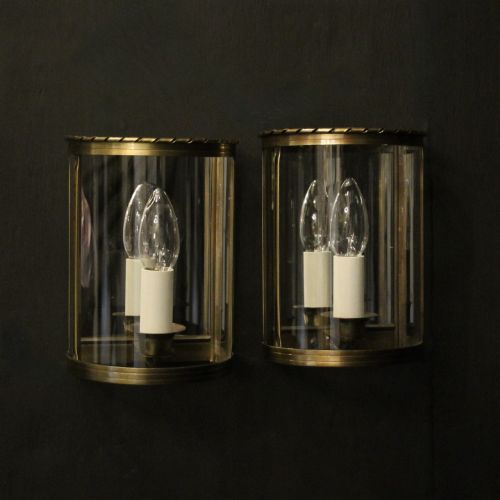

Brass and Glass Sconces
Brass and glass sconces combine polished metal work with reflective glass elements to illuminate interiors with period character.
Brass and Glass Sconces
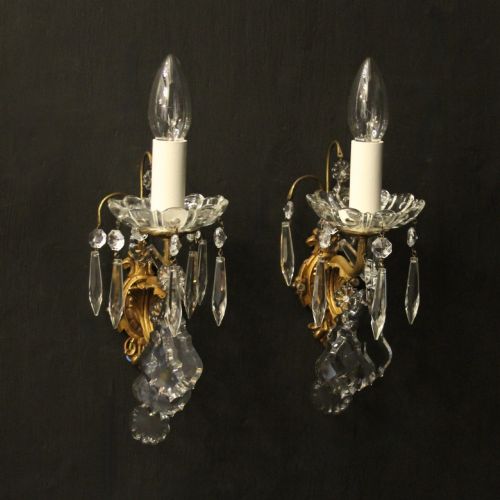
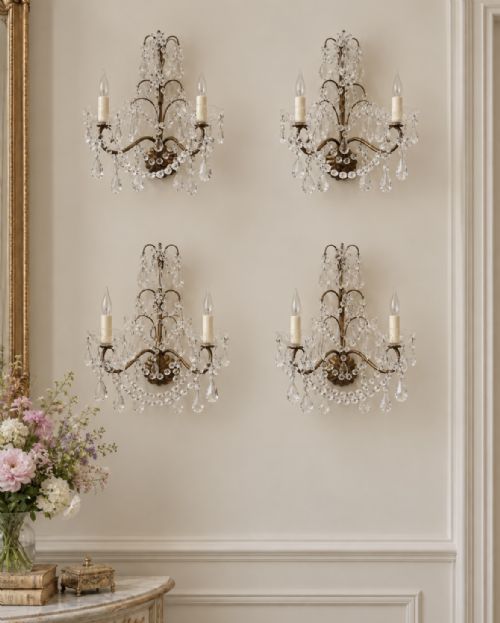
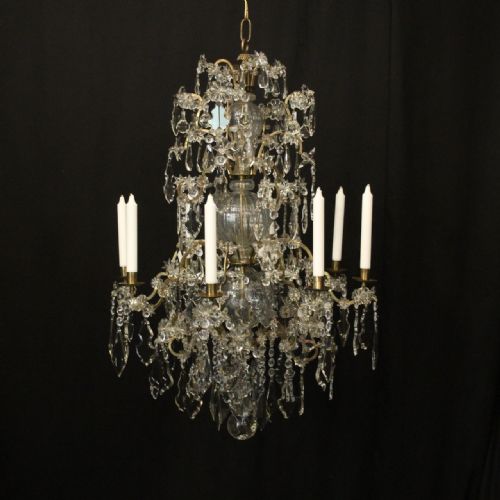
Brass and glass sconces comprise wall-mounted light fixtures designed to hold candles or electric bulbs while reflecting light through glass components. These fixtures take forms ranging from simple wall lights and half lanterns to multi-arm crystal fixtures.
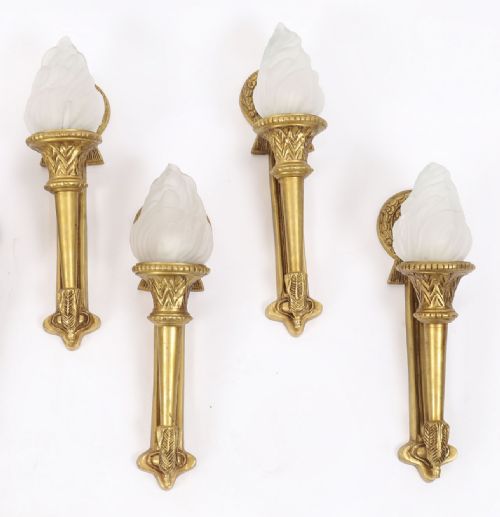
The selection here includes examples originating from the nineteenth century through to the nineteen-thirties. Pieces frequently exhibit French styles such as Rococo Revival, Neoclassical, and Chateau designs alongside Edwardian and Regency influences.
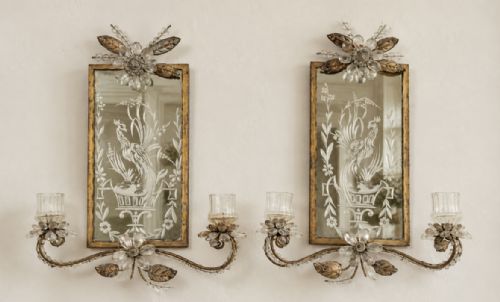
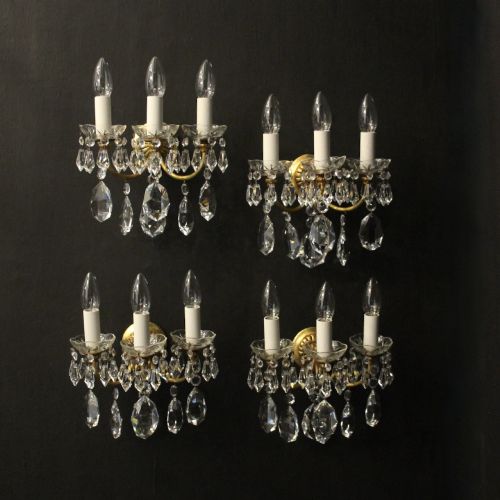
Buyers encounter matched pairs and sets originating from various European countries including France, Sweden, and Italy. Many items incorporate cut crystal, frosted glass, or mirror backs to enhance illumination.
How they were made
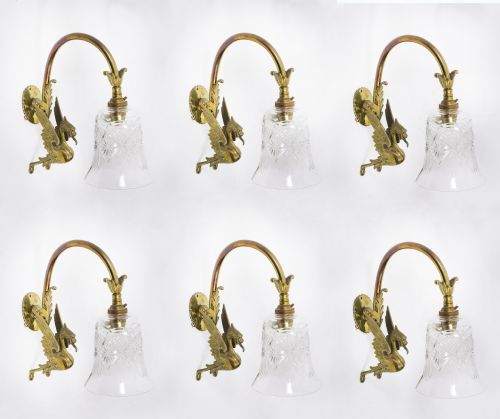
Construction relies upon cast brass, gilt bronze, or ormolu forming the structural frames, backplates, and arms of the fixtures. Metals are shaped, chased, and occasionally gilded to create decorative mounts.
Glass elements are incorporated via blown, moulded, or cut techniques, producing lustres, crystals, shades, and convex panels. These components are secured to the metal frames using pins, wiring, or traditional metal prongs.
Brass and Glass Sconces Retail Price Guide 2026
Typical asking prices for brass and glass sconces among the pieces listed under this phrase on Sellingantiques today, from the lower quarter to the upper quarter. They describe what is for sale here now, not the wider market.
Materials span brass, gilt bronze, ormolu, cut crystal, frosted glass, and mahogany.
What varies in quality
Quality differentiates by the crispness of the metal casting and the depth of the chasing on the brass or ormolu mounts. Finer examples display sharp detail in figural motifs like putti or neoclassical framing.
The grade of the glass or crystal used determines the brilliance and weight of the hanging components. Hand-cut crystal drops and heavy bevelled mirror backs represent the higher tiers of production.
F. & C. Osler·Dugué
The Brass and Glass Sconces Glossary
- Ormolu
- Gilded bronze used for decorative mounts on lighting and furniture. This technique involves applying finely ground gold mercury amalgam to bronze.
- Lustre
- A glass pendant or drop hung from a light fixture to reflect illumination. Lustres catch and disperse light across the room.
- Half Lantern
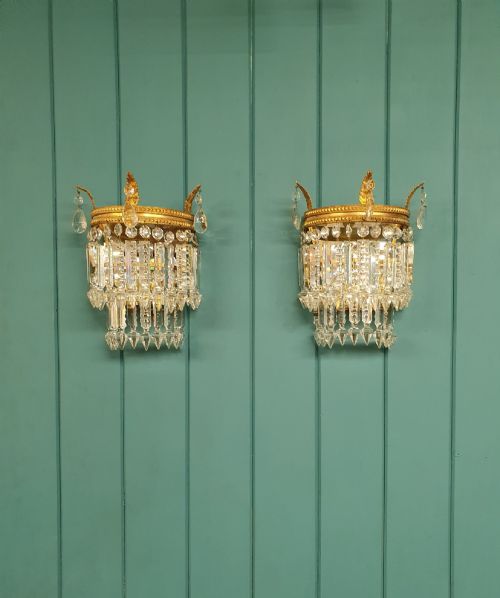
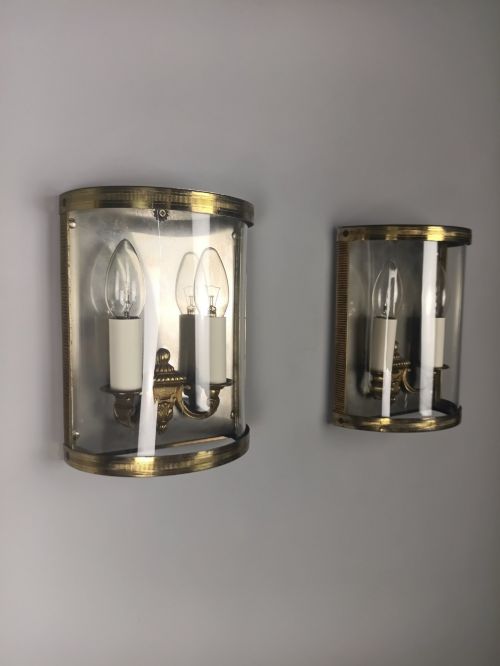
- A wall-mounted light fixture enclosed on the front and sides with glass panels. These designs often project outward from the wall surface.
- Bag Wall Light
- A light fixture featuring a flattened bag-like arrangement of crystals suspended in front of the bulbs. The configuration maximises sparkle in compact spaces.
- Gesso
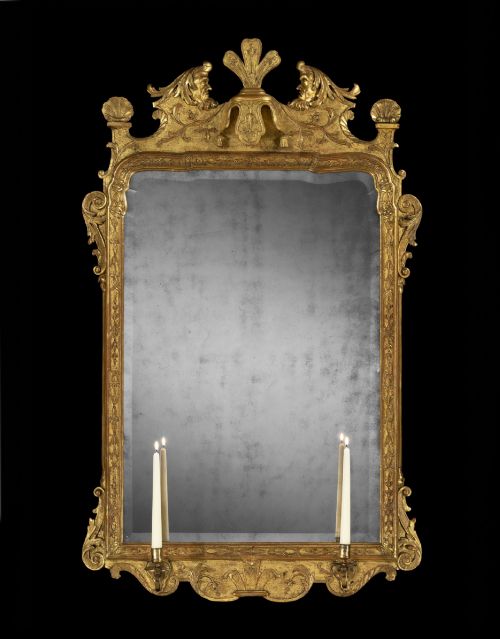
- A plaster-like material applied to wooden frames before gilding. It provides a smooth surface for intricate carving details.
Brass and Glass Sconces: Frequently Asked Questions
How do I date a brass and glass sconce?
Dating relies upon stylistic indicators such as neoclassical motifs, neoclassical flaming torches, or Edwardian proportions. Construction methods and the type of glass cut also offer clues to the period of origin.
Examining the backplate and fixings helps establish whether the piece aligns with nineteenth-century manufacturing techniques or early twentieth-century production.
Were these wall lights originally electrified?
Many surviving examples began as candle sconces or used oil before being converted for electricity during later restorations. Some retain fittings that indicate their initial lighting method.
Rewiring is common to ensure modern electrical safety while preserving the historic metal and glass components.
How do I hang a heavy crystal sconce?
Heavy fixtures require secure fixing directly into wall studs or masonry using appropriate wall anchors. The weight of the brass frame and glass crystals demands sturdy structural support.
Professional installation is recommended for fragile pieces featuring delicate arms or suspended crystal lustres.
What distinguishes French sconces from other styles?
French designs often incorporate gilt bronze, rococo revival curves, and elaborate crystal tent configurations. These pieces frequently reflect neoclassical or chateau aesthetics.
Regional variations also include Swedish crystal arrangements and Italian decorative brasswork.