


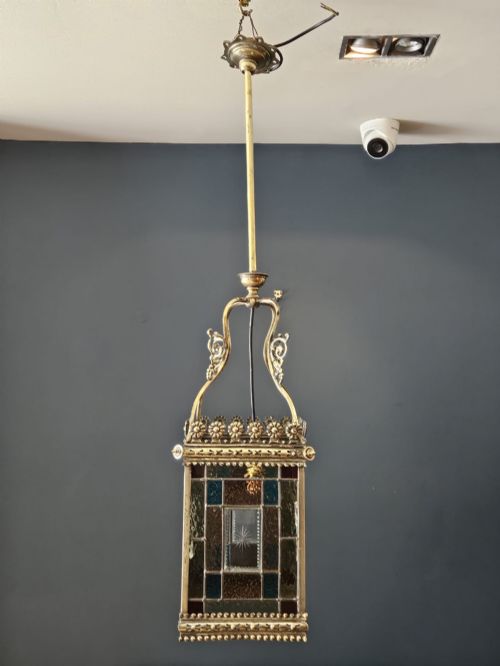
Brass and Glass Light
A brass and glass light brings together warm metalwork and luminous panes or crystals to illuminate a room with architectural character.
Brass and Glass Light
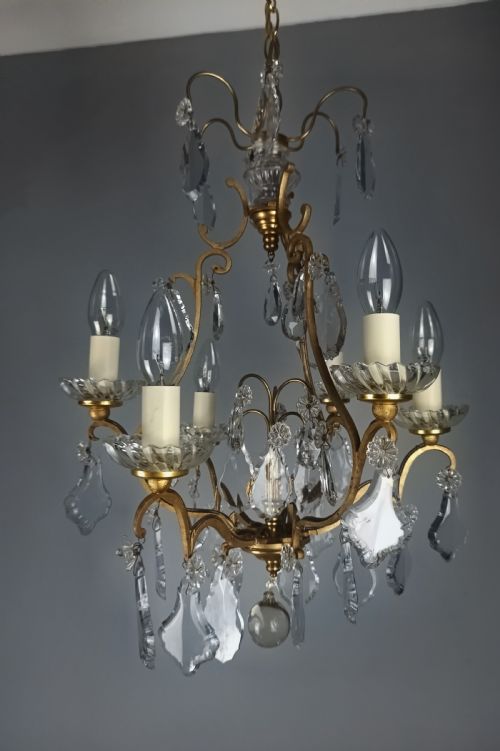
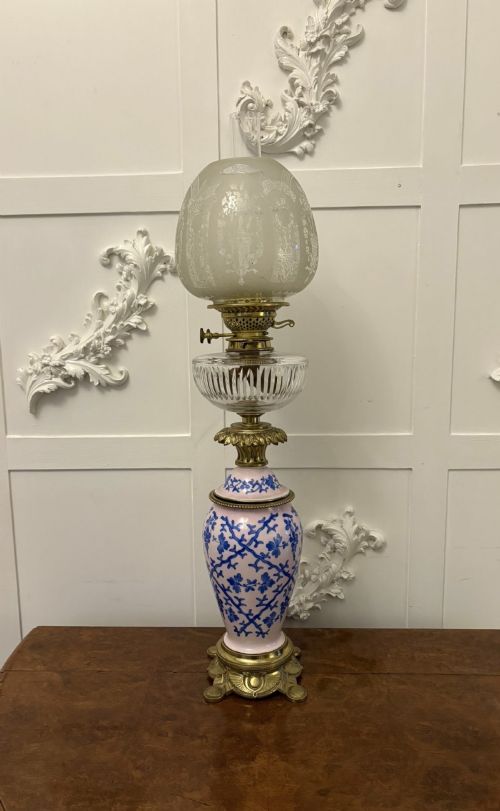
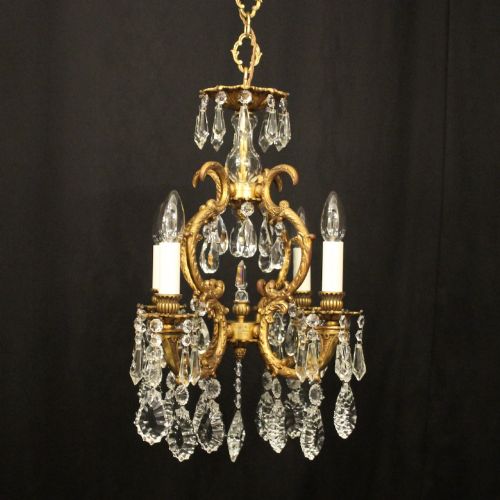
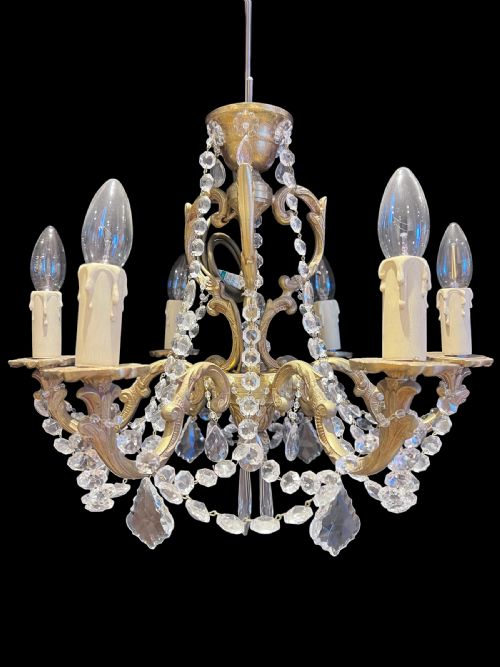
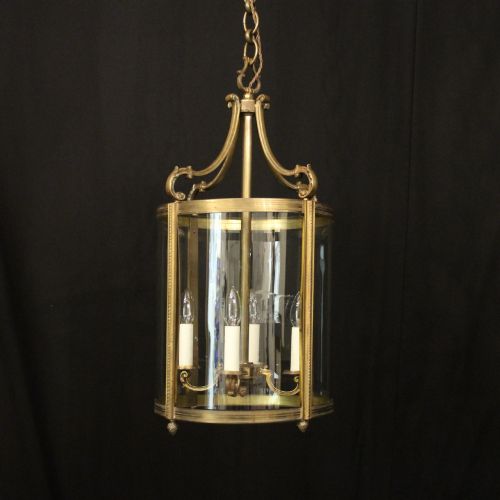
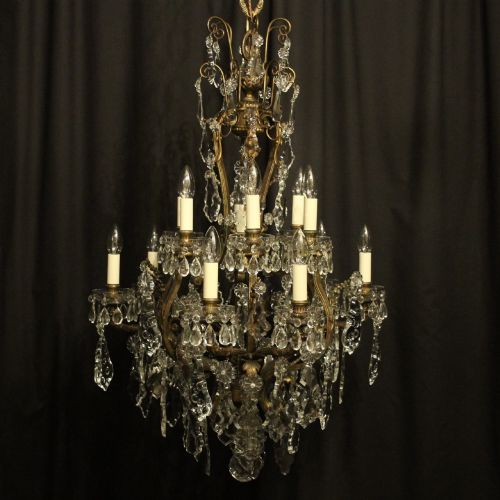
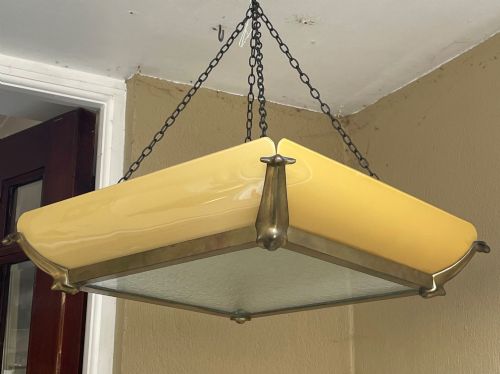
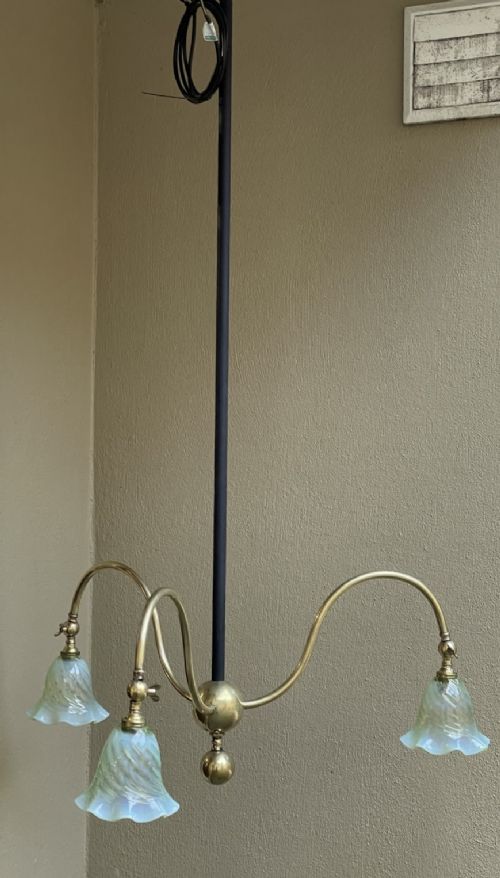
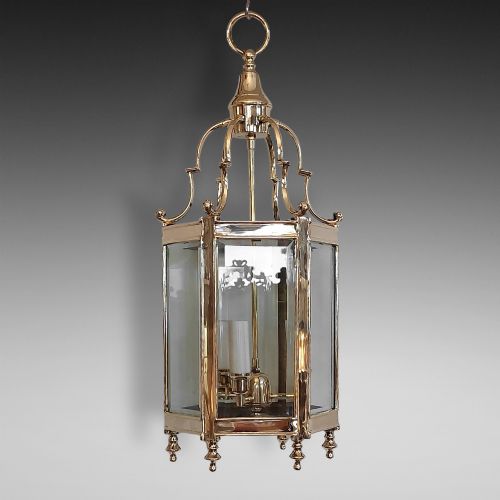
A brass and glass light covers a diverse array of illumination fixtures originating from the nineteenth and twentieth centuries, spanning periods from the Victorian era through to Art Deco designs. Buyers searching this phrase typically encounter hanging hall lanterns, multi-armed chandeliers, and ceiling pendants framed in metal and glazed with crystal, opaline, or stained glass.
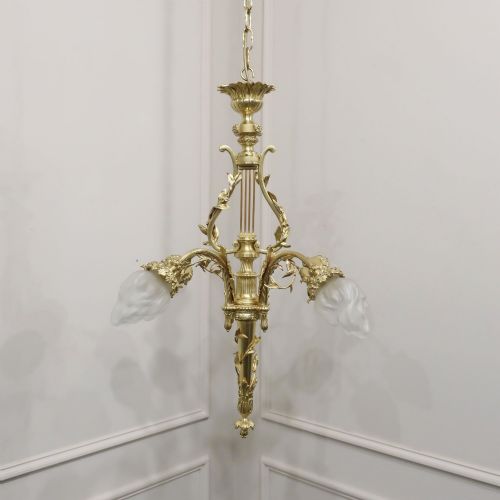
The selection ranges from French gilded bronze fixtures and Arts and Crafts lanterns to industrial American slip shade lights and elaborate Italian chandeliers. Forms vary significantly from flush ceiling fittings and wall sconces to substantial multi-light pendant fixtures designed for high-ceilinged interiors.
Materials and construction
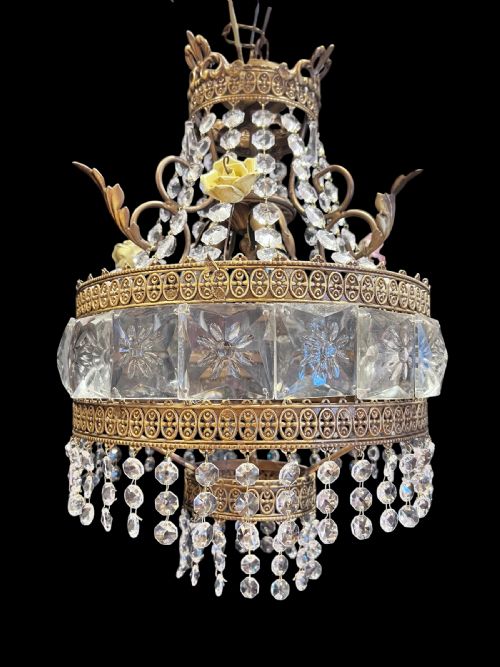
These pieces rely on a structural foundation of solid brass, gilded bronze, or plated metal shaped through casting, piercing, and framing. Frames hold transparent, cut, frosted, or coloured glass panels, droplets, and shades.
Manufacturing methods involve hand-soldering metal joints, bevelising glass panes, and cutting crystal lustres to refract light effectively. Wiring and galleries range from original gasolier conversions to later electrical adaptations utilising corded flex.
Some lanterns carry institutional histories, having once illuminated municipal town halls and grand hotel lobbies before finding domestic repose.
Judging the standard
Quality in a brass and glass light is determined by the weight and thickness of the cast metal frame, alongside the depth of hand-chasing or gilding on the brass surface. Finer examples feature heavy gauge metalwork that maintains structural rigidity over decades of hanging.
Glass components further distinguish the tier of a piece, with hand-cut crystal, heavy bevelled panes, and intricate moulded slip shades demonstrating superior craftsmanship compared to thin, machine-pressed alternatives.
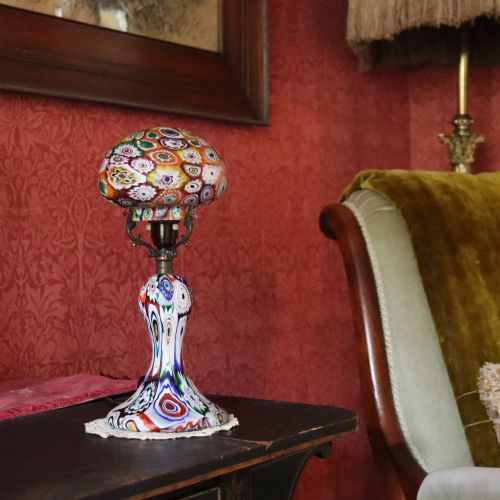
Fratelli Toso
The Brass and Glass Light Glossary
- Chandelier
- A branched, ceiling-mounted lighting fixture designed to hold multiple bulbs or candles. These fixtures often incorporate hanging crystal lustres and glass drops to enhance light dispersion.
- Hall lantern
- An enclosed hanging light fixture suspended by a chain or rod, traditionally used in entranceways and corridors. They feature glazed sides set within a metal framework.
- Opaline glass
- A type of semi-translucent, milky white glass popular in Victorian and Edwardian lighting. It softens light output and diffuses glare evenly across a room.
- Gasolier
- A multi-burner lighting fixture originally designed for gas illumination before being converted to electricity. They frequently date from the nineteenth century.
- Lustre
- A cut glass or crystal pendant drop suspended from a chandelier or wall light to catch and reflect illumination. They appear in various geometric and icicle shapes.
Brass and Glass Light: Frequently Asked Questions
How do I hang a heavy hall lantern?
Heavy lanterns require direct attachment to ceiling joists using a suitable mounting hook and weight-rated chain. Professional installation ensures the electrical box and ceiling structure safely support the mass of the metal and glass fixture.
Positioning height depends on clearance needs beneath the light, particularly in hallways or above stairwells where people walk regularly.
Are these lights wired for modern UK homes?
Many antique fixtures have been rewired with modern insulated flex and tested for electrical safety. It is common to find older brass fittings adapted for standard contemporary bulbholders while retaining their original exterior appearance.
An independent electrician can easily integrate these fixtures into standard household lighting circuits and dimmer switches.
How do I clean cut glass and brass?
Maintenance involves dusting the metal framework with a dry cloth and washing glass shades in warm soapy water. Avoid harsh chemical polishes on aged or gilded brass surfaces to preserve the natural patina.
Crystal lustres can be wiped individually while hanging or removed carefully for a thorough wash and dry.
How do I date an antique brass light?
Dating relies on stylistic markers such as the heavy ornamentation of Victorian Gothic designs, the geometric lines of Art Deco pieces, or the handcrafted honesty of Arts and Crafts metalwork. Construction clues like screw types, cast brass thickness, and wiring methods also indicate the period of manufacture.
Comparing the glass manufacturing technique, such as opaline shades or hand-cut crystal, helps narrow down the decade.