
Brass and Enamel Clock
A brass and enamel clock brings together polished metalwork and vibrant glazed panels, offering a reliable timepiece suited to any mantel.
Brass and Enamel Clock
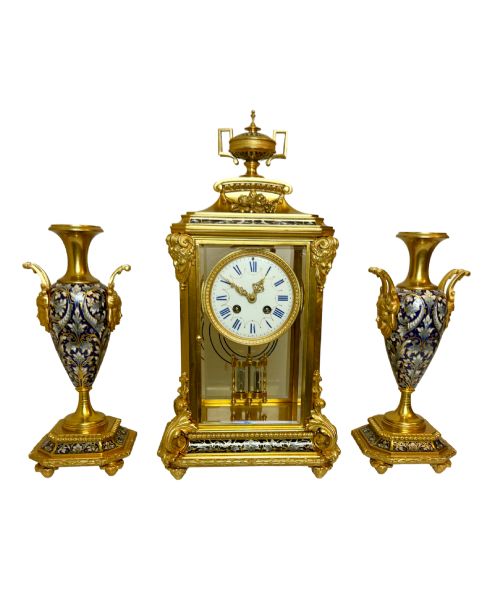
A brass and enamel clock brings together polished metal frames and vibrant glazed panels, offering a functional timepiece suited to mantels, desks and travel. Buyers find pieces ranging from compact travel timepieces to large garniture sets designed for prominent display.
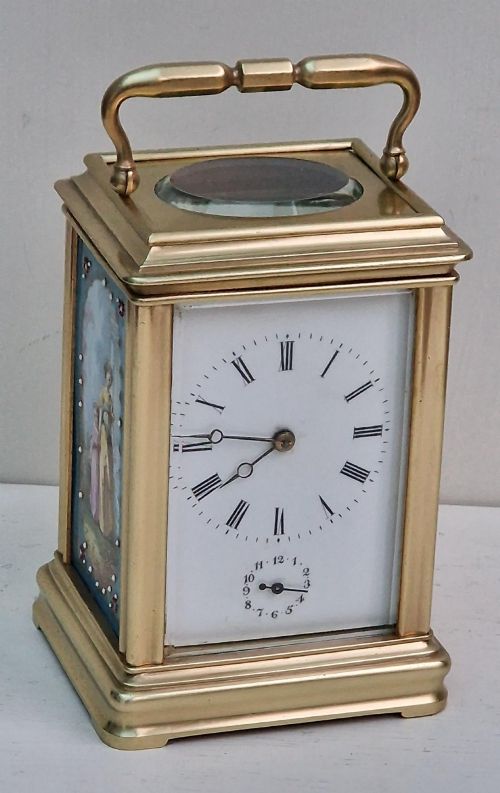
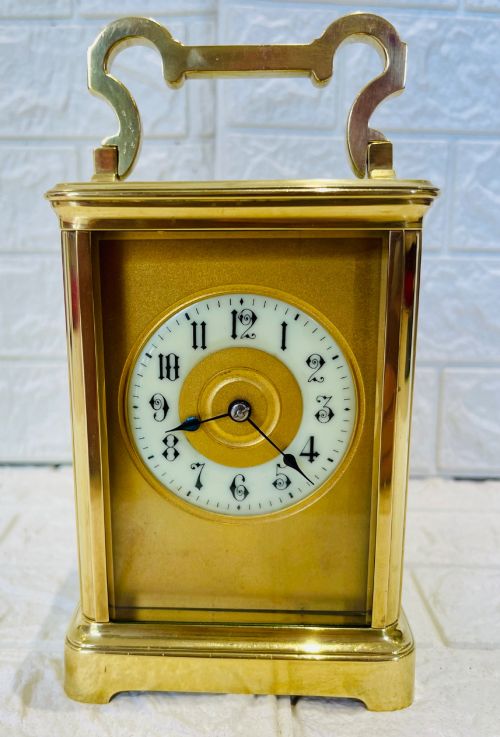
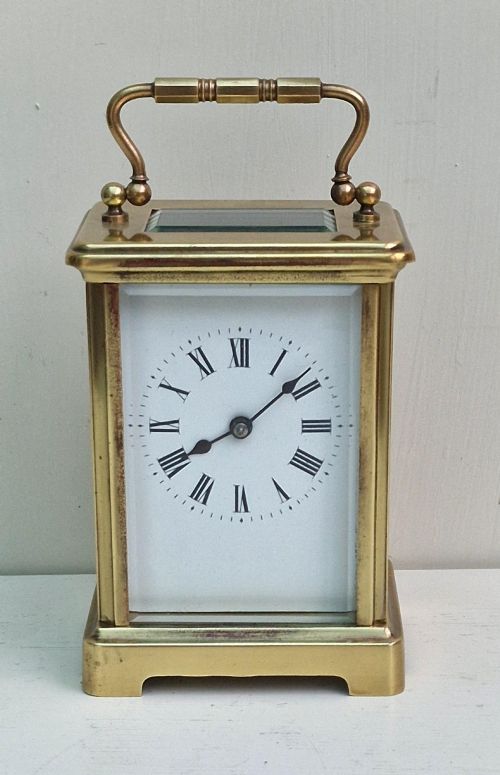
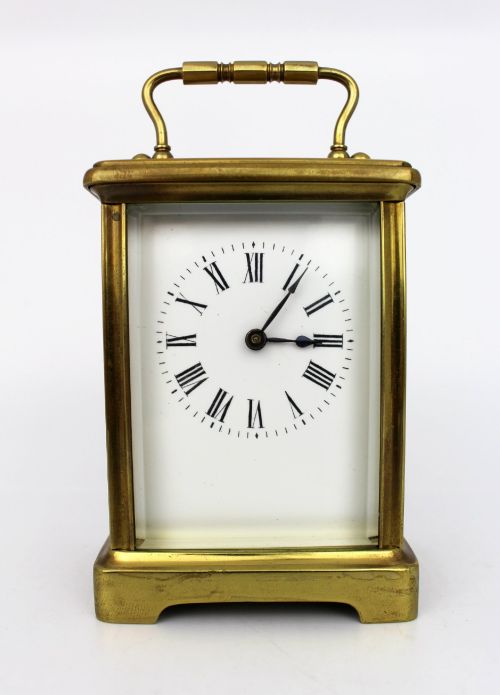
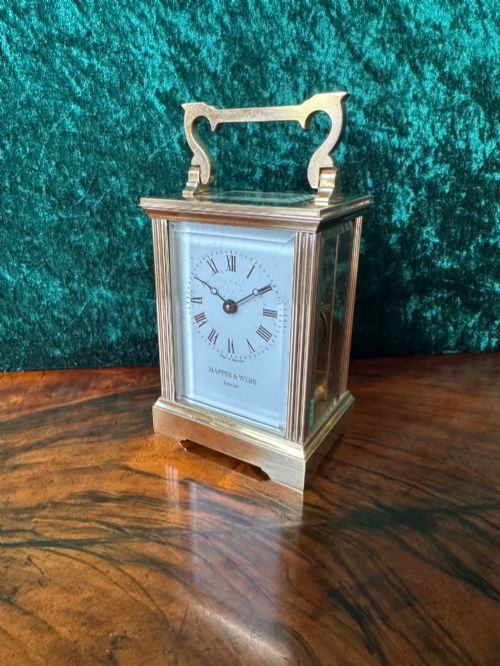
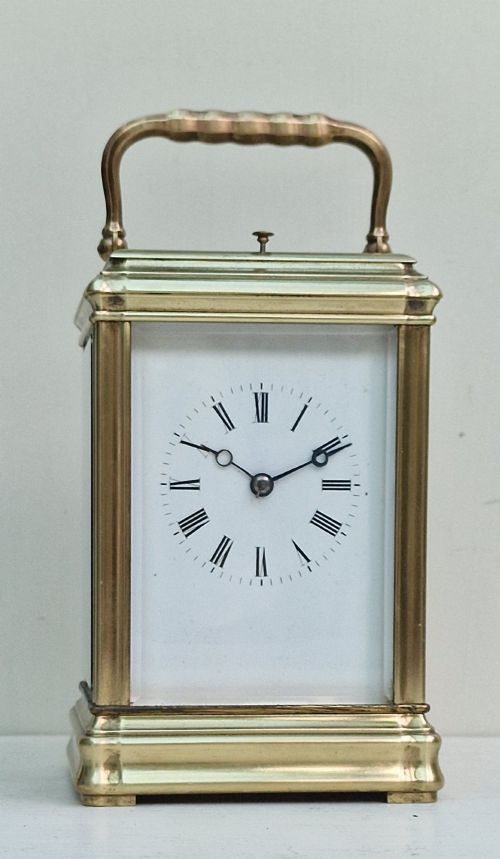
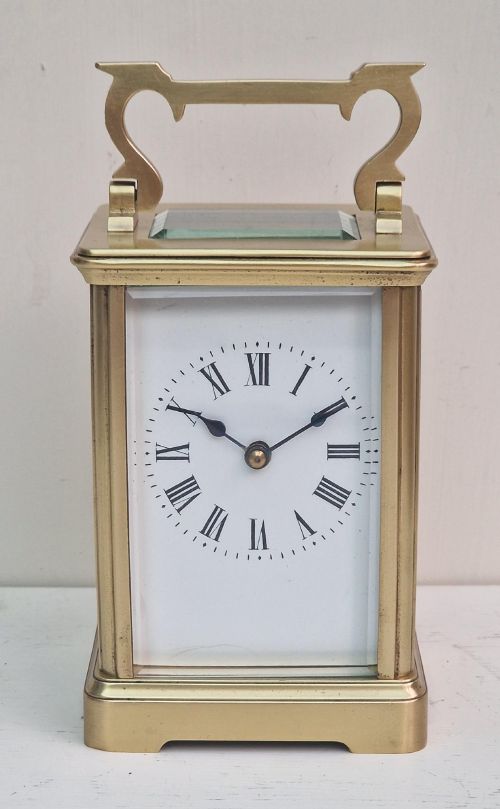
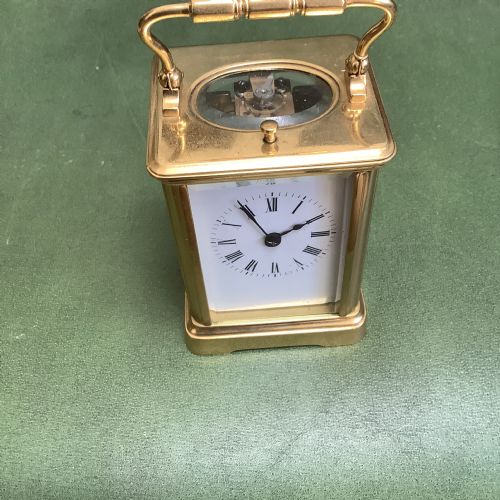
Carriage clocks dominate the selection, featuring heavy brass cases, glass panels and often enamel dials or painted scenes. These portable pieces date primarily from the nineteenth century, reflecting French and English craftsmanship of the Victorian and Edwardian periods.
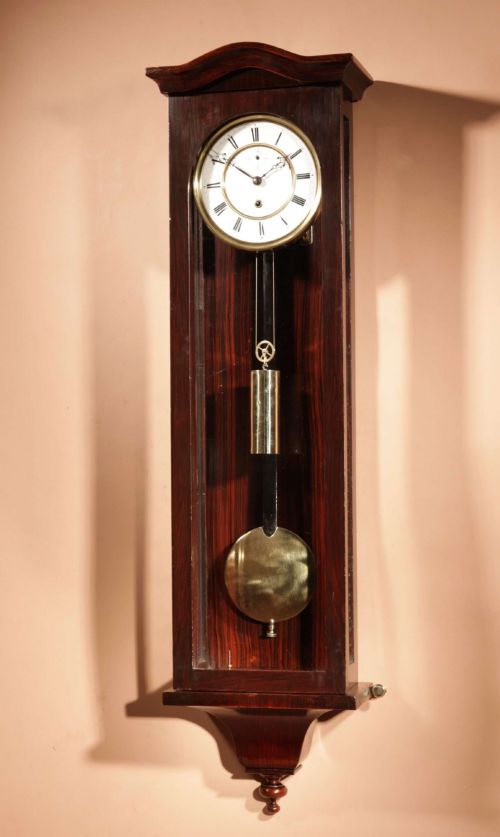
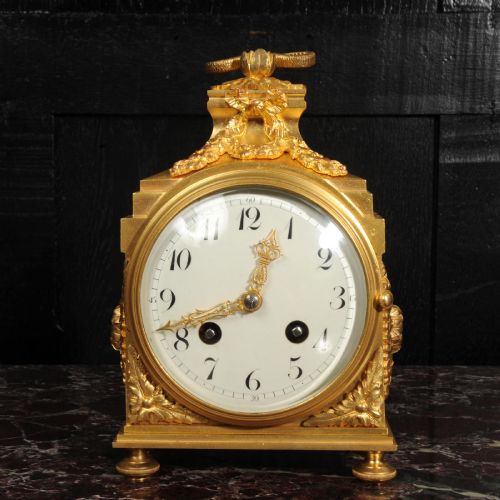
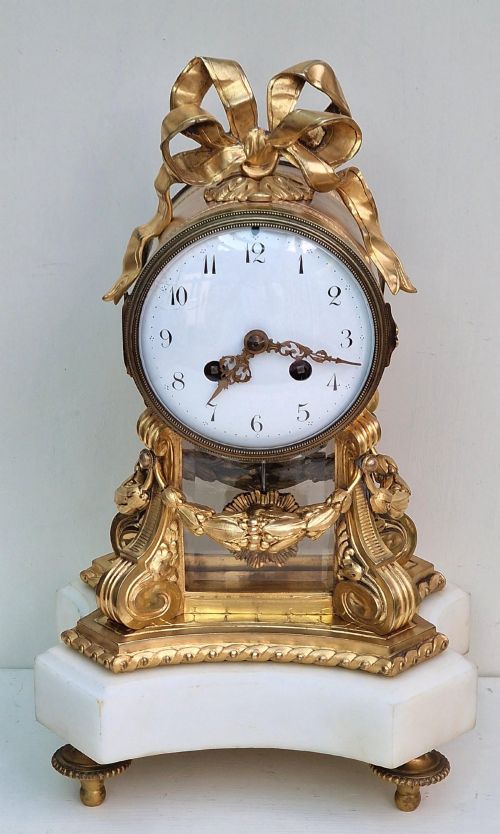
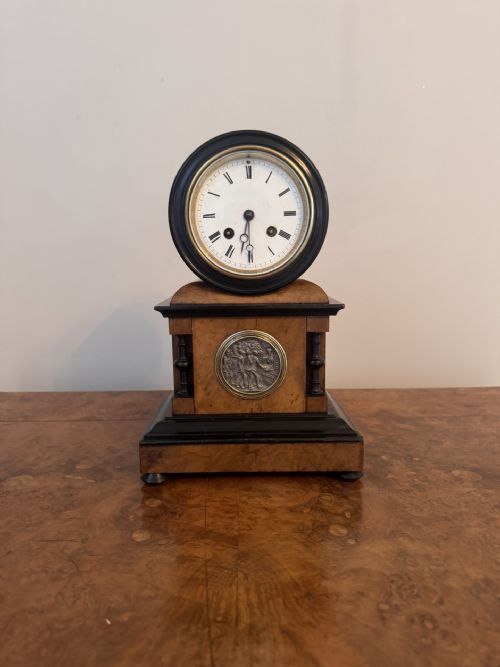
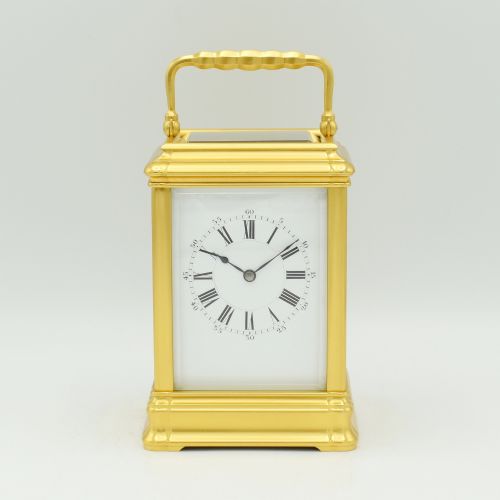
Wall clocks and mantel clocks appear alongside smaller portable designs, incorporating materials such as gilt bronze, porcelain and white marble. The typical brass and enamel clock on this page bridges utilitarian function and decorative art, housed in gorge cases, doucine frames or ornate engraved brass housings.
How They Were Made
Clockmakers shaped heavy brass and gilt bronze to form rigid structural frames, utilising casting, hammering and precise machining for movement gears and exterior housing. Glass panels were fitted into bevelled edges to protect delicate dials and internal escapements.
Enamel work involved fusing powdered glass to metal surfaces under high heat, creating smooth coloured panels or crisp white dials with painted numerals. Champlevé enamel required carving depressions into the brass base to hold the coloured enamel paste before firing and polishing.
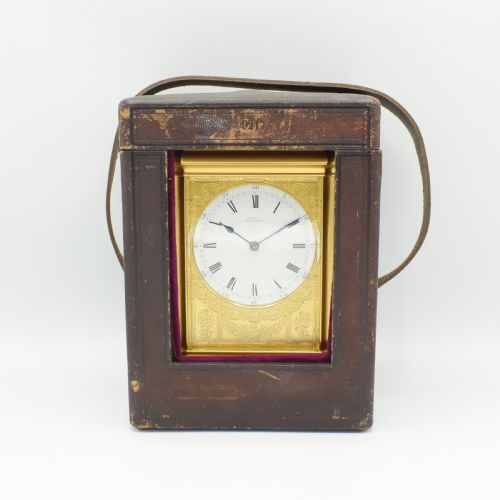
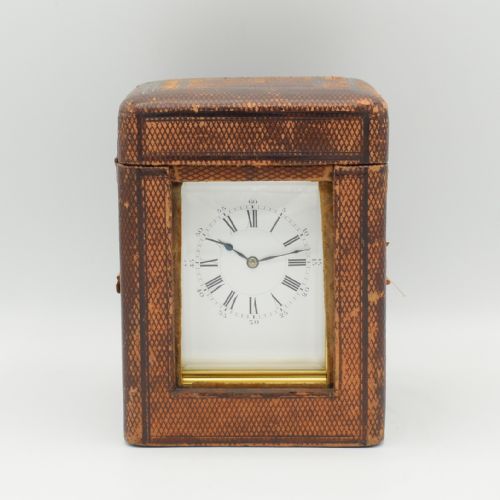
Travel cases included with antique carriage clocks reveal that nineteenth-century owners transported their heavy brass timekeepers with surprising frequency.
What Varies in Quality
The clarity and depth of the enamel work set finer examples apart, particularly where hand-painted details or intricate champlevé patterns show precise kiln firing without cracking. Engraving across the brass housing dictates visual hierarchy, with fully hand-engraved cases demanding greater skill than plain polished surfaces.
Movement sophistication determines functional superiority, separating standard eight-day timepieces from complex repeating mechanisms that strike hours and quarters. Maker attribution adds distinction, as signed movements by established makers indicate higher standards of mechanical assembly and finishing.
Henri Jacot·Mappin and Web·Pickford of London·Drocourt Paris·C. Detouche Paris·T. Martin and Co·Margaine Of France·Japy Freres
The Brass and Enamel Clock Glossary
- Carriage clock
- A portable spring-driven timepiece designed for travel, typically fitted with a carrying handle and glass panels. These clocks usually feature brass frames and were widely produced in France and Britain.
- Champlevé
- An enamelling technique where troughs are dug into a metal surface and filled with vitreous enamel before firing. The piece is then ground smooth and polished to sit flush with the metal partitions.
- Gorge case
- A stepped brass carriage clock case style featuring a distinct moulded cornice and base. This case type provides robust housing for the movement and glass panels.
- Garniture set
- A matching group of decorative objects, usually consisting of a central clock flanked by two matching vases or candelabra. These sets were designed to sit symmetrically on a mantelpiece.
- Pendule d'Officier
- A traditional French military officer's travel clock, often housed in a leather travel case. These compact timepieces preceded the standard nineteenth-century carriage clock.
Brass and Enamel Clock: Frequently Asked Questions
What is a carriage clock?
A carriage clock is a portable mechanical timepiece with a built-in handle, designed for travellers in the nineteenth century. They rely on spring movements rather than pendulums.
Most examples feature glass panels on all four sides to expose the internal escapement and gear train. They sit on heavy brass bases and often include striking mechanisms.
How do I wind a vintage clock?
Winding requires a matching winding key inserted into the arbours on the dial or backplate. Turn the key gently until resistance signals the mainspring is fully tensioned.
Avoid over-winding, which can snap older steel springs. Many nineteenth-century movements require weekly winding to maintain accurate timekeeping.
How do I date a brass clock?
Dating relies on stylistic clues, case construction methods and maker signatures stamped on the movement backplate. Victorian and Edwardian pieces often exhibit distinct handle designs and escapement types.
Lever escapements generally point to later nineteenth or early twentieth-century production, whereas older cylinder platforms appear in mid-nineteenth-century items.