




Brass and Copper Container
A brass and copper container brings warmth and metal texture to a room, ranging from hearth coal buckets to decorative planters.
Brass and Copper Container
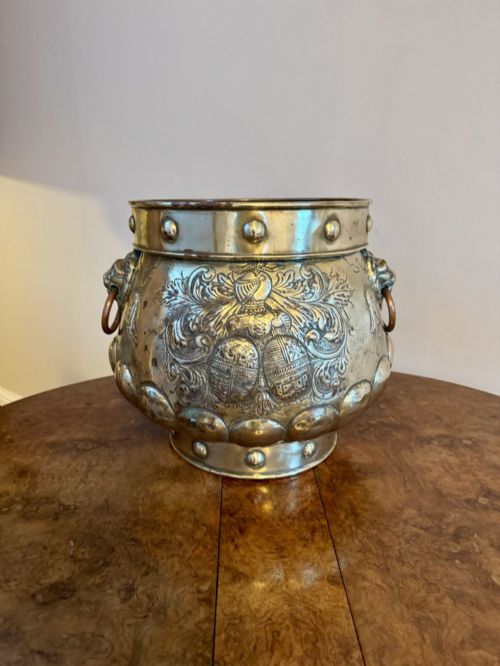
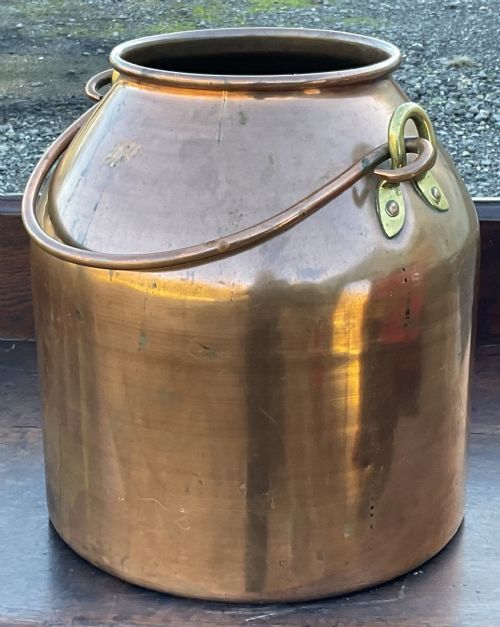
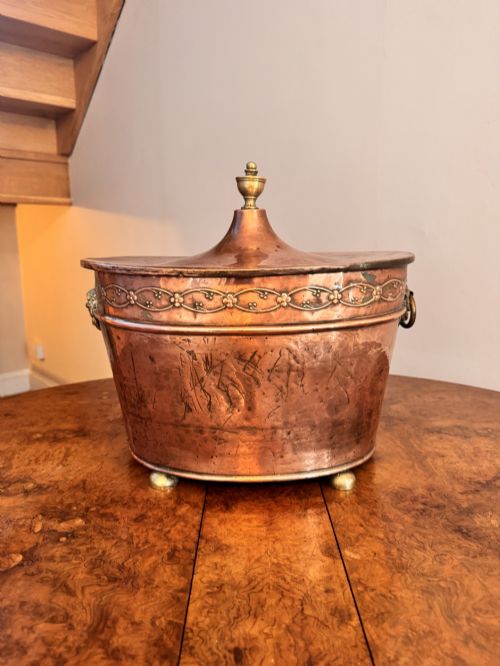
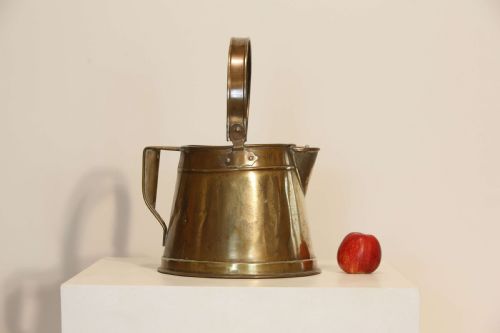
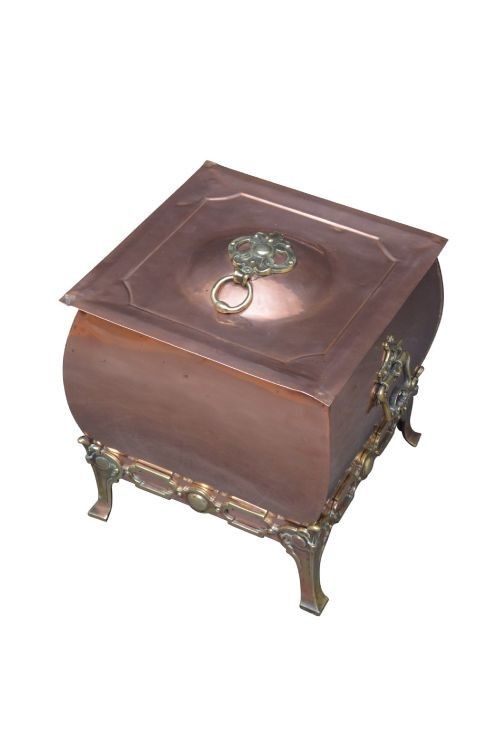
When you search for a brass and copper container, you meet functional vessels designed for domestic hearth use or storage. These pieces encompass coal scuttles, log bins, and cauldrons alongside planters and water barrels.
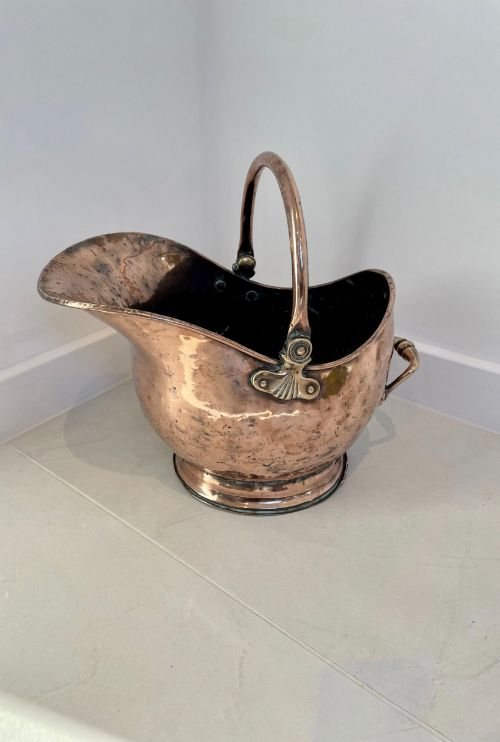
The Victorian period dominates the available forms, spanning coal buckets, helms, and jardinières. Earlier examples reach back through Georgian and George III periods into the eighteenth century, showing utilitarian roots.
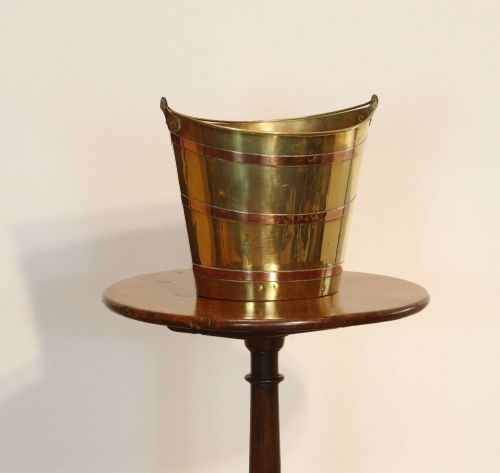
Makers utilised contrasting metals to construct these durable vessels, pairing copper bodies with brass mounts, handles, and banding. Oak and iron also appear in supportive framing and structural detailing.
Materials and Construction Techniques
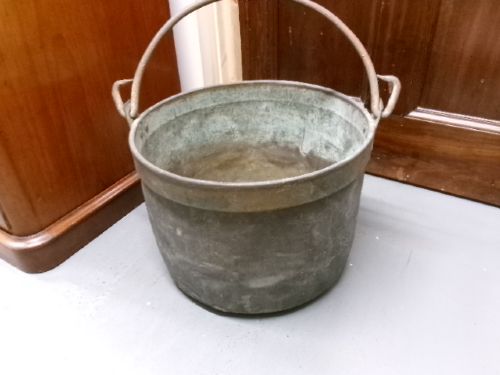
Craftsmen built these containers primarily from sheet copper and brass, joined with visible rivets or folded seams. Heavier vessels incorporated iron strengthening hoops and sturdy swing handles.
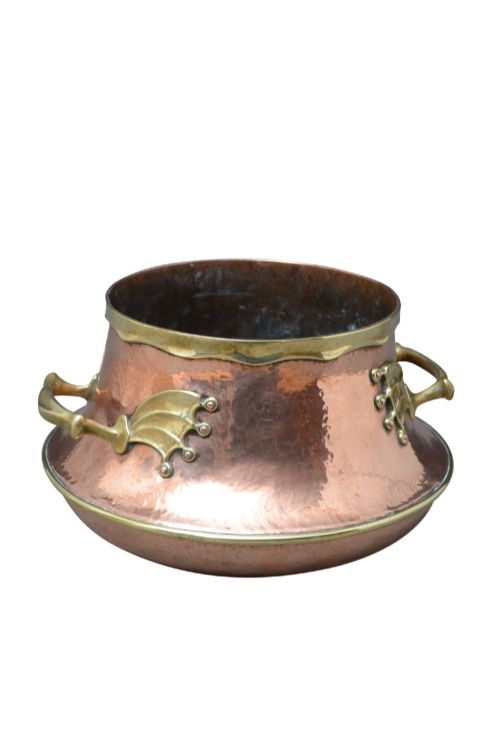
Certain forms feature wooden elements, such as oak hod bodies bound in brass, or applied silver inlay for decorative contrast. Hammered surfaces and riveted joints show hand-working traditions, particularly in Arts and Crafts pieces.
Brass and Copper Container Retail Price Guide 2026
Typical asking prices for brass and copper container among the pieces listed under this phrase on Sellingantiques today, from the lower quarter to the upper quarter. They describe what is for sale here now, not the wider market.
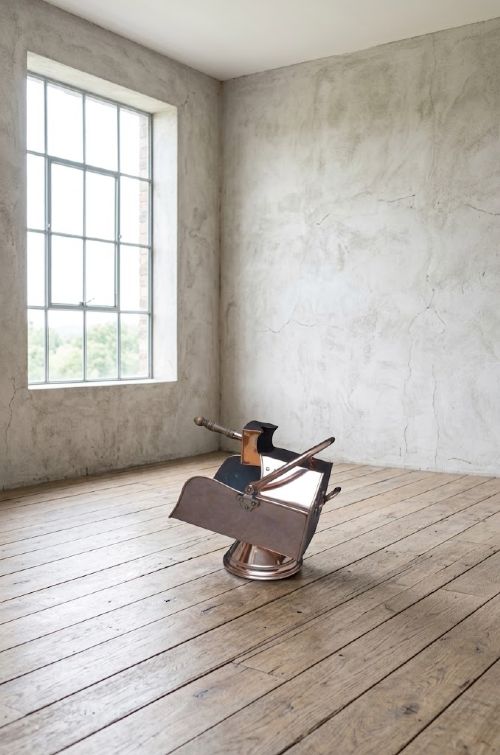
A decorated artillery shell sits among the domestic coal buckets, proving that old metal containers took on surprising forms.
Judging Quality in Metal Containers
Weight and gauge of the metal separate robust domestic vessels from lighter decorative items. Heavy gauge copper and thick brass mounts indicate sustained utility rather than superficial manufacture.
The integrity of the construction, from tight riveting to solid handle attachments, dictates the standard of a piece. Original mounts, matching brass bands, and honest surface patination elevate utilitarian objects into accomplished examples of metalwork.
The Brass and Copper Container Glossary
- Coal Scuttle
- A vessel designed for holding and transporting coal to a fireplace, often shaped as a helmet with a hinged handle and flat base.
- Jardiniere
- An ornamental pot or stand for holding plants or flowers, frequently manufactured in copper or brass during the Victorian era.
- Cauldron
- A large round metal pot with a swing handle, traditionally used over an open fire or for heavy storage.
- Log Bin
- A deep receptacle intended for storing firewood beside a hearth, constructed in metal or oak with brass fittings.
- Seer Measure
- A traditional measuring vessel, found in sets of graduated copper and brass containers.
Brass and Copper Container: Frequently Asked Questions
What were these containers used for?
These metal vessels served practical domestic roles around the house, primarily storing and moving coal or wood for hearths. Others held water, milk, or plants in daily household management.
Over time, utilitarian objects like coal buckets and boilers transitioned into decorative planters and umbrella stands within period interiors.
How do I date a brass and copper container?
Dating relies on observing construction methods, handle attachments, and stylistic traits associated with specific periods. Georgian and George III items often display hand-beaten surfaces and specific helmet profiles.
Victorian and Arts and Crafts examples introduce heavier riveted construction, machine-rolled sheet metal, and distinct aesthetic movement decoration.
How should I clean copper and brass?
Care depends on whether you prefer a bright polished finish or a mellow, aged patina. Many collectors choose to preserve the dark oxidized surfaces built up over centuries.
If cleaning is necessary, mild soapy water removes dust without stripping the character from the metal.
Can I use an antique coal bucket as a planter?
Metal containers adapt well to holding potted plants inside the home. Placing a plastic liner inside protects the historic base from moisture and soil erosion.
Ensure proper drainage is managed externally to prevent water accumulation against the aged metal seams.