



Brass and Copper Box
A brass and copper box brings warmth and dual-metal contrast into a room, serving as a practical container with tactile appeal.
Brass and Copper Box
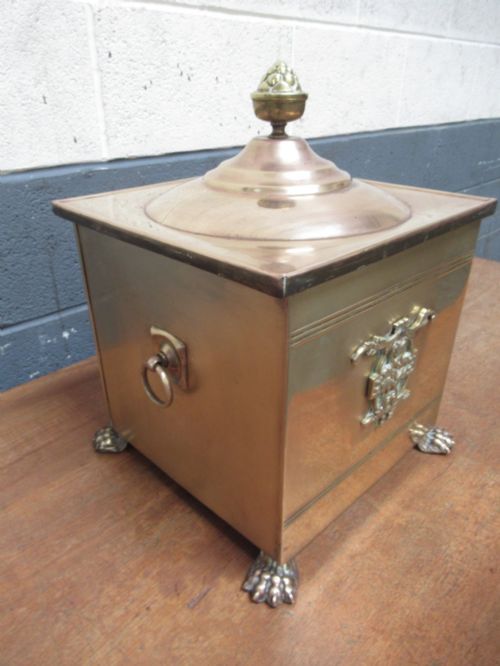
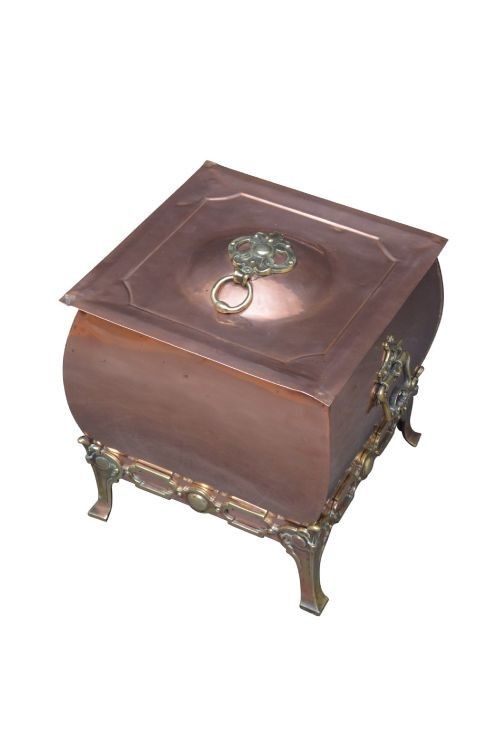
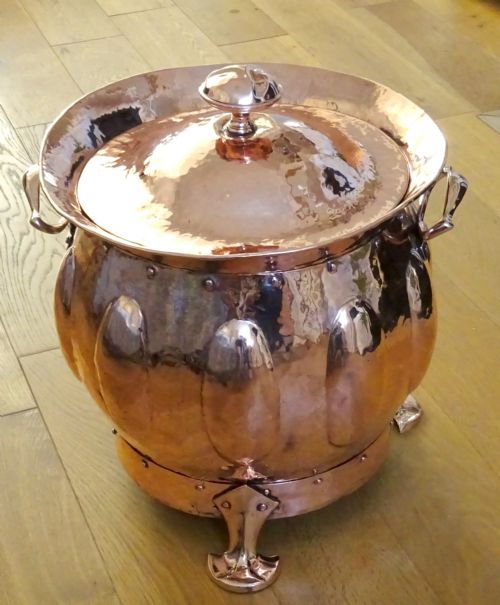
A brass and copper box combines two distinct metals to create contrasting warm tones and visual depth. Pieces range from small pocket items like snuff boxes and patch boxes to large fireside coal bins and log scuttles.
The selections span multiple eras, with Victorian and Arts and Crafts examples appearing frequently alongside earlier Georgian and 18th-century German tobacco tins. Forms vary from simple utilitarian containers to ornate lidded caskets and decorative letter racks.
Origins stretch across Britain, Europe, and the Middle East, incorporating styles such as Mamluk revival and Japanese Meiji alongside domestic vernacular work. Buyers encounter items intended for the desk, the hearth, or personal use.
Materials and construction methods
Maker techniques rely heavily on sheet metal manipulation, utilising hammering, embossing, and repoussé decoration to raise patterns from the surface. Copper panels provide a rich reddish ground while brass mounts, hinges, and feet supply structural contrast.
Enamel surfaces feature on smaller boxes like eighteenth-century patch boxes, fused to metal bases for colourful detail. Gilt metal, iron, and bronze patina appear alongside wood inserts and linings in larger receptacles such as coal bins and caskets.
Brass and Copper Box Retail Price Guide 2026
Typical asking prices for brass and copper box among the pieces listed under this phrase on Sellingantiques today, from the lower quarter to the upper quarter. They describe what is for sale here now, not the wider market.
Listings feature 18th-century Bilston enamel patch boxes alongside heavy Victorian coal scuttles and Arts and Crafts copper letter racks.
Assessing quality and execution
The division between standard items and superior examples rests on the crispness of the hand-worked detail and the weight of the metal. Heavier gauge copper and substantial brass fittings indicate careful construction that survives centuries of handling.
Surface finish and decorative ambition distinguish the finer pieces, particularly where repoussé work or engraved motifs show confident control. Proportion and the integrity of original hinges and lids play a major role in establishing the calibre of a piece.
The Brass and Copper Box Glossary
- Repoussé
- A metalworking technique where the metal is hammered from the reverse side to form a raised design on the front. This method creates tactile, three-dimensional surface patterns.
- Patch box
- A small container used in the eighteenth and nineteenth centuries to hold cosmetic beauty patches. These boxes often feature enamel lids and metal bases.
- Mamluk revival
- A nineteenth-century design style inspired by medieval Islamic metalwork from Egypt and Syria. Objects in this style typically feature intricate inlaid geometric and calligraphic patterns.
- Snuff box
- A small pocket-sized container designed to hold powdered tobacco. They frequently incorporate novelty shapes or hinged lids with engraved decoration.
- Cloisonne
- An ancient technique for decorating metal object surfaces using vitreous enamel held within thin metal strips. These compartments are soldered to the base metal before firing.
Brass and Copper Box: Frequently Asked Questions
How do I clean a brass and copper box?
Dust the surface gently with a soft dry cloth to prevent the accumulation of grit in crevices and engraved lines. Avoid aggressive metal polishes that remove patination and historical depth.
Allow the natural ageing process to continue, as dark patination confirms the age and genuine history of the dual-metal surfaces. Preservation of the original skin remains important for long-term character.
What were small copper and brass boxes used for?
Small containers served personal grooming needs, holding items such as snuff, cosmetic patches, or small trinkets. Pocket versions travelled with their owners while desk accessories held letters and wax.
Interior spaces often featured simple metal or fabric linings depending on the fragility of the intended contents. Their dual-metal construction offered both durability and ornamental display value.
How do I date an antique metal box?
Examine the construction methods, screw types, hinge styles, and overall wear patterns across the base and interior. Eighteenth-century examples often display hand-cut elements and distinct patination compared to later nineteenth-century industrial output.
Stylistic markers such as Arts and Crafts hand-hammered surfaces or Mamluk revival motifs provide further chronological clues. Comparative material from documented periods helps narrow down the decade of manufacture.
Where should I place a large metal box at home?
Large receptacles like coal scuttles and log bins suit fireplace settings, storing fuel while adding reflective warmth to the hearth. Smaller caskets function effectively on side tables, desks, or open shelving.
Keep pieces away from direct moisture and excessive heat sources to protect any internal wooden linings or delicate surface patinas. Positioning them near natural light allows the contrasting copper and brass tones to stand out.