



Brass and Ceramic Stand
These brass and ceramic stand pieces combine metalwork with pottery to create functional and decorative items for the home, making them a versatile choice for interiors.
Brass and Ceramic Stand
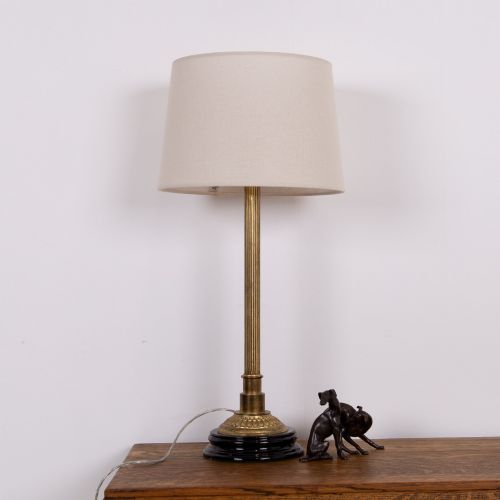
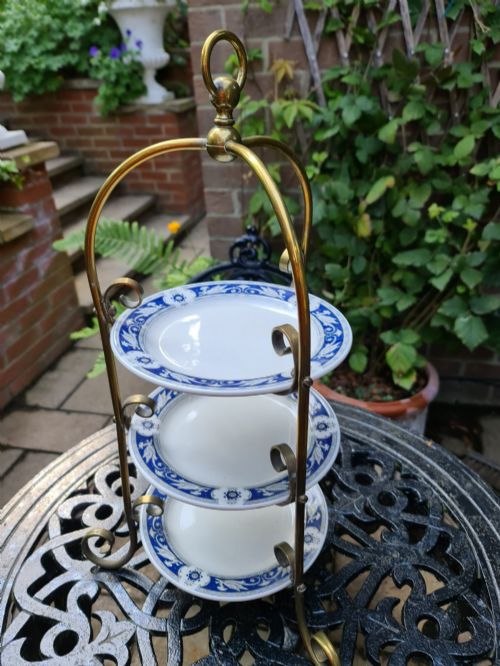
When you search for a brass and ceramic stand, you encounter a varied selection of domestic and decorative objects from the nineteenth and early twentieth centuries. These items range from table lamps and candlesticks to inkwells and cake stands, each pairing metal mounts with pottery or porcelain elements.
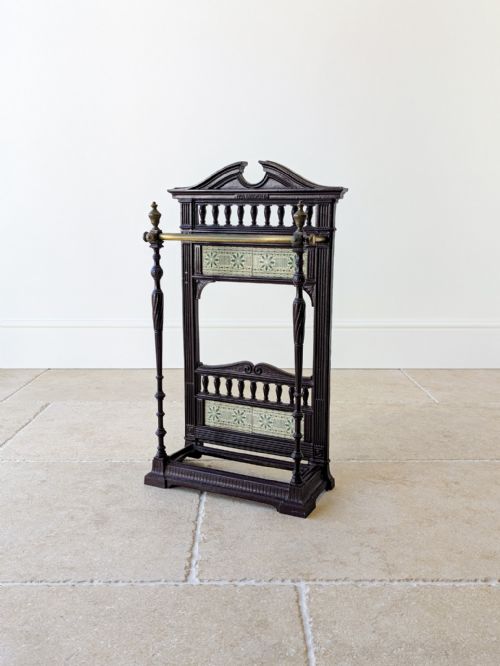
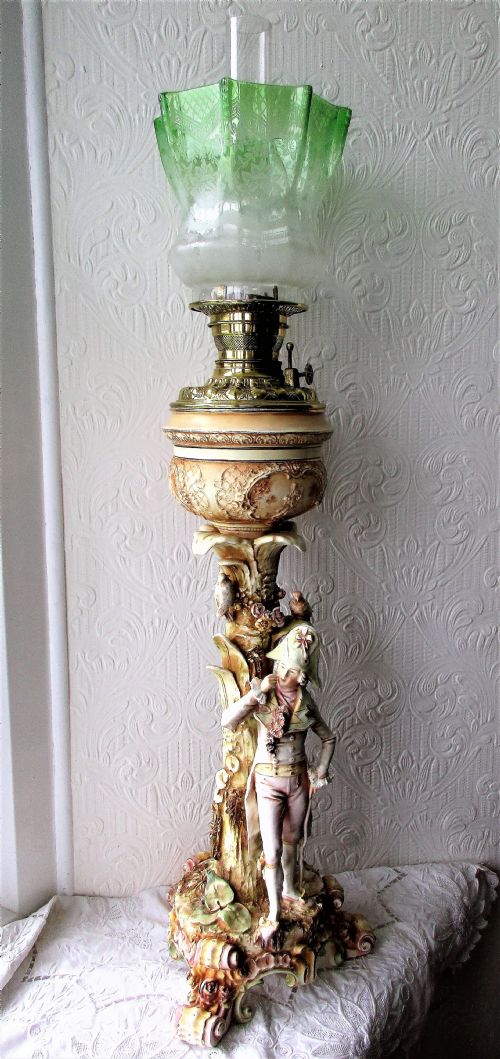
The pieces appearing on this page most frequently take the form of candlesticks, inkwells, and oil lamps dating from the Victorian and Edwardian eras. Alongside these, you will find occasional umbrella stands and desk accessories that utilise the same foundational combination of materials.
Origins span British workshops, Continental makers, and Chinese export styles, reflecting diverse aesthetic influences from the Aesthetic Movement to Chinoiserie. This variety ensures that buyers can find items suited to both period settings and eclectic interiors.
How they were made
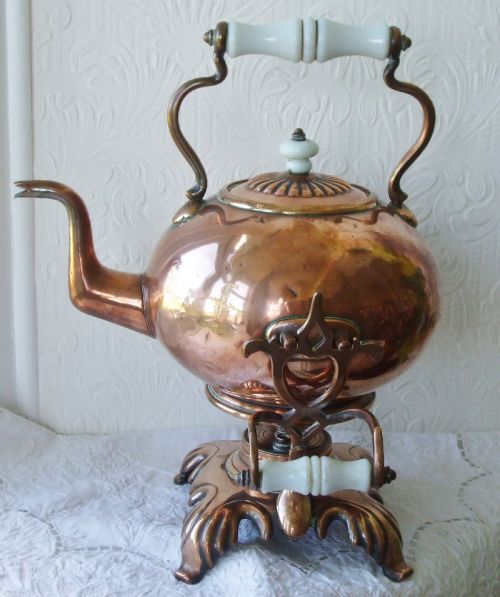
Makers constructed these stands by combining cast or turned brass with fired ceramic, porcelain, or glass components. Metal bases and mounts were frequently cast, chased, or patinated to secure and frame the ceramic body.
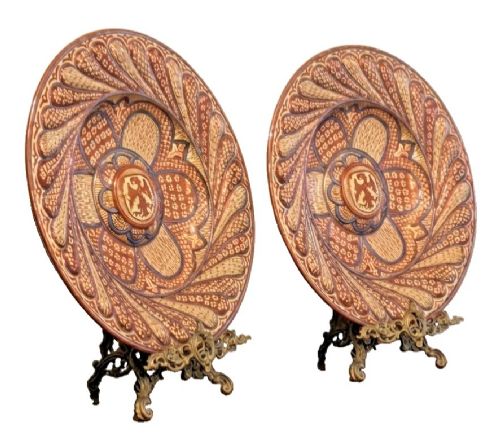
Ceramic elements include hand-painted porcelain plaques, glazed inkwells, and pottery bodies decorated in blue and white or polychrome enamels. These components were often manufactured separately before being fitted securely into or onto the metal framework.
Brass and Ceramic Stand Retail Price Guide 2026
Typical asking prices for brass and ceramic stand among the pieces listed under this phrase on Sellingantiques today, from the lower quarter to the upper quarter. They describe what is for sale here now, not the wider market.
Cranes made of cloisonne enamel stand shoulder-to-shoulder with utilitarian umbrella holders, proving that desk accessories had big ambitions.
What varies in quality
The refinement of the casting and the precision of the metalwork distinguish finer examples from standard production pieces. Crisp chasing on the brass and careful finishing of the joints demonstrate superior craftsmanship.
Quality also resides in the ceramic component, where hand-painted details, clear glazes, and well-executed transfer printing elevate the piece. The harmonious proportion between the metal support and the ceramic vessel determines the overall visual balance.
Coalbrookdale·Berlin KPM
The Brass and Ceramic Stand Glossary
- Aesthetic Movement
- A late nineteenth-century design style emphasising visual beauty over narrative content, often incorporating Japanese and other Asian motifs. Pieces from this period frequently display stylised natural forms.
- Chinoiserie
- European artistic styles reflecting Chinese decorative motifs, popular in furniture, ceramics, and metalwork. This approach often uses blue and gold colourways alongside dragon or floral patterns.
- Baluster
- A moulded shaft or pillar with a swelling lower portion, commonly seen in candlesticks and vase lamps. This shape provides a stable visual base for taller objects.
- Cloisonne
- A technique where enamel is applied to compartments created by soldered metal wires on a base. This method produces intricate coloured patterns across decorative objects.
Brass and Ceramic Stand: Frequently Asked Questions
What periods do these stands come from?
The pieces span the nineteenth and early twentieth centuries, including Victorian and Edwardian eras.
Dates across the current selection extend from the eighteen-eighties through to nineteen-twenty.
How were these stands used?
They served various domestic functions, holding candles, lighting fuel, or serving ink for writing desks.
Some larger examples functioned as umbrella stands or cake displays in period reception rooms.
What materials are combined in these pieces?
Makers paired brass with ceramic, porcelain, and occasionally cast iron or bronze elements.
Additional materials such as cloisonne enamel and glass also appear in specific decorative items.
How do I identify an Aesthetic Movement piece?
Aesthetic Movement items from the late nineteenth century often feature stylised natural motifs and refined brass mounts.
They reflect a design focus on visual harmony rather than traditional Victorian ornamentation.