




Brass Accented Nightstands
Brass accented nightstands bring refined metallic detail to bedside spaces through timber and glass forms spanning multiple historic revivals.
Brass Accented Nightstands
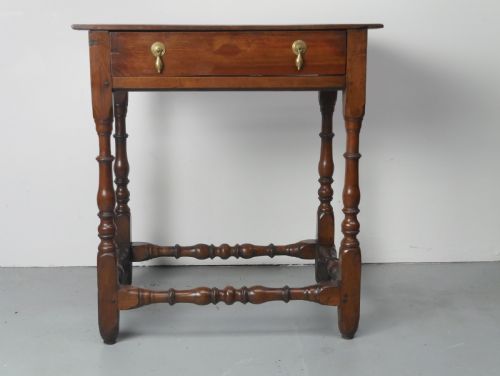
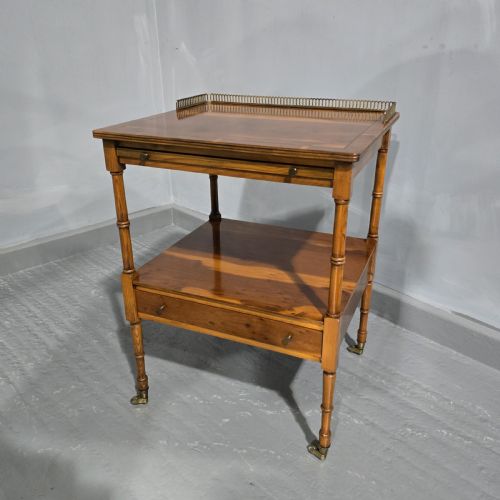
Brass accented nightstands encompass a variety of small bedside supports, lamp tables, and side cabinets derived from nineteenth and early twentieth century traditions. These pieces combine timber structures with metal mounts, gallery rails, or hardware.
While traditional bedside tables and lamp tables dominate, the category also incorporates occasional tables and side cabinets utilised for similar functions. Origins stretch from Georgian styles up to nineteen-thirties interpretations.
How they were made
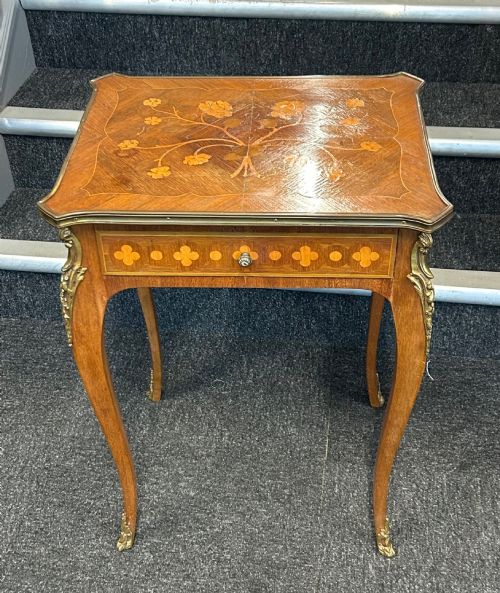
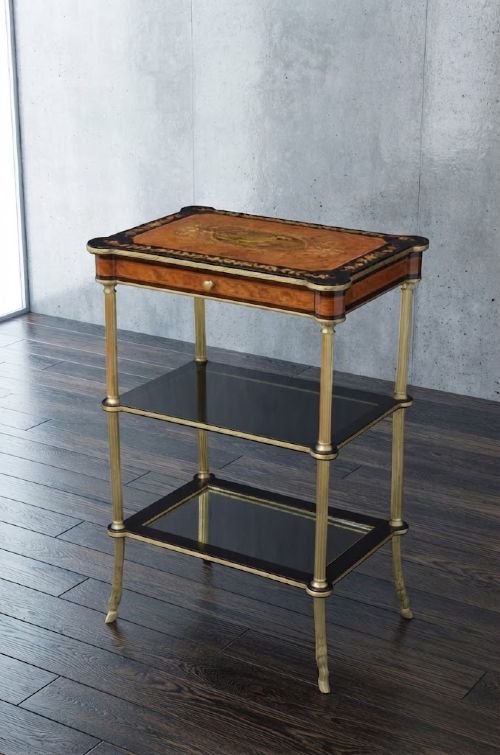
Cabinetmakers constructed these frames using hardwoods like mahogany, walnut, kingwood, fruitwood, and yew, frequently applying intricate marquetry, parquetry, or ebonisation. Surfaces often incorporate inset marble tops, mirrored tiers, or glass components.
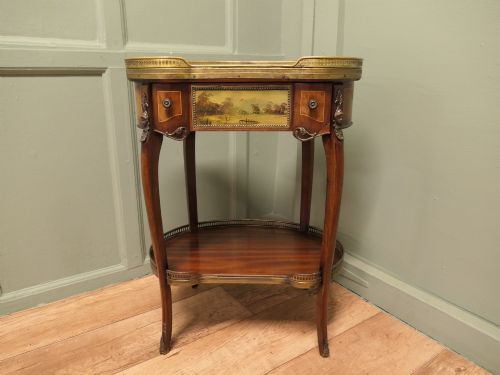
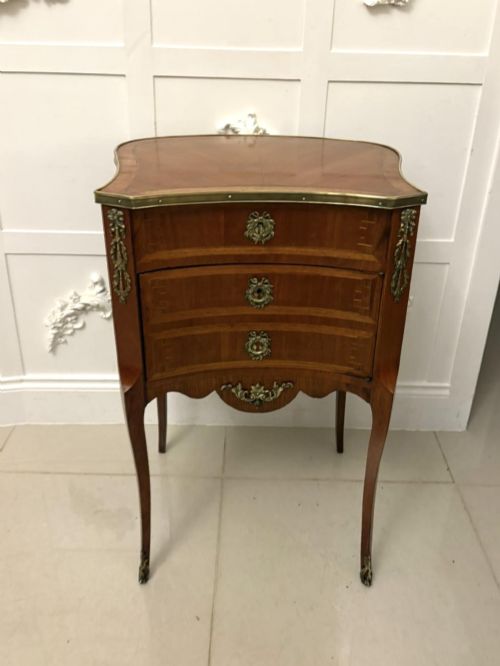
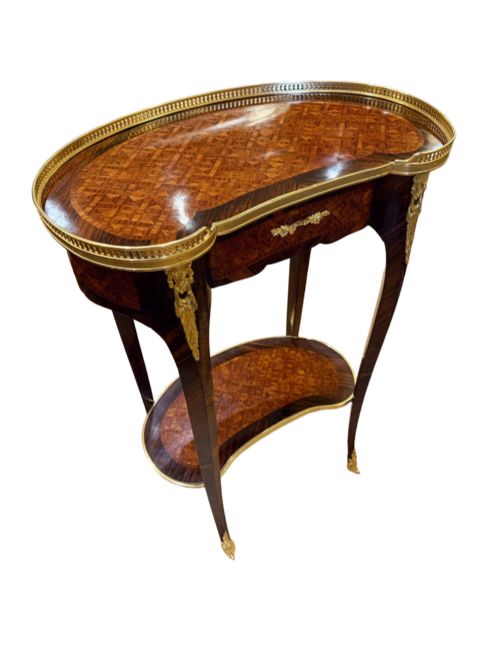
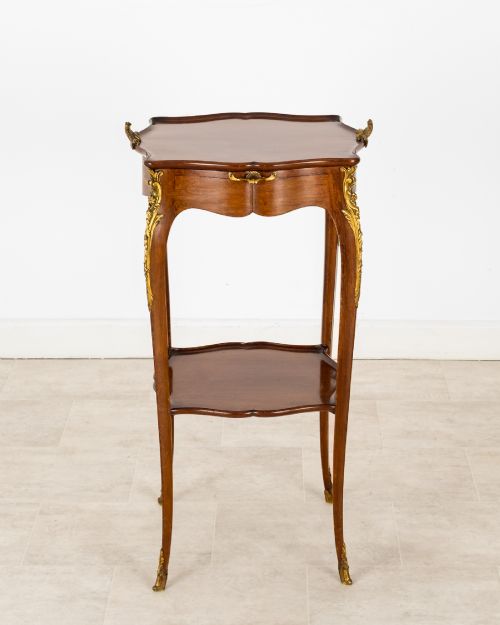
Metalwork played a defining structural and decorative role, utilising cast brass, ormolu mounts, and gallery rails secured to timber edges. Joinery techniques reflect the period of origin, from traditional nineteenth-century cabinet work to early twentieth-century production methods.
Brass Accented Nightstands Retail Price Guide 2026
Typical asking prices for brass accented nightstands among the pieces listed under this phrase on Sellingantiques today, from the lower quarter to the upper quarter. They describe what is for sale here now, not the wider market.
The listings combine nineteenth-century French and English furniture forms, spanning Georgian styles through nineteen-thirties lamp tables.
What varies in quality
Quality rests in the precision of the timber veneers, the crispness of the marquetry and parquetry inlays, and the integrity of the underlying hardwood carcase. Superior examples exhibit seamless joints and carefully selected grain patterns across every surface.
The refinement of the metal elements also dictates value, distinguishing finely chased ormolu and solid brass mounts from simpler, mass-produced fittings. The integration of high-grade materials like inset marble or frosted glass further elevates the construction.
François Linke
The Brass Accented Nightstands Glossary
- Ormolu
- Gilded bronze or brass mounts applied to furniture for decorative accent. This technique was widely utilised in French nineteenth-century cabinet making.
- Marquetry
- Decorative veneer patterns formed from pieces of wood, shell, or ivory fitted into a ground material. It creates pictorial or geometric designs on table tops and cabinet fronts.
- Pembroke table
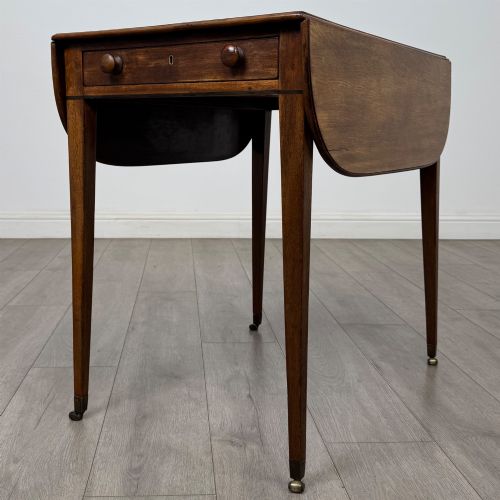
- A small rectangular table with hinged drop leaves on two opposing sides. These versatile tables date from the eighteenth century onwards.
- Parquetry
- Geometric wood inlay work forming mosaic patterns across furniture surfaces. It appears frequently on the tops of French kidney-shaped tables.
- Étagère
- A set of open shelves for displaying small objects or lamps. Tiered versions provide multiple levels supported by slender uprights.
Brass Accented Nightstands: Frequently Asked Questions
What defines a brass accented nightstand?
These pieces are small bedside tables, lamp tables, or cabinets incorporating brass mounts, hardware, or gallery rails. They draw from various historic periods including the Victorian era, the Regency period, and nineteen-thirties design.
Materials range from mahogany and walnut to kingwood and fruitwood, often paired with marble tops, glass tiers, or intricate wood inlays.
How were these tables used originally?
Bedside tables and night stands served to hold lighting, books, and personal items within reach of the bed. Side cabinets and lamp tables performed similar functions in sitting rooms and chambers.
Drop-leaf Pembroke tables and washstands offered flexible surfaces that could adapt to the changing needs of nineteenth-century domestic spaces.
How do I live with these pieces?
These compact tables fit easily beside modern beds or within smaller sitting rooms as lamp supports and display surfaces. Their mixed materials pair naturally with both historic and contemporary interiors.
Care involves regular dusting of wooden surfaces and gentle polishing of brass mounts to maintain the metal finish without harsh abrasives.
How can I tell periods apart?
Georgian and Regency examples rely on simpler mahogany construction with clean classical lines and understated brass pulls. Victorian and later revival pieces often display heavier ormolu mounts, ebonised finishes, and complex marquetry.
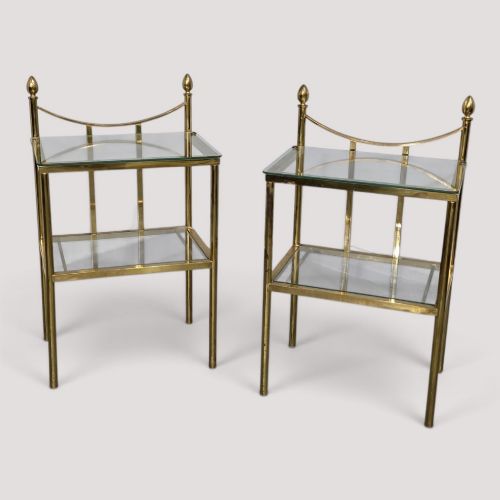
Nineteen-thirties designs lean toward streamlined forms, sometimes combining frosted glass or simpler framing with polished brass accents.