



Boxwood Sculpture
Boxwood sculpture brings dense, pale grain to small figures and netsuke that collectors handle for warmth and detail.
Boxwood Sculpture
When you search for boxwood sculpture, you find dense, fine-grained carvings that range from tiny Japanese netsuke to European devotional figures and decorative objects. The pieces on this page span several centuries, with a strong representation of Japanese Meiji period works and Chinese carvings alongside European examples.
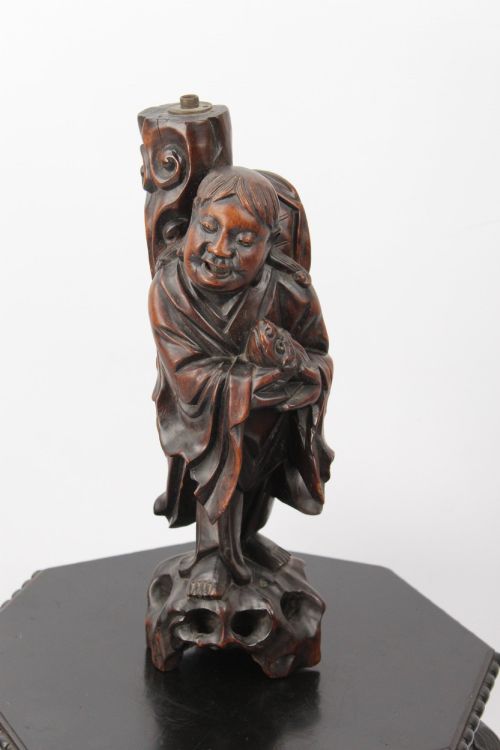
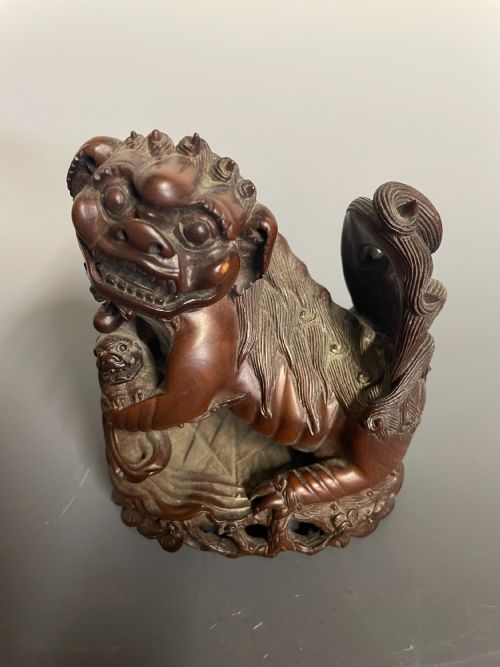
Forms include deities such as Ebisu and Fukurokuju, animals like toads, frogs and foo dogs, and religious items including Corpus Christi crosses. You will encounter both traditional Asian subjects and Western baroque or devotional pieces carved with great patience.
How they were made
The carvers employed specialised chisels and miniature knives to achieve naturalistic textures across surfaces like animal skin, hair, and fabric. Some items incorporate olive wood or general carved wood alongside the primary boxwood structure.
Boxwood Sculpture Retail Price Guide 2026
Typical asking prices for boxwood sculpture among the pieces listed under this phrase on Sellingantiques today, from the lower quarter to the upper quarter. They describe what is for sale here now, not the wider market.
Listings feature 19th Century, 17th Century, and 1800 periods alongside materials including Boxwood, Ivory, Horn, and Olive Wood.
What varies in quality
Quality rests upon the crispness of the carving and the sensitivity with which the craftsman exploited the natural grain of the timber. Finer examples show fluid movement, deep undercutting, and convincing anatomical proportions rather than stiff or generic rendering.
The presence of a signature from a known carver, such as Tomochika or Masayuki, elevates a piece, as does the integration of contrasting materials like ivory or horn. Superior condition involves minimal shrinkage cracking and a warm, handling-patina accumulated over generations.
Tomochika·Simon Troger·Masayuki
The Boxwood Sculpture Glossary
- Netsuke
- A small carved toggle fastened to the end of a cord connecting a small container to a kimono sash. They are shaped so that the cord passes easily underneath.
- Okimono
- A Japanese freestanding ornamental figure designed for display on a shelf or in a tokonoma alcove rather than for fastening to clothing.
- Corpus Christi
- Latin for the body of Christ, denoting a sculptural representation of Jesus on the cross. These figures focus attention on the devotional intensity of the carving.
- Ruyi Sceptre
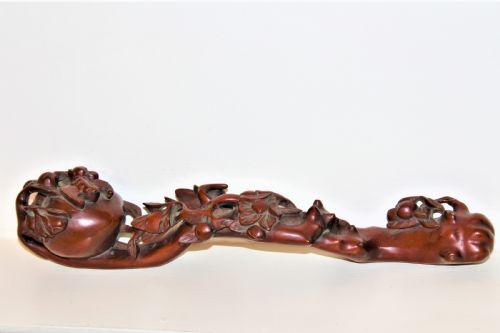
- A curved decorative Chinese talismanic object that signifies power and good fortune. They often feature naturalistic forms and intricate openwork.
- Foo Dog
- A traditional guardian lion figure derived from Chinese art. They typically sit with one paw guarding a sphere or protecting a sacred space.
Boxwood Sculpture: Frequently Asked Questions
What is boxwood sculpture?
Boxwood sculpture comprises small-scale carvings created from the dense, slow-growing wood of the box tree. Carvers favoured this timber for its ability to hold exceptionally fine detail without splitting.
You will find forms ranging from Japanese netsuke and okimono to European religious figures and Chinese deities, all prized for their tactile qualities.
How do I care for boxwood sculpture?
Keep boxwood pieces away from direct sunlight and sudden temperature shifts, which can cause the dense wood to dry out and split. Gentle dusting with a soft brush is usually sufficient for maintenance.
Avoid applying modern oils or waxes unless recommended by a specialist, as historical pieces rely on their natural handling patina.
How do I date a boxwood carving?
Dating relies on stylistic clues, subject matter, clothing details, and the tool marks left on the unfinished undersides. Japanese pieces often align with the Edo or Meiji periods, while European works may show baroque influences.
Examine the wear patterns and the colour of the wood, which deepens to a warm amber tone through decades of handling.
What are netsuke and okimono?
Netsuke are miniature carved toggles used in traditional Japanese dress to anchor suspended pouches and baskets. They have small holes or channels for a cord to pass through.
Okimono are larger decorative sculptures intended purely for display on household surfaces, often depicting animals, legendary figures, or scenes from daily life.