



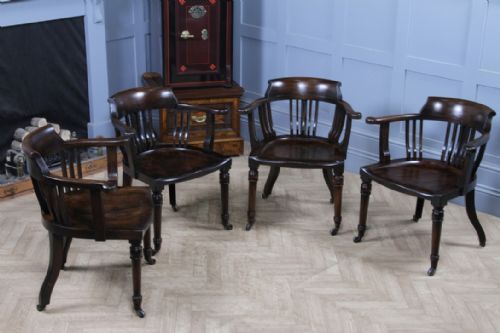
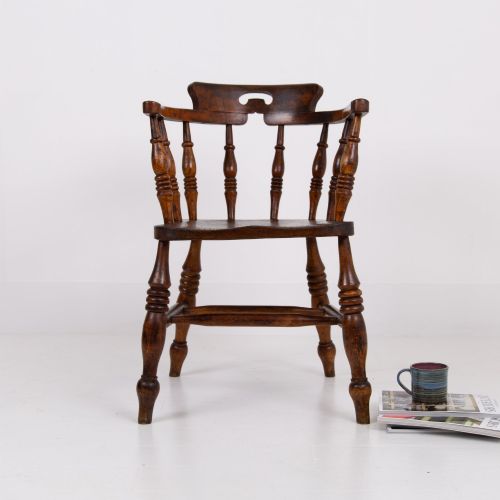
Bow Back Wooden Chair
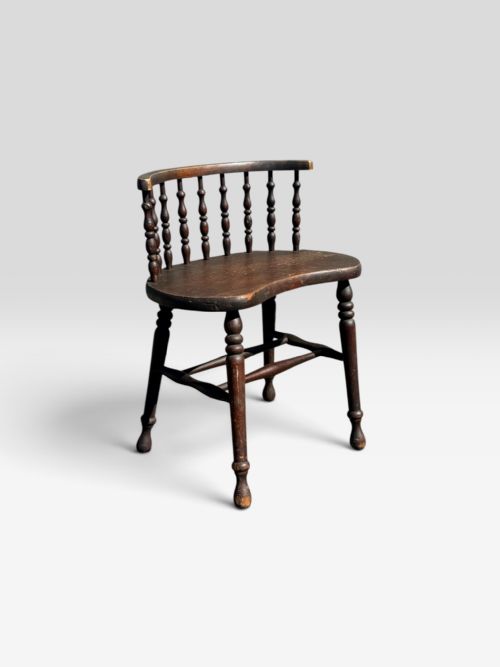
A bow back wooden chair brings vernacular warmth and sturdy practicality to a room, offering tactile timber construction shaped by generations of rural cabinet makers.
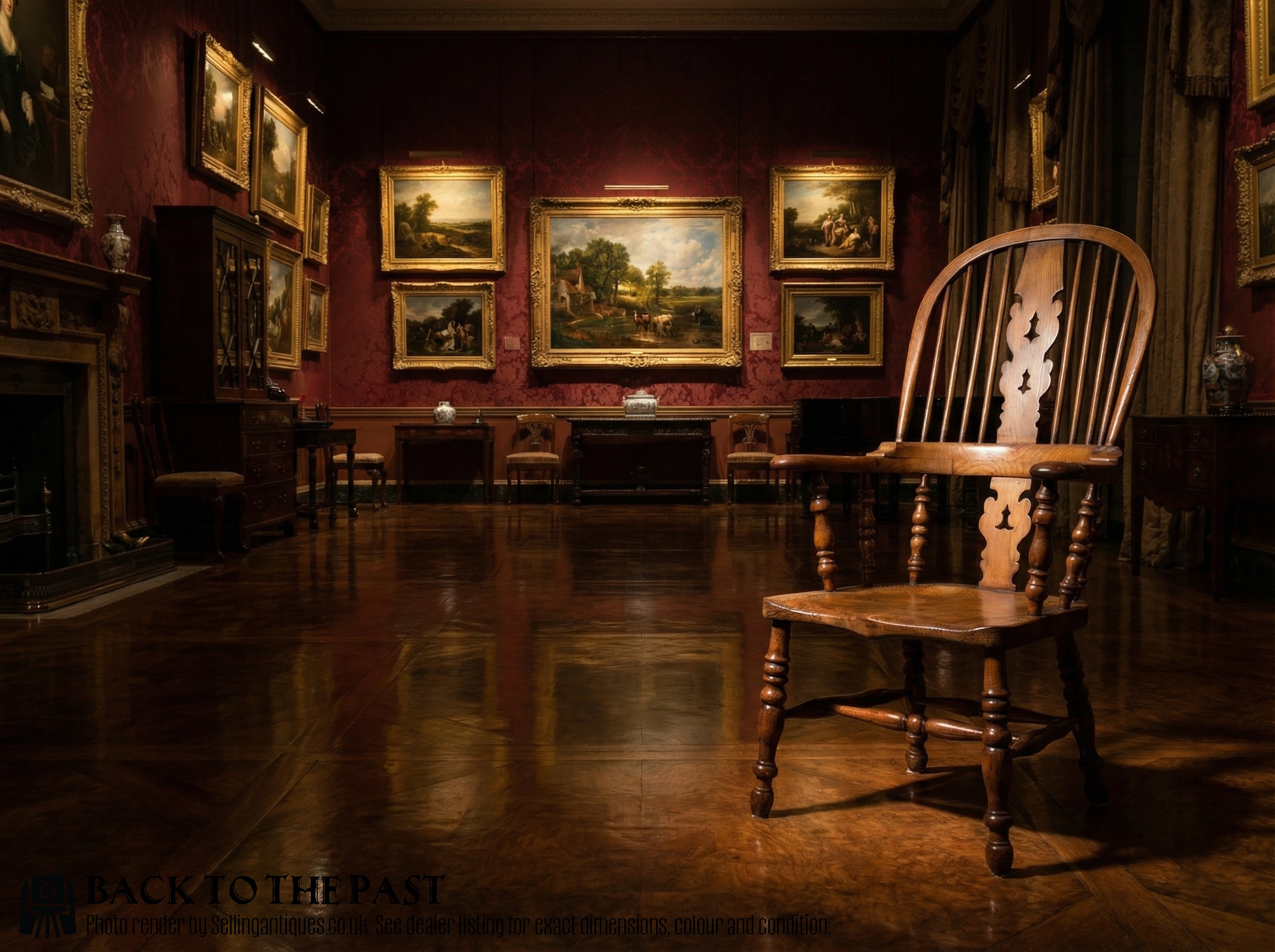
Bow Back Wooden Chair
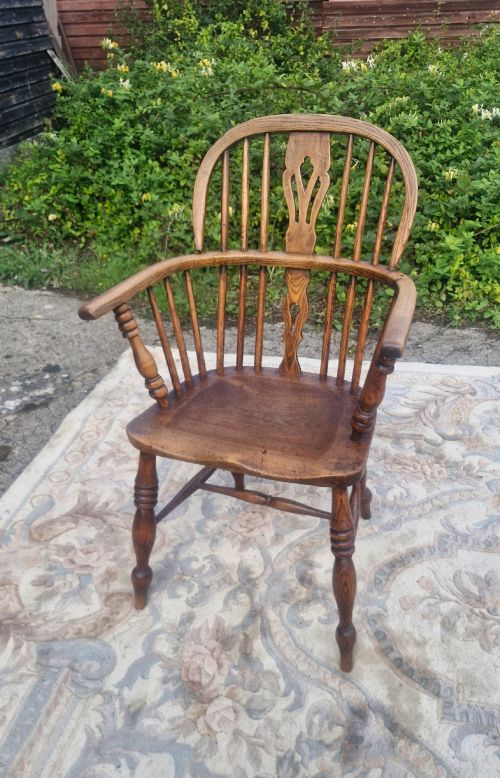
When searching for a bow back wooden chair, buyers encounter traditional forms rooted in English country and provincial traditions. These seating pieces span several centuries, with nineteenth-century Victorian examples appearing most frequently alongside earlier eighteenth-century origins and later Edwardian variations.
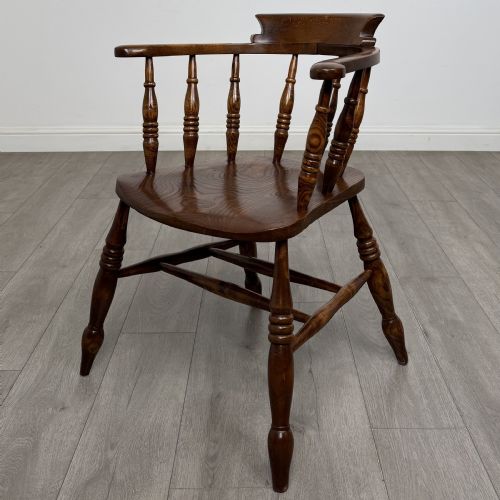
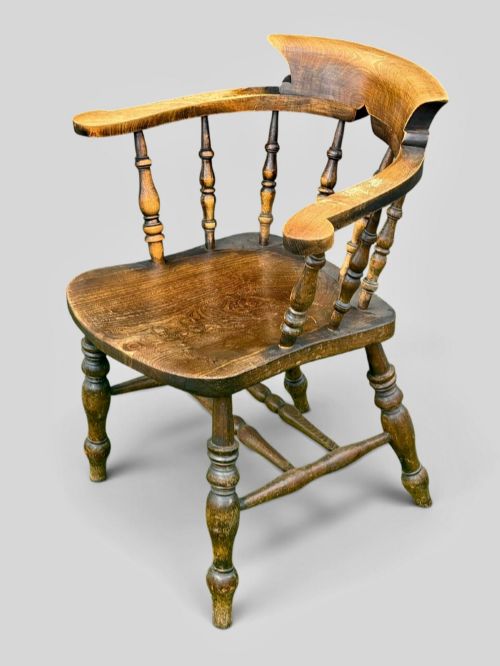
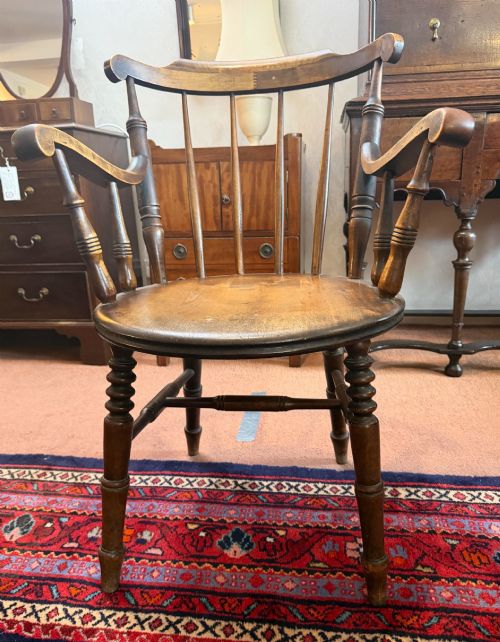
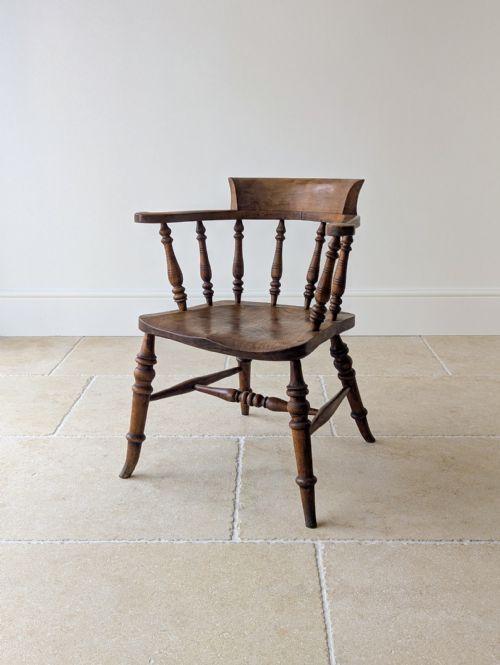
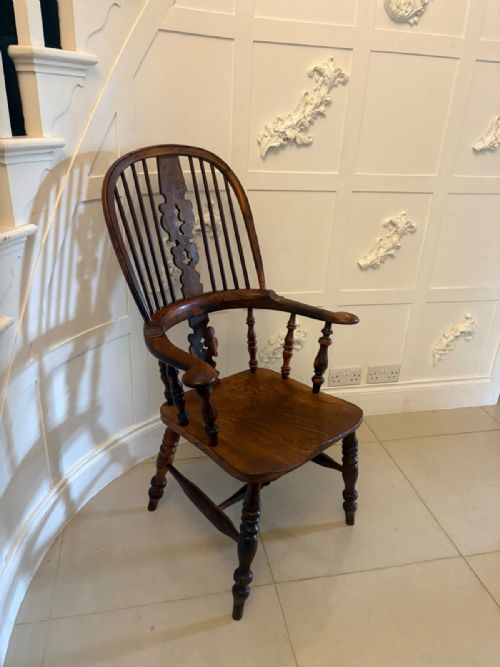
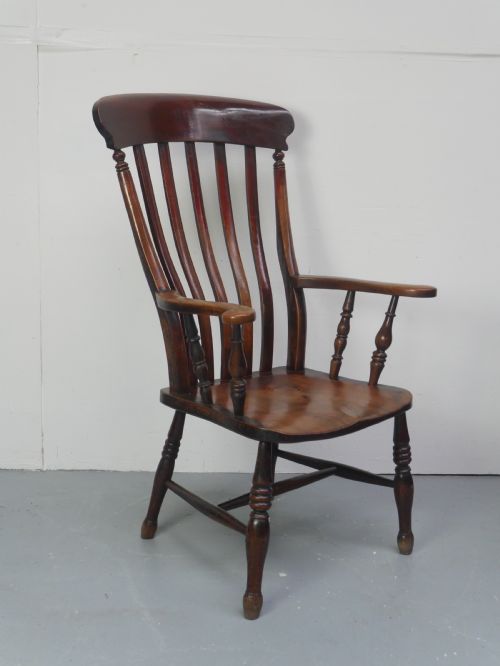
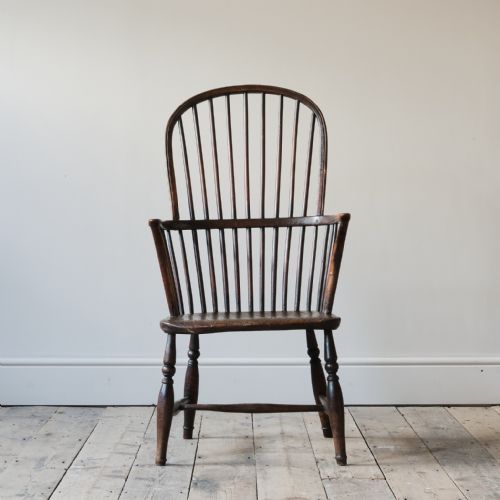
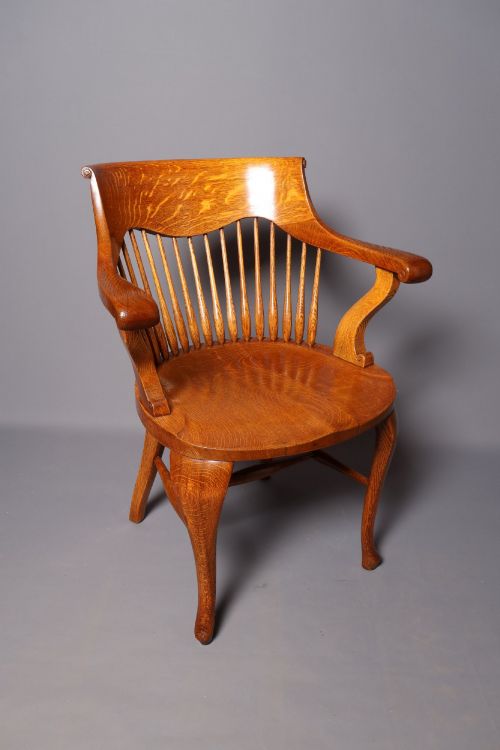
The selections on this page encompass various practical seating types designed for everyday use. Armchairs, desk chairs, dining chairs, and rocking chairs populate the listings, often bearing vernacular designations such as Windsor, smoker's bow, or captain's chair.
Regional vernacular makers produced these sturdy seats for kitchens, farmhouses, and offices alike. The enduring appeal lies in the comfortable curved backrest and the honest display of traditional timber construction.
Materials and Construction
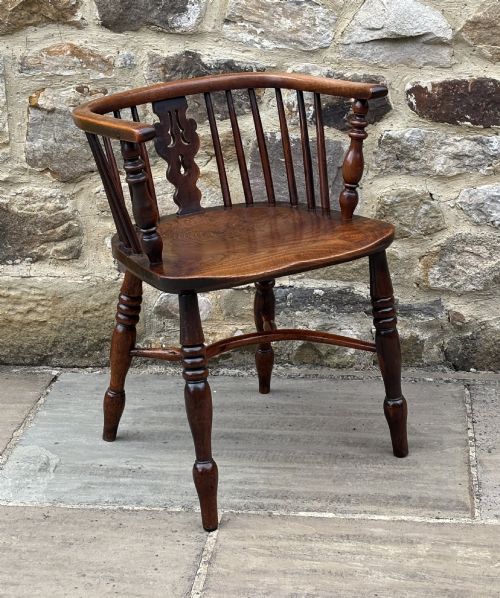
Cabinet makers utilised a combination of native timbers to ensure both structural strength and flexible shaping. Elm frequently forms the generous saddle seats, while ash, beech, and yew provide the resilient bentwood bows, spindles, and legs.
The iconic curved back relies on steam-bending techniques to shape solid lengths of timber into continuous hoops. Traditional joinery methods, including wedged tenons and turned spindles, bind the components together without reliance on metal fasteners.
Bow Back Wooden Chair Retail Price Guide 2026
Typical asking prices for bow back wooden chair among the pieces listed under this phrase on Sellingantiques today, from the lower quarter to the upper quarter. They describe what is for sale here now, not the wider market.
Some nineteenth-century Windsor chairs retain the comforting wobble of a well-traveled farmhouse veteran that has watched generations dine.
Assessing Quality and Character
Superior examples distinguish themselves through the choice of timber figure, particularly the rich grain visible in yew or elm seats. The harmony of proportions between the turned undercarriage and the sweeping upper bow marks the hand of a skilled regional maker.
Patina accumulated through decades of domestic use separates honest vernacular pieces from lesser items. Retaining original surfaces, such as early brown paint or polished timber showing natural wear, preserves the historical integrity of the piece.
John Brand of Sleaford
The Bow Back Wooden Chair Glossary
- Windsor chair
- A wooden chair built with a heavy solid timber seat into which the legs and back spindles are directly inserted. This construction method creates a durable seating piece rooted in eighteenth and nineteenth-century English provincial craft.
- Smoker's bow
- A low-backed Windsor armchair featuring a continuous curved armrail supported by turned spindles. These sturdy seats served as comfortable smoking chairs in provincial homes and Victorian public houses.
- Comb back
- A Windsor chair variation where the central vertical spindles extend upward through the top rail, resembling the teeth of a comb. This regional design adds height and distinct architectural detail to the backrest.
- Stickback
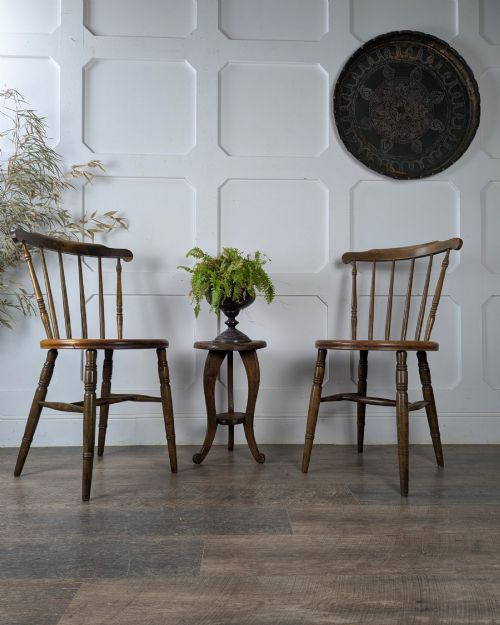
- A vernacular seating style constructed with plain turned wooden rods forming the back support rather than a solid carved splat. The simple arrangement emphasises utilitarian function and sturdy construction.
Bow Back Wooden Chair: Frequently Asked Questions
What is a bow back wooden chair?
A bow back wooden chair is a traditional seating piece defined by a curved wooden rail forming the upper backrest. These chairs draw on English vernacular design traditions, utilising solid timber seats and turned spindles.
Craftsmen built them across the eighteenth, nineteenth, and early twentieth centuries for everyday use in farmhouses, kitchens, and offices. The comfortable curved design makes them enduringly popular for modern interiors seeking rustic character.
How were these chairs used historically?
These wooden seats served utilitarian roles across domestic and commercial spaces, functioning as dining chairs, desk seats, and smoking chairs. Their robust construction suited them for heavy daily wear in farmhouse kitchens and studies.
Lower-backed variants often provided comfortable seating near hearths or in public establishments. Today, their versatile scale allows them to function naturally as desk chairs or occasional seating in living rooms.
How do I distinguish eighteenth-century chairs?
Eighteenth-century examples often display deep saddle seats shaped by hand with adzes, alongside thicker elm and ash components. The turning on the legs and spindles tends to exhibit simpler, more robust profiles than later Victorian interpretations.
Examining the underside reveals tool marks and construction nuances characteristic of early provincial workshops. Surviving pieces from this period frequently retain early surface treatments like brown paint.