




Boulle Style Desk
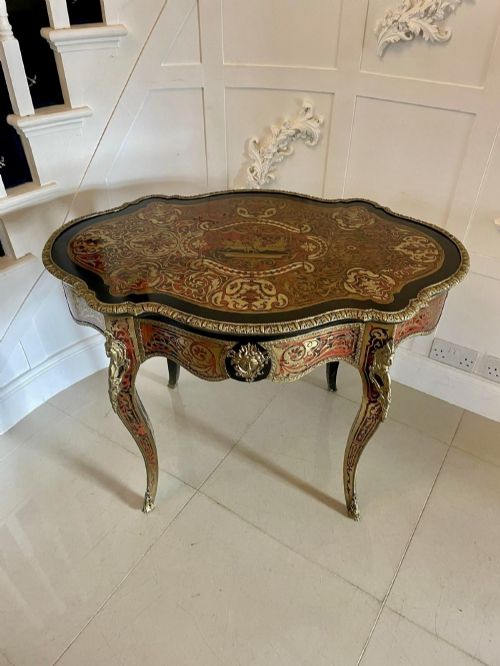
A boulle style desk brings tortoiseshell and brass marquetry into a room, offering a functional surface rooted in nineteenth-century French design.
Boulle Style Desk
When you search for a boulle style desk, you find nineteenth-century writing surfaces, bureau plats, and desk accessories decorated with intricate metal and shell inlay. These pieces draw on French Rococo Revival and Napoleon III aesthetics, bringing ornate craftsmanship to domestic interiors.
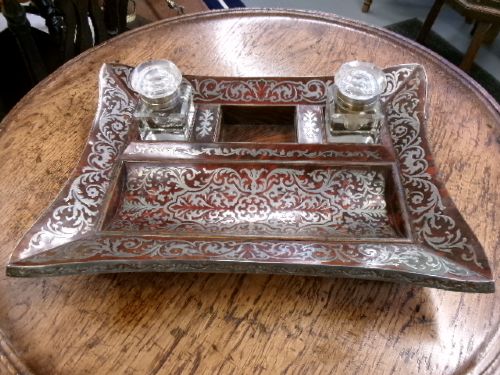
The version you are most likely to meet on this page is a mid-nineteenth-century desk stand or centre table featuring brass and tortoiseshell work. They originate predominantly from French workshops, though English interpretations from the Regency period also appear.
Makers such as Maison Millet produced notable examples during this era, while others remain unsigned. Each piece reflects the enduring appeal of Louis XIV and Louis XV styles adapted for Victorian homes.
How they were made
The technique relies on tortoiseshell and brass, cut together in precise patterns through marquetry methods known as première partie and contre-partie. Craftsmen set these contrasting materials into ebonised wood surfaces to create shimmering visual depth.
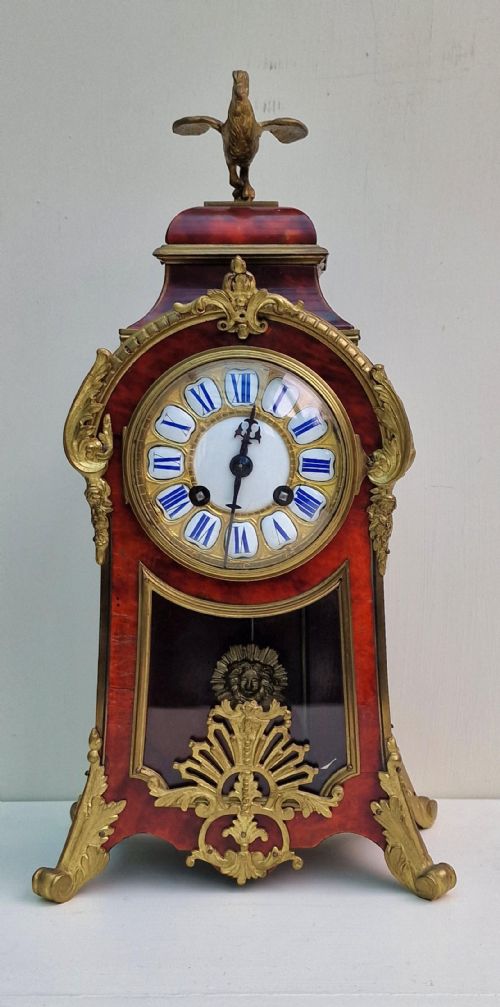
Gilt bronze and ormolu mounts provide structural borders and decorative accents around drawers, edges, and corners. Glass and enamel details frequently complete smaller items like inkstands and clock faces.
Boulle Style Desk Retail Price Guide 2026
Typical asking prices for boulle style desk among the pieces listed under this phrase on Sellingantiques today, from the lower quarter to the upper quarter. They describe what is for sale here now, not the wider market.
Some desk stands include built-in thermometers, proving that nineteenth-century writers still worried about the weather.
What varies in quality
The precision of the brass and tortoiseshell inlay separates standard production from exceptional execution. Finer pieces display tight, seamless joints where the metal and shell meet without excess filler.
The weight and detail of the ormolu mounts dictate the overall calibre of the object. Heavier, crisply chased bronze mounts indicate superior workshop standards compared to simpler, cast metal alternatives.
Maison Millet
The Boulle Style Desk Glossary
- Boulle work
- Marquetry technique using brass and tortoiseshell inlaid into wood, named after André-Charles Boulle. It creates elaborate floral and geometric patterns across furniture and desk accessories.
- Ormolu
- Gilded bronze used for decorative mounts and furniture trim. This material adds metallic lustre and sculptural relief to the edges of desks and clocks.
- Bureau plat
- A flat-topped freestanding writing desk, usually finished on all sides. These tables often feature drawers and inlaid surfaces suited for central room placement.
- Napoleon III style
- Nineteenth-century French revival aesthetic incorporating eclectic historical influences. It frequently deploys heavy boulle marquetry and ormolu details.
- Marquetry
- The art of applying pieces of veneer to a structure to form decorative patterns. Craftsmen use materials like brass, shell, and exotic woods.
Boulle Style Desk: Frequently Asked Questions
What is a boulle style desk?
A boulle style desk is a nineteenth-century writing table decorated with contrasting brass and tortoiseshell inlay. These pieces reflect French revival aesthetics from the Victorian era.
They serve as both functional writing surfaces and decorative focal points within a room. The intricate marquetry creates a distinctive metallic and amber sheen.
How do I care for tortoiseshell and brass?
Keep these surfaces away from direct sunlight and excessive heat to prevent the tortoiseshell from drying or warping. Gentle dusting with a dry microfibre cloth maintains the polish.
Avoid chemical polishes or excessive moisture, which can damage the delicate wooden veneer and loosen the metal inlay. Professional conservation is recommended for any structural repairs.
Where were these pieces made?
Most pieces originate from nineteenth-century French workshops responding to a widespread revival of Louis XIV and Louis XV designs. Parisian makers dominated this specialised craft.
English cabinetmakers also produced comparable desk stands and tables during the Regency and Victorian periods, often incorporating inlaid brass elements.
How do I distinguish periods?
Nineteenth-century pieces often combine ebonised wood with precise brass and tortoiseshell marquetry under Napoleon III or Rococo Revival influences. Earlier Regency examples tend to feature simpler rosewood and brass stringing.
Examining the construction methods underneath drawers and the casting quality of ormolu mounts helps confirm the approximate date of manufacture.