
Botanical Wall Art Painting
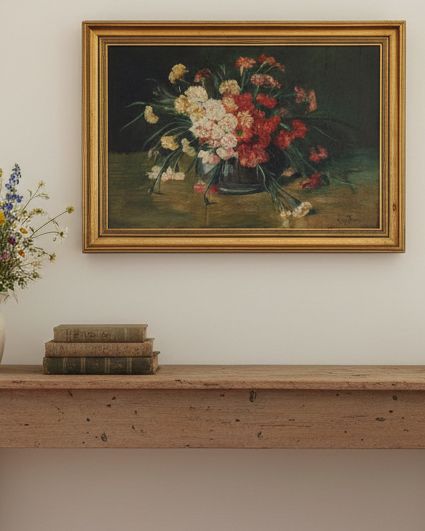
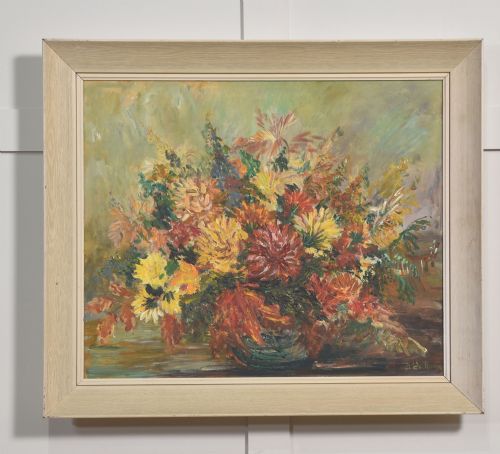
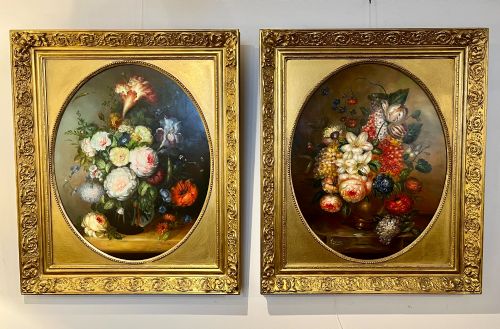
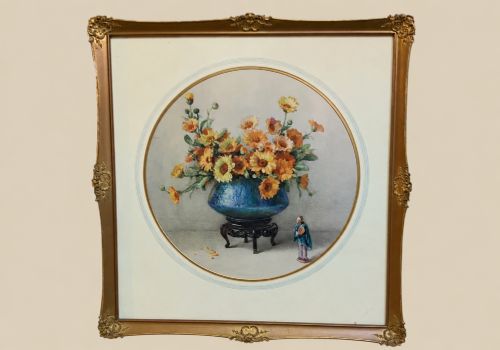
Botanical wall art painting brings floral studies and still life works into interior spaces, offering enduring depictions of flora through centuries of artistic tradition.
Botanical Wall Art Painting
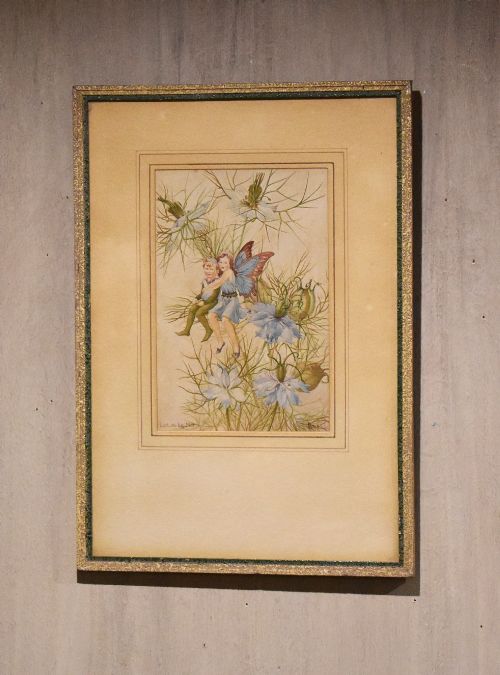
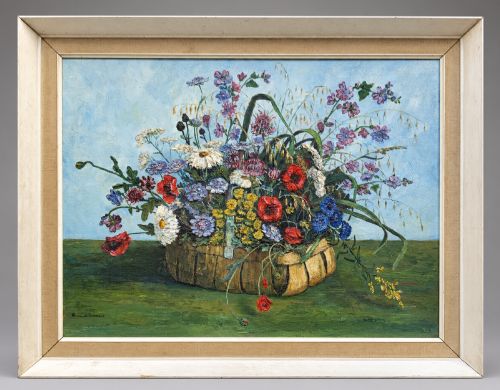
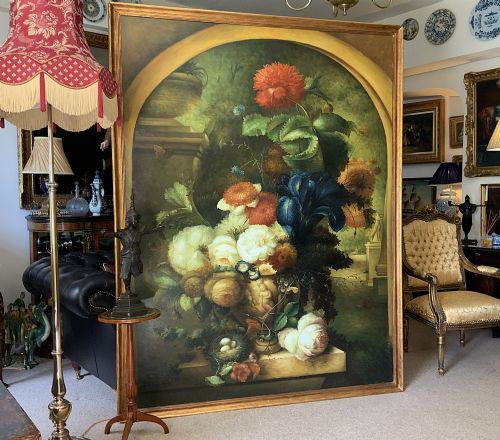
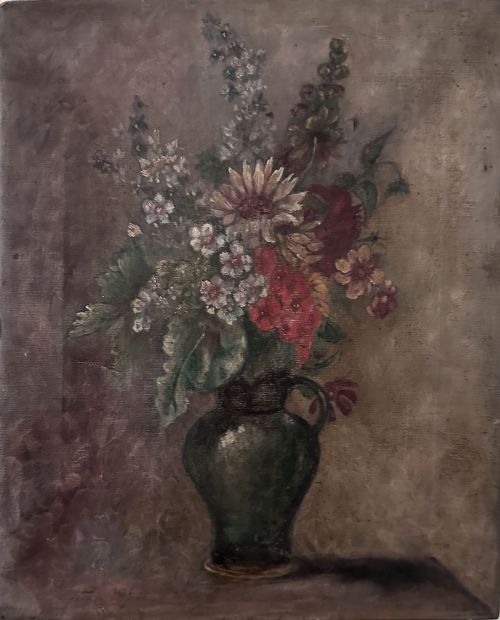
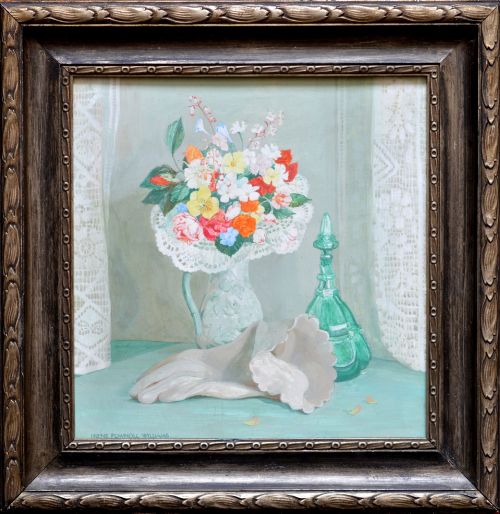
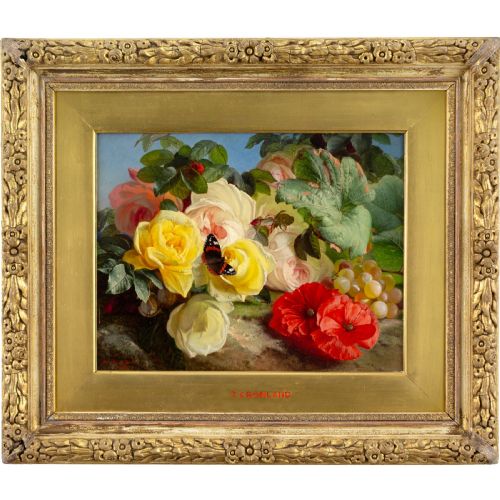
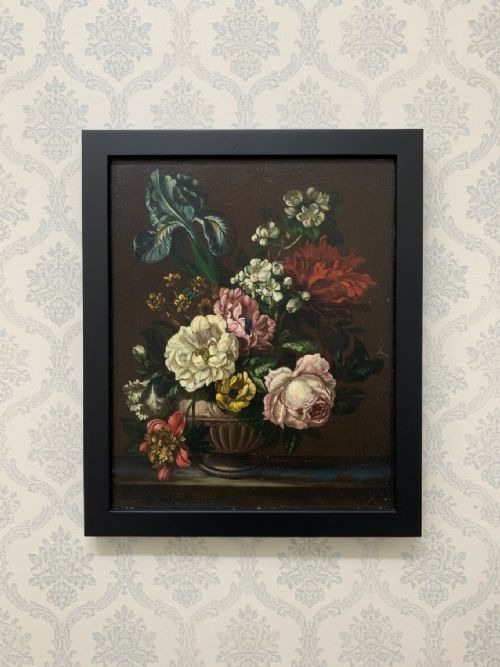
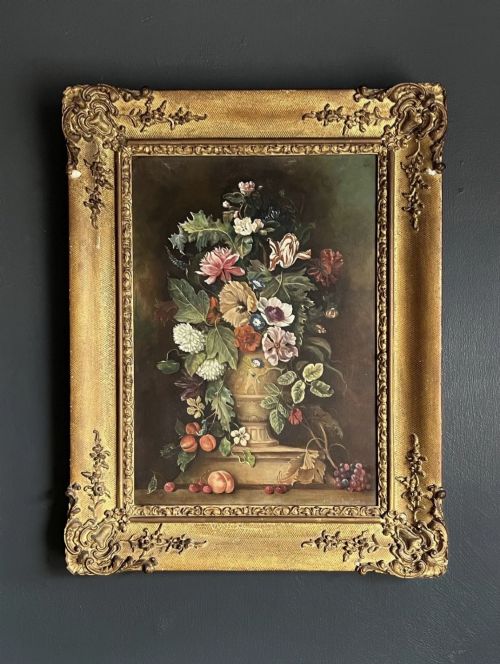
Botanical wall art painting encompasses framed depictions of flowers, plants, and natural subjects rendered across diverse historical periods.
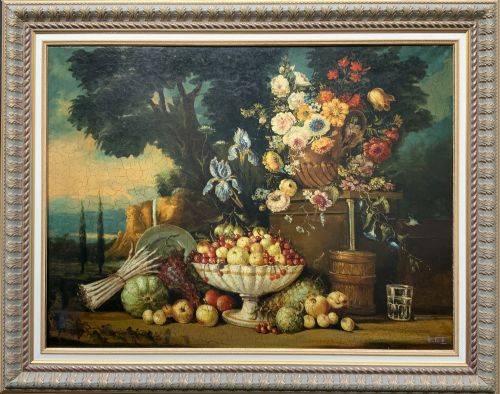
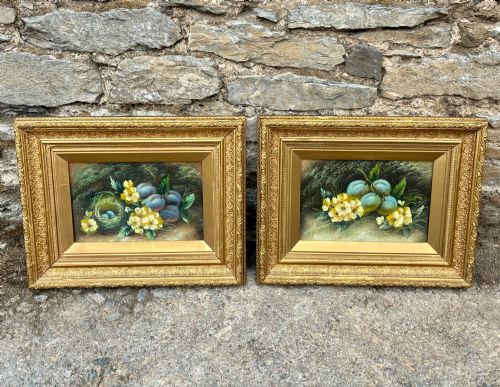
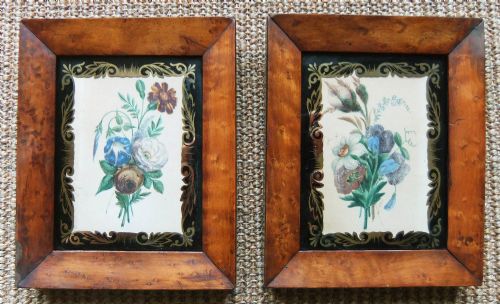
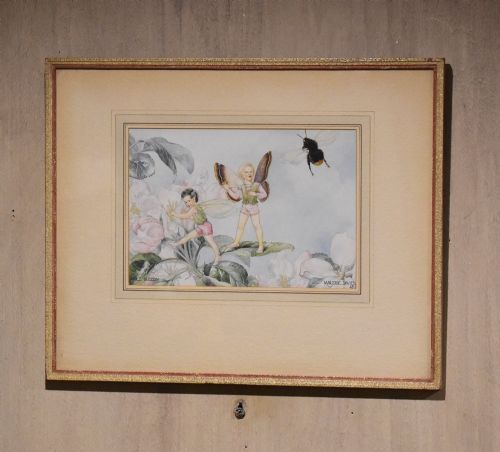
Buyers frequently encounter nineteenth-century watercolours and mid-twentieth-century oil paintings featuring floral still life subjects.
The selection ranges from intimate studies on paper to monumental canvases executed in various regional styles.
How they were made
Artists utilised oil paint, watercolour, gouache, and tempera applied to canvas, wood panels, pith paper, and board.
Several floral paintings capture exotic blue birds alongside botanical subjects, adding unexpected wildlife to the still life compositions.
What varies in quality
Quality rests upon the precision of botanical rendering, the handling of light and colour, and the preservation of the medium.
The sophistication of the composition and the integrity of the original frame contribute to the standing of each piece.
Irene Christobelle Pownoll Williams·D. L. Williams·Konstantin Stoitzner·Raymond Booth·Ernest Arthur Rowe·Emma Fordyce MacRae·Gaspar Peeter Verbruggen·Peter Newcombe·Ian Parker·Harold Clayton·Edwin Steele·D Hardy·Manuela Bonati·Catherine Thomas·John Sherrin
The Botanical Wall Art Painting Glossary
- Gouache
- An opaque watercolour paint consisting of natural pigments bound in water-soluble gum.
- Gesso
- A plaster-like mixture applied to wood or canvas to prepare a surface for painting or gilding.
- Tempera
- A permanent, fast-drying painting medium consisting of coloured pigments mixed with a water-soluble binder.
- Pith paper
- A delicate material formed from the spongy interior of the rice-paper plant, utilised for Asian gouache painting.
Botanical Wall Art Painting: Frequently Asked Questions
How do I hang botanical wall art?
Secure appropriate fixings into wall studs or utilise wall anchors suited to the weight of the framed artwork. Position the centre of the painting at eye level for optimal viewing within the room.
Ensure the piece avoids direct exposure to strong sunlight and excessive moisture to protect the paper, canvas, and pigments over time.
Are these paintings original works?
The category includes hand-painted works in oil, watercolour, and gouache alongside period prints and mixed media pieces. Listings specify the precise medium used for each individual item.
Review the description and title details to confirm whether a piece is an original painting, watercolour study, or print reproduction.
How do I clean antique frames?
Dust gilt gesso and wooden frames gently with a soft, dry cloth or a clean artist brush. Avoid applying liquid cleaners, water, or chemical solvents to the gilded or polished surfaces.
Regular, gentle dusting prevents particulate buildup without risking damage to delicate surface ornamentation or original framing finishes.
What periods do these paintings cover?
The selection spans from seventeenth-century Dutch compositions through Regency and Victorian watercolours to mid-century modern and twentieth-century interpretations. Each era brings distinct stylistic traits to floral depiction.
Dates are assigned based on stylistic evidence, signatures, and historical records associated with each individual artwork.