



Botanical Painted Table
These botanical painted table pieces combine floral artistry with functional furniture, offering a charming surface for your home.
Botanical Painted Table
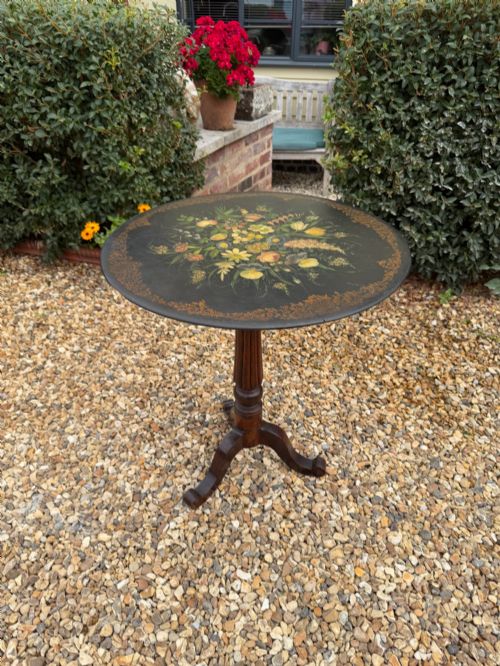
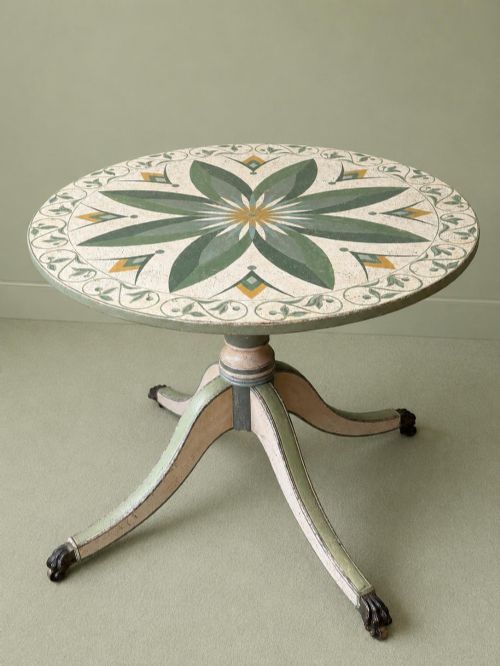
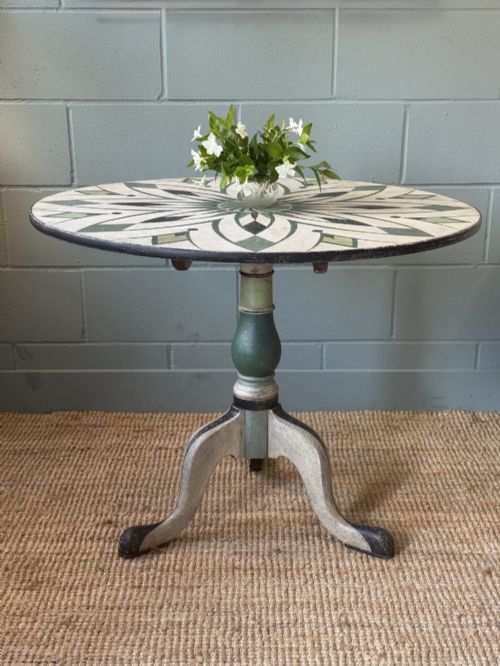
When you search for a botanical painted table, you encounter a selection of occasional furniture, tilt top tables, and gypsy tables embellished with floral designs. These pieces span several eras, predominantly featuring Victorian, Edwardian, and nineteenth-century examples alongside earlier Georgian origins.
The assortment on this page includes items with period painted floral surfaces, ranging from original decorative schemes to later hand painted enhancements. Alongside traditional wood tables, the selection incorporates pieces featuring ebonised wood and occasional slate tops.
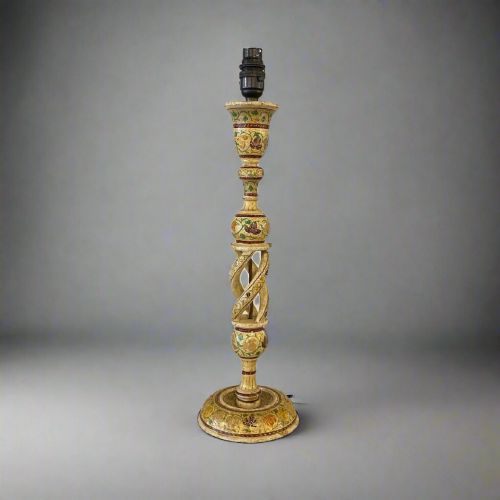
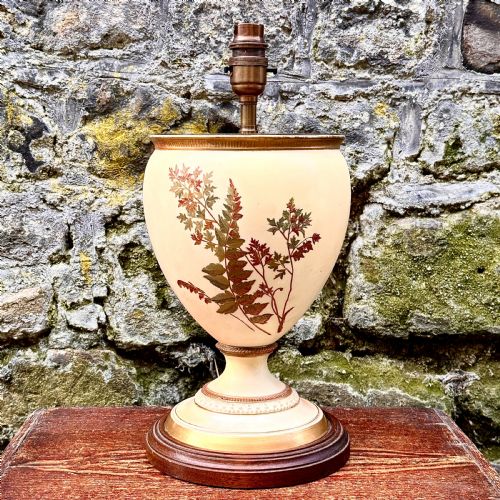
Forms vary from practical occasional tables to display surfaces, often sharing space in the evidence with related items like painted table lamps and small stands. You will find that these tables serve as focal points in a room, bringing botanical motifs into everyday interior spaces.
How they were made
Makers utilised traditional timber construction, working with materials such as mahogany and ebonised wood to build the foundational frames of these tables. Joinery techniques varied according to the period, from Georgian cabinet making to later Victorian production methods.
Surface decoration relies on skilled paint application, where artists rendered floral subjects directly onto the wood or onto applied panels. Some examples incorporate contrasting materials like brass accents or slate tops to complete the structure.
Botanical Painted Table Retail Price Guide 2026
Typical asking prices for botanical painted table among the pieces listed under this phrase on Sellingantiques today, from the lower quarter to the upper quarter. They describe what is for sale here now, not the wider market.
Some tables hide their secrets until you tilt the top, revealing a painted floral arrangement meant only for the wall.
What varies in quality
The standard of the painted botanical artwork is a primary differentiator, distinguishing refined brushwork from simpler folk art execution. The finesse of the floral detail and the balance of the composition dictate the visual success of the top.
Construction integrity also separates examples, as sturdy timber framing and well-preserved tilt top mechanisms hold up better over time than modified or heavily restored pieces. Original surfaces generally command more interest than later painted additions applied to older tables.
Flight Barr And Barr·Royal Worcester·Chelsea Derby·Spode·Melissa White
The Botanical Painted Table Glossary
- Tilt top table
- A small table featuring a mechanism that allows the wooden surface to pivot into a vertical position when not in use. This design saved space in period parlours and drawing rooms.
- Ebonised wood
- Timber treated with a finish to imitate expensive ebony wood. This dark surface provided a dramatic backdrop for bright floral painted designs.
- Occasional table
- A small, portable piece of furniture intended for specific, intermittent use within a room. These tables often held lamps, books, or decorative objects.
- Gypsy table
- A lightweight occasional table traditionally draped in fabric or left with a simple painted surface, popular during the late nineteenth and early twentieth centuries. They typically feature slender wooden legs.
Botanical Painted Table: Frequently Asked Questions
Are botanical painted tables sturdy enough for daily use?
Most occasional and tilt top tables are designed for light placement of items like books or lamps rather than heavy loads. Their slender legs and pivoted mechanisms require gentle handling during everyday placement.
Placing them away from heavy traffic areas helps preserve both the wooden structure and the delicate painted floral surface from accidental knocks.
How do I identify the period of a painted table?
Dating relies on examining the timber species, joinery construction methods, and the style of the floral painting. Victorian and Edwardian examples often show distinct turning on the legs and specific pigment choices.
Comparing the decorative motifs with contemporaneous art forms helps narrow down whether a piece originates from the eighteenth, nineteenth, or early twentieth century.
Is the painted floral design always original to the table?
Not all painted surfaces date from the same period as the underlying wooden table. Some pieces feature later decorative paint applied during the Victorian era or subsequent decades to update older furniture.
Examining the interface between the paint layers and the wood helps determine if the botanical artwork was part of the original creation or added later.
Where should I place a botanical table in my room?
These tables work well as accent pieces beside seating or as display surfaces for small ceramics and lamps. Their floral motifs complement botanical prints and traditional interior textiles.
Keeping them out of direct sunlight prevents the painted pigments and wood finishes from fading over time.