



Botanical Hand Painted Tray
A botanical hand painted tray brings delicate flora and meticulous brushwork together, offering a functional surface that doubles as a vibrant display piece for any room.
Botanical Hand Painted Tray
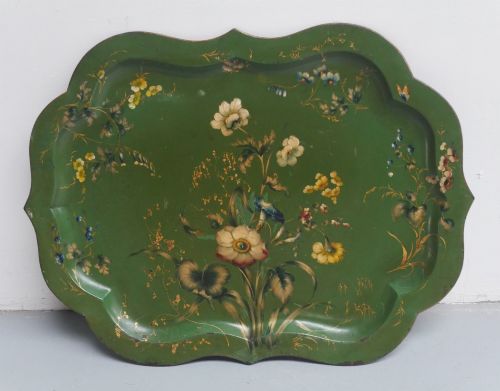
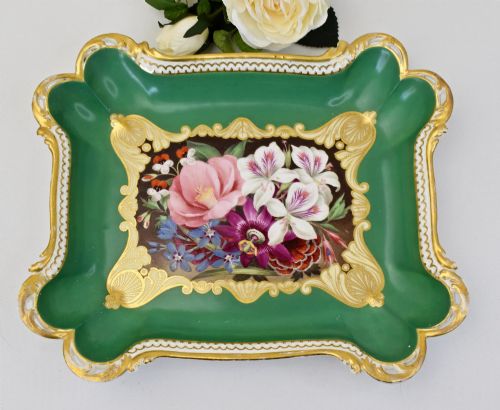
A botanical hand painted tray covers a range of serving platters, decorative dishes, and cabinet pieces produced across the Georgian, Regency, and Victorian periods. These items take various forms, including shaped bowls, oval dishes, letter racks, and ribbon trays, often designed to display botanical studies or fruit bouquets.
The pieces on this page lean heavily towards nineteenth-century porcelain and tôleware, reflecting the styles of Victorian Rococo Revival, Regency, and Edwardian eras. Makers utilised porcelain and papier-mâché alongside painted surfaces to create durable yet ornamental items suited for both service and display.
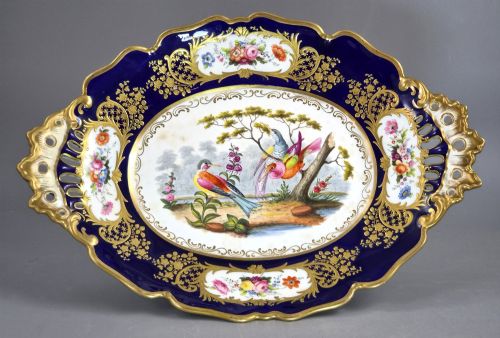
Originating from major European and English factories, these items demonstrate a strong focus on natural history subjects, particularly orchids and exotic birds. Buyers encounter everything from large Meissen platters to Coalport dishes and Spode serving wares, each bearing distinct hand-applied decoration.
How they were made
Craftsmen shaped porcelain bodies through casting or moulding before applying detailed hand-painted botanical motifs. Artisans combined fine brushwork with enamel pigments to render accurate floral studies, fruit bouquets, and avian subjects directly onto the glazed ceramic surface.
Many items incorporate gilding and gold leaf accents to frame the central painted scenes, requiring careful firing in kilns to bond the precious metals. Tôleware variants rely on metal substrates treated with lacquer and paint to achieve a smooth, durable finish capable of holding pigments.
Specialised painters signed or attributed their work on specific cabinet pieces, such as the orchid studies by David Dewsberry. The integration of cobalt blue borders and raised paste gilding further demonstrates the technical skill involved in framing the central artwork.
Botanical Hand Painted Tray Retail Price Guide 2026
Typical asking prices for botanical hand painted tray among the pieces listed under this phrase on Sellingantiques today, from the lower quarter to the upper quarter. They describe what is for sale here now, not the wider market.
Listings feature items from the Georgian, Regency, and Victorian periods, utilising porcelain, tôleware, enamel, and gold leaf.
What varies in quality
The precision and botanical accuracy of the hand painting set individual pieces apart, separating mass production from works by skilled ceramic artists. Pieces featuring named botanical specimens, such as specific orchid species, often reflect a higher level of artistic intent.
The quality of the gilding and the depth of the porcelain body influence the overall standard of a tray or dish. Fine applications of gold leaf and well-preserved enamel colours indicate superior workshop standards from periods like the Regency and Victorian eras.
The complexity of the object form, such as shaped rims, ribbon handles, or fluted edges, contributes to the distinction of the piece. Well-balanced proportions and intact cobalt grounds or cobalt blue borders enhance the visual weight of the painted decoration.
Herend·Coalport·Worcester·Spode·KPM·Royal Crown Derby·Royal Doulton·Meissen
The Botanical Hand Painted Tray Glossary
- Cabinet Dish
- A decorative ceramic piece intended primarily for display rather than domestic service. These items often feature elaborate hand-painted scenes or botanical studies.
- Tôleware
- Lacquered or painted metalware, usually made from tinplate, popular in the Georgian and nineteenth centuries. It provides a durable base for decorative painting.
- Gilding
- The application of gold leaf or powdered gold to the surface of porcelain or metal. This technique highlights rims, handles, and framing borders.
- Cobalt Blue
- A deep blue metallic oxide pigment used under the glaze to create rich borders and backgrounds on porcelain. It contrasts sharply with white ceramic bodies and polychrome painting.
- Enamel
- Vitreous material fused to porcelain or metal surfaces at high temperatures during firing. It provides the glossy, vibrant colours seen in botanical illustrations.
Botanical Hand Painted Tray: Frequently Asked Questions
What were botanical hand painted trays used for?
These items served functions ranging from serving light refreshments to displaying fruit and ornamental arrangements in formal rooms.
Cabinet versions were frequently mounted or placed on stands to showcase detailed botanical artwork to guests.
How do I clean a painted porcelain tray?
Dusting with a soft, dry cloth is usually sufficient for maintaining the surface of antique porcelain and enamel pieces.
Harsh detergents and soaking should be avoided to protect delicate overglaze hand painting and gold leaf details.
How can I tell a Victorian tray from a Georgian one?
Georgian pieces often display neoclassical restraint or early revival motifs, while Victorian items frequently embrace the elaborate ornamentation of Rococo Revival styles.
Examining the paste, glaze characteristics, and factory marks helps narrow down the production period.
Are these trays suitable for daily use?
Most antique porcelain and tôleware pieces function best as decorative display objects rather than heavy everyday tableware.
Frequent use can wear down delicate enamel paints and antique gilding over time.