





Botanical Embroidery Panel
A botanical embroidery panel brings floral form and historic needlework directly to the wall, offering texture and colour that modern prints simply cannot match.
Botanical Embroidery Panel
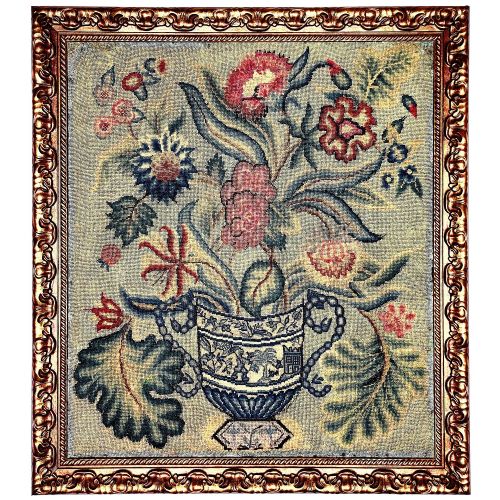
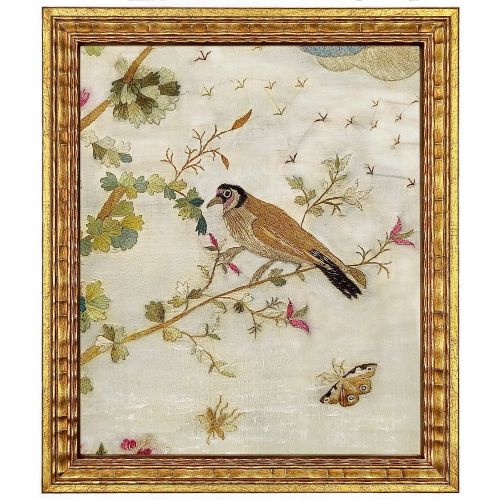
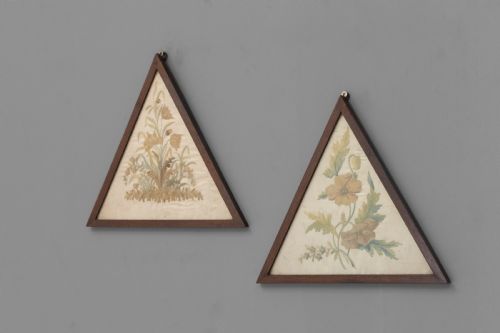
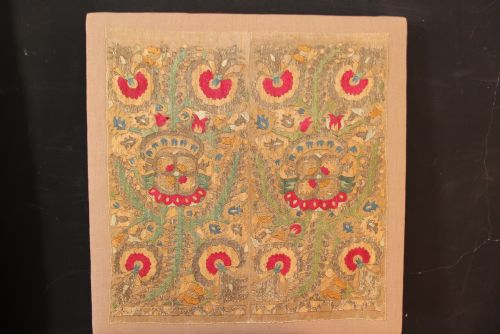
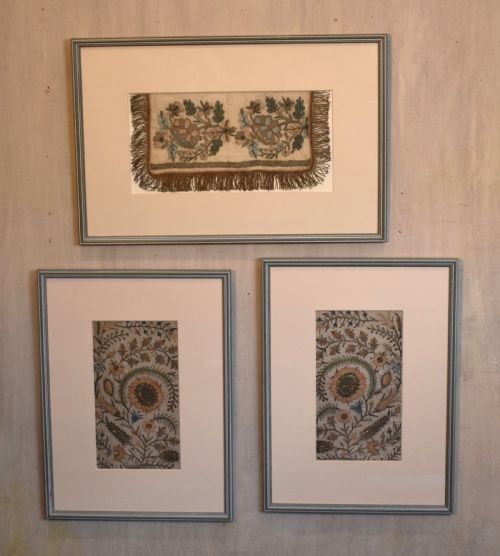
A botanical embroidery panel is a framed textile artwork depicting plants, flowers, or garden scenes, spanning periods from the eighteenth century to nineteen hundred. You will frequently encounter English and Chinese examples framed behind glass, often in wood or giltwood surrounds.
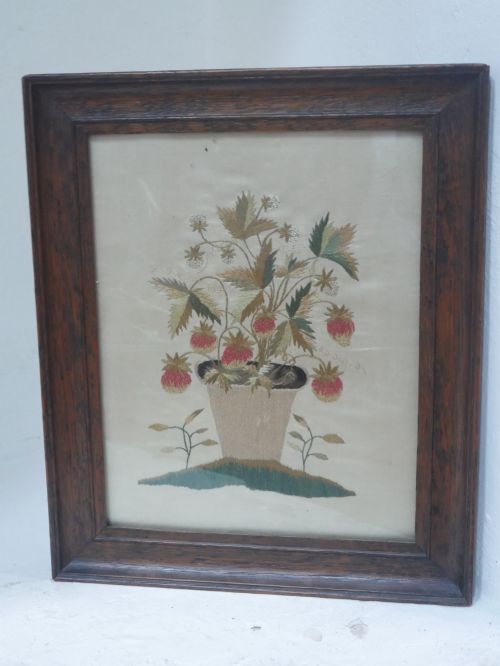
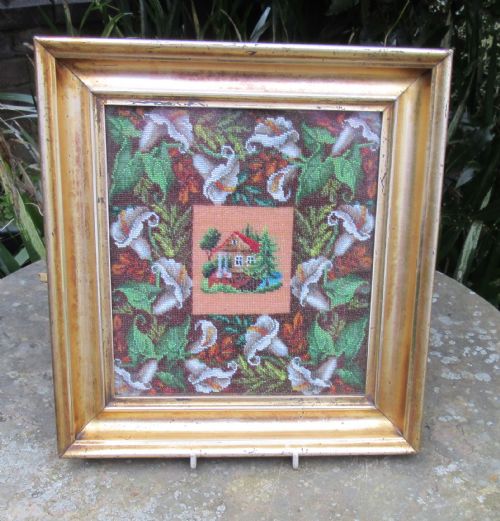
The range includes framed wall art depicting specific subjects such as pots of strawberries, garden birds, and mandarin ducks. These pieces cross diverse origins, encompassing English country house styles, Greek folk art, and American beadwork alongside traditional Chinese needlework.
Materials and construction
These panels utilise natural supports such as linen and wool, worked with fine silk threads and metallic threads. Artisans stitched intricate botanical and avian motifs directly onto the textile ground, frequently employing varied needlework techniques.
Finished textiles are housed within protective frames of wood, giltwood, or glass to preserve the delicate fibres. The combination of silk threads on linen grounds creates subtle depth within each framed wall art piece.
Botanical Embroidery Panel Retail Price Guide 2026
Typical asking prices for botanical embroidery panel among the pieces listed under this phrase on Sellingantiques today, from the lower quarter to the upper quarter. They describe what is for sale here now, not the wider market.
Listings feature silk, wool, linen, and metallic thread set within wood, giltwood, and glass frames.
What separates the finest examples
The distinction in quality lies in the precision of the needlework and the complexity of the thread usage. Finer pieces demonstrate intricate handling of silk and metallic threads to render natural details with clarity.
Preservation of the textile ground and the integrity of the original frame heavily influence the standing of a panel. Superior examples maintain vibrant thread colour and stable mounting behind glass within period wood or giltwood frames.
The Botanical Embroidery Panel Glossary
- Needlework
- Textile art created by hand using a needle to apply thread to a fabric ground. This term covers various forms of historical embroidery seen in framed pictures and panels.
- Giltwood
- Wood carved and coated with a thin layer of gold leaf or gilt powder. This material frequently frames eighteenth-century silk embroideries.
- Metallic Thread
- Specialised thread containing metal strands, often gold or silver in colour. It adds reflective highlights to historical botanical and avian embroidery.
- Beadwork
- Textile art created by stitching small beads onto a fabric ground to form pictorial scenes. American examples utilise this technique for framed wall art.
Botanical Embroidery Panel: Frequently Asked Questions
How should I hang a botanical embroidery panel?
Keep textile panels away from direct sunlight to protect silk and wool threads from fading over time. Ensure the room maintains stable humidity to preserve both the fabric ground and the wooden frame.
Hang the artwork securely using appropriate wall fixings suited to the weight of the frame and glass. Position the piece at eye level to fully appreciate the fine detail of the needlework.
What periods do these textile panels come from?
The available pieces primarily date from the eighteenth century through to nineteen hundred. Styles range from Georgian English needlework pictures to Victorian botanical and Chinese export works.
Earlier examples often feature refined silk work in giltwood frames, while later pieces include American beadwork and Greek folk art panels. Each era brings distinct materials and regional stitching traditions.
Are these panels usually framed?
Most botanical embroidery panels are preserved behind glass within protective frames of wood or giltwood. Framing safeguards the delicate textile grounds and historic threads from dust and environmental damage.
When acquiring a piece, check whether the frame is contemporary to the textile or a later addition. Original frames enhance the historic character of eighteenth and nineteenth-century needlework.
What subjects appear in these embroideries?
Common subjects include floral studies, potted plants such as strawberries, and garden birds alongside mandarin ducks. These motifs reflect the botanical and natural history interests of their respective periods.
Regional pieces also incorporate folk art symbols and traditional domestic patterns. The variety spans English country house aesthetics to Asian export compositions.