



Botanical Ceramic Platter
A botanical ceramic platter brings hand-painted floral decoration to the table, combining functional serving ware with decorative display.
Botanical Ceramic Platter
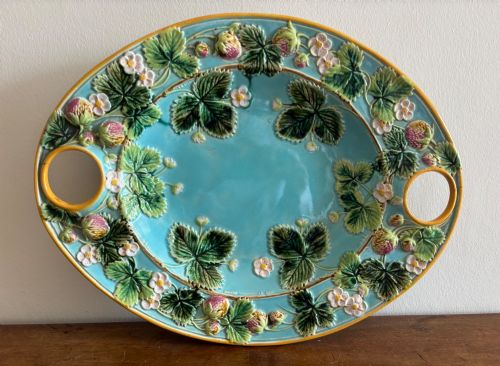
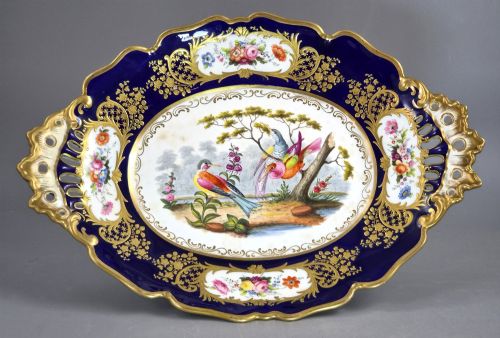
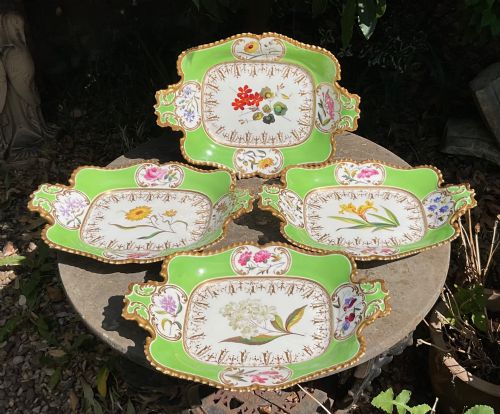
A botanical ceramic platter serves as a wide presentation vessel designed for food service or display, carrying plant and flower motifs across its surface. When you search for a botanical ceramic platter, you encounter pieces spanning the Georgian, Regency, and Victorian periods up to the early twentieth century. These items manifest in porcelain and earthenware forms, ranging from cabinet plates and large chargers to specialised serving dishes.
The objects on this page originate from English factories such as Coalport, Spode, and Chamberlains Worcester, alongside continental makers like Meissen and KPM, plus Japanese Meiji period examples. Forms vary from simple round dishes to fluted shapes and oval serving platters featuring hand-painted botanical subjects. Each piece reflects the nineteenth-century interest in natural history, botany, and horticulture through carefully rendered floral and bird illustrations.
Materials and construction
Makers utilised fine porcelain and earthenware as the foundational bodies for these platters, often applying lead glazes or white grounds to receive the painted decoration. Felspar porcelain and standard paste bodies provided sturdy bases capable of withstanding kiln firing before artists applied polychrome enamels. Gold leaf and gilding frequently highlight the rims and borders, framing the central botanical artwork.
Painting was executed by hand using enamel pigments that required subsequent firing to bond permanently with the glaze. Cobalt blue underglaze decoration also appears alongside multi-coloured enamel work, creating depth and contrast within the botanical and avian subjects. Specialised glazing techniques ensured the surfaces remained durable for table service while maintaining the delicate appearance of cabinet pieces.
Botanical Ceramic Platter Retail Price Guide 2026
Typical asking prices for botanical ceramic platter among the pieces listed under this phrase on Sellingantiques today, from the lower quarter to the upper quarter. They describe what is for sale here now, not the wider market.
Listings feature porcelain and earthenware bodies decorated with lead glazes, enamel paints, and gold leaf across the Georgian, Victorian, and Edwardian periods.
Assessing quality and execution
The quality of a botanical ceramic platter rests upon the precision and botanical accuracy of the hand-painted plant or bird motifs. Superior examples display fine brushwork with naturalistic shading, whereas simpler pieces rely on standard transfer prints or heavier, less refined enamel applications. The crispness of moulding in fluted or shaped rims also indicates the standard of the original ceramic manufacture.
The application of gilding and gold leaf reveals differences in grade across various pieces, with burnished gold indicating higher workshop standards. The clarity of the porcelain body, whether translucent felspar or standard white paste, contributes to the overall refinement of the dish. Maker attribution, such as works associated with established porcelain houses, further distinguishes the tier of execution.
Coalport·George Jones·Chamberlains Worcester·Spode·Copeland·Royal Crown Derby·Meissen·KPM·Fukagawa
The Botanical Ceramic Platter Glossary
- Porcelain
- A white, vitrified ceramic material fired at high temperatures to achieve translucency and hardness. It serves as the primary canvas for detailed botanical painting.
- Earthenware
- A porous ceramic body fired at lower temperatures than porcelain, requiring a glaze to achieve impermeability. Majolica pieces often utilise this heavier body.
- Gilding
- The application of gold leaf or powdered gold to ceramic surfaces, particularly rims and handles. It provides a decorative border that enhances the colours of the painted flora.
- Enamel
- Vitreous coloured pigments applied over the glazed surface of fired ceramics and fixed through secondary kiln firing. This technique allows for vibrant botanical palettes.
- Charger
- A large decorative plate or platter utilised primarily for display or as a base setting for smaller service dishes. These items often feature prominent painted scenes.
Botanical Ceramic Platter: Frequently Asked Questions
How were botanical ceramic platters used?
These platters functioned primarily as serving dishes for food during formal dining, presenting meats, fruits, or courses at the table. Their decorative plant and bird subjects also made them suitable for display on sideboards or walls when not in active service.
Over the nineteenth century, many fine porcelain examples transitioned from dining tables into cabinet pieces or wall chargers. Their dual role as utilitarian vessels and decorative art objects defined their placement in period homes.
How do I care for antique ceramic platters?
Antique ceramic platters require hand washing with mild soap and warm water, avoiding harsh abrasive sponges that might damage fragile enamel paints. Dishwashers must be avoided entirely because the intense heat and detergents will ruin hand-applied gilding and overglaze enamels.
Storage should involve padded dividers if stacked, though vertical display in plate racks or secure wall hanging prevents surface scratching. Gentle handling preserves both the ceramic body and the delicate nineteenth-century pigments.
How can I tell the period of a dish?
Dating relies on observing the ceramic body composition, factory marks stamped or painted on the underside, and stylistic indicators such as Regency or Rococo Revival moulding. The specific painting style and colour palette also point toward distinct manufacturing eras like the Georgian or Victorian periods.
Reference marks associated with known makers help narrow down the production decade. Comparing the form and weight of the paste provides further clues to the age of the item.
What is the difference between porcelain and earthenware?
Porcelain is fired at much higher temperatures, resulting in a dense, vitrified, and often translucent body that resists moisture completely. Earthenware remains more porous and requires an opaque or clear glaze to seal the clay body.
In these listings, porcelain is typically finer and associated with cabinet plates and delicate serving pieces. Earthenware often forms the heavier majolica dishes and utilitarian platters.