





Botanical Ceramic Jug
A botanical ceramic jug brings floral life into a room, combining practical utility with painted or moulded garden blooms from various periods.
Botanical Ceramic Jug
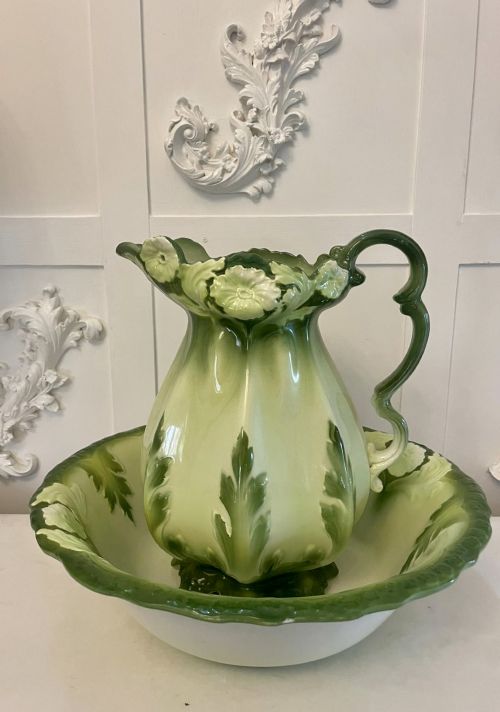
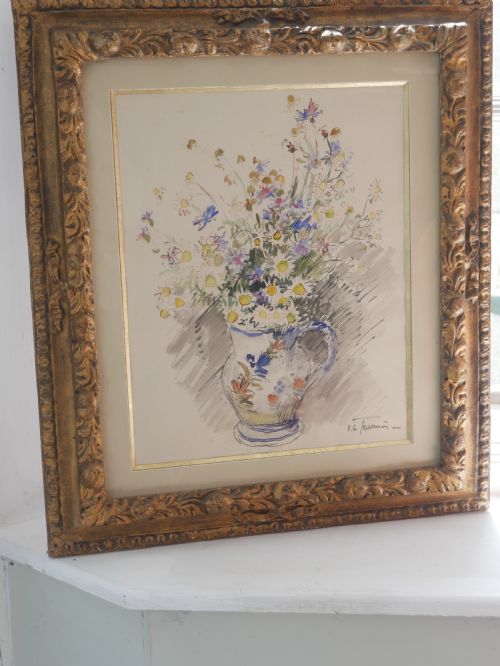
When searching for a botanical ceramic jug, you examine vessels adorned with floral motifs, plant forms, or depicted in still-life art. These items range from utility cream jugs to decorative ewers and large wash sets.
The versions most likely to meet you on this page span the nineteenth and twentieth centuries, taking shapes such as ironstone china vessels, majolica bulrush designs, and studio pottery pieces.
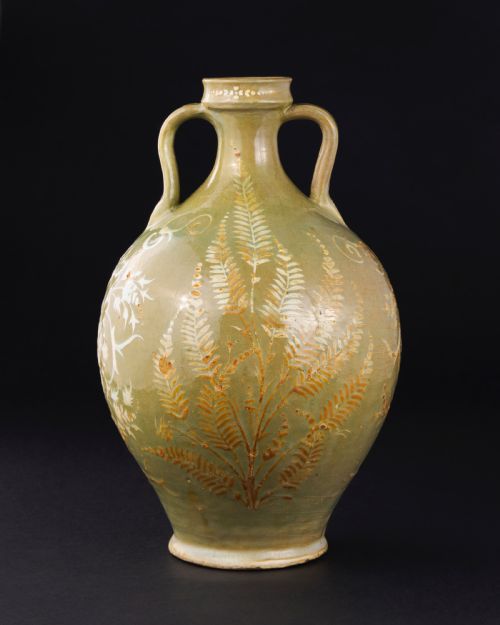
Makers recorded in the listings include H & R Daniel, Sir Edmund Elton, Livesley Powell and Co, Rockingham, Crown Derby, and George Jones, alongside earlier Safavid celadon pottery.
How they were made
Potters shaped these objects using earthenware, porcelain, and ironstone china, applying glazes and enamel colours to seal the clay. Gilding often highlights rims and handles on nineteenth-century pieces.
Moulded decoration creates sculptural plant forms like bulrushes, lilies, and sunflowers, while painted glazes render floral panels and cottage flowers directly onto the ceramic surface.
Botanical Ceramic Jug Retail Price Guide 2026
Typical asking prices for botanical ceramic jug among the pieces listed under this phrase on Sellingantiques today, from the lower quarter to the upper quarter. They describe what is for sale here now, not the wider market.
Listings feature items spanning the seventeenth century through the mid-twentieth century, utilising earthenware, porcelain, canvas, and glaze.
What varies in quality
Quality rests in the crispness of the moulded botanical relief and the precision of the hand-painted enamel floral panels. Superior examples exhibit balanced glaze coverage and fine detail in the depiction of petals and leaves.
The distinction between standard utility ware and top-tier pieces lies in the artistry of the studio pottery creation or the refinement of the porcelain body and gilding work.
H & R Daniel·Sir Edmund Elton·Livesley Powell and Co·Rockingham·Crown Derby·George Jones
The Botanical Ceramic Jug Glossary
- Earthenware
- A porous pottery fired at lower temperatures, commonly used for nineteenth-century jugs and ironstone china. It requires a glaze to become waterproof.
- Porcelain
- A fine, translucent ceramic fired at high temperatures, seen in nineteenth-century cream jugs and ewers. It provides a smooth white surface for painted floral panels.
- Majolica
- A colourful, lead-glazed earthenware popular in the nineteenth century, featuring moulded natural forms such as bulrushes and lilies.
- Ironstone china
- A durable, heavy-bodied British ceramic developed in the nineteenth century for practical household vessels decorated with botanical patterns.
- Ewer
- A large jug with a wide spout and flared shape, historically used for water in wash sets or as a decorative display piece.
Botanical Ceramic Jug: Frequently Asked Questions
How do I date a ceramic jug?
Examine the base for maker marks, stamps, or impressed numbers that identify the pottery or period. Stylistic cues such as Art Nouveau curves or Victorian moulding also indicate the era of manufacture.
Material composition helps narrow the timeline, as ironstone china and refined porcelains became prevalent during specific decades of the nineteenth and twentieth centuries.
Were these jugs used daily?
Many ceramic jugs served practical functions in the home, handling cream, water, or milk during daily meals and washing routines. Wash jug and bowl sets formed part of bedroom hygiene equipment before modern plumbing.
Other examples, particularly delicate porcelain ewers or heavily gilded display pieces, served primarily as decorative ornaments in formal rooms.
How do I display a botanical jug?
Place your jug on a mantelpiece, sideboard, or open shelving where the painted botanical motifs and moulded floral relief catch the light. Grouping pieces by period or material creates an engaging tabletop arrangement.
Ensure the vessel sits securely away from foot traffic edges, as ceramic bodies and applied handles remain vulnerable to accidental knocks.
What is the difference between earthenware and porcelain?
Earthenware is a heavier, opaque pottery fired at moderate temperatures, whereas porcelain is a dense, hard ceramic that often achieves translucency when held to the light. Porcelain pieces generally offer a more refined surface for delicate enamel painting.
Both materials carry distinct weights and tactile qualities that help collectors distinguish between utilitarian kitchen wares and fine parlour ceramics.