



Botanical Art Studies
Botanical art studies capture the meticulous observation of plants and flowers across centuries, offering interiors a refined connection to the natural world.
Botanical Art Studies
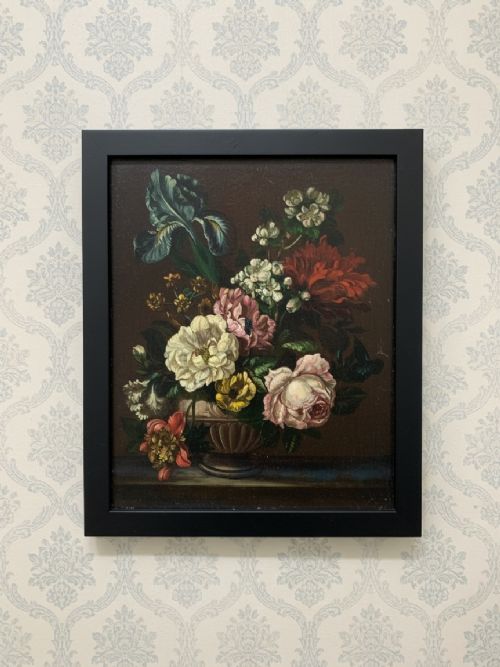
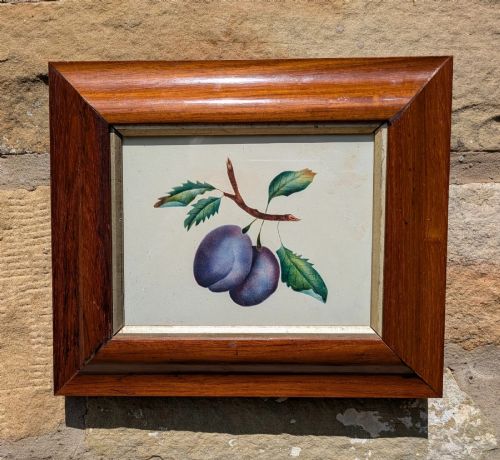
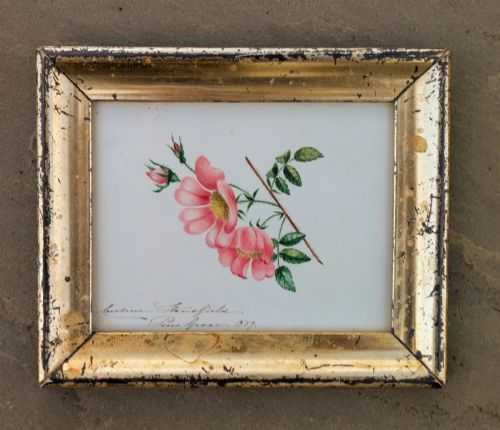
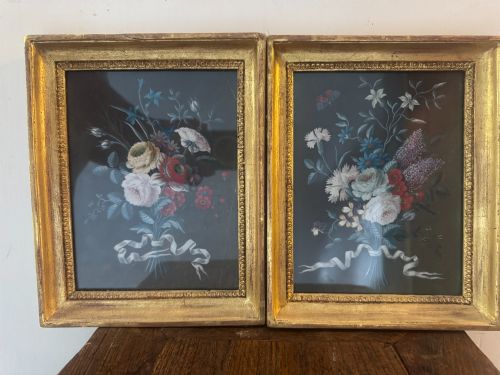
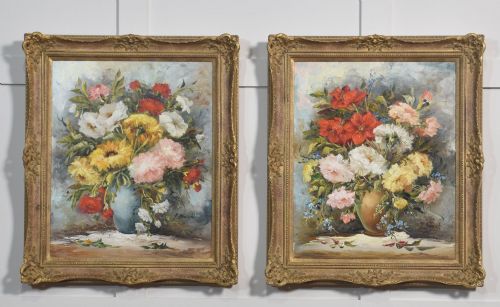
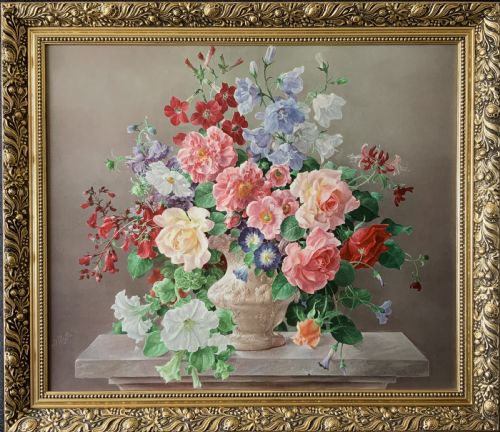
Botanical art studies encompass detailed renderings of flora, ranging from precise 19th-century watercolours to mid-century oil paintings and early engravings.
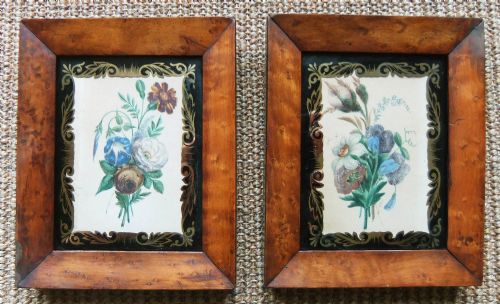
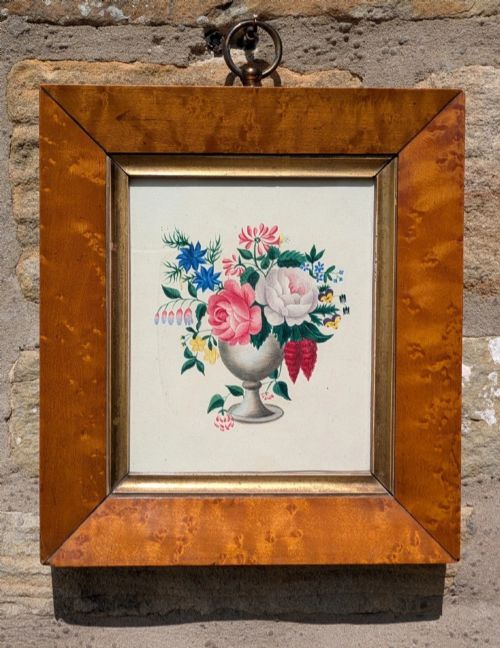
Watercolour paintings on paper remain the most common format encountered here, alongside gouache works on pith paper and oil paintings on panel or canvas.
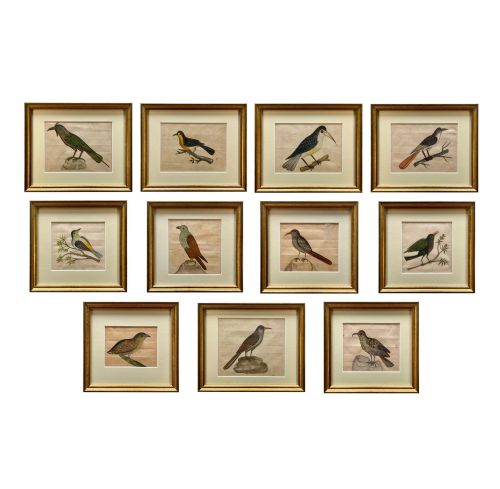
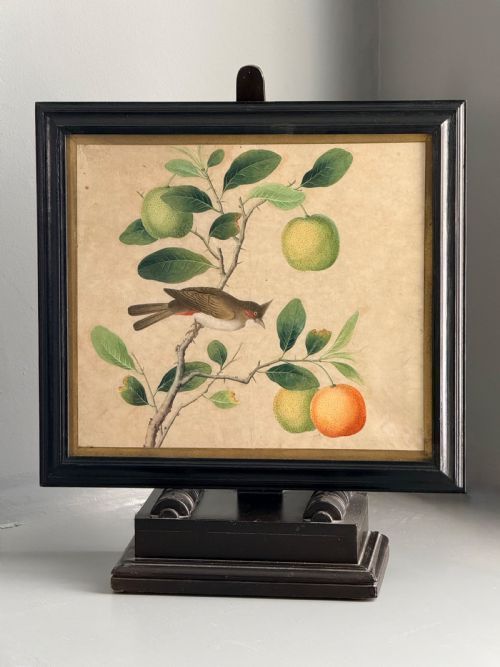
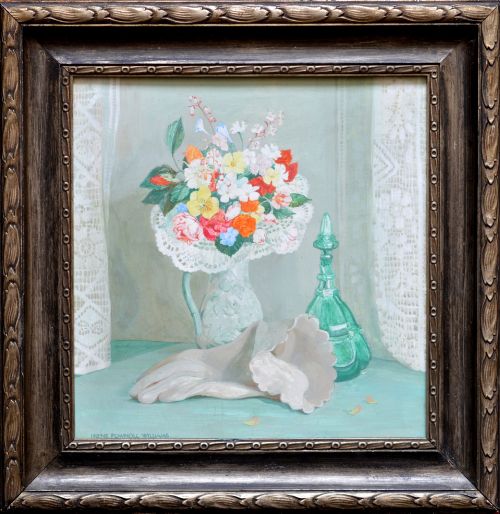
The selection bridges natural history illustration and still life traditions, originating from English, French, Dutch, and Chinese workshops spanning the eighteenth to the twentieth century.
Materials and execution
Artists relied primarily on watercolour, gouache, and oil paint applied to paper, canvas, panel, or delicate pith paper to render precise botanical forms.
Support materials varied from traditional wood panels and stretched canvas to hand-pressed paper and silk, often paired with period frames of rosewood or gilt moulding.
Botanical Art Studies Retail Price Guide 2026
Typical asking prices for botanical art studies among the pieces listed under this phrase on Sellingantiques today, from the lower quarter to the upper quarter. They describe what is for sale here now, not the wider market.
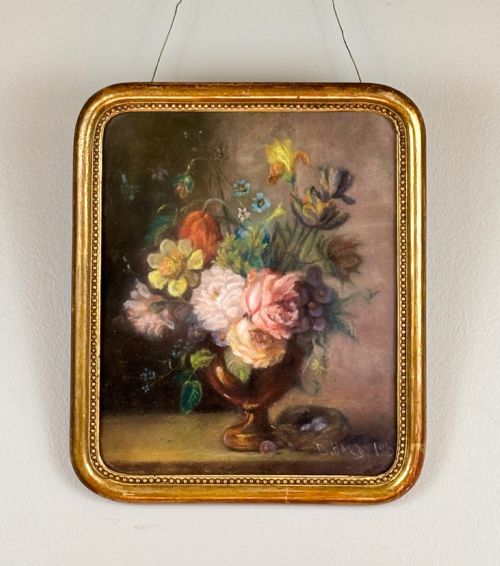
Listings feature works spanning the eighteenth to the twentieth century, utilising watercolour, oil, gouache, and pastel on paper, canvas, and panel.
Quality and execution
The degree of botanical accuracy and the sensitivity of line distinguish masterworks from decorative records, separating observational studies from generic floral compositions.
The handling of pigment density, especially in the translucent washes of watercolour or the impasto of oil paintings, determines the visual depth of each study.
Irene Christobelle Pownoll Williams·Harold Clayton·D Hardy·Manuela Bonati·William Thomas Wood·M Simpson·William Andrews Nesfield·Sir Matthew Smith·Edith Barrow·Grace Hastie·Phyllis I Hibbert·Lena M Alexander·Marian Chase·L. Wilford·Pierre-Joseph Redouté·Jennifer Toombs·Charlotte Isa James·Arthur Wardle·Alice Macallan Swan·John Curtis·Marion Broom·Annie Mary Youngman·Margaret Evangeline Wilson
The Botanical Art Studies Glossary
- Gouache
- An opaque water-based medium that provides solid colour blocks and dense highlights. It differs from transparent watercolour by containing a white pigment filler.
- Pith paper
- A delicate material formed from the pith of the Tetrapanax papyrifer plant, commonly used in nineteenth-century Chinese export painting. It accepts watercolour and gouache with exceptional brilliance.
- Panel
- A rigid flat support made from wood used for painting. Artists frequently utilised panels before stretched canvas became standard.
- Oleograph
- A mechanical colour lithograph produced to imitate an oil painting. These prints replicate the texture and tone of original canvases using multiple ink stones.
- Engraving
- A printmaking technique where an image is incised into a metal plate. The resulting lines hold ink to transfer fine detail onto paper.
Botanical Art Studies: Frequently Asked Questions
How do I display botanical studies?
These works suit traditional and modern interiors alike, particularly when grouped in pairs or sets along a hallway or study wall. Direct sunlight should be avoided to protect watercolour pigments and paper supports from fading.
Framing with conservation-grade glass helps preserve delicate works on paper from atmospheric changes. Hanging them at eye level in rooms with stable humidity ensures the longevity of both the paint and the original frame.
What is the difference between watercolour and gouache?
Watercolour relies on transparent pigments that allow the white of the paper to shine through, creating a luminous and delicate effect. Painters use it to capture the subtle translucency of flower petals and leaves.
Gouache incorporates a white pigment base that makes the paint opaque, resulting in flat, saturated areas of colour and sharp detail. Both techniques frequently appear in natural history illustration to balance scientific precision with artistic expression.
How do I date an antique botanical painting?
Dating relies on examining the paper watermark, the style of the frame, the species depicted, and the signature or handwriting on the reverse. Pigment analysis and the preparation of the canvas or panel also offer reliable clues to the period.
Stylistic shifts between Regency formality, Victorian naturalism, and mid-century modern abstraction provide clear markers. Comparing the brushwork and composition to known works from specific centuries narrows the timeline further.
Were these studies created for science or art?
Many botanical works served a dual purpose, functioning as scientific records for taxonomy as well as decorative art for domestic interiors. Naturalists and artists often collaborated to document newly discovered plant species with absolute accuracy.
Over time, the emphasis shifted between strict botanical illustration and expressive still life painting. Both approaches prioritized close observation of nature, resulting in detailed studies of flowers, fruit, and foliage.