

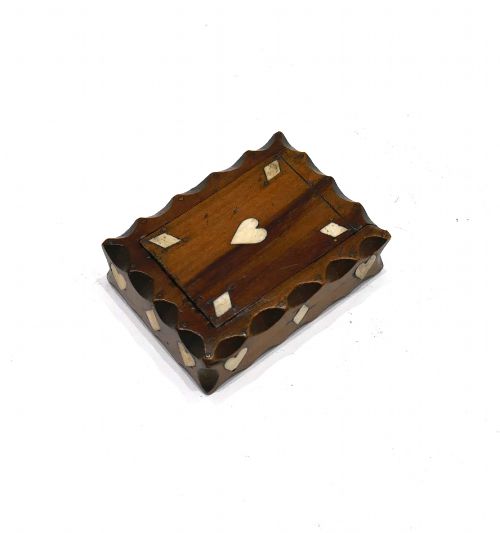
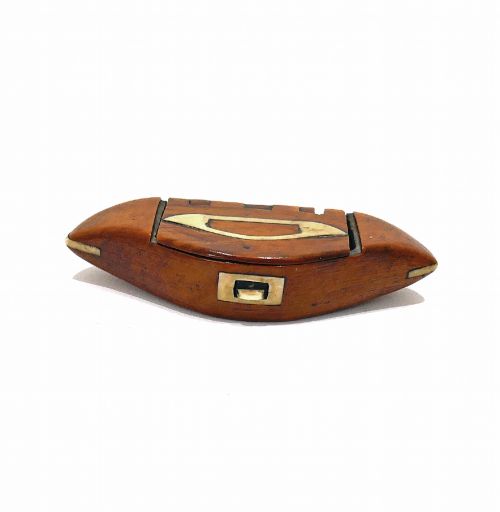


Bone Inlaid Wooden Box
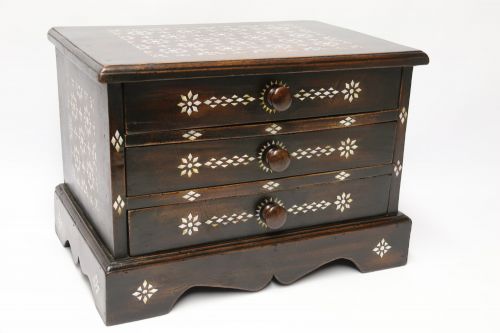
A bone inlaid wooden box brings together carved organic detail and rich timber, offering a tactile receptacle for keepsakes and treasures.
Bone Inlaid Wooden Box
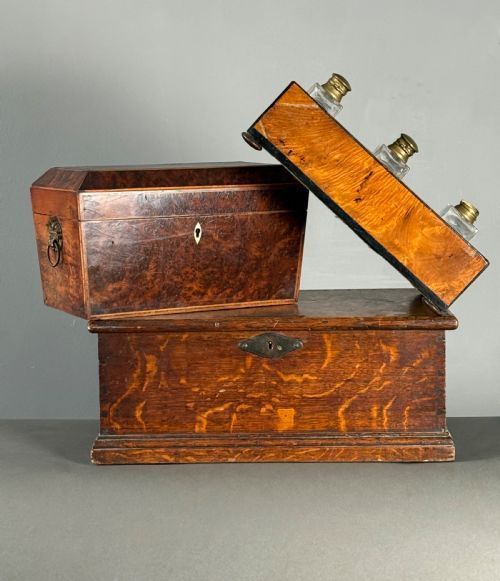
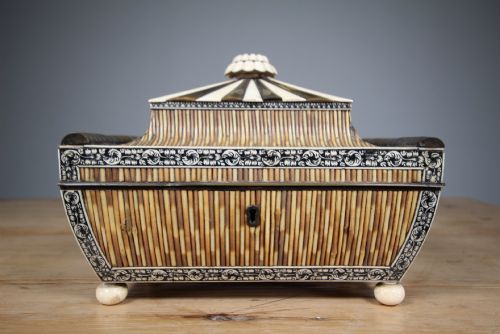
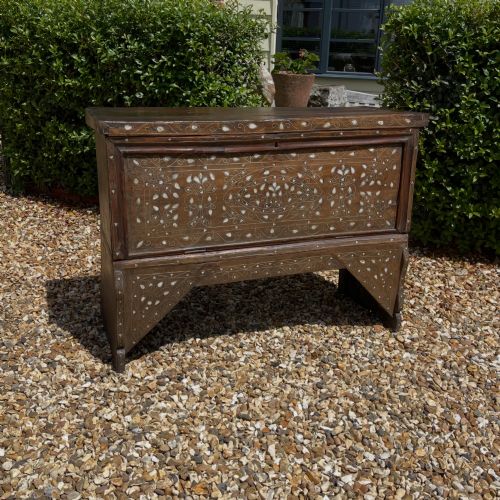
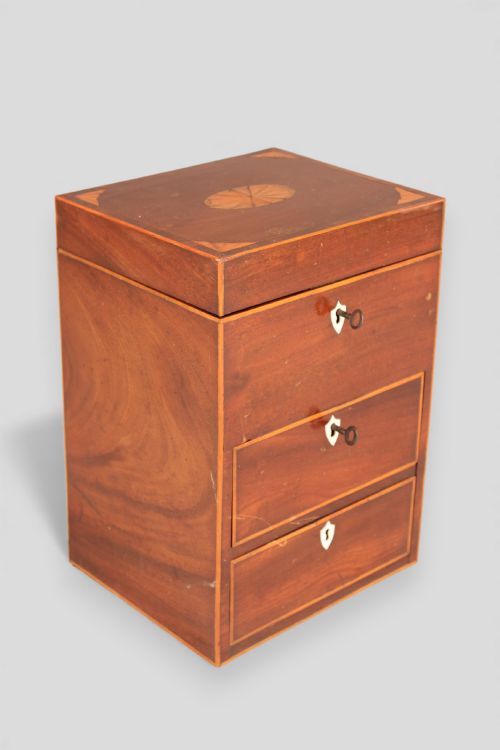
A bone inlaid wooden box encompasses a variety of utilitarian and decorative forms, ranging from small snuff boxes and tea caddies to larger trunks, writing slopes and collector chests. When exploring these items, a buyer encounters pieces originating from the eighteenth and nineteenth centuries up to the early twentieth century.
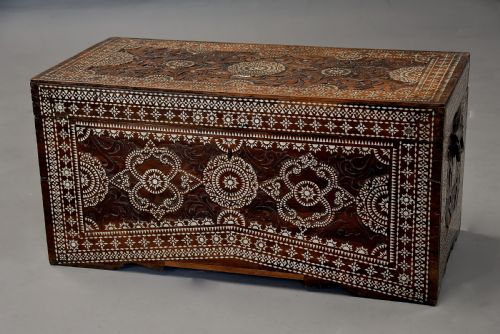
Meticulous geometric patterns and floral motifs dominate the presentation of these items, utilising contrasting light bone against darker hardwoods. Each vessel demonstrates how utilitarian containers were elevated into decorative art through patient manual embellishment.
Materials and construction
Artisans constructed these boxes using dense timbers such as ebony, walnut, mahogany, coromandel, fruitwood and rosewood as a foundation. Into these wooden carcases, they embedded thin sections of bone, antler, mother-of-pearl and ivory, securing them within hand-cut recesses.
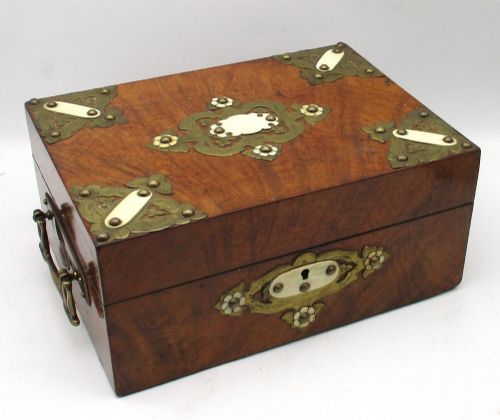
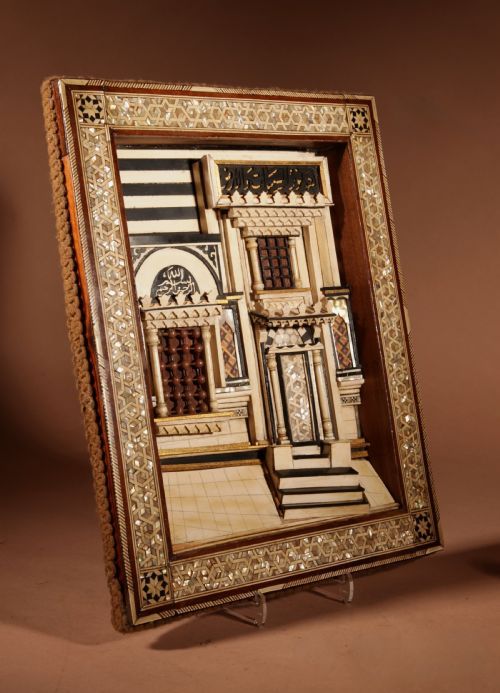
Surface decoration relied on precision cutting and carving, where pieces of bone were shaped into delicate stars, diamonds, bands and figurative scenes. Secondary materials like brass fittings, metal hinges and foil linings frequently completed the interior and exterior structure of the caddies and writing slopes.
Artisans occasionally carved tiny fruitwood snuff boxes into the whimsical shape of ladies' feet wearing open-toed shoes.
Assessing quality
The standard of a piece rests on the precision of the joinery and the complexity of the inlaid motifs. Superior examples display tightly fitted bone elements flush with the surrounding timber surface, showing minimal gaps or crude adhesive fillers.
Finer items also feature well-preserved interior compartments, original brass hardware and sophisticated carving that remains crisp across the entire carcass. The depth and variety of the botanical or geometric patterns distinguish exceptional workshop output from simpler vernacular production.
The Bone Inlaid Wooden Box Glossary
- Bone inlay
- A decorative technique where small pieces of animal bone are embedded into carved channels within a wooden surface to create contrasting patterns.
- Tea caddy
- A specialised container originally designed for storing dry tea leaves securely, often featuring internal compartments and a locking lid.
- Treen
- Small handmade wooden household objects and utilitarian items, typically turned or carved from fruitwoods and other dense timbers.
- Writing slope
- A portable slant-topped box designed to provide a secure writing surface while storing stationery, inkwells and pens inside.
- Sarcophagus
- A distinct box shape featuring a domed or stepped lid tapering toward the base, reminiscent of classical monumental tombs popular during the Regency and Victorian eras.
Bone Inlaid Wooden Box: Frequently Asked Questions
How were these boxes used?
Historical examples served specific domestic functions such as storing valuable tea leaves, writing materials, sewing gear, tobacco or jewellery.
Many featured internal compartments and locking mechanisms to protect precious personal contents from loss or moisture.
How do I date an antique box?
Dating relies on identifying the underlying timber species, hardware styles, construction methods and regional decorative motifs recorded in the piece.
Georgian, Victorian and early twentieth-century examples each utilise distinct woodworking techniques and proportions that help establish their era of origin.
How should I care for wooden inlay?
Maintenance requires keeping the object away from direct sunlight and extreme humidity fluctuations to prevent the wood and bone elements from expanding or contracting at different rates.
Gentle dusting with a dry, soft cloth preserves the finish without introducing moisture that could damage historic adhesives.